24 Outrageous Werewolf Facts You Probably Never Knew!
Werewolves have been part of legends and storytelling for centuries. These giant mythological beasts craving for raw flesh are one of the most...
Published 11 years ago
8
The frequency of werewolf myth occurrence usually related to abundance of forests and wildlife of the particular country. Therefore, densely forested parts of Europe with abundant wild animals had more werewolf legends and stories than those in the South. But still, even countries such as Italy or Portugal have their own werewolves Lupo Manaro in Italian and Lobisomem in Portuguese language.
11
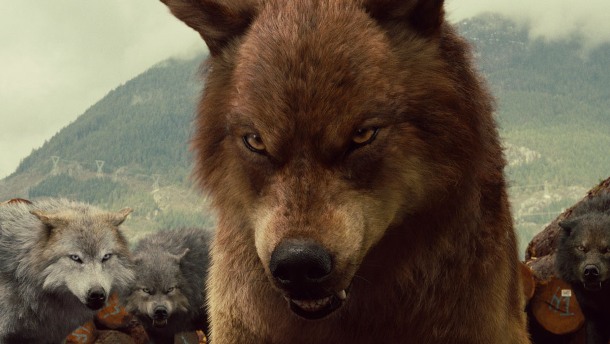
Not all of the mythological werewolves were evil creatures. In Latvia and Lithuania, for example, the werewolf called vilkacis was sometimes beneficial to humans, bringing them treasures. The idea of a good werewolf was also used in the popular fantasy series of Twilight movies where werewolves protect humans from evil vampires.
12
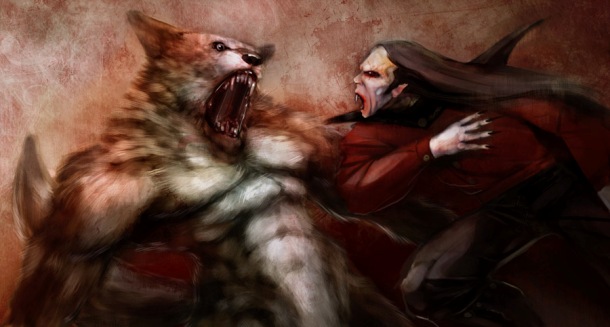
The link between werewolves and vampires has been ambiguous though. While the werewolves are generally thought to compete with vampires, some Eastern European legends suggest that dead werewolves will be reborn as vampires. The Slavic word volkodlak werewolf even translates as vampire in Serbian language.
13
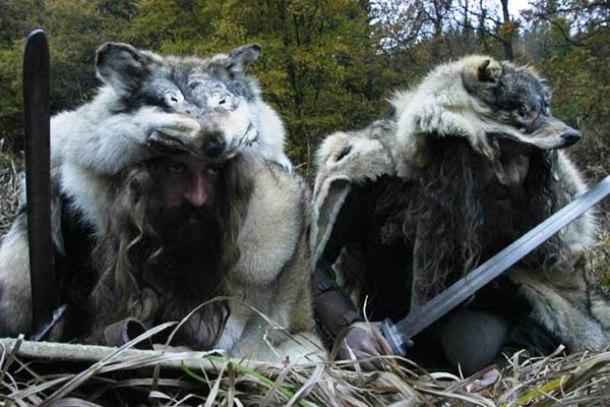
Similarly to the werewolf legends, in Viking Scandinavia, there were stories about the so called Ulfhednars, warriors dressed up in wolf skin, who were allegedly able to take over the spirit of the animals and use it in battles. They didnt feel any pain and killed their enemies in a frenzy-like state.
16
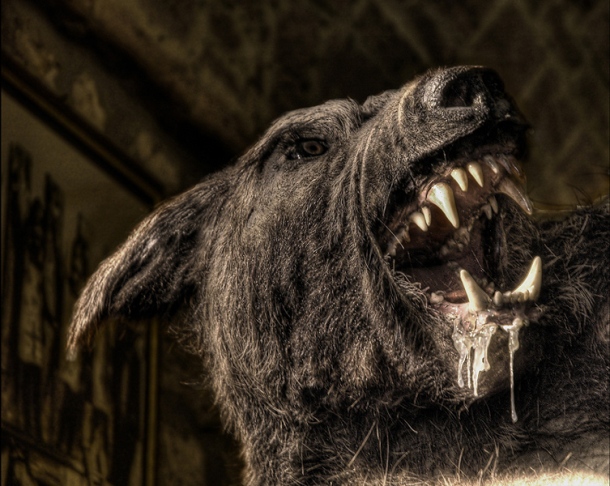
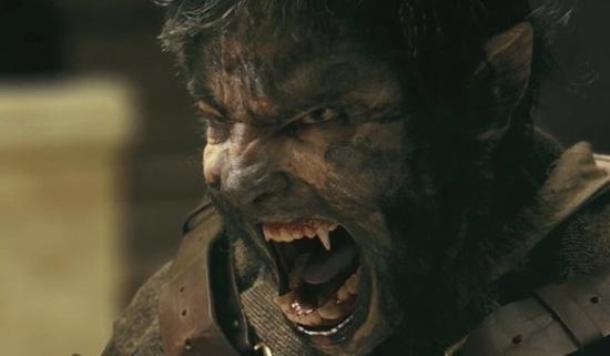
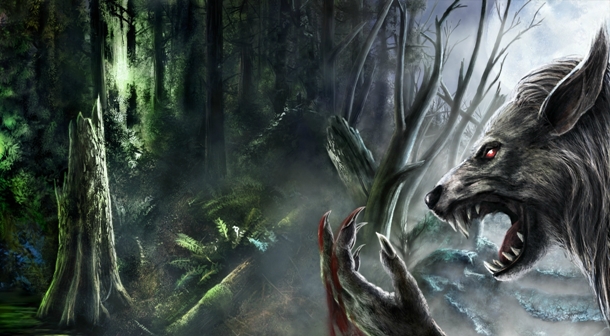
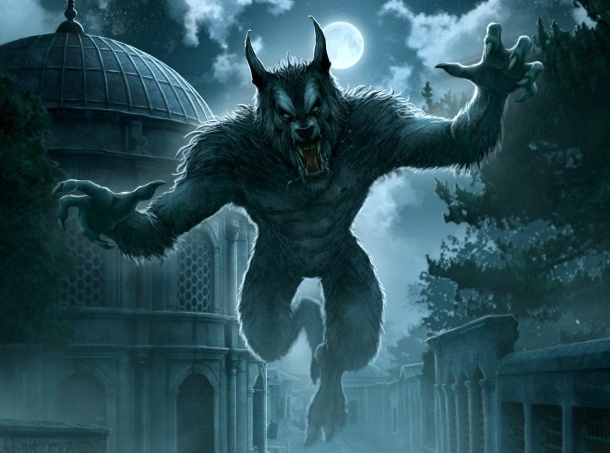
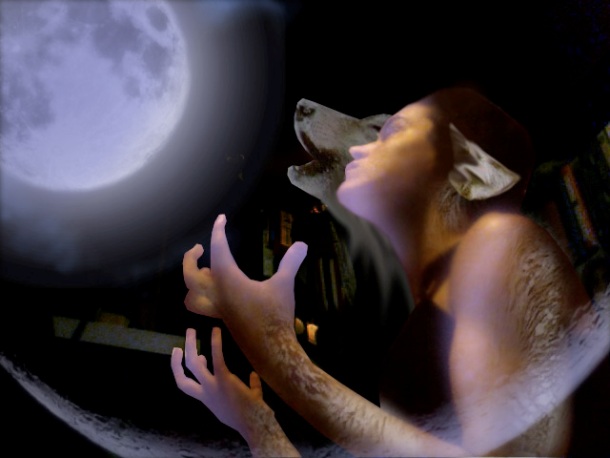
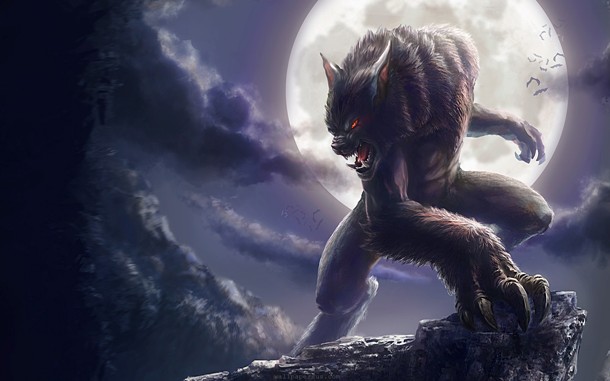
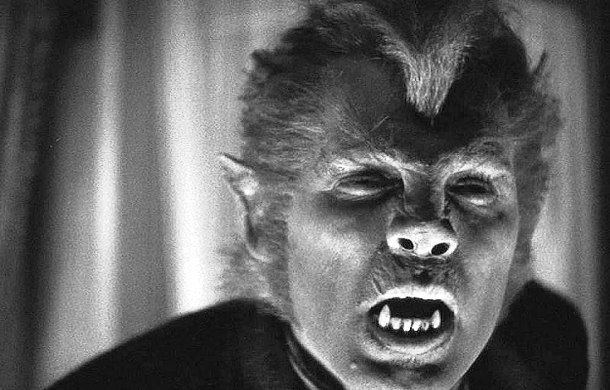
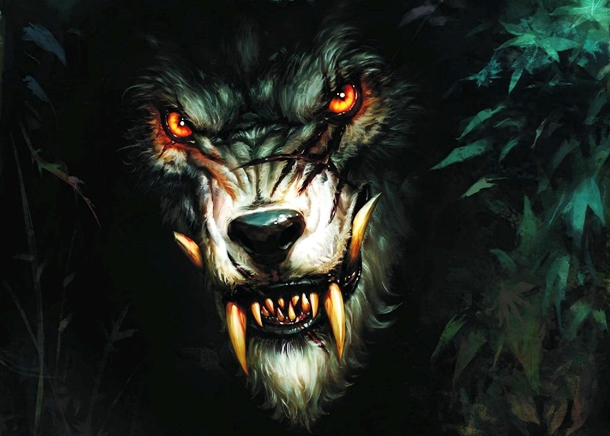
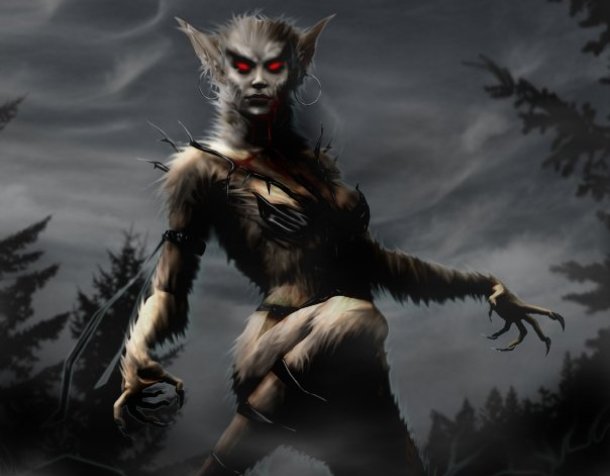
The appearance of the werewolf in his animal form varied significantly with regions but there were several typical attributes common to most of them. The werewolf was usually larger than a regular wolf, kept human voice and eyes, was able to walk on his hind legs and ate freshly buried human remains.
17
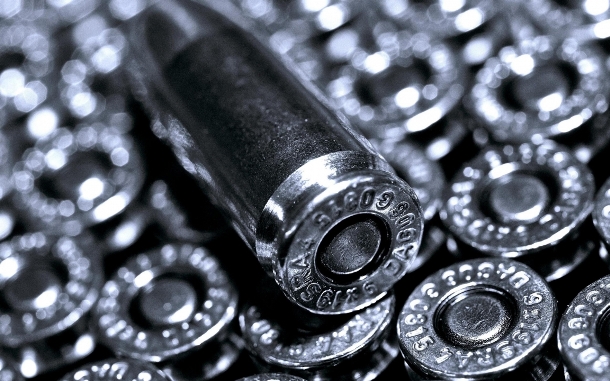
Werewolves are thought to have supernatural healing abilities and are known to be immune to damage caused by ordinary human weapons. The only thing supposed to hurt them is a silver object, primarily a silver bullet. It might have been inspired by the Beast of Gevaudan that was allegedly killed with a silver consecrated bullet.
18
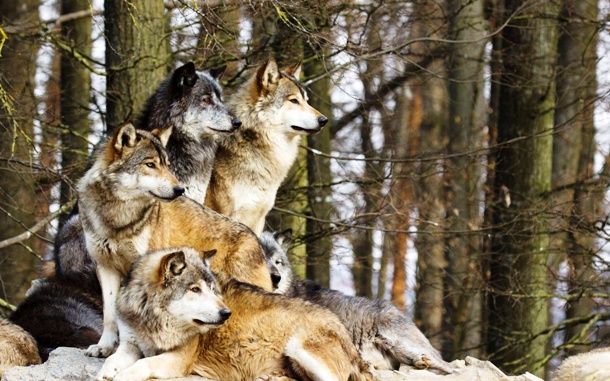
Although wolf attacks on humans are very rare nowadays, there have been several cases of man-eating wolf packs. One of the scariest happened in 1996 when a pack of wolves repeatedly attacked villages in Uttar Pradesh, India. The hungry wolves focused mainly on young children and they actually succeed in seizing and eating a few of them. Scared by the brutal attacks, the locals then believed it was werewolves who killed the children.
23
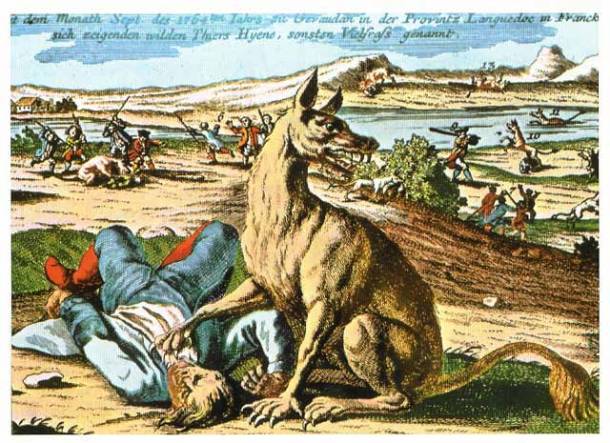
One of the most popular real stories based on the werewolf idea was the one of the Beast of Gevaudan. Between 1764 and 1767, the Gevaudan province in south-central France was terrorized by an unspecified wolf-like creature. Allegedly, the beast attacked over 200 humans, killing and eating about 100 of them. At that time, people thought it to be a werewolf but modern theories suggest it was a huge domestic dog or a dog-wolf hybrid.



Most Popular