This War Hero Led WWI Soldiers on Safe-Sex Missions to Licensed Brothels
Not all heroes wear capes — but this one wanted troops to wear condoms
Published 6 months ago in Ftw
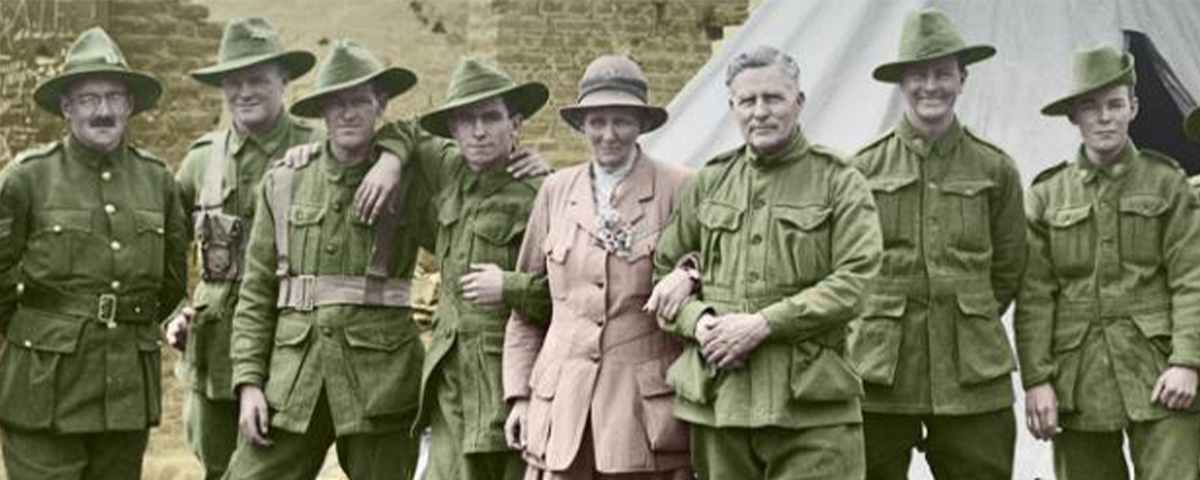
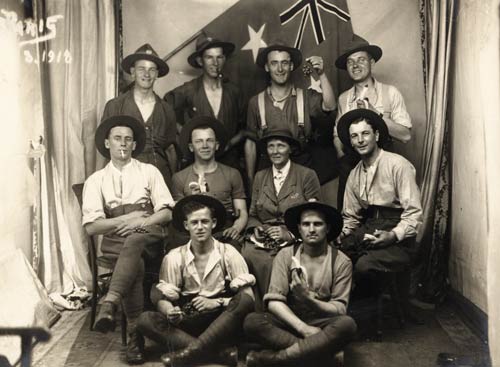
During World War I, trains full of Australian and New Zealand troops would pull up into Paris’ Gare du Nord station to be greeted by a curly-haired woman in her late 30s. Dressed in men’s work boots and loose-fitting trousers, she would present the men with a powder-pink card bearing an address and a name: Madame Yvonne.
Ettie Rout led countless troops through the backstreets of Paris to her so-called “safe sex brothel.” Rout’s legacy has been largely wiped from official records; her scandalous approach to safe sex caused a stink in her native New Zealand, but she was one of the war’s unsung heroes — and a surprising ally to wartime sex workers.
Born in Tasmania in 1877, Rout moved to Christchurch, New Zealand in 1896 to study for a career in business. Rout soon became involved in local labor movements, becoming an important figure in socialist, feminist and Māori rights movements as well. Gleefully unconventional, she shunned “feminine” dress codes, studied jiu jitsu, championed equal pay for women and worked with local doctors to help manage a worrying rise in sexually-transmitted infections.
Syphilis and gonorrhea, which were grouped together at the time as simple “venereal diseases,” were growing in prominence throughout the late 19th and early 20th centuries. This was before antibiotics, so their effects could get pretty gnarly. In addition to extreme fatigue and splitting headaches, your genitals might end up covered in weeping lesions soaked in smelly discharge. It didn’t help that sex was seen as a moral failure; if you were saddled with syphilis, the belief was generally that you got what you deserved.
Rout thought differently, however. Rather than treating these life-threatening diseases as some sort of just punishment for moral failure, she set about finding practical ways to combat them.
Meanwhile, as World War I began, traveling troops were known to stop off at local brothels to unwind. Military chiefs made it their mission to stamp out what they viewed as grotesque promiscuity, and naturally, sex workers became the scapegoat; military propaganda at the time described these working women as vectors of disease. Women suspected of sex work could even be rounded up and subjected to hideously invasive STI testing, a form of torture.
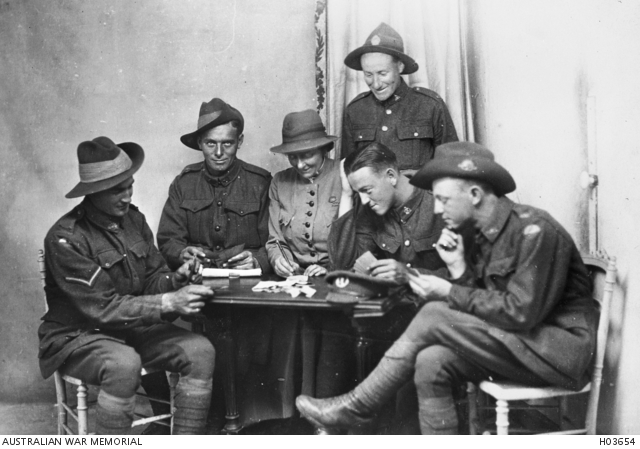
Despite the obsession with VD and the growing rates of infection among troops, military officers did very little to promote safe sex. Frustrated and enraged by this failure, Rout made it her mission to intervene. Madame Yvonne’s was her pièce de résistance, a brothel tucked away on Paris’ Rue Saint-Lazare. Brothel workers were looked after, provided with healthy supplies of thick, durable condoms, running hot water, soap, clean towels and sheets. Troops who didn’t want sex could simply pay a sex worker to accompany him to the theater. Even after the war, Rout continued this safe-sex advocacy by writing a contraceptive manual for women, Safe Marriage. It was pretty groundbreaking work in an era that heavily criminalized abortion.
Known as the “guardian angel of the Anzacs,” Rout is finally being commemorated for her trailblazing work during the war, but her name still attracts huge controversy in New Zealand. Her methods might have been unorthodox, but getting soldiers to wrap their dicks was a novel idea at the time — and one that stayed taboo long enough to see her name scrubbed from history books.
Most Popular