10 Mysteries About Famous Icons.
These will leave you mouth wide open.
Published 4 years ago in Wow
1
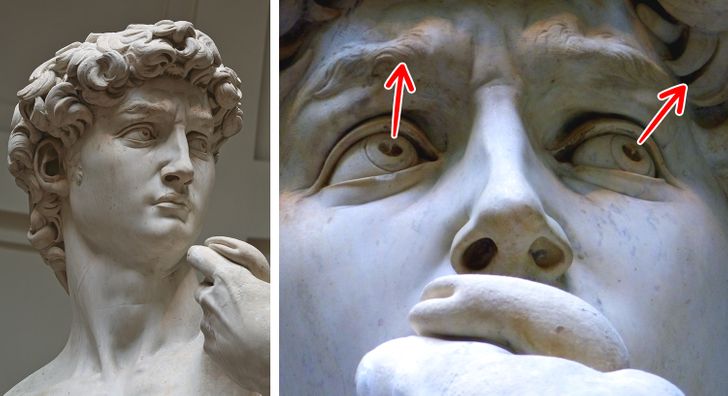
Michelangelo’s David is a masterpiece of human anatomy, but there is one anomaly. The right eye looks straight forward while the left eye appears to be looking out to the left. Michelangelo probably calculated every angle and carved out the eyes counting on the position of the viewer, so the statue would look perfect from different sides.
2
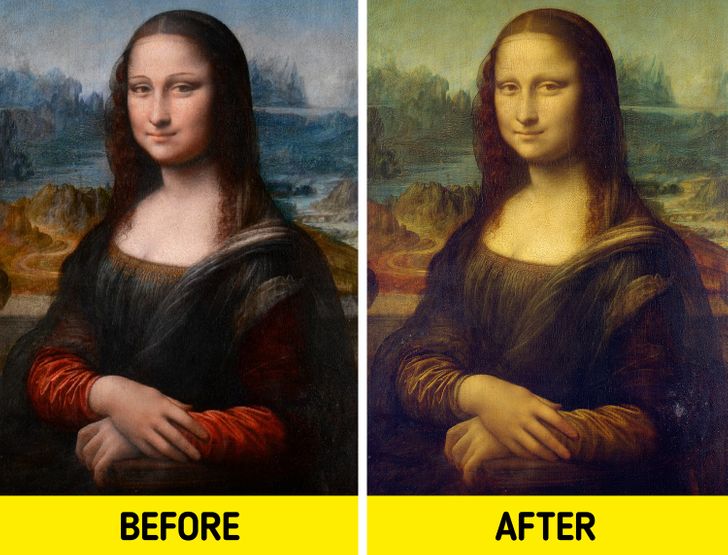
We know the Mona Lisa without eyebrows and eyelashes. It even became the most recognizable thing about this painting, aside from the smile. But not very long ago Parisian engineers found out that, originally, the Mona Lisa had both eyebrows and lashes. 240-megapixel scans revealed traces of the Mona Lisa’s left brow that were obliterated by restoration efforts.
3
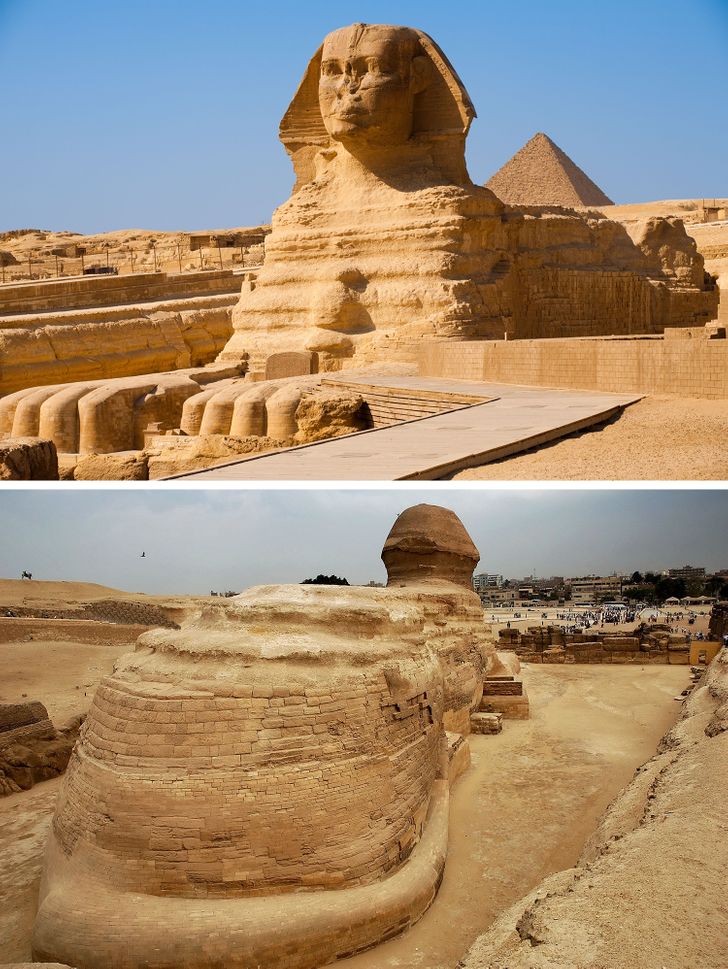
This stunning piece of art is commonly known for its front with the head and the paws. Actually, a Sphinx is a mythical creature with the head of a human, a falcon, a cat, or a sheep and the body of a lion with the wings of an eagle. The sculpture by itself measures 73 m (240 ft) long and it has a pretty long tail.
5
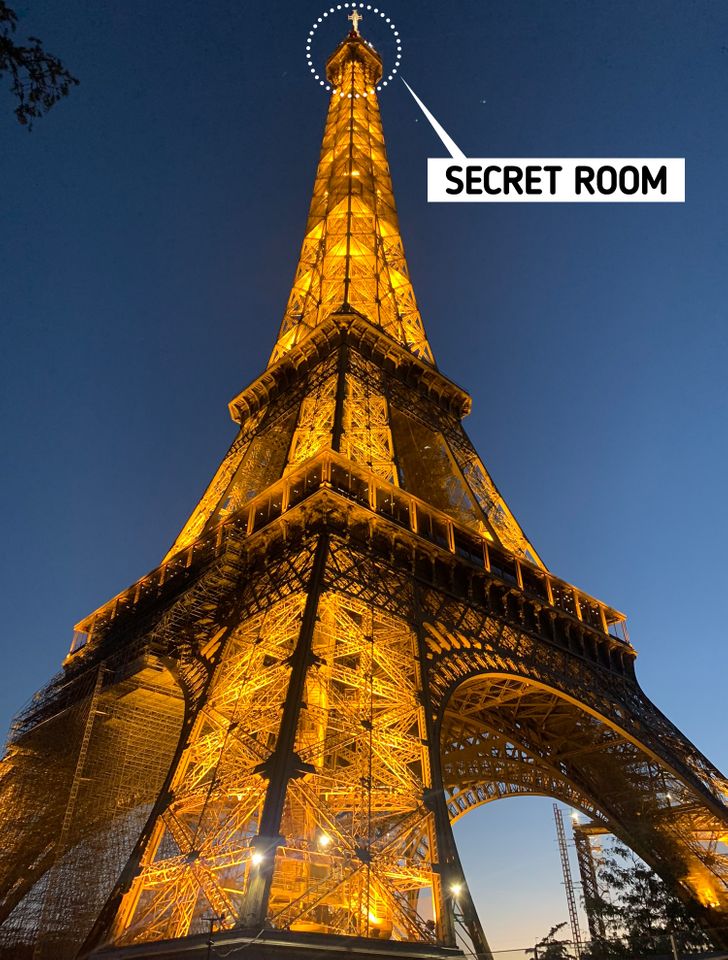
The Eiffel Tower also has its own secrets. Gustave Eiffel designed a private apartment for himself at the top of the building. Once Eiffel invited Edison there so his friend could present him with one of his phonographs, a new invention. Besides the secret room, there is a secret bunker below the tower’s south pillar which then goes underground.
6
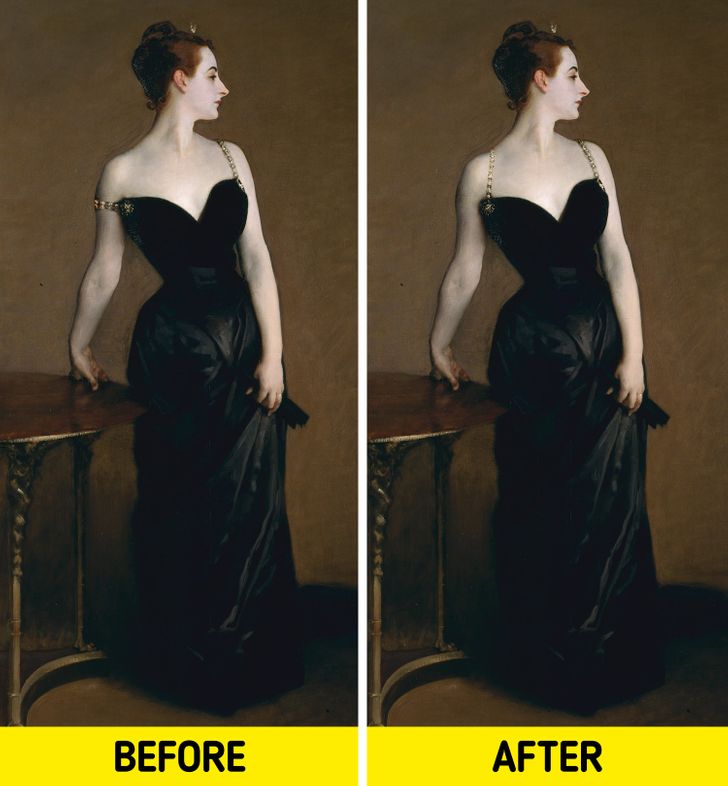
Painting Madame X is known for a small scandal that happened because of her straps. The way you can see the artwork nowadays wasn’t supposed to be this way. Originally one strap of her gown had fallen down on her right shoulder, suggesting the possibility of further revelation. The public didn’t like this revealing detail and Sargent painted over the shoulder strap to raise it up so it looks more securely fastened.
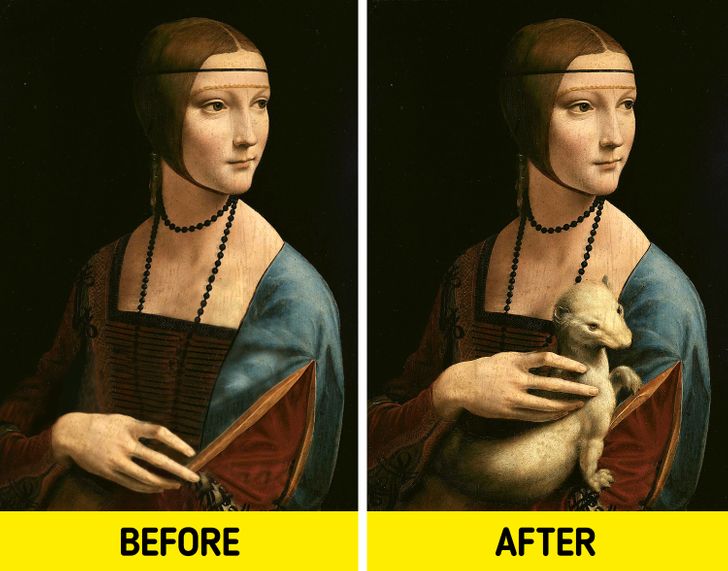
8
This could be funny, but the painting Lady with an Ermine originally didn’t have an ermine. Research showed that Leonardo da Vinci kept changing his mind. Reflective light technology revealed several layers. The artist painted one portrait without the ermine and 2 with different versions of the fur.
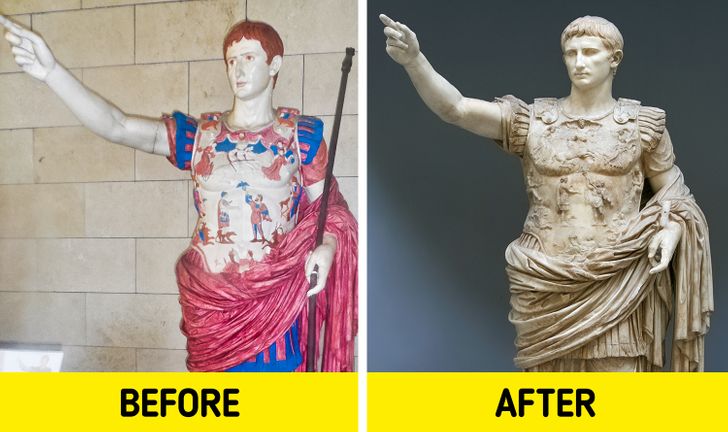
9
We’ve gotten used to associating classical Greek sculptures with white marble. Turns out there is evidence that many statues were painted in colors. With time the colors were weathered off and removed during cleaning. Some small traces remained so it’s possible to identify which colors were used and where.
Most Popular