10 Photos Of Silly Moral Panics Throughout History
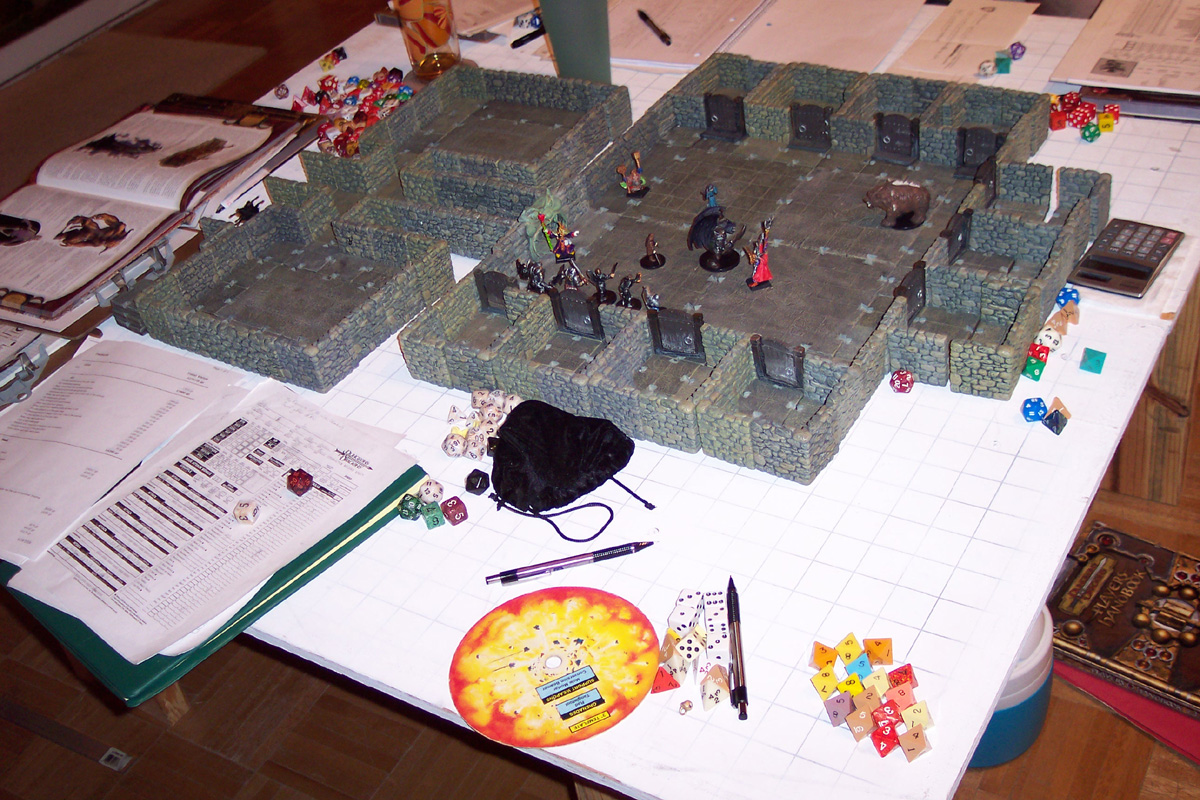
Those nerds playing Dungeons & Dragons are up to no good. We just know it!
Published 4 months ago in Wow
When something bad happens, finding someone or something to blame seems like a pretty natural human instinct. We need answers! There’s something about the unknown that doesn’t sit well with us, so it seems easier to point the finger than to stop and sit with a mystery.
So what happens when a clear answer can’t be found? Well, some hyper-perturbed individuals start pointing the finger in all kinds of weird directions. A confident hyper-perturbed individual can get a ton of people behind some ridiculous ideas and drum up some serious moral panic.
Here are 10 times that the most absurd frenzies actually got the public up in arms.
2
Chess Was Once Thought To Make People Dumber
In the 18th and 19th centuries, educators and moralists argued chess was a waste of time, and promoted obsession, idleness, and even moral decay. In 1859, Scientific American published a piece suggesting that chess was mentally exhausting and "does not develop any of the higher qualities of the mind."
5
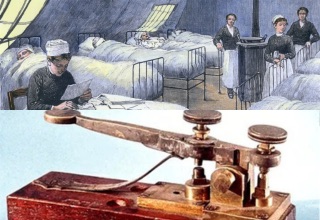
The 1889 Flu Pandemic Was Blamed On The Telegraph
During the “Russian flu” pandemic in America, people speculated that new technologies like the telegraph were linked to mysterious new illnesses. Some believed that electromagnetic waves or "nerve exhaustion" caused by rapid communication weakened the body, making it more susceptible to illness.
6
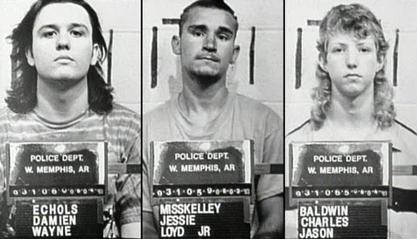
The Satanic Panic of the '80s and '90s.
Across North America, the "satanic panic" made over 12,000 unsubstantiated claims of ritualistic abuse. In 1994, The “West Memphis Three” were sentenced to 18 years in prison for murders they did not commit. Without any evidence, police targeted them for listening to heavy metal music, reading horror fiction, and their long-hair, claiming the murders were “ritualistic.”
8
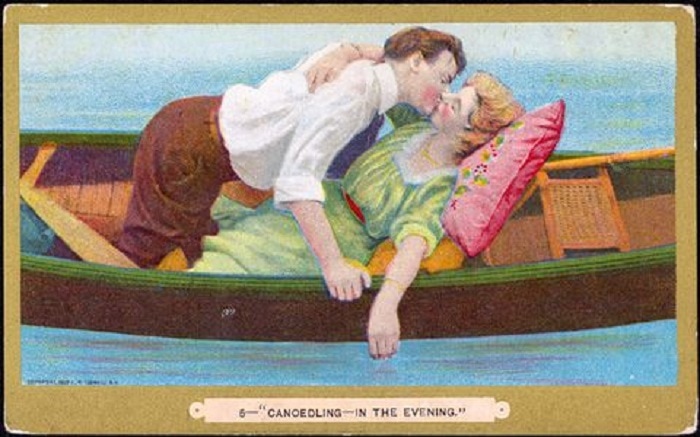
"Canoedling"
Before cars, American youth would often link up on canoes in private waters. In Minneapolis alone, the 200 canoe permits issued in 1910 skyrocketed to 2000 in 1912. The prudes stepped in and a curfew was declared. Park police began patrolling waterways in boats with spotlights to catch and fine "canoedling" canoeists. This is actually where we got the term "canoodling."
10
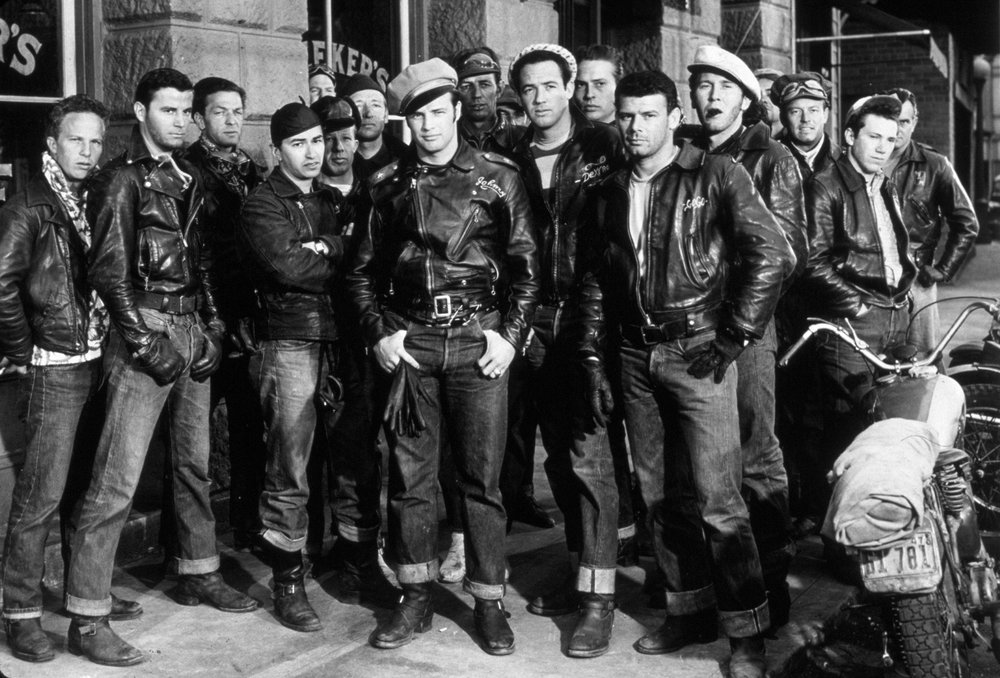
The “Blue Jeans Are Immoral” Panic of the 1950s and '60s
Jeans were banned in schools and public places for symbolizing rebellion and delinquency thanks to stars like James Dean in “Rebel Without a Cause” and Marlon Brando in “The Wild One.” They became linked to nonconformity, gangs, and anti-authority attitudes.

Most Popular