12 Tips And Tricks To Make Life Easier.
These could help you out.
Published 3 years ago
4
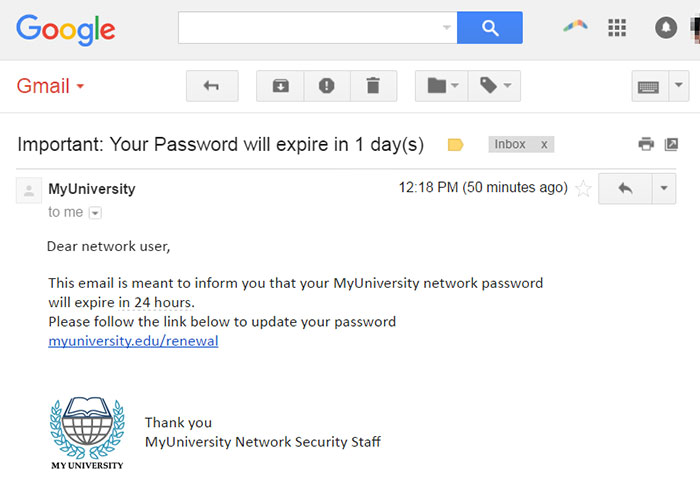
Never sign into any of your accounts by clicking a link in an email. Even if you’re fairly sure it’s a legitimate email. Instead, load up a new page and go to the website yourself to log in. Anything that you would be asked to do via email you will be able to find on the main site and it means that you don’t risk being caught out by a scam email.
8
You Must Do an Absolute 100% Dry Run Test of EVERYTHING for Any Important Event or Presentation. Assume Nothing Will Work Right. Be Paranoid. I can not tell you how often I’ve seen people screw the pooch or shoot themselves in the foot all because they didn’t completely 100% test EVERYTHING prior to some important thing they had to do. Not having batteries, not having the right cord to connect your laptop to some projector, not having the right software to connect your system to another system, having some software update change your settings and screw up your program, forgetting to account for timezone differences, having the incorrect phone number or web meeting address, being unsure as to who is doing what, missing some widget…
9
When considering a financial advisor, ask if they are a fiduciary. Fiduciaries are required by law to act in YOUR best interest. This could potentially save you hundreds of thousands of dollars by retirement. Fee-only advisors are somewhere you can potentially start. That means they aren’t getting paid to sell you stuff you don’t need (insurance products, load funds, etc.) If you don’t know what these are, please look them up. It could save you a ton later.
10
Harvard University listed 67 online courses for free! Now’s a good time to pick up a new skill and/or certification for your CV. Or perhaps you have a friend or relative that has a hard time deciphering fact from fiction within the news – there’s a course called Rhetoric: The Art of Persuasive Writing and Public Speaking where you’ll be able to ” evaluate the strength of an argument” and to ” identify logical fallacies in arguments”. http://online-learning.Harvard.edu/catalog








Most Popular