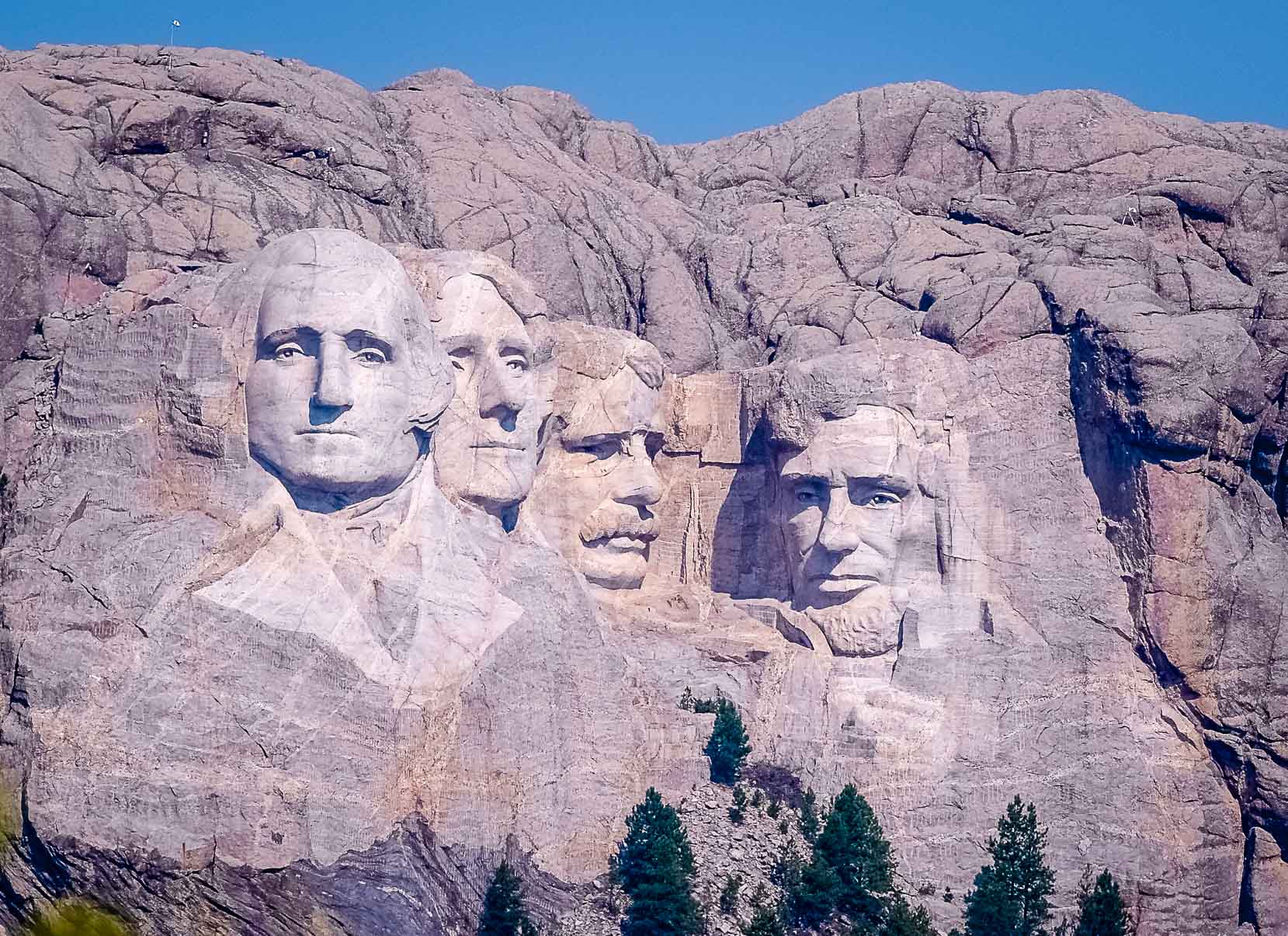
Beginning on October 4, 1927, Mt. Rushmore had over 400 workers quite literally chipping away for 14 years.
Originally conceived as a minor tourist attraction, historian Doane Robinson envisioned a carving of Western heroes like Lewis and Clark, Sacagawea, and Red Cloud to draw visitors to South Dakota. However, hired sculptor Gutzon Borglum thought the idea was too regional and suggested carving four U.S. presidents to represent the first 150 years of American history.
Borglum had Washington and Lincoln as obvious choices, and chose Thomas Jefferson because of the 1803 Louisiana Purchase (which included the land that became South Dakota). Theodore Roosevelt was suggested by then-President Calvin Coolidge.
Although Borglum died months before its completion, only minor refinements were yet to be made, so our love for happy endings will have us tell you that he got to enjoy his crowning achievement before he passed.
Here are some breathtaking photos from the 14 years that saw the side of a mountain become a national monument.
1
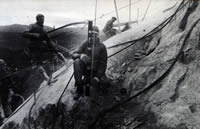
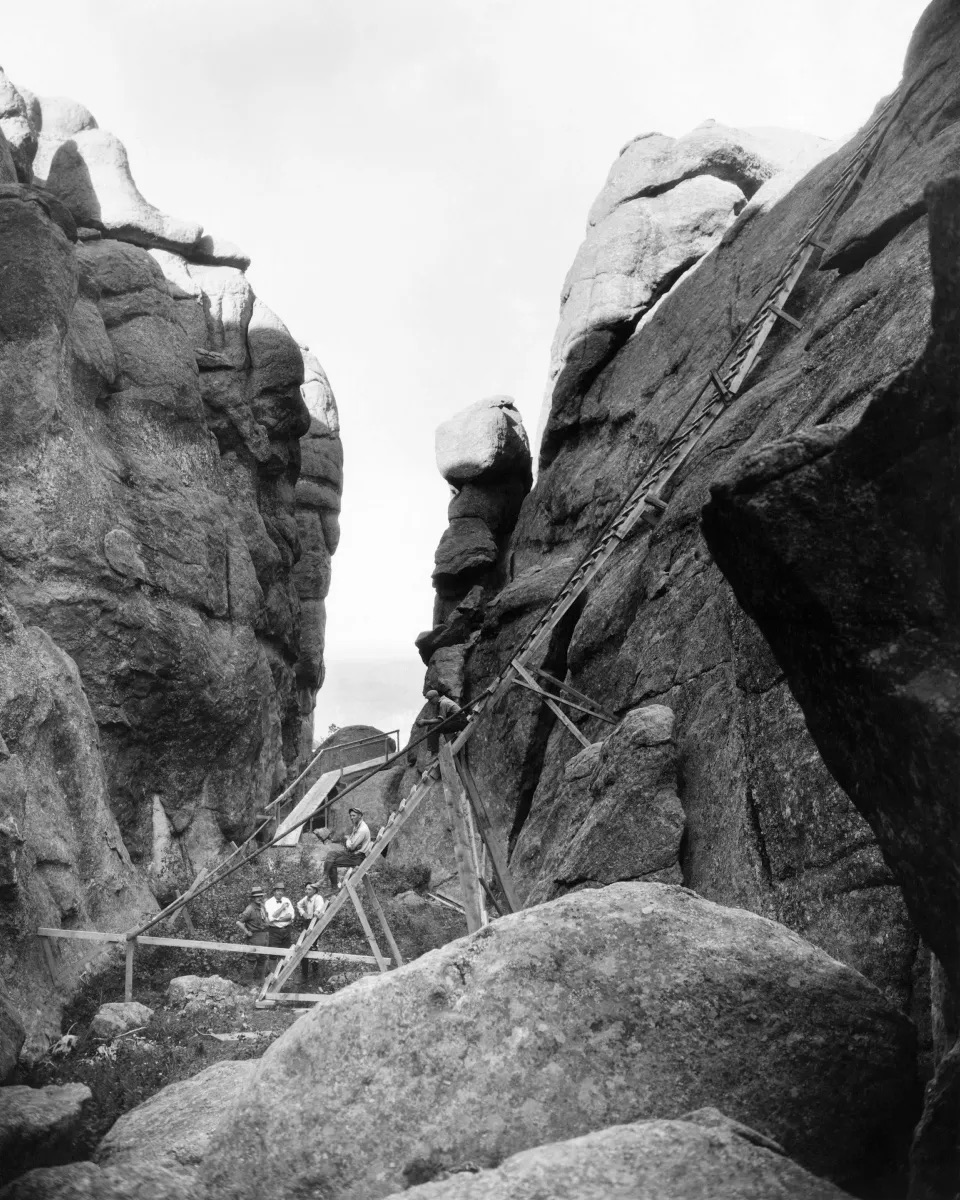
Stopping for a photo.
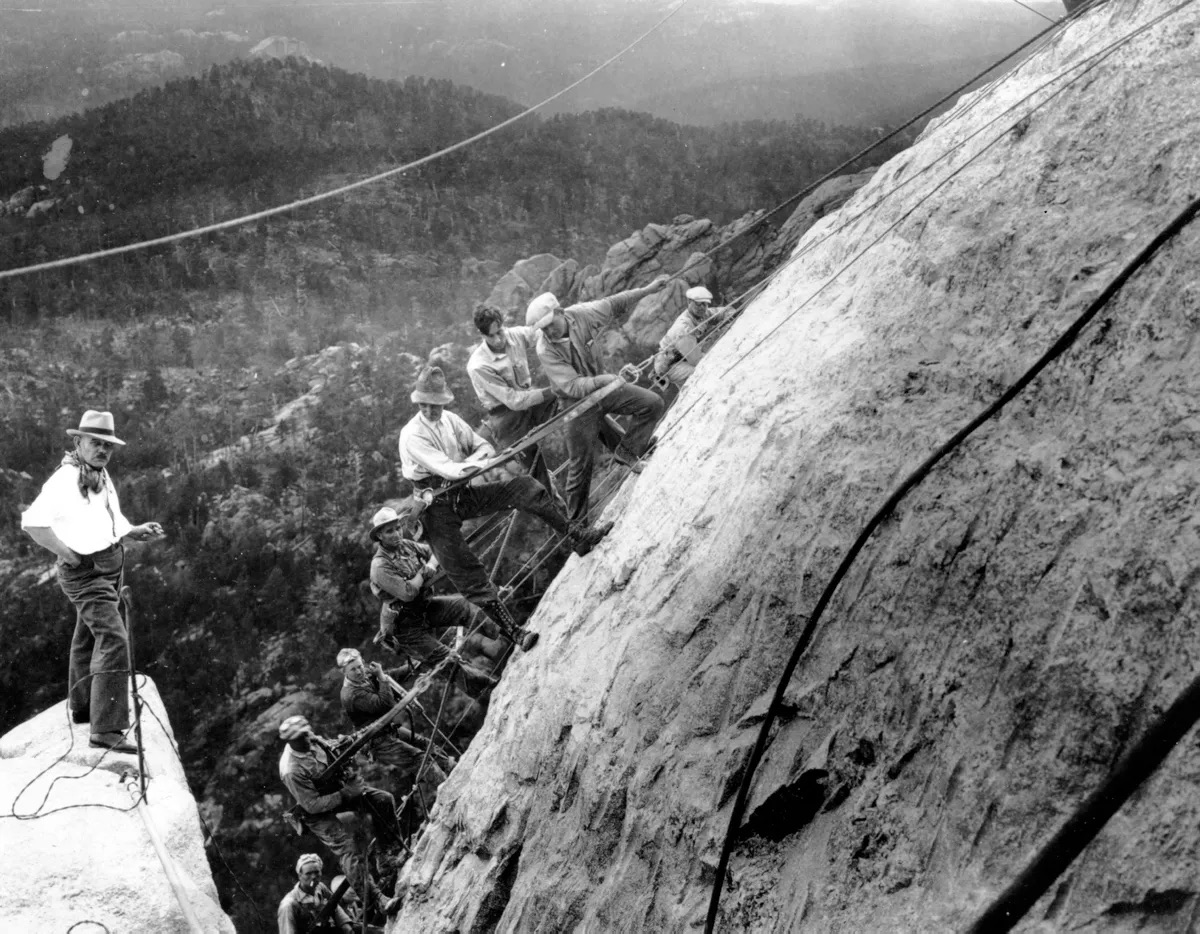
Workers using harnesses attached to steel cables while sculpting.
2
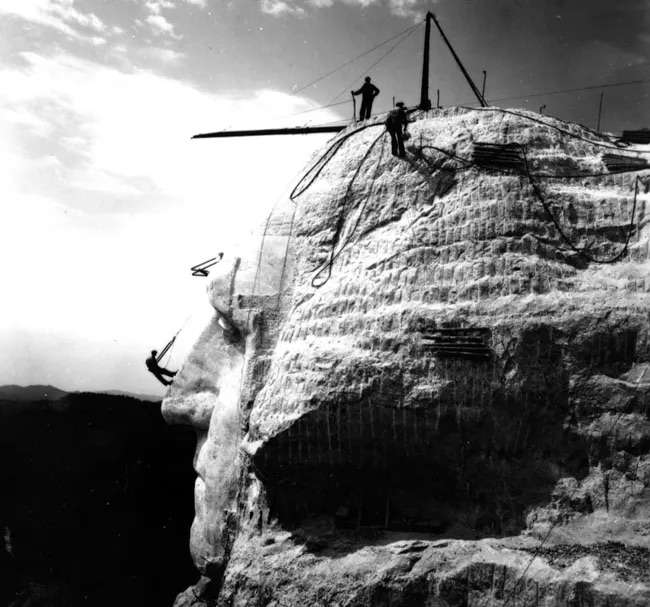
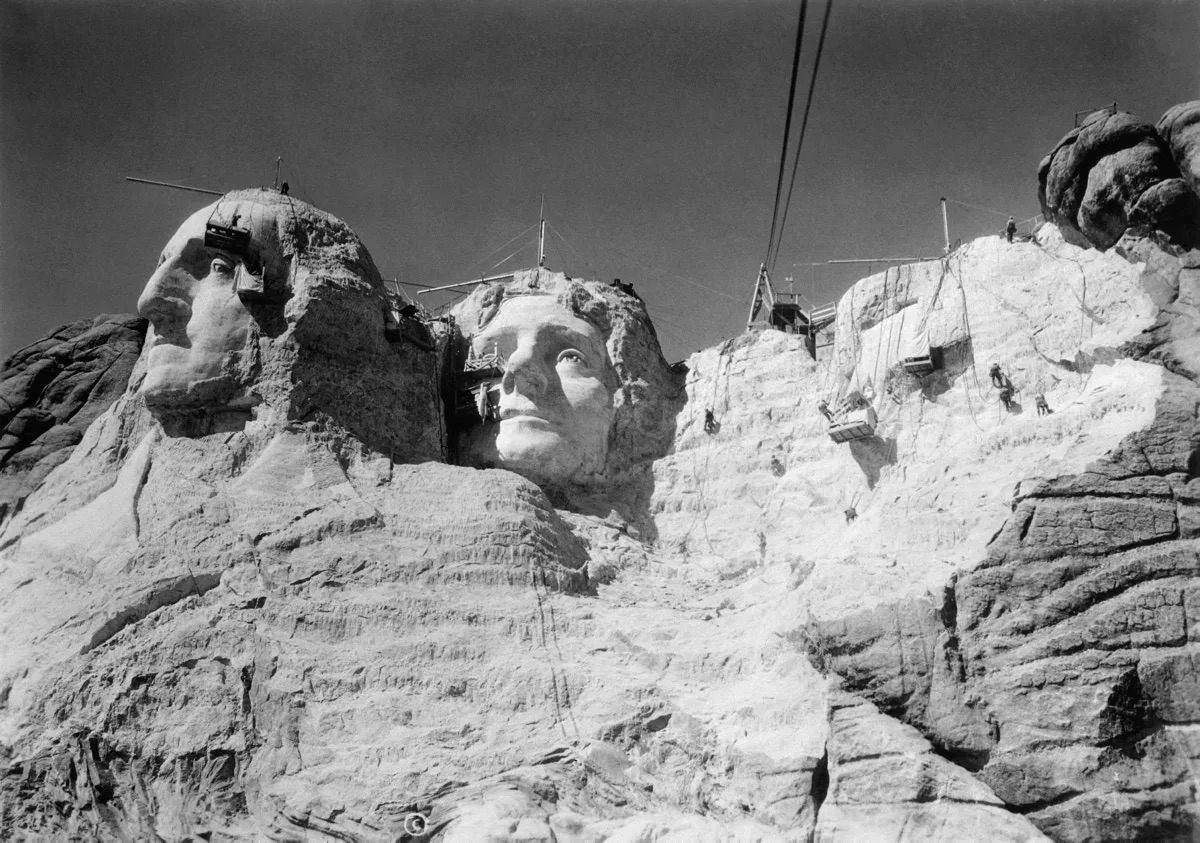
Dangling From Washington's Face
Workers use the "pointing system" and bosun chairs to carve the face of George Washington in 1932.
3
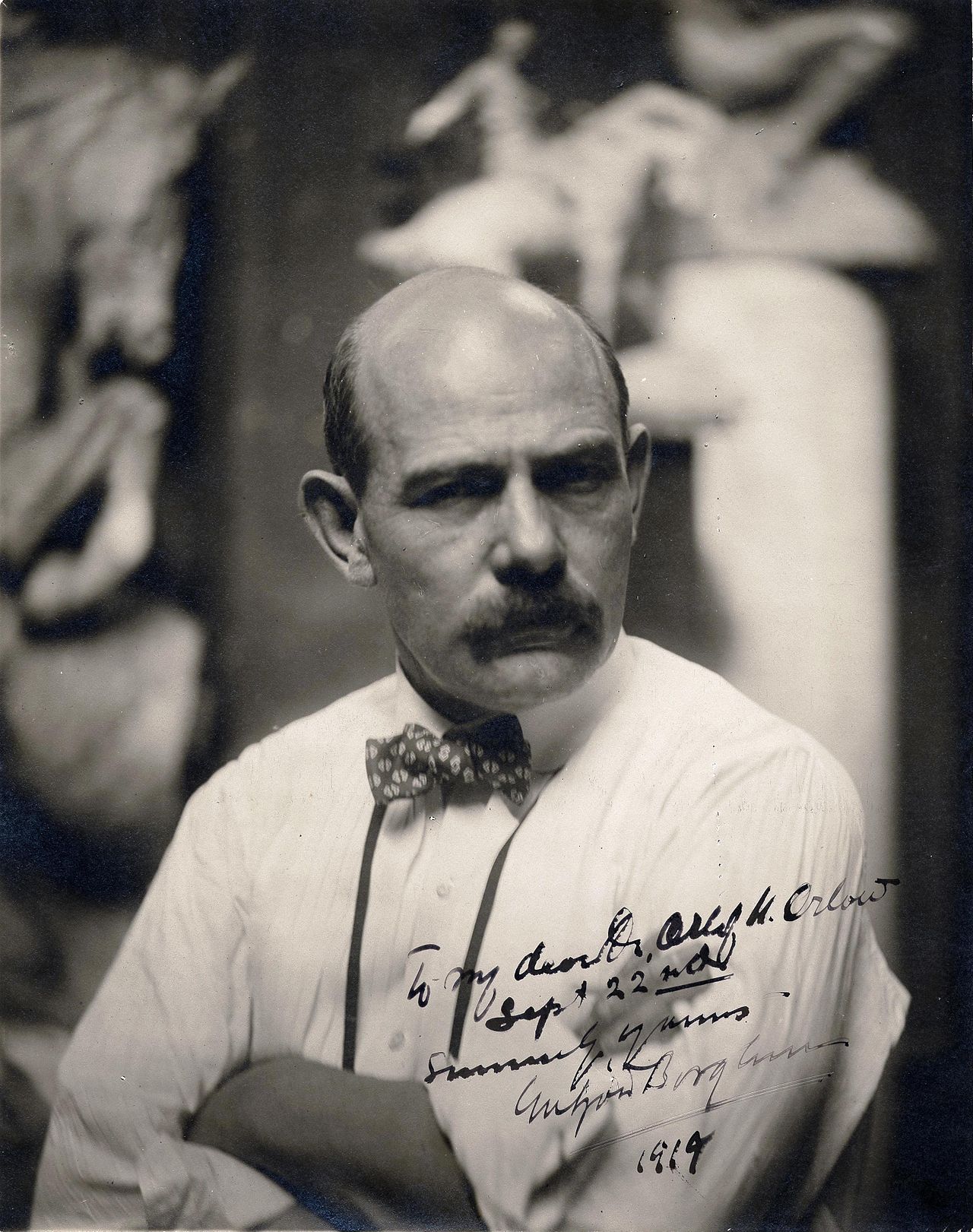
Designer & Sculptor Gutzon Borglum
A signed photograph from 1919.
4
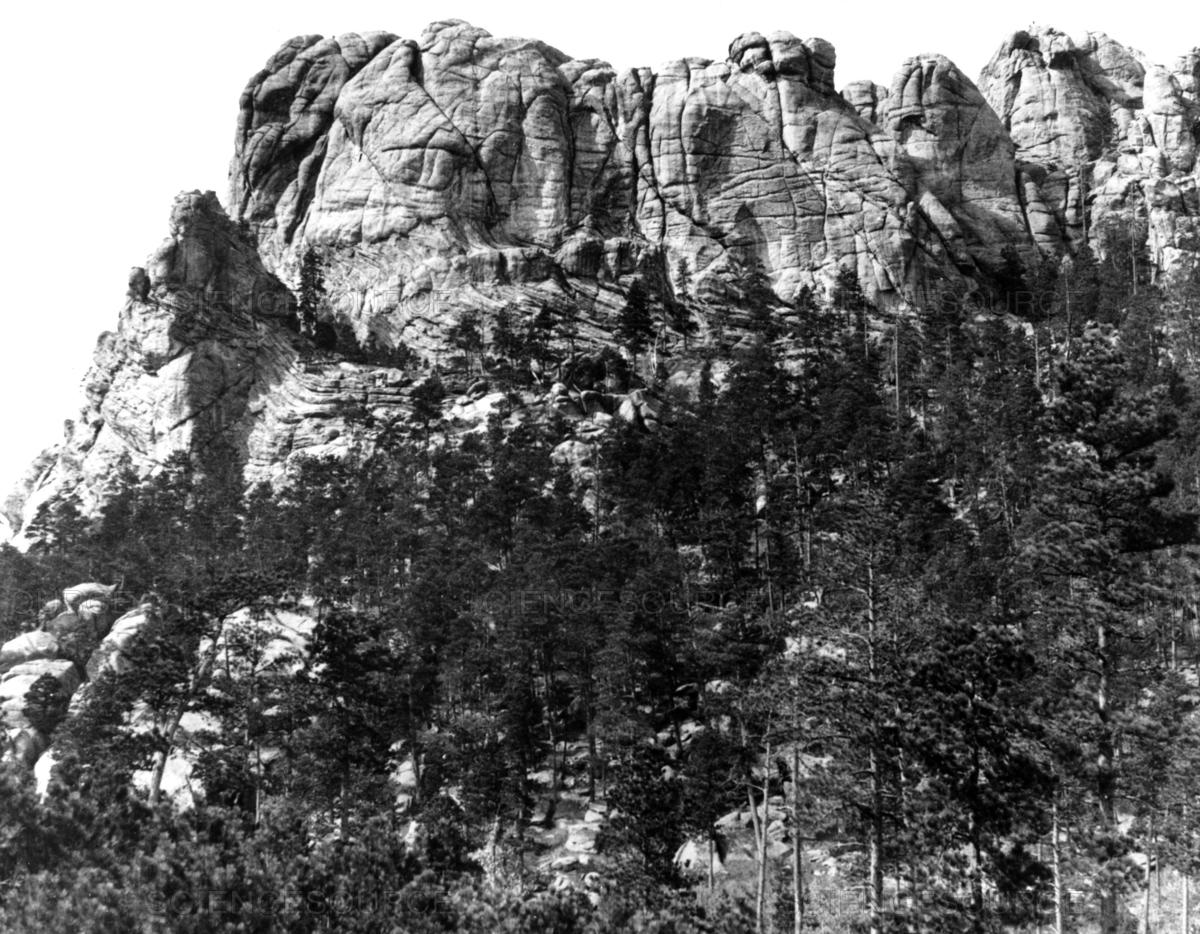
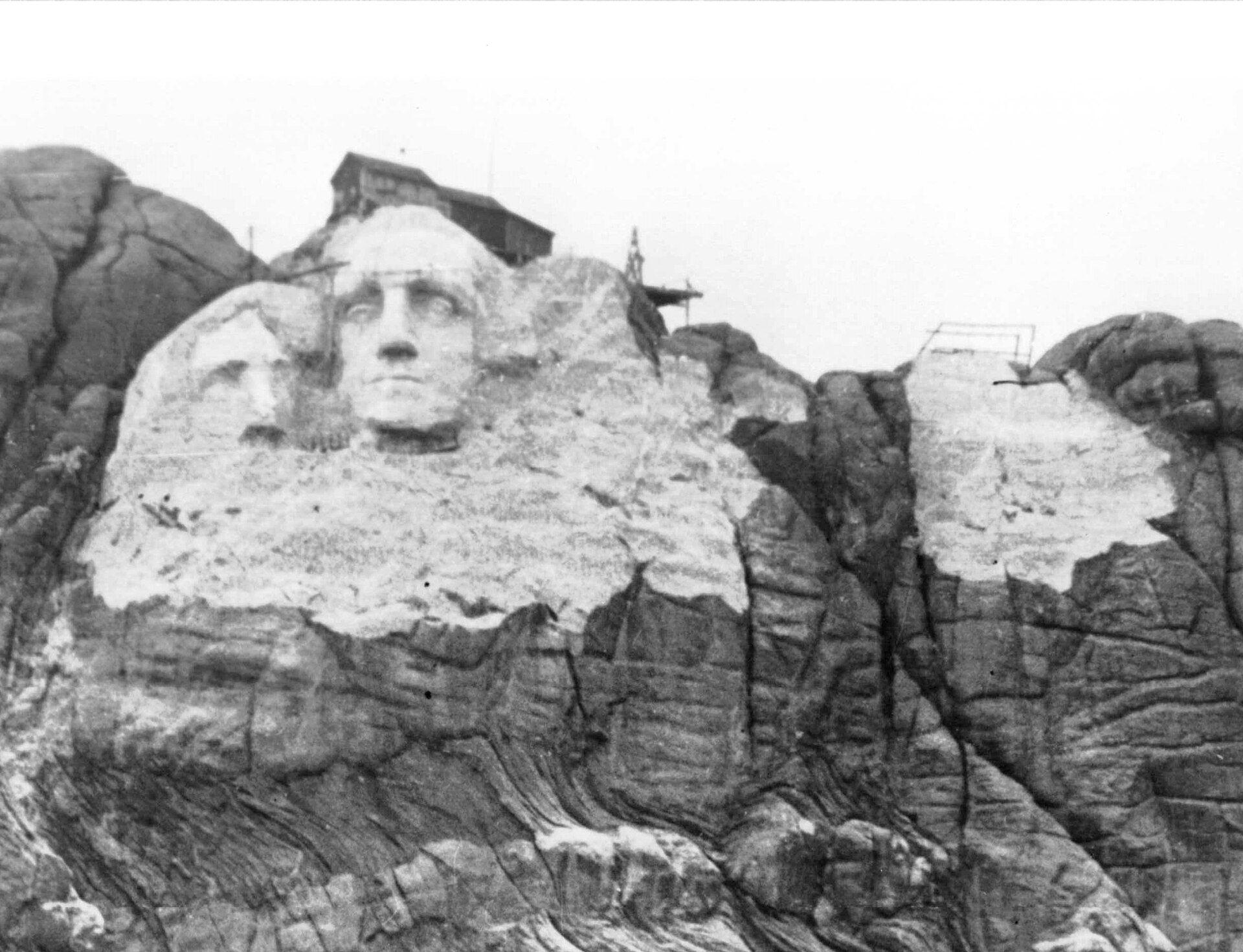
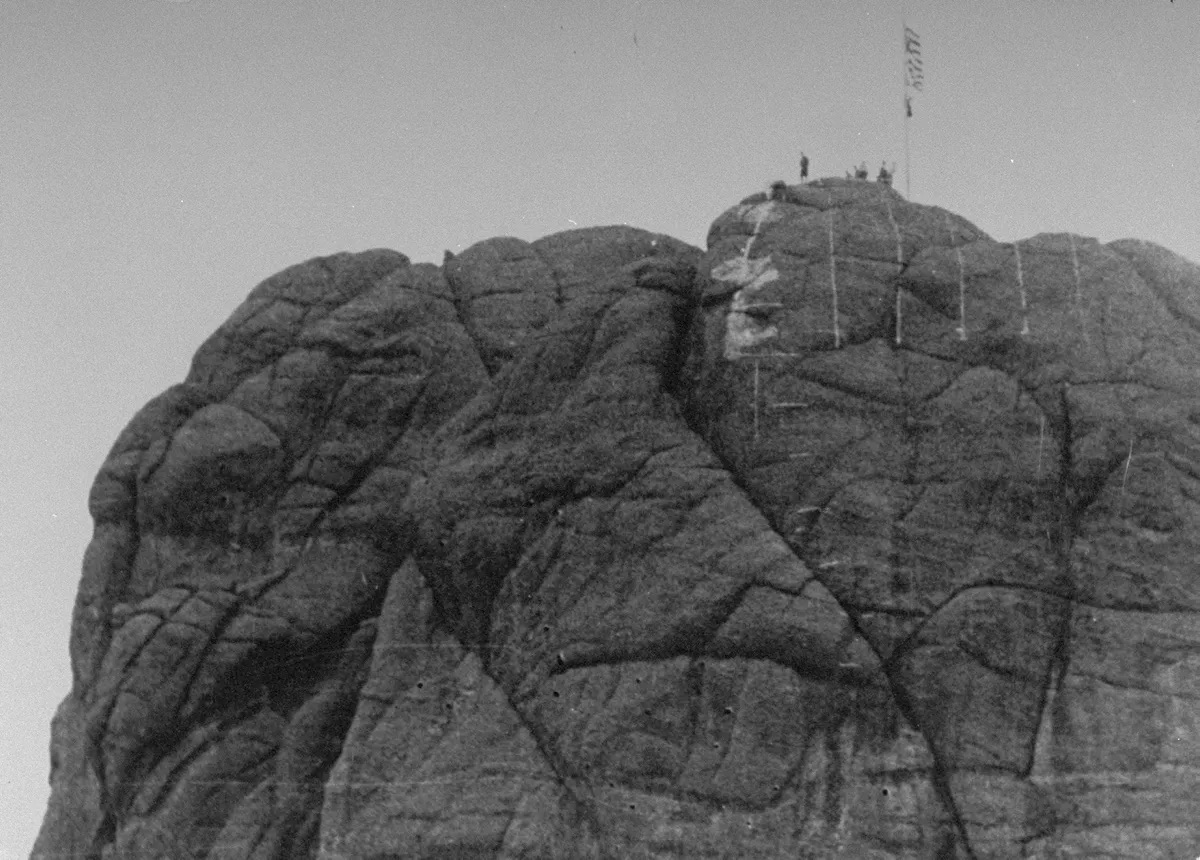
The Face of the Mountain
Before the faces of presidents.
5
The Completed Project
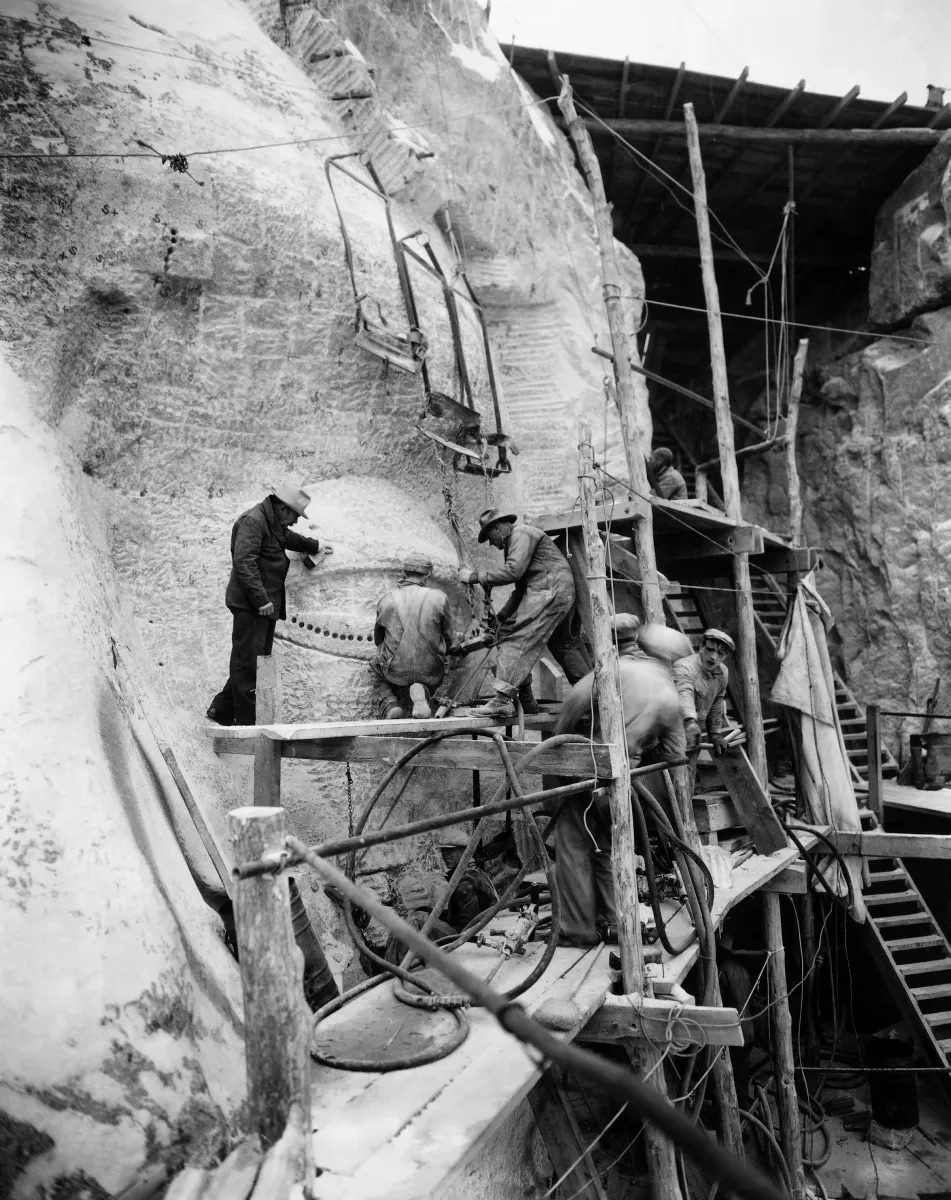
Around 400 workers helped Borglum sculpt the massive work of art, using dynamite, drills, and axes. In the end, more than 410,000 tons of rock were blasted off the mountainside. Surprisingly, there were zero fatalities.
6
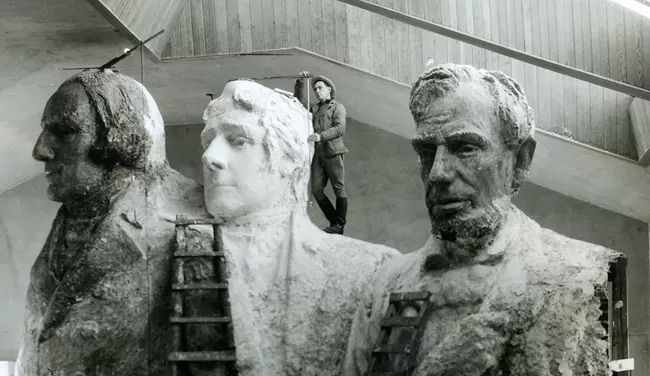
An early model of the design.
7
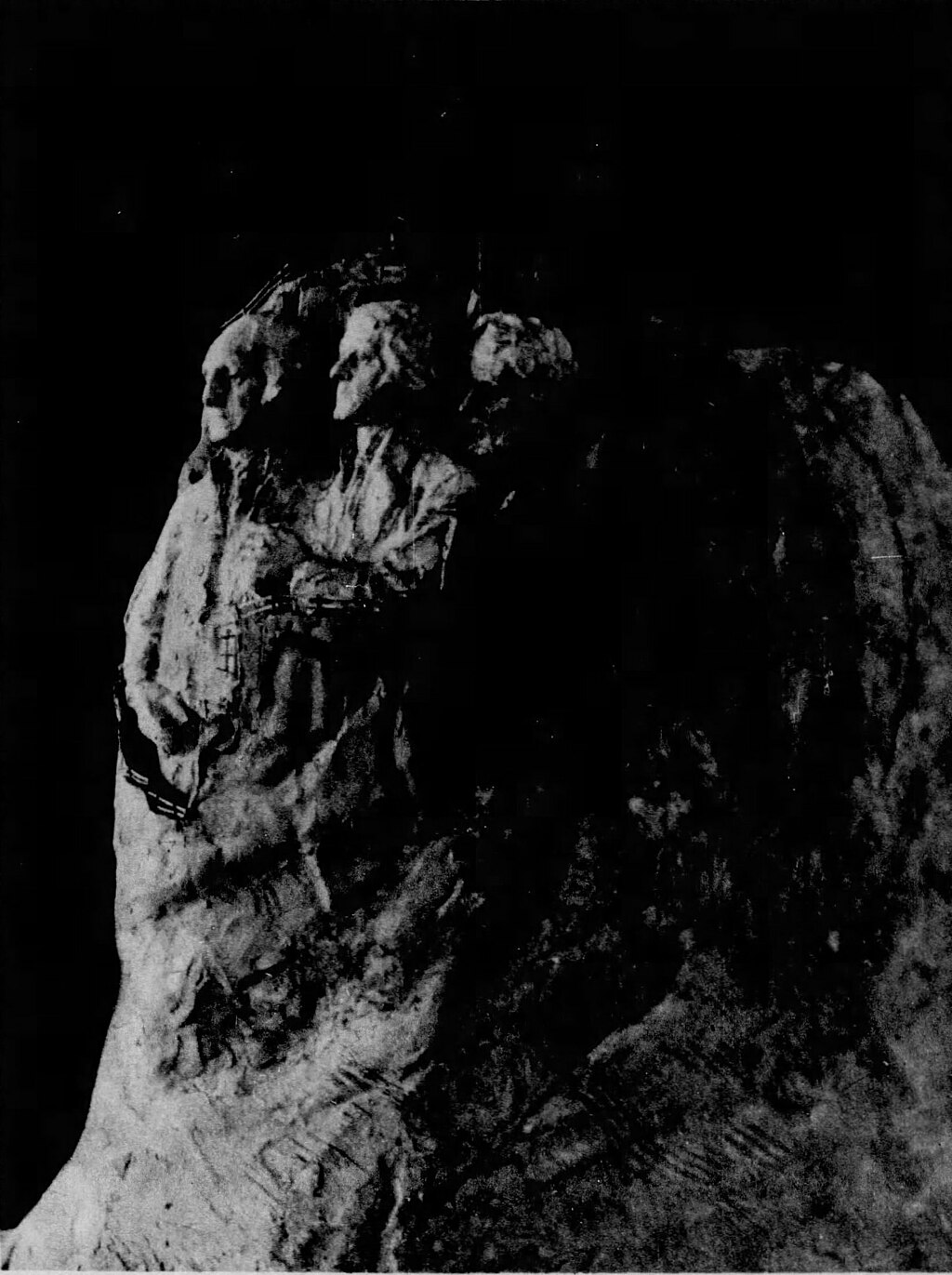
The Early Stages
An unrefined Washington and an early version of Jefferson before he ultimately ended up to the left of Washington.
8
Gutzon's son, Lincoln Borglum, standing on the scale plaster model with pointing equipment.
Lincoln would later lead the finishing touches after Gutzon's passing.
9
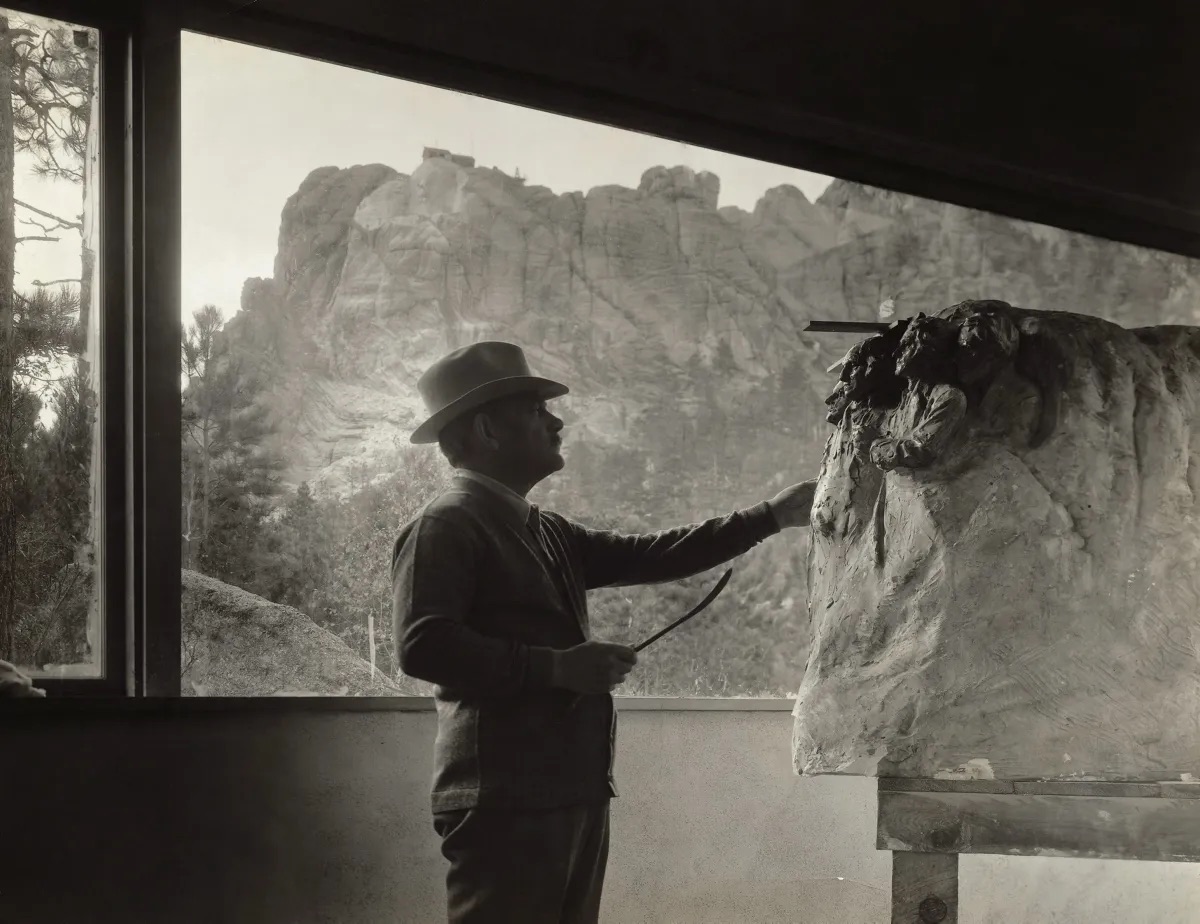
Gutzom Borglum working on his model in 1927.
An early vision of the faces.
10
Drillers at work on July 22, 1929.
Workers suspended in slings fastened with cables to the winches at the top of the mountain.
11
Workers stop to rest or chat details with some higher-ups.
12
Early Measurements
For scale and uniformity of the head sizes.
13
Borglum inspecting the work on Jefferson's eye.
Gutzon Borglum took his work very seriously and even had “oculists” work very carefully on the eyes to ensure they looked realistic. Jefferson was the second sculpture to be completed after Washington.
14
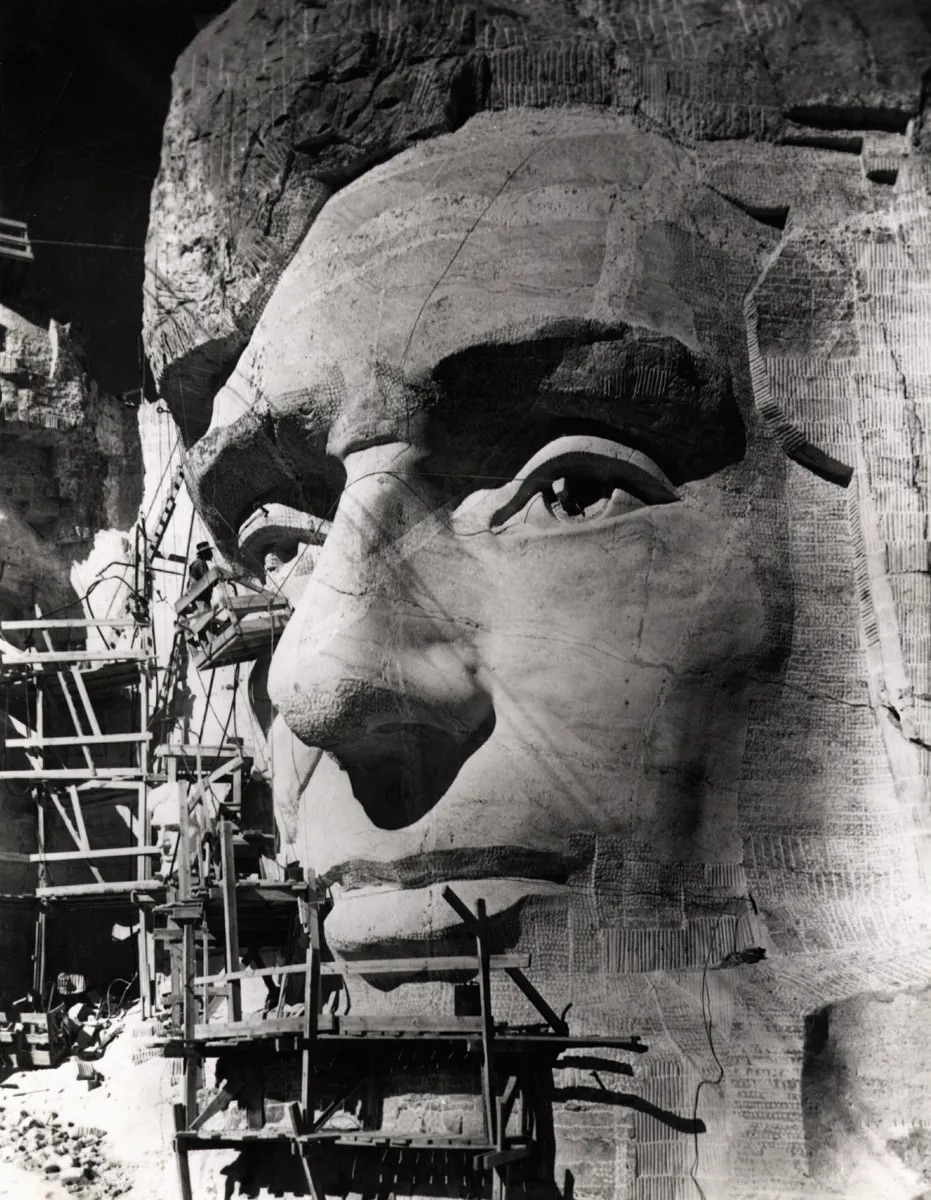
Refinements
Workers carefully add detail to the eye of Abraham Lincoln in this photo from 1937.
15
Gutzon Borglum oversees the work.
It's truly amazing that not a single worker died during construction.