Today, we have synthetic meat and microplastics in all of our meals, but back in the day, it was a lot worse.
In ancient Rome, the closest thing they had to ketchup was a gooey, black, fish sauce. In Iceland, Inuit cultures ate walrus flippers and puffin hearts. England hasn't improved much of their cuisine, but they've come a long way from one of their previously favored snacks, jellied eels.
If history has taught us anything, it's that the lives of our ancestors were terrible - and this includes what they had for dinner.
1
Stuffed Camel
Across the Middle East, entire camels were stuffed with lamb, chicken, and rice, then roasted.
2
Blood Pancakes
In Finland, pig’s blood is mixed into batter to make pancakes.
3
Pickled Walrus Flippers Among
Inuit communities in northern Canada had walrus flippers pickled underground for months.
4
Puffin Heart
In Iceland, young hunters sometimes ate the raw heart of a freshly caught puffin as a rite of passage.
5
Ambergris
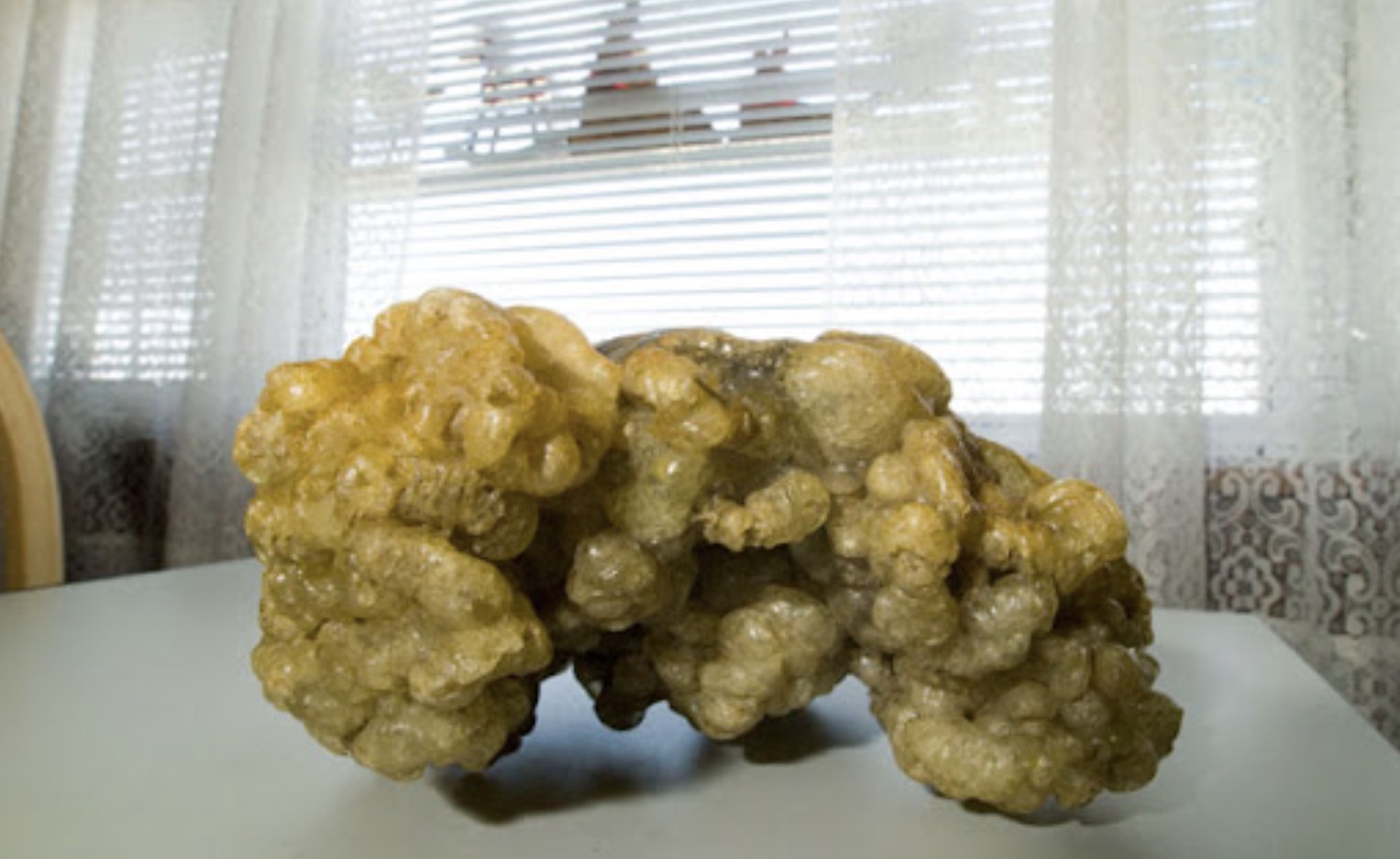
In 17th-century France, wealthy Europeans flavored food with ambergris, a waxy substance from whale intestines.
6
Frog Smoothies
In parts of Peru, whole frogs are blended into smoothies and sold as energy drinks.
7
Jellied Eels
In 18th-century England, especially London, chopped eels were boiled and cooled into a jelly.
8
Beaver Tail
In colonial America, roasted beaver tail was considered a delicacy
9
Century Eggs
In China, duck or chicken eggs are preserved in clay and ash for weeks until the yolk turns green and the white turns black.
10
Snake Soup
For centuries in China, snake soup made with shredded meat and herbs was served as a winter remedy.
11
Cheese with maggots
In Sardinia, Italy, casu marzu is a cheese intentionally infested with maggots
12
Garum
The Romans made garum, a fish sauce brewed from rotting innards, and used it like modern soy sauce.
13
Calf’s Foot Jelly
In Victorian England, calves’ feet were boiled down into a gelatinous dessert.
14
Shark Hákarl
In Iceland, fermented Greenland shark is still buried, hung to dry, and eaten.