Almost everything in our modern world seemingly has a scientific explanation. But you might be shocked to learn there are basic things that still frustrate scientists to this day. There are so many things crucial to our understanding of the universe that are built on top of a foundation of “it just works, somehow."
The most surprising part of these scientific question marks is how obvious they seem. Most of the unsolved quandaries in the field of science seem to be very straightforward and simple.
That makes it all the more puzzling. Despite the best efforts of the world’s full force of researchers, these simple mysteries remain eternally unsolved.
1
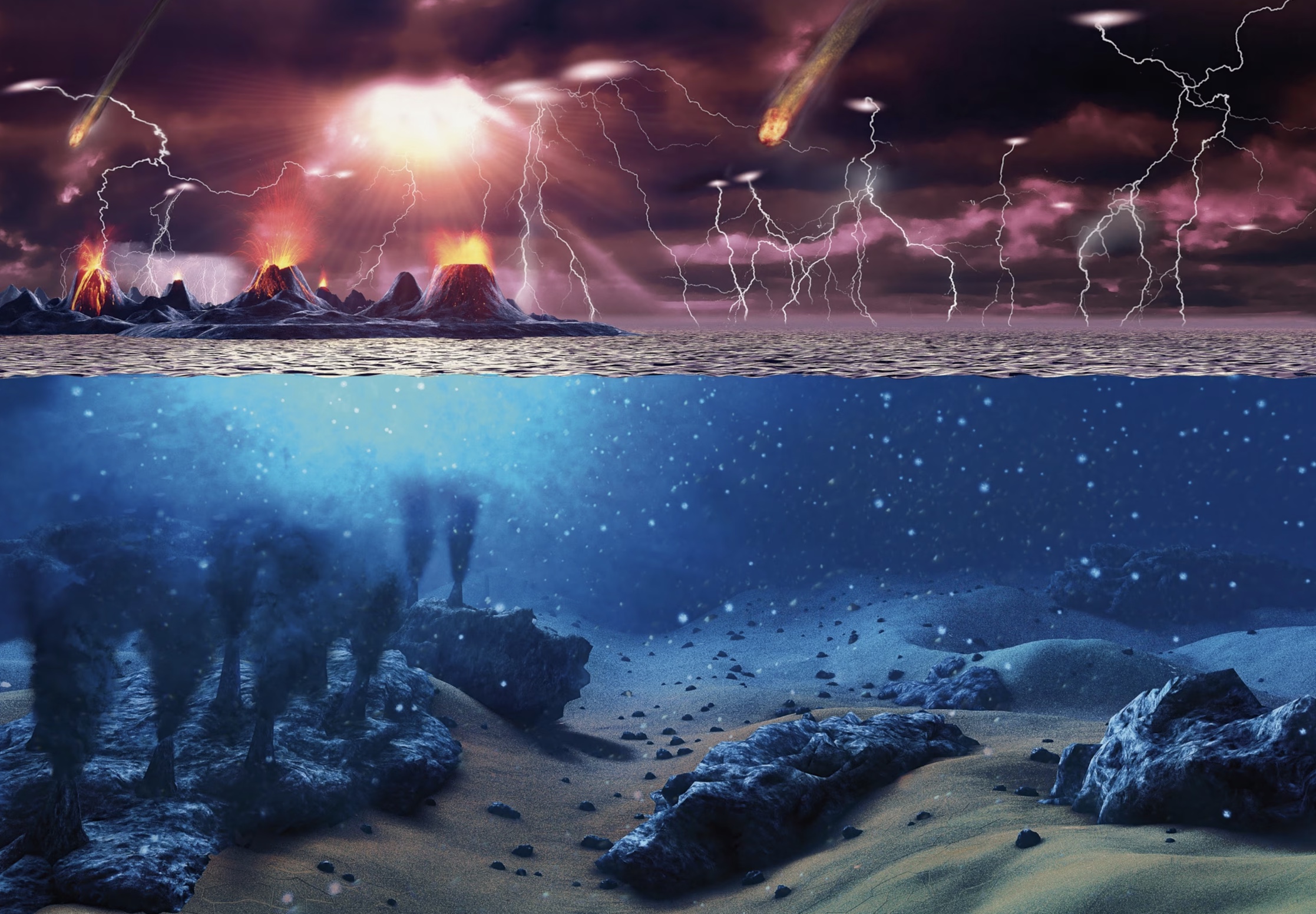
Life’s beginning
Scientists don’t really know how life started on our planet. Of course, there are plenty of theories, ranging from dry and scientific to completely X Files-style bonkers. But nobody has definitively figured out how the Earth went from a barren world to a thriving ecosystem.
2
Animal migration
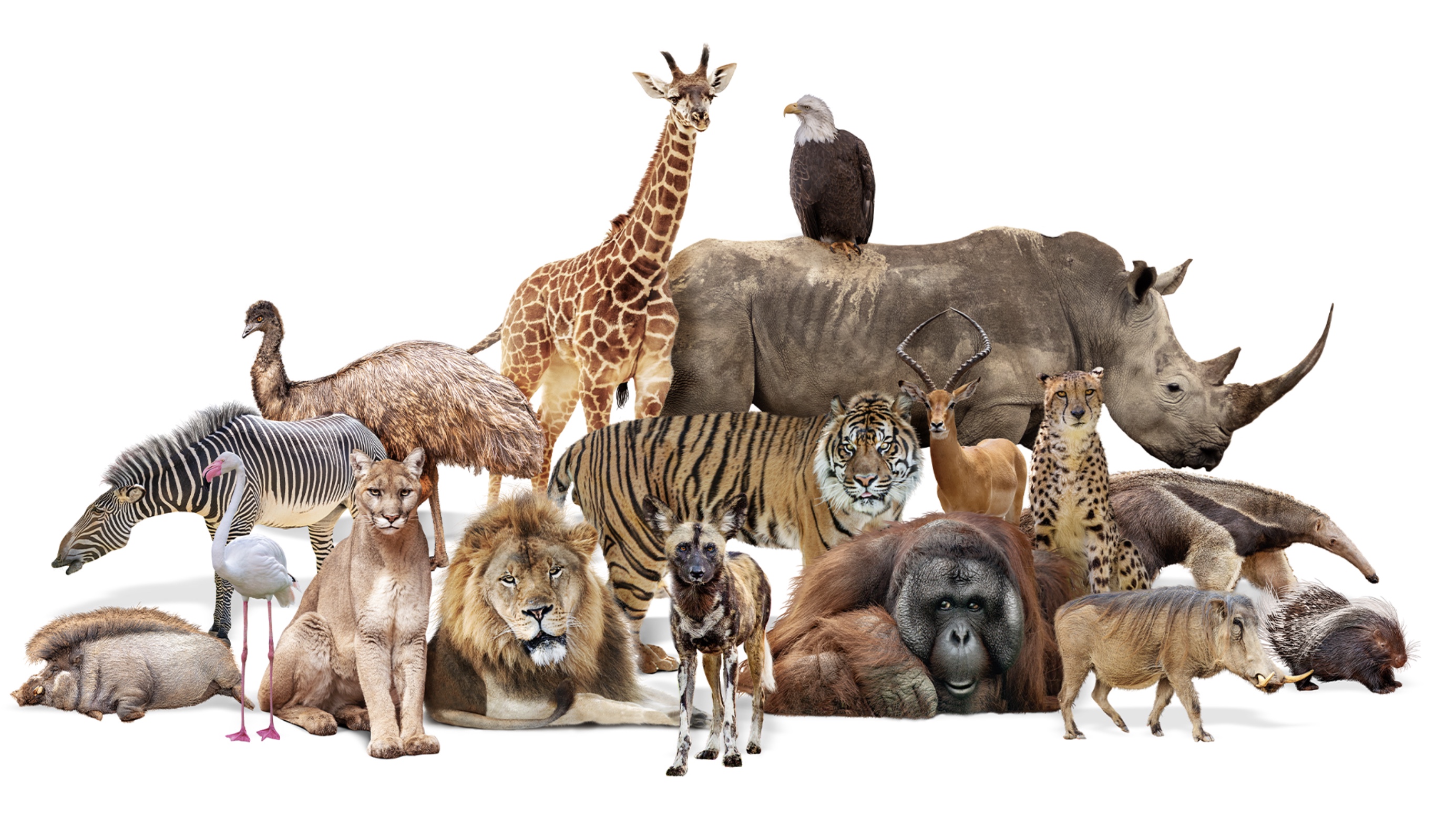
Many animals can and do migrate back to their birthplaces to mate, with stunning accuracy. Some Antarctic seals can return to within 6 feet of their birth location to breed. How are so many animals able to do this? And why exactly do they do it? Scientists are in the dark.
3
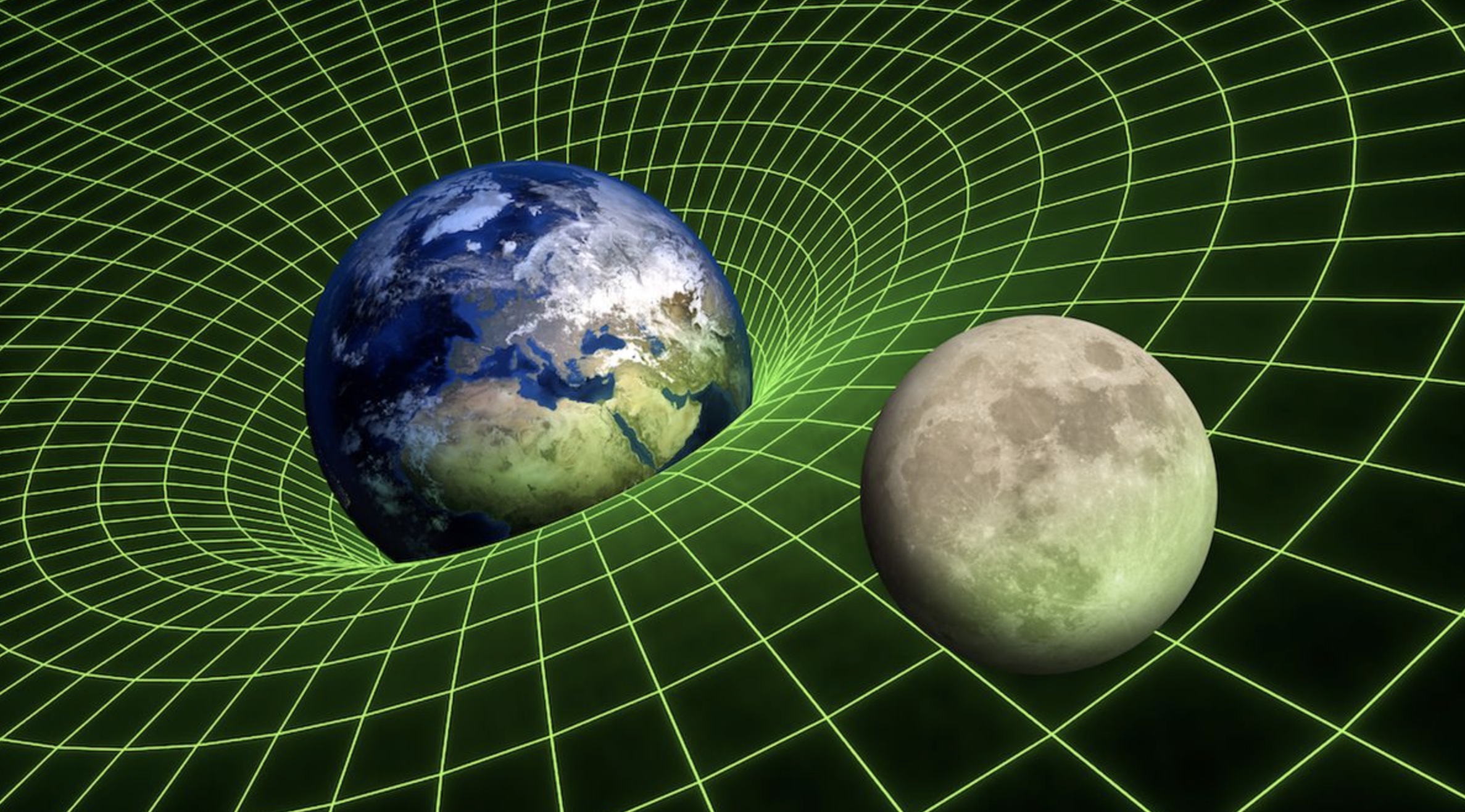
Gravity
Science understands gravity on a large scale, but is still confused by its underlying mechanism. Researchers today are looking for a quantum theory of gravity to explain its behavior. Until this massive mystery of physics is solved, we won’t be able to solve many questions about the universe.
4
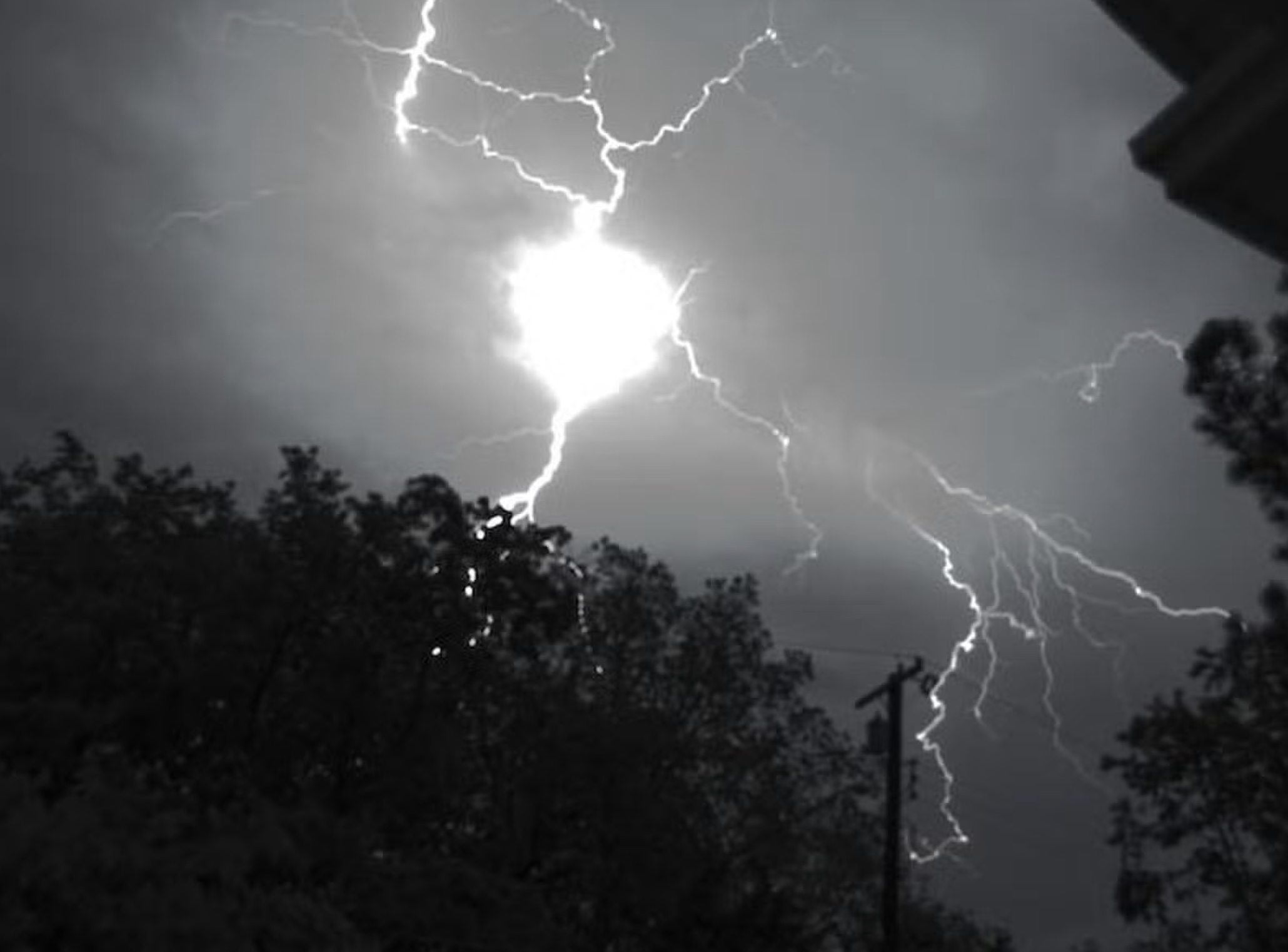
Ball lightning
Ball lightning is an extremely rare spherical form of lightning that hovers eerily during storms. When it does appear, it’s only for a brief moment, and scientists can’t reliably reproduce it. What exactly it is, how it happens, and why, remains a mystery.
5
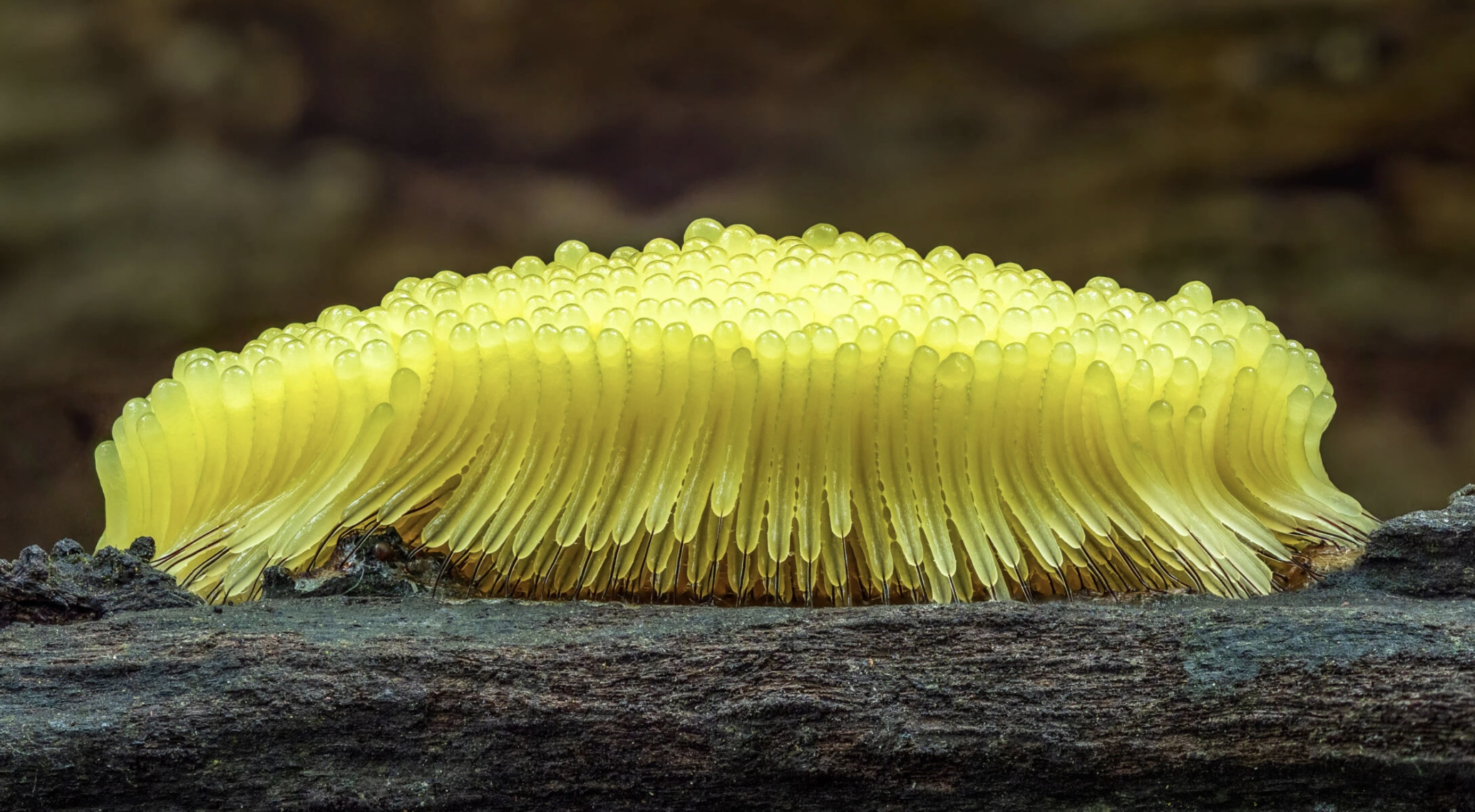
Slime molds
Slime molds are single-celled organisms that are able to fuse together into a large mass that seems to be capable of thought. They can keep track of time, solve mazes, and make risk-benefit decisions, all without a brain or even a single brain cell. Science isn’t sure where their intelligence arises from, because it has to be something completely different from humans.
6
Alzheimer’s
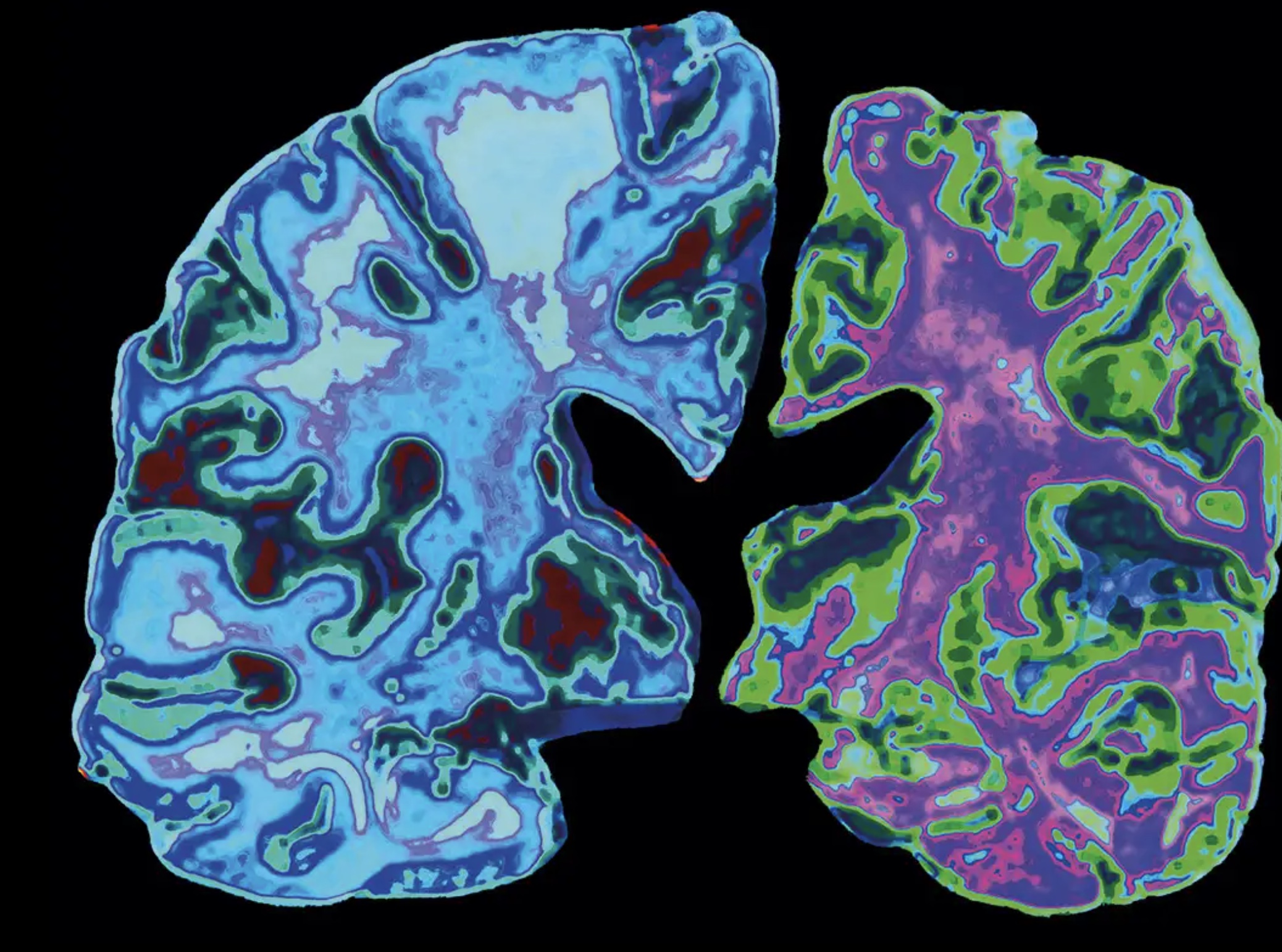
The medical field is filled with question marks, and Alzheimer’s disease is a big one. Researchers are still working out the cause of this neurodegenerative illness. The prevailing theory is that it’s caused by a buildup of proteins called amyloids, but clearing amyloids doesn’t seem to combat the disease.
7
Tylenol
Another medication that science isn’t sure exactly how it works. It works how people need it to, and it seems pretty safe, so science just shrugs. It would likely not pass regulatory testing today, but people use it constantly, so oh well.
8
Aging
We obviously can tell that our bodies and minds change as we age, and many contributions to this process have been discovered and studied. But the full mechanics of the aging process are yet to be totally understood by science. We know some of the factors, but not even close to all of them.
9
Crying
There is a measurable difference between tears produced by emotion and tears produced to remove foreign substances from the eyes. The former type is a puzzle to biologists. Sure, we know why we cry– because we’re sad. But evolutionarily, scientists have no idea why that’s the case.
10
Anesthesia
We know that anesthesia works, and we trust in it enough that hospitals use it constantly, but science still isn’t exactly sure what the mechanism is that makes us go into a sleep-like state. We know vaguely that it has to do with lipid clusters, but that is a recent development and also likely not the whole story.
11
Species
By some estimates, we’ve accounted for only about 15 percent of the total number of species on Earth. That means the vast majority of life still remains to be classified, defined, and studied. We’ll probably never know exactly how many species roam the planet, because they are vanishing all the time.
12
Consciousness
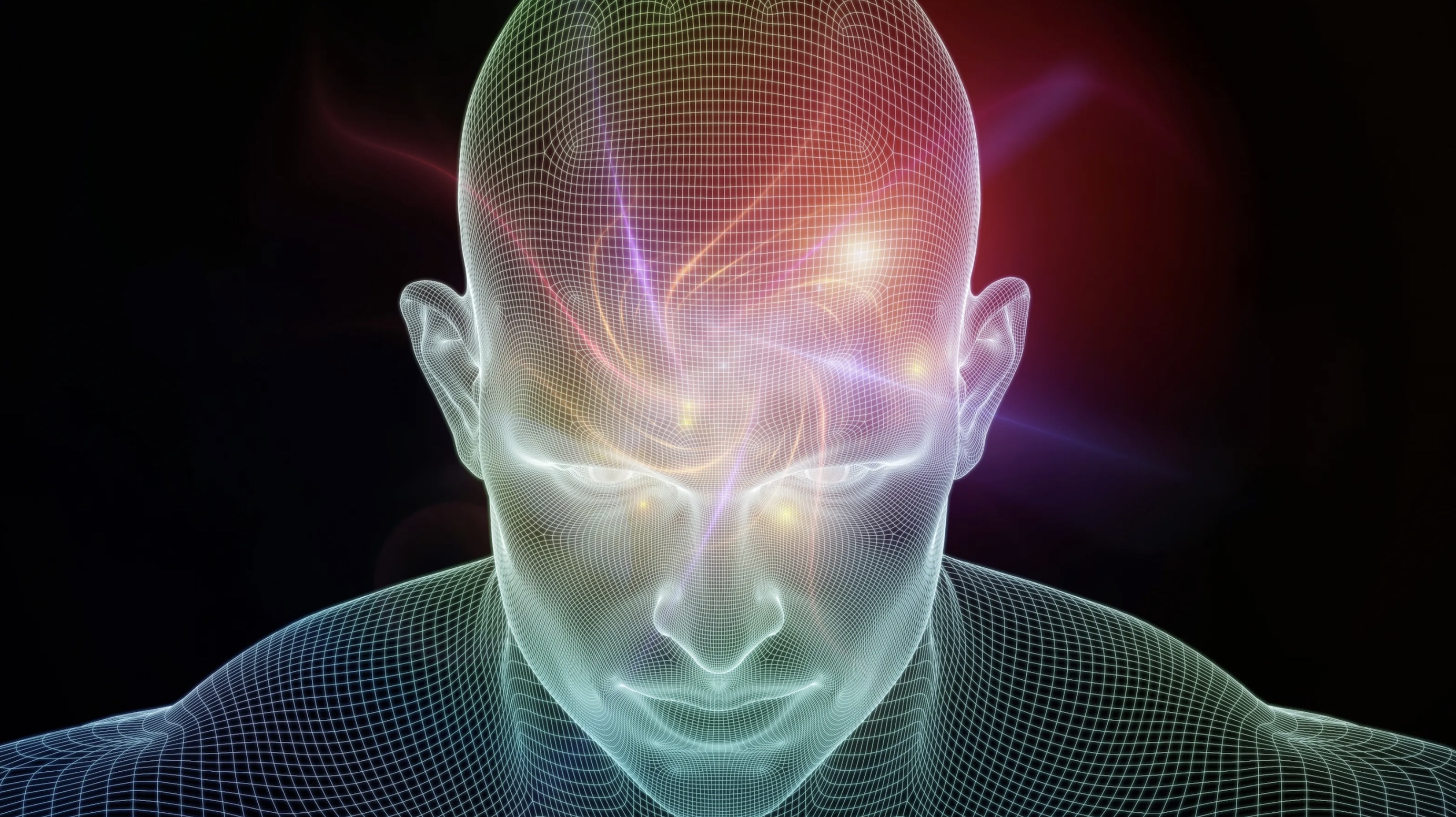
Though it may sometimes seem otherwise on social media, humans are self-aware. What consciousness actually is and what it arises from and how it works are some of the greatest mysteries still unsolved by science.
13
Dreams
Science is not sure why people dream. Sleep scientists know when it happens and that it happens (big whoop, I do too) but aren’t sure what function it serves in the brain. Some theories claim it’s a way to sort and file information, while others say it’s to release stress. But no one knows for sure.
14
Metamorphosis
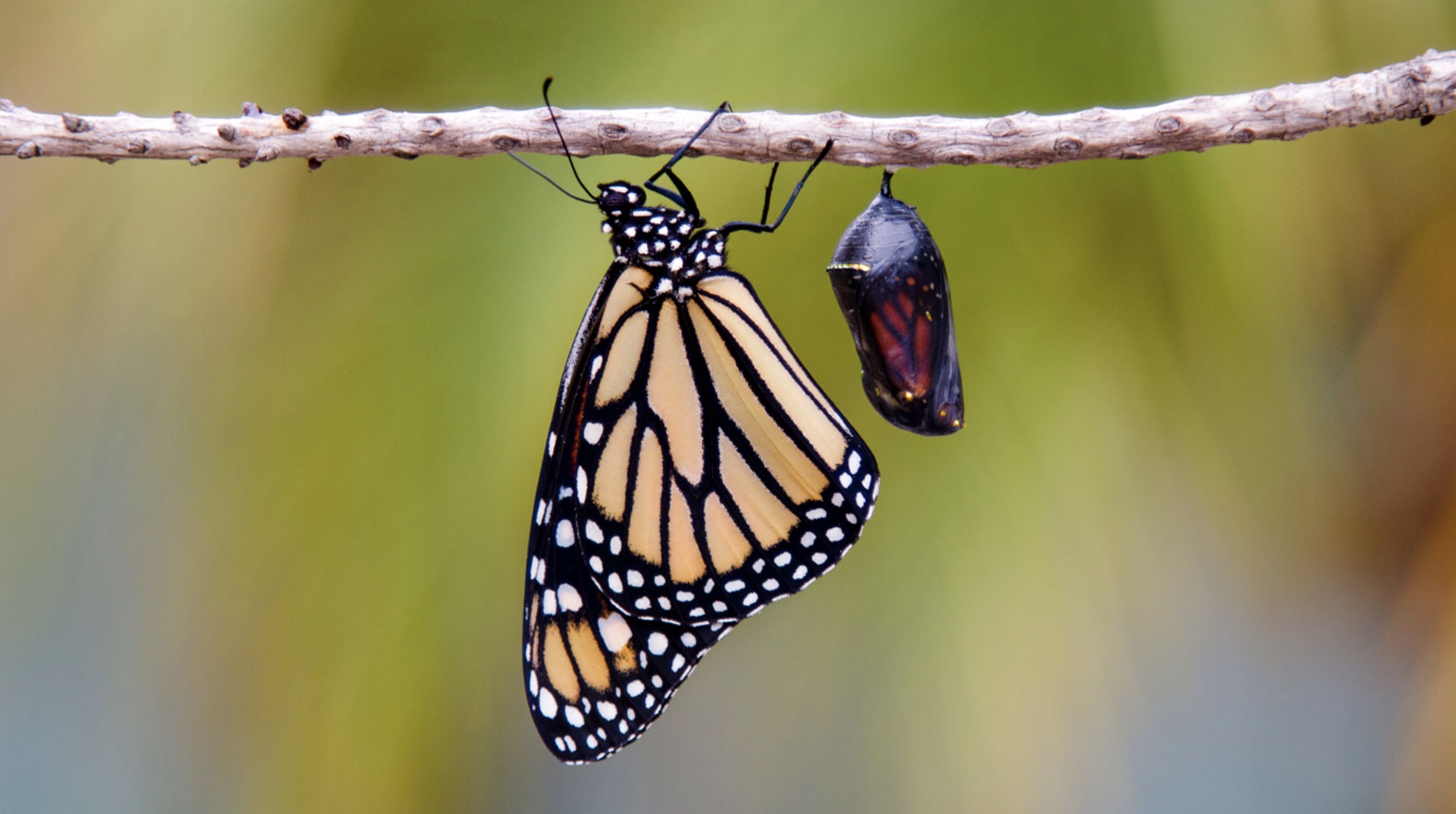
Scientists are still scratching their heads about what exactly goes on inside a chrysalis. Somehow a caterpillar turns into an ooze and then into a butterfly. I don’t blame scientists, this one seems pretty crazy.
15
Dolphins and whales
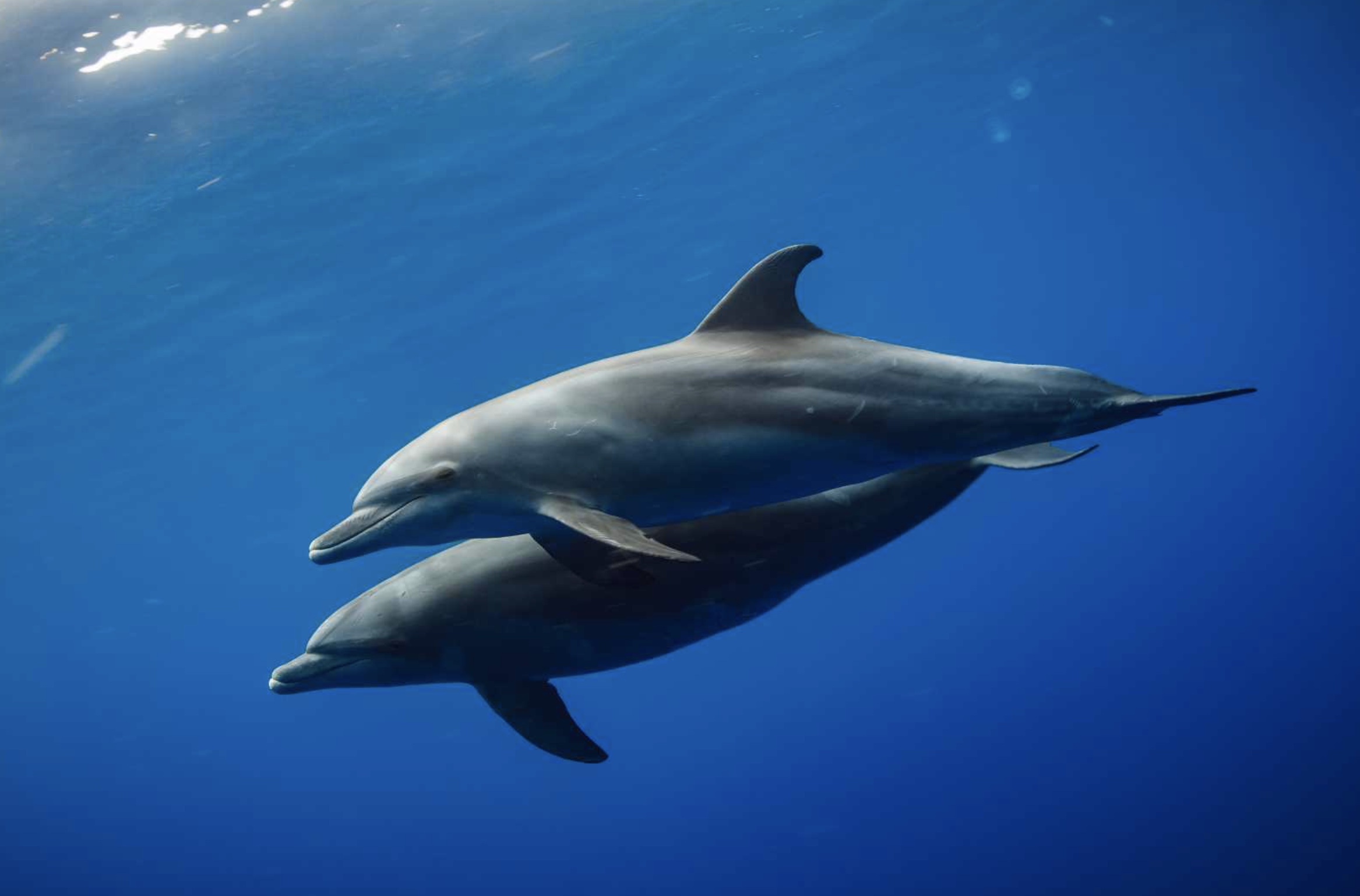
We know that dolphins and whales make sounds to communicate with each other. These sounds can travel huge distances, and different pods of orcas even seem to have their own separate dialects. Despite knowing all this, we are unable to figure out what any of their sounds mean.
16
Smell
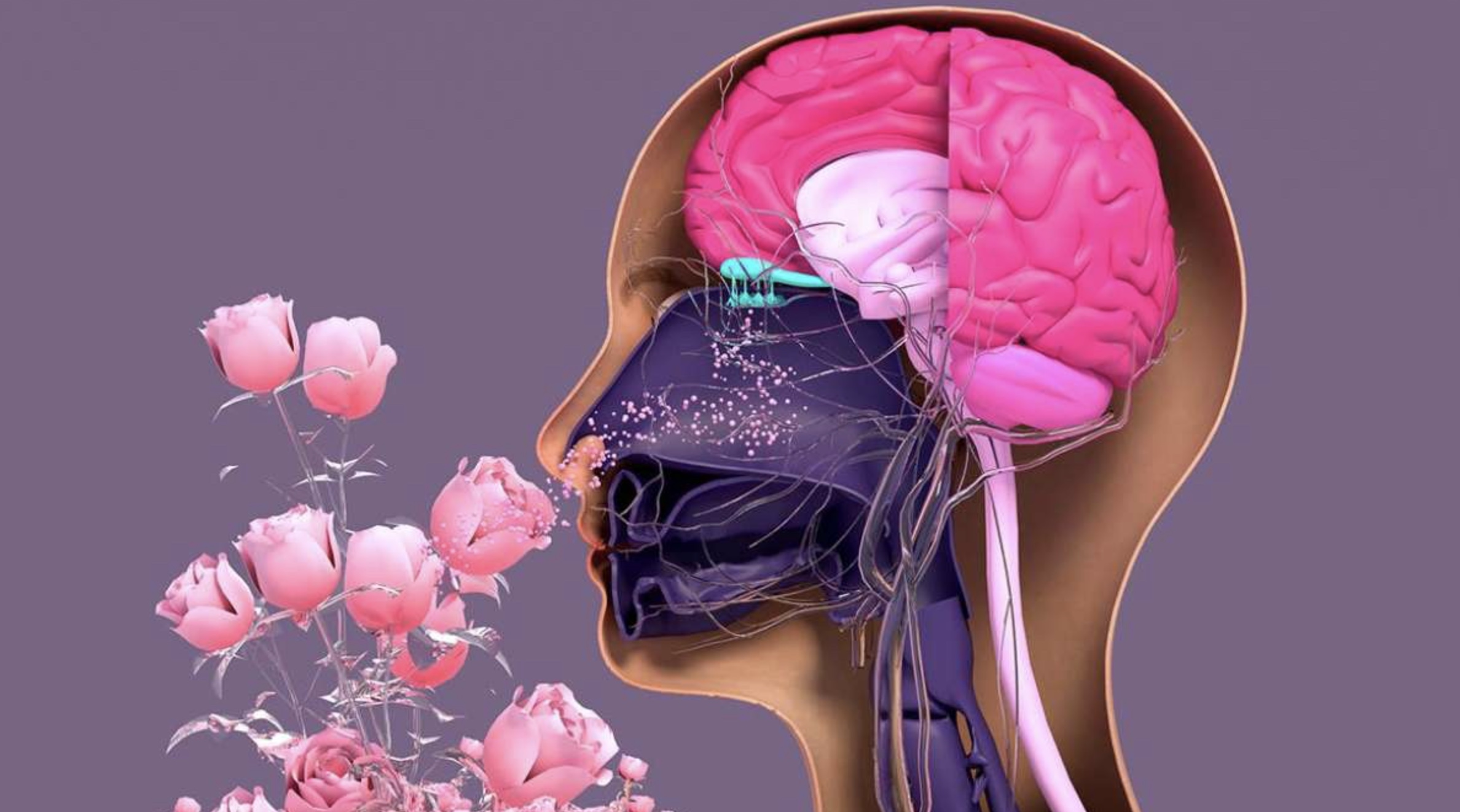
We are still not sure how exactly smell works. We know that receptors in the nose pick up molecules from the air, but science has no idea how that is translated to the sensation of a smell in the brain, or why some people like some smells while others can’t stand them.
17
Cats
Scientists still don’t know exactly why cats purr. Hey scientists, I have a pretty good idea. It’s because you’re giving them a belly rub.
18
Eels
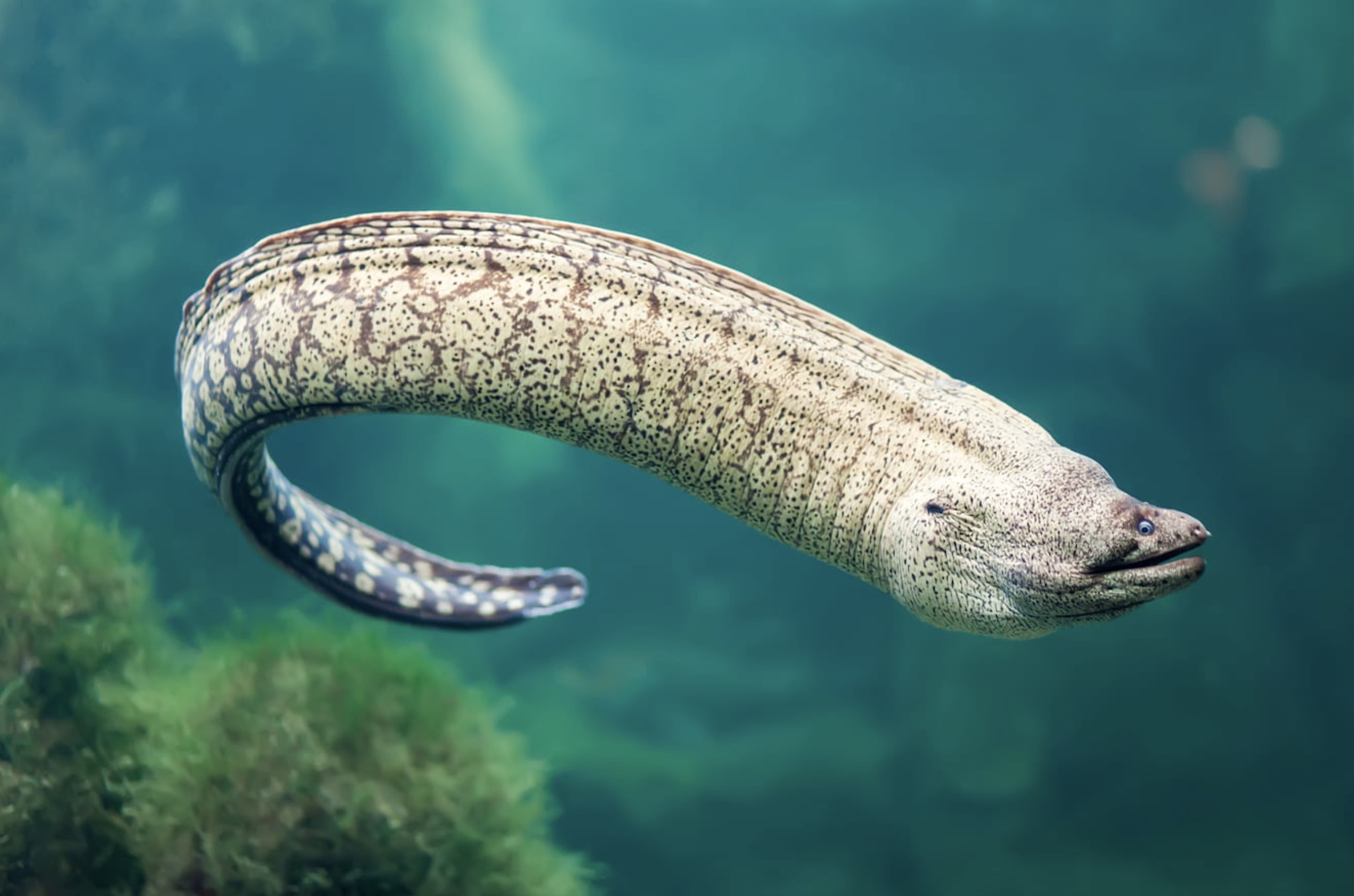
Scientists don’t know how eels reproduce. They know THAT they reproduce, and that they migrate to do so, but don’t know where they go or how they get there or what the reproductive process is like. Most eel species have never been observed spawning in the wild.