This is the wild laboratory of the 1980s, a time when brains were big, budgets were bigger, and experiments were launched with the confidence of someone microwaving a Pop-Tart for the very first time. This was the era when imagination sprinted past common sense wearing neon sweatbands.
You’ll see gems like NASA’s aircraft vortex-wake experiments, where engineers basically asked: “What if we stirred the sky… on purpose?” Then there was Project Excalibur, a plan so bold it sounded like it was drafted by a teenager with a laser pointer and a dream. And, the Atlanta gene therapy trial, a moment when medicine tiptoed into sci-fi territory armed with hope and maybe too much ambition.
Click through and witness the decade when curiosity flexed hard, caution took a vacation, and the future felt one switch-flip away from pure magic or pure mayhem.
1
Baby Fae’s Baboon (1984)
Loma Linda surgeons transplanted a baboon heart into Stephanie “Baby Fae” Bauman to save her life. She survived only 21 days, raising global ethical debates about animal-human transplants and informed consent.
2
Soviet Biopreparat Expansion After Sverdlovsk (1980–1989)
Despite the 1979 anthrax leak, the USSR intensified its classified Biopreparat program in the ’80s, engineering pathogens at massive scales. Defectors later revealed just how far the biological weapons research had gone.
3
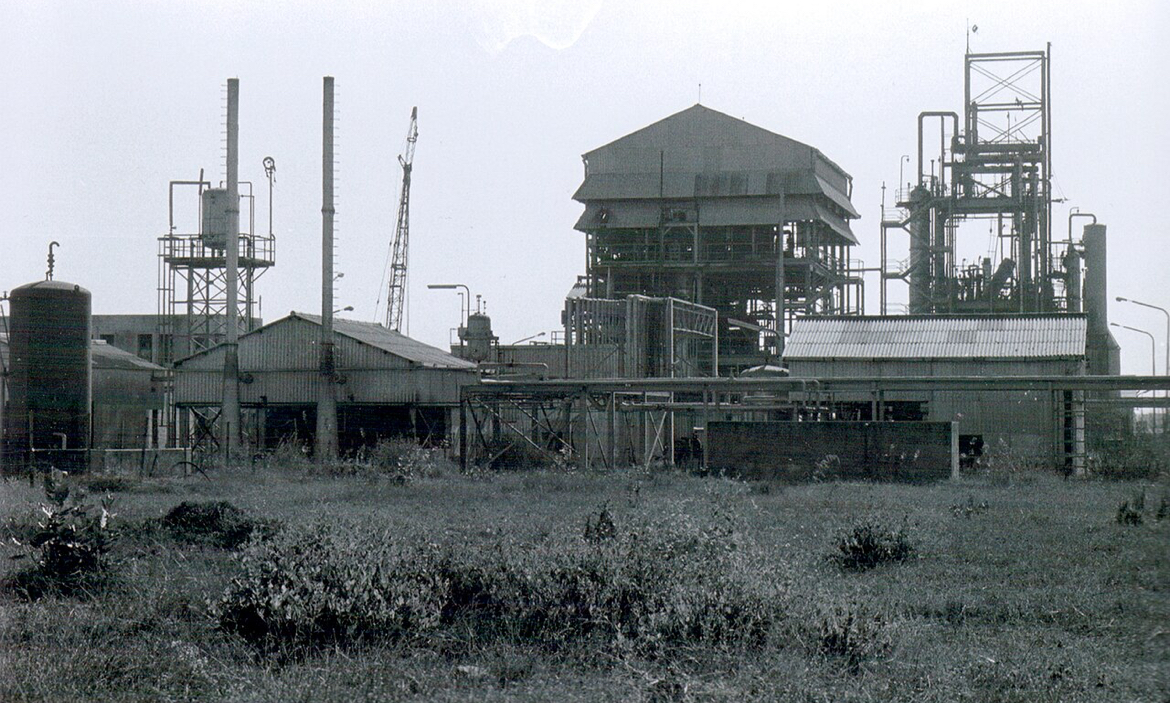
The Bhopal Pesticide Catastrophe Testing Fallout (1984)
After the Union Carbide chemical disaster, investigations revealed lax safety experiments and insufficient toxicity testing of methyl isocyanate. The incident became a symbol of industrial experimentation with catastrophic consequences.
4
Trials in Brazil’s Favelas (1980s)
Several pharmaceutical companies tested new antibiotics and vaccines in impoverished Brazilian communities with minimal oversight. Reports surfaced of participants not being fully informed of risks.
5
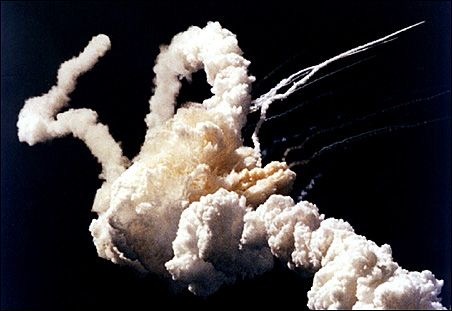
The Challenger O-Ring Testing Failures (1986)
NASA’s flawed testing and ignored engineering warnings about O-ring performance in cold temperatures led to the Challenger expl0sion. It exposed a culture of experimental risk-taking without sufficient safety protocol.
6
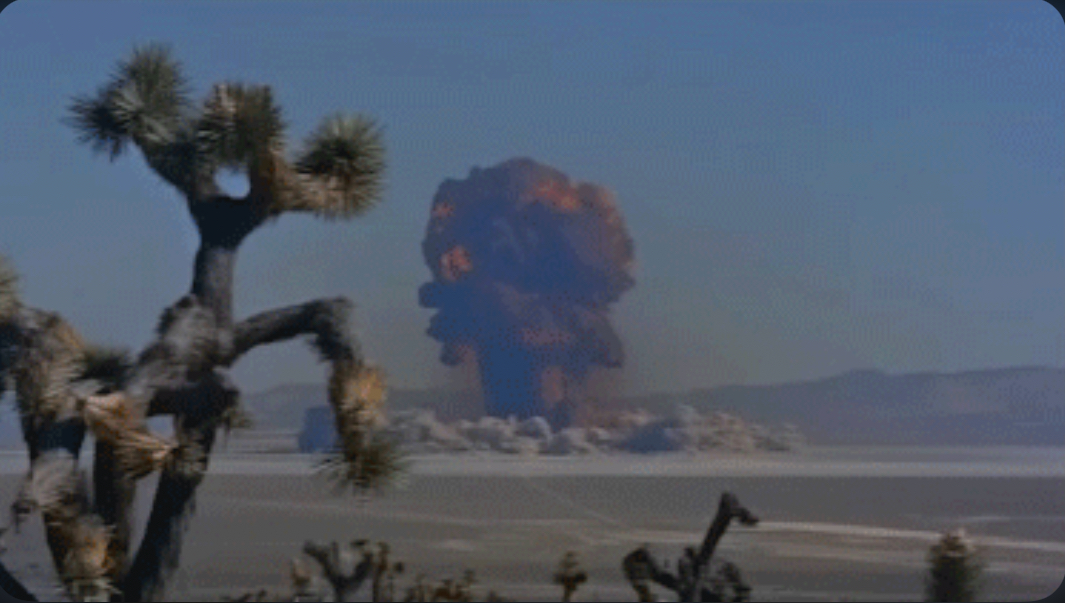
Operation Plumbbob Fallout Studies Released (1980s)
Declassified files in the ’80s exposed how prior U.S. nuclear test programs (including Plumbbob) had involved tracking radiation exposure on unwitting civilians and soldiers, fueling public outrage and health investigations.
7
The Atlanta Human Gene Therapy Trial (1988)
The trial raised ethical questions about unknown long-term effects and the balance between scientific ambition and patient protection.
8
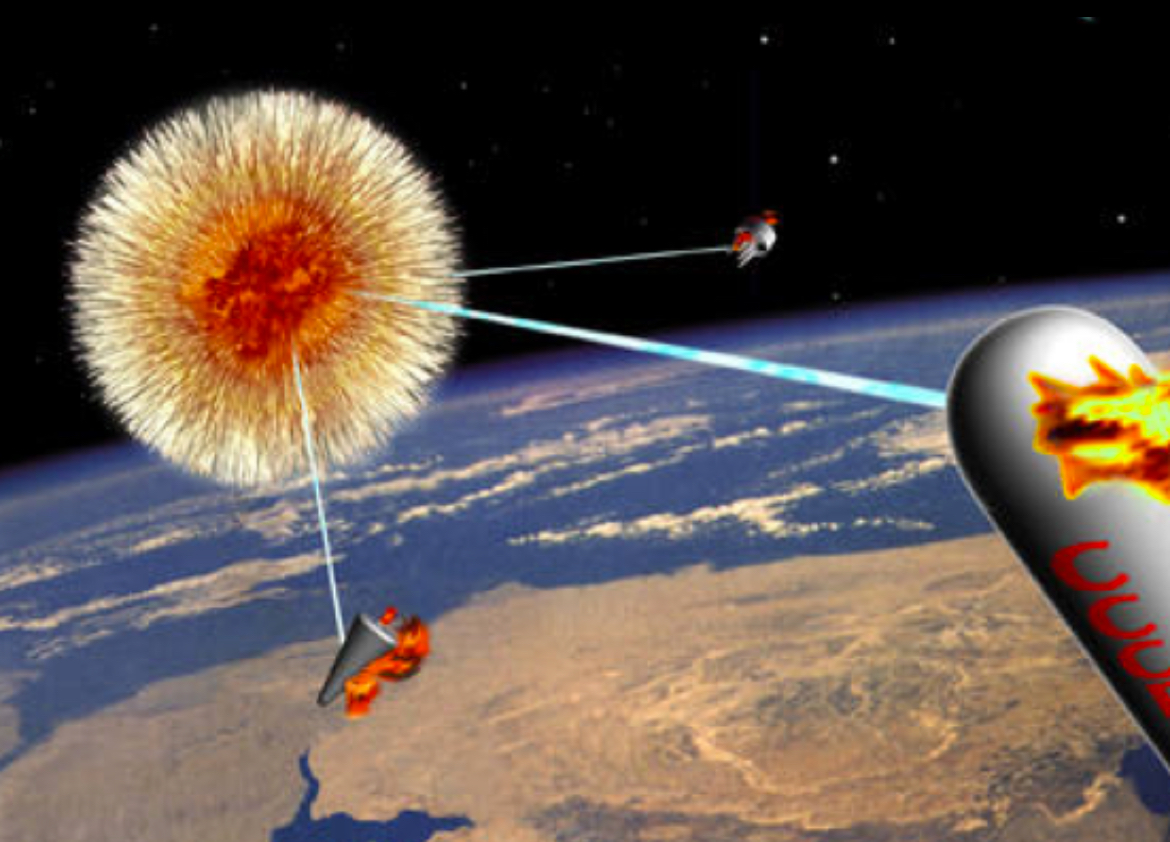
Project Excalibur (1980s)
A Reagan-era Star Wars (SDI) project exploring nuclear-powered X-ray lasers in space. Technically fascinating, strategically wild.
9
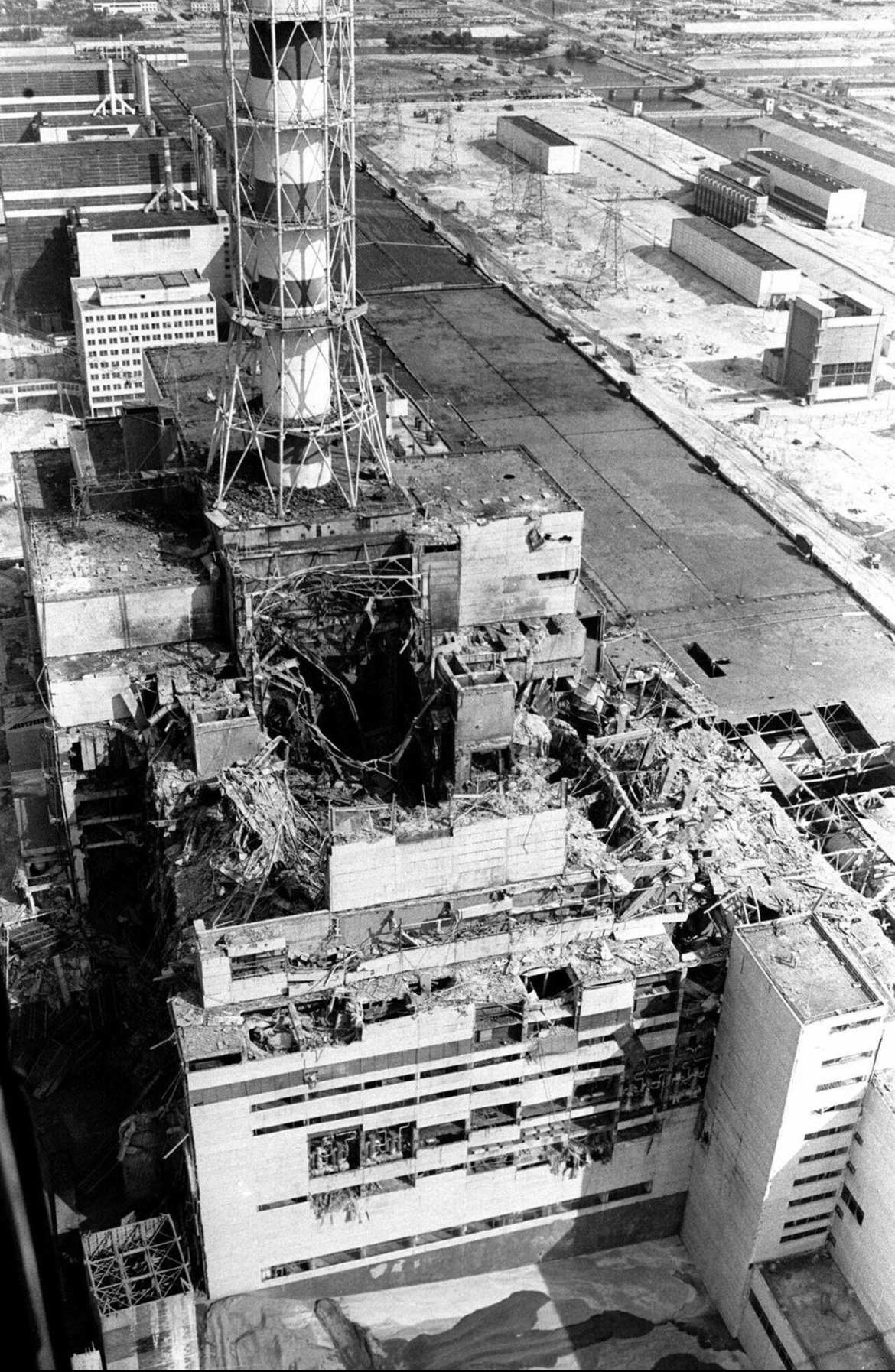
The Chernobyl Emergency Bio-Monitoring Program (1986)
After the nuclear meltdown, Soviet scientists tested acute-radiation protocols and improvised medical countermeasures on victims. The secrecy and chaotic experimentation later drew international condemnation.
10
MIT’s Weather Modification Experiments (1980s)
Researchers tested cloud-seeding and hurricane-influencing ideas; not dangerous, but eyebrow-raising in scale.
11
DARPA’s Autonomous Vehicle Tests (1980s)
Early self-driving car prototypes were shockingly reckless by today’s safety standards, but crucial for future robotics
12
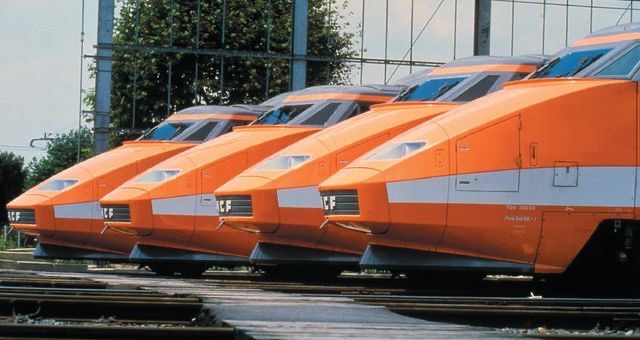
France’s TGV Speed Attempts (1981–89)
Engineers pushed experimental trains past 300 mph, stressing rails and equipment beyond intended limits to gather extreme-speed data.
13
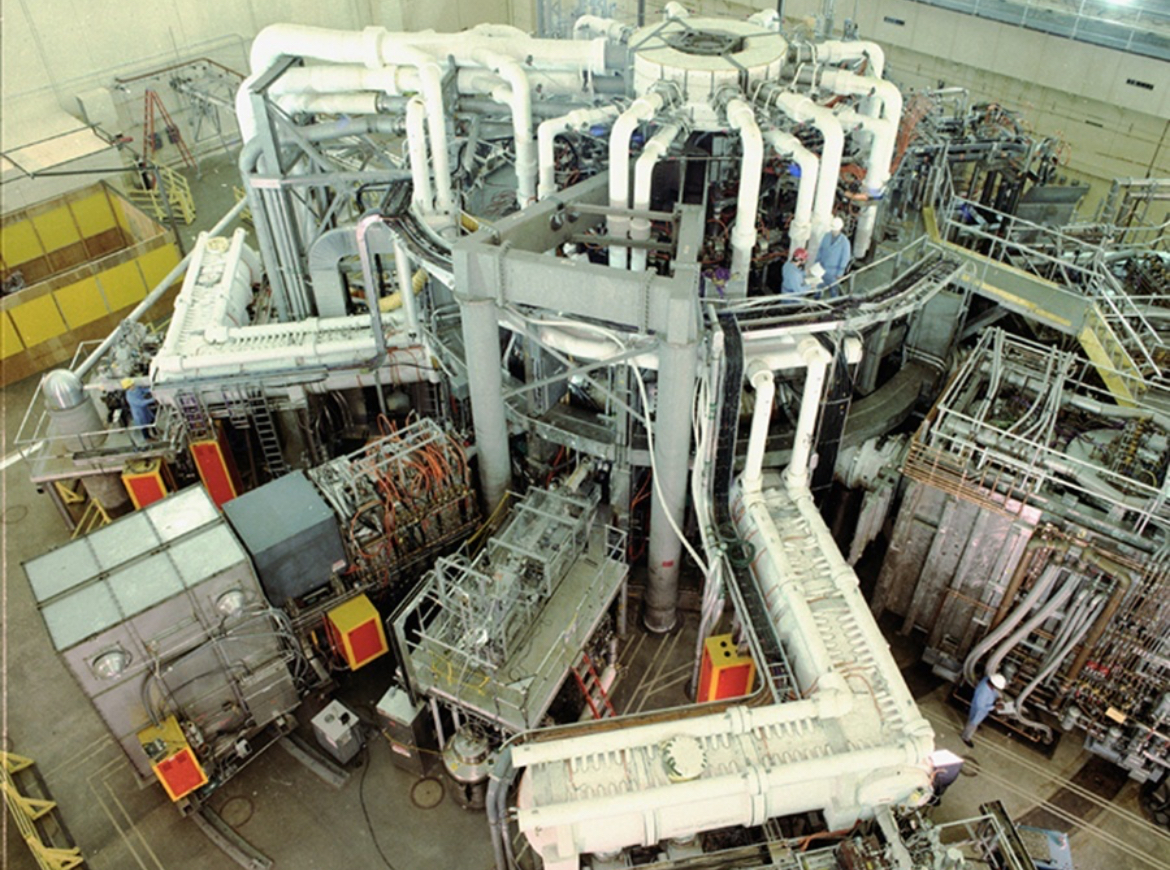
The Fusion Reactor Tokamak “SuperShots” (1980s)
Scientists deliberately pushed plasma confinement devices to instability to understand energy limits.
14
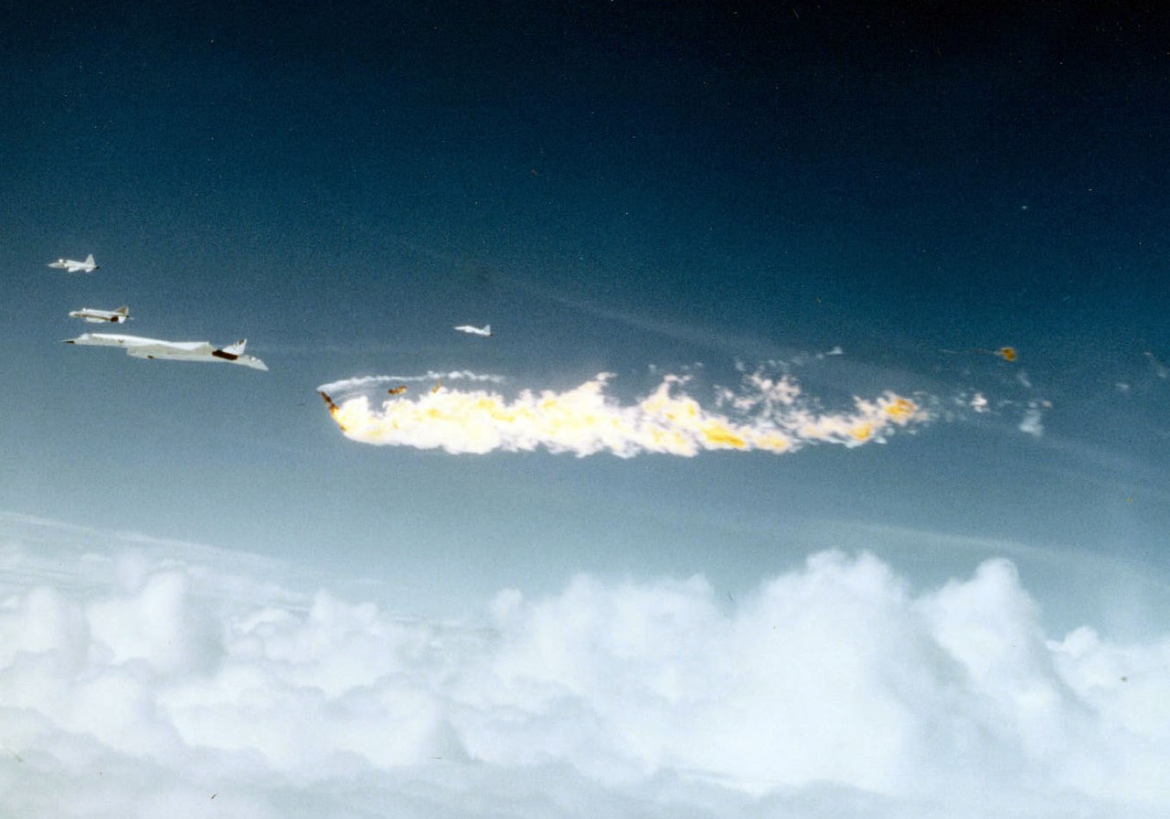
NASA’s Aircraft Vortex Wake Experiments (1980s)
Test planes flew dangerously close to large jets on purpose to study turbulence.
15
Radiation Experiments Come to Light (1980s exposure)
Although these U.S. government–funded radiation studies began earlier, many continued or were revealed in the 1980s. Public disclosure sparked outrage over secret dosing and non-consensual trials.