Some splits feel like gossip. Others feel like grief. These? These band breakups hit like a divorce, a death, and a bad B-side all at once.
From legendary fallouts to quiet disappearances, this is the list of band breakups that broke us more than them. Sure, they moved on with solo albums, reunions, and side projects with weird names; but we were left clutching our mixtapes, wondering what went wrong.
Creative differences? Egos? Money? Groupies? (All of the above?) Whatever the reason, these breakups ripped the soundtrack of our lives in half, and we’re still not over it.
So cue the sad harmonies, dim the lights, and click through the chaos, the drama, and the what-could’ve-been of the greatest musical meltdowns of all time.
Warning: This contains emotional flashbacks, air drum sobbing, and possibly a few tears in your vintage band tee.
1
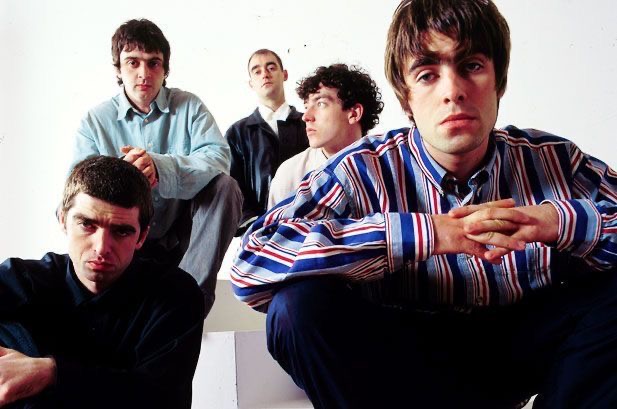
Oasis
The Gallagher brothers’ notoriously volatile relationship, filled with fights, insults, and walkouts, finally imploded in 2009 when Noel quit the band just before a Paris show, saying he could no longer work with Liam. Now, in 2025, they’re finally making a comeback.
2
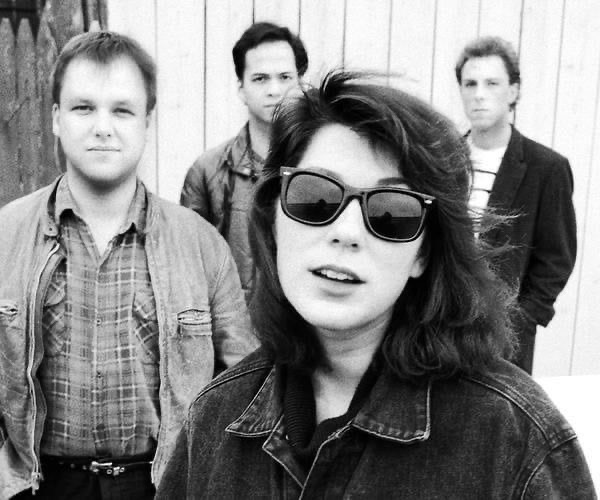
Pixies
Despite their pioneering sound, internal hostility (especially between Black Francis and Kim Deal) led to an abrupt breakup in 1993, with Francis reportedly informing the others via fax before going solo.
3
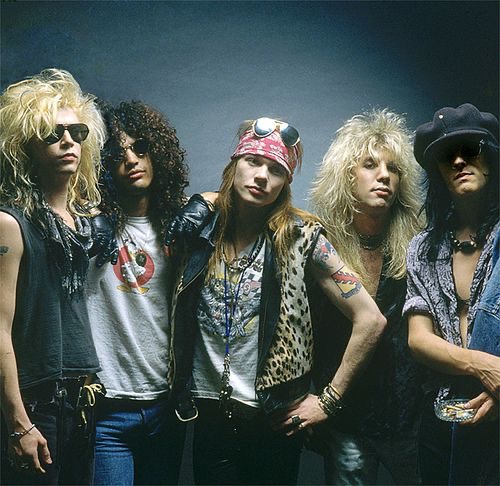
Guns N’ Roses
Dysfunctional touring, substance abuse, and constant infighting (especially between Axl Rose and Slash) led to a fragmented lineup by the mid-’90s, with Rose continuing under the name while others left or were pushed out.
4
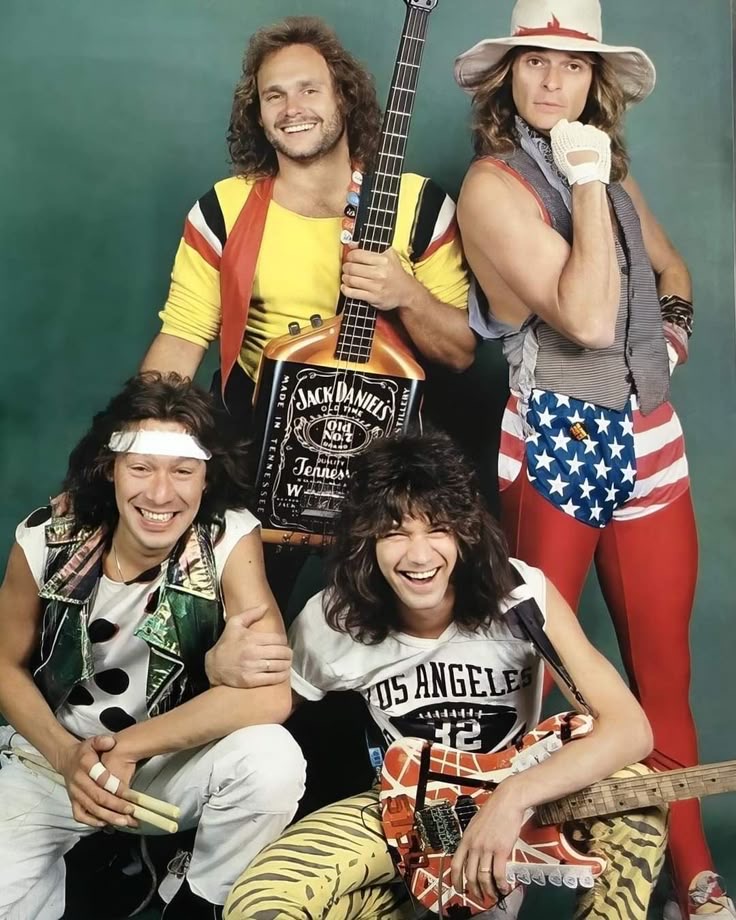
Van Halen
The band's turbulent lineup changes (especially clashes between Eddie Van Halen and frontmen David Lee Roth and later Sammy Hagar) fueled repeated breakups, particularly after Eddie’s health issues and frustrations with control.
5
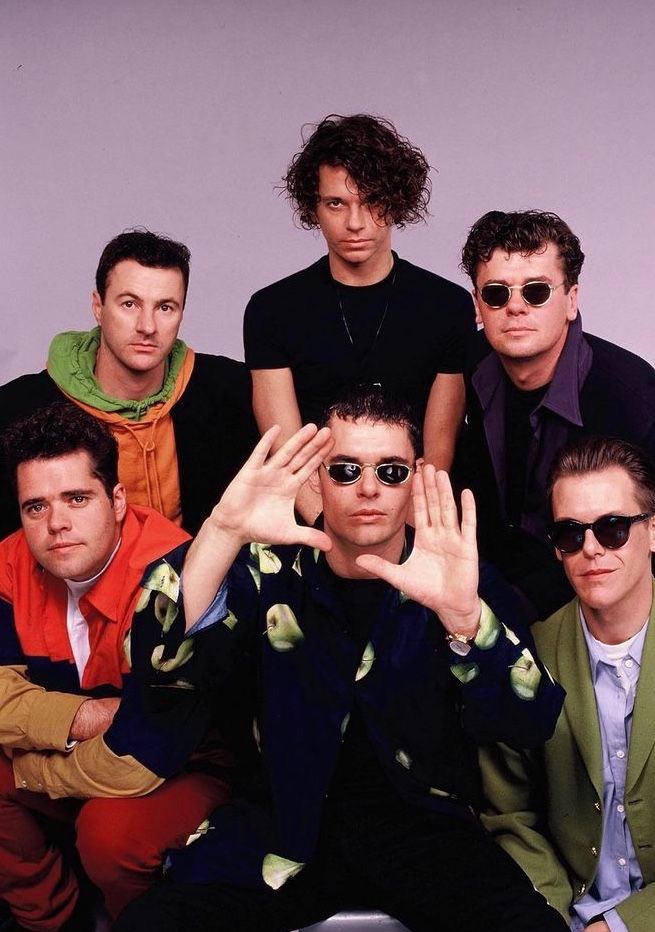
INXS
The accidental death of charismatic frontman Michael Hutchence in 1997 left a void the band struggled to fill, attempting several replacements, but never fully recovering their momentum or identity.
6
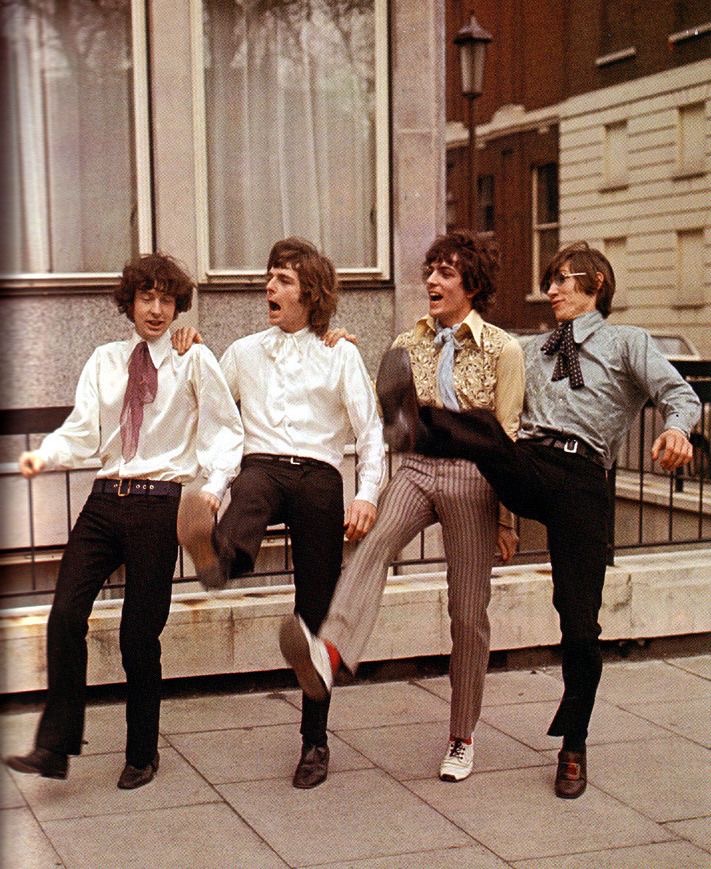
Pink Floyd
Tensions over creative vision (particularly Roger Waters’ increasingly conceptual control versus David Gilmour’s desire for balance) led to Waters' departure in 1985, followed by legal battles and deep personal rifts.
7
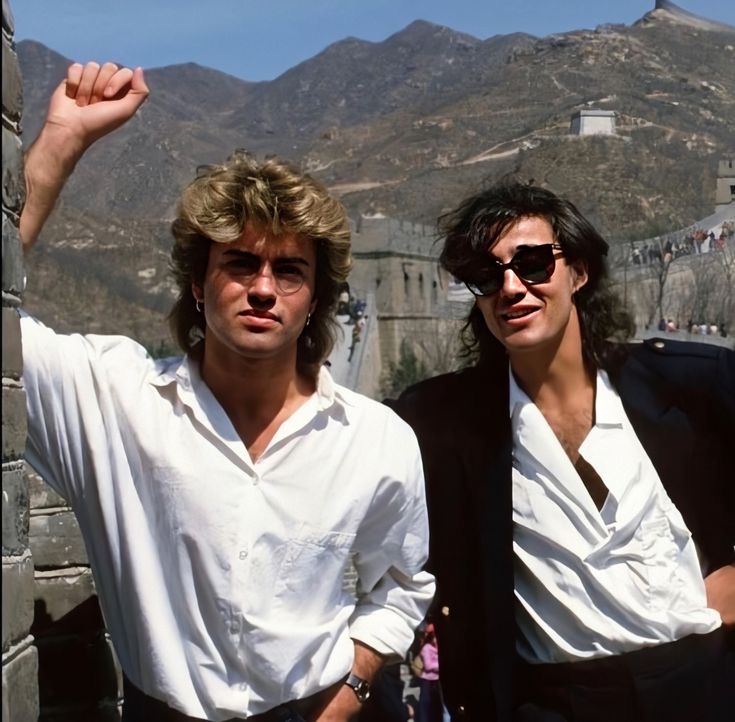
Wham!
George Michael, eager to move beyond the bubblegum pop sound, ended the duo in 1986 on friendly terms so he could pursue a more serious, soulful solo career; leaving Andrew Ridgeley supportive but sidelined.
8
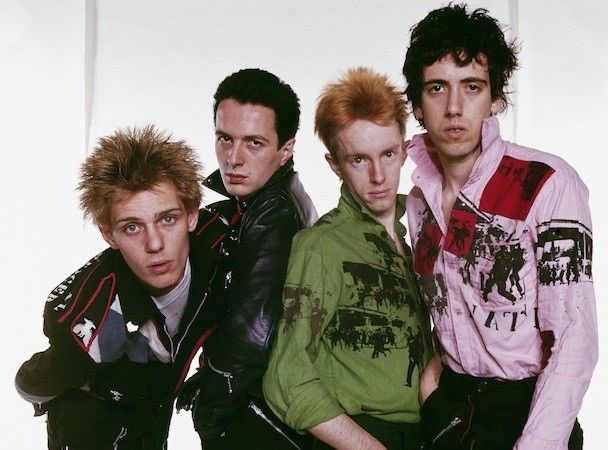
The Clash
Originally politically and musically unified, the group splintered after the firing of drummer Topper Headon (due to heroin use), growing disillusionment, and creative disagreements that left their final lineup unrecognizable.
9
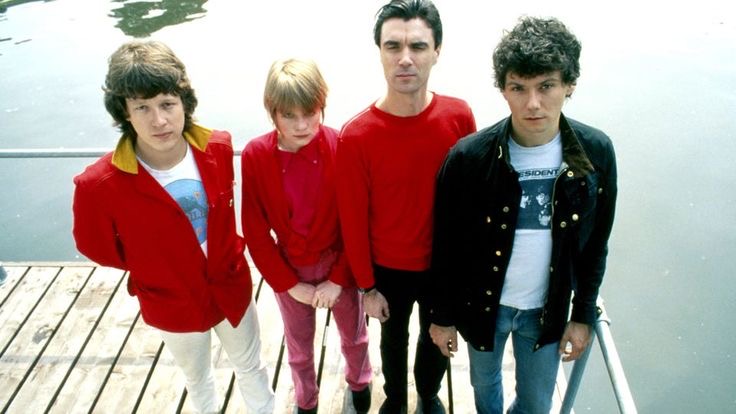
Talking Heads
David Byrne’s increasing control, minimal communication, and side projects alienated other members (especially Tina Weymouth) until the rest of the band learned of the breakup only when Byrne announced it to the press in 1991.
10
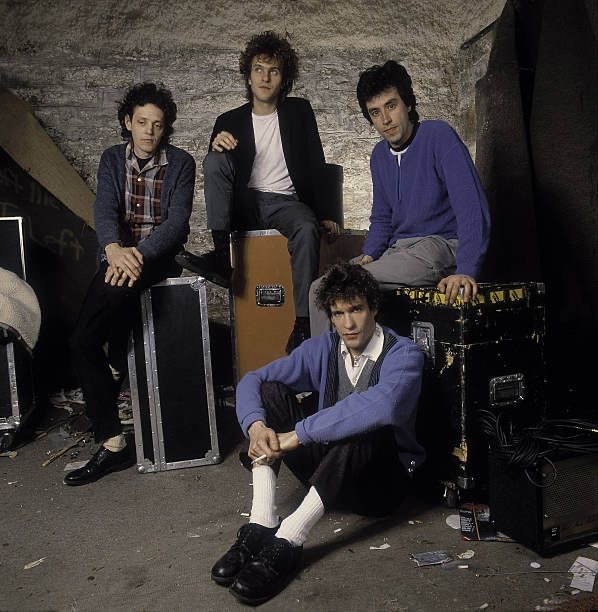
The Replacements
A legendary live act plagued by self-destruction, alcoholism, and commercial frustrations. They fizzled out in 1991 when core members drifted apart, unable to balance their punk ethos with industry demands.
11
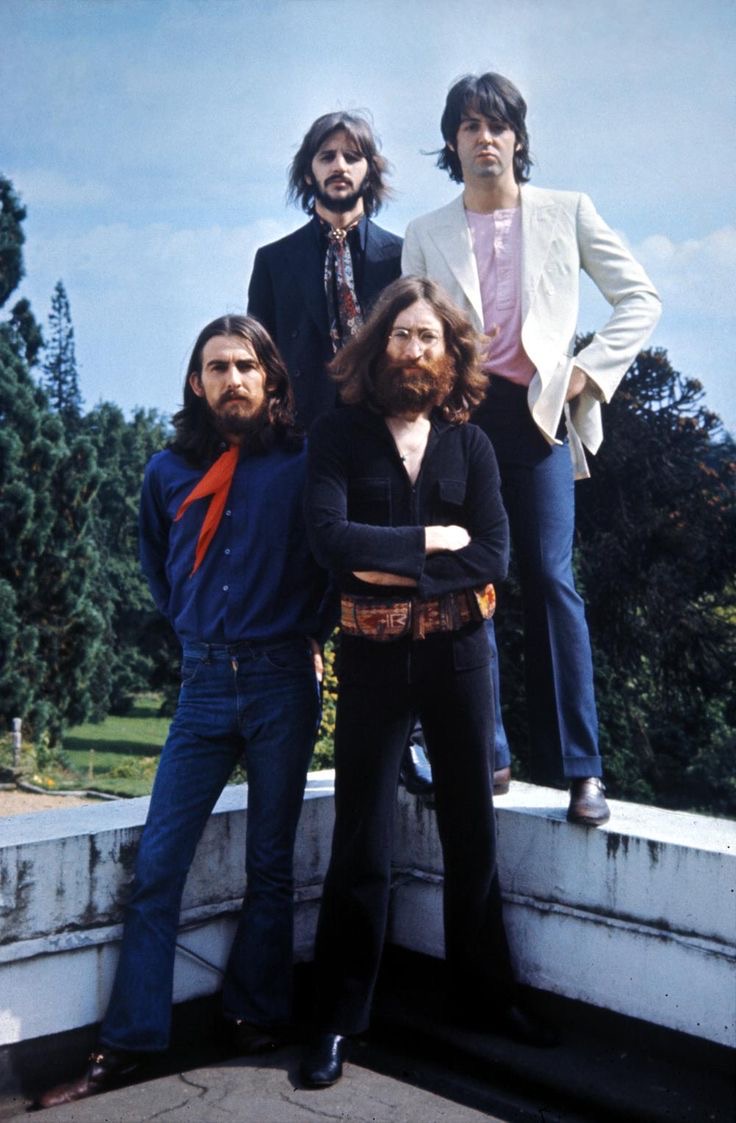
The Beatles
Internal friction (especially between Paul McCartney and John Lennon) Yoko Ono's controversial presence, creative divergence, and mismanagement following Brian Epstein’s death gradually tore the band apart by 1970, despite their immense success.
12
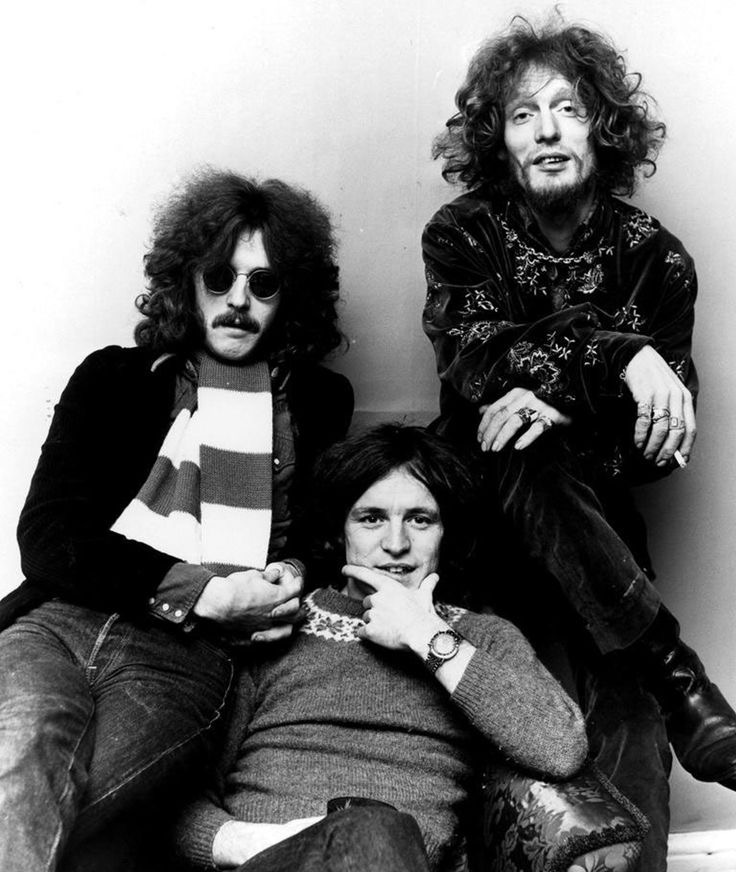
Cream
Despite their brief run, the trio’s nonstop touring, escalating drug use, and relentless arguing (particularly between Ginger Baker and Jack Bruce) led to burnout and an agreement to split after just two years in 1968.
13
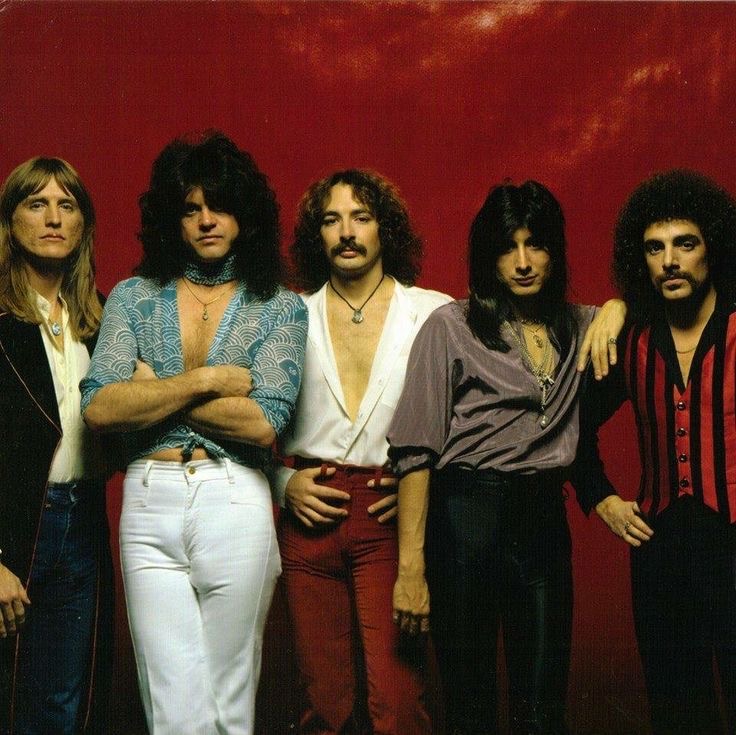
Journey
The band fractured in the late ’80s due to mounting tensions over creative direction and Steve Perry’s reluctance to tour after health issues; his eventual departure left the band with an identity crisis that persisted through several iterations.
14
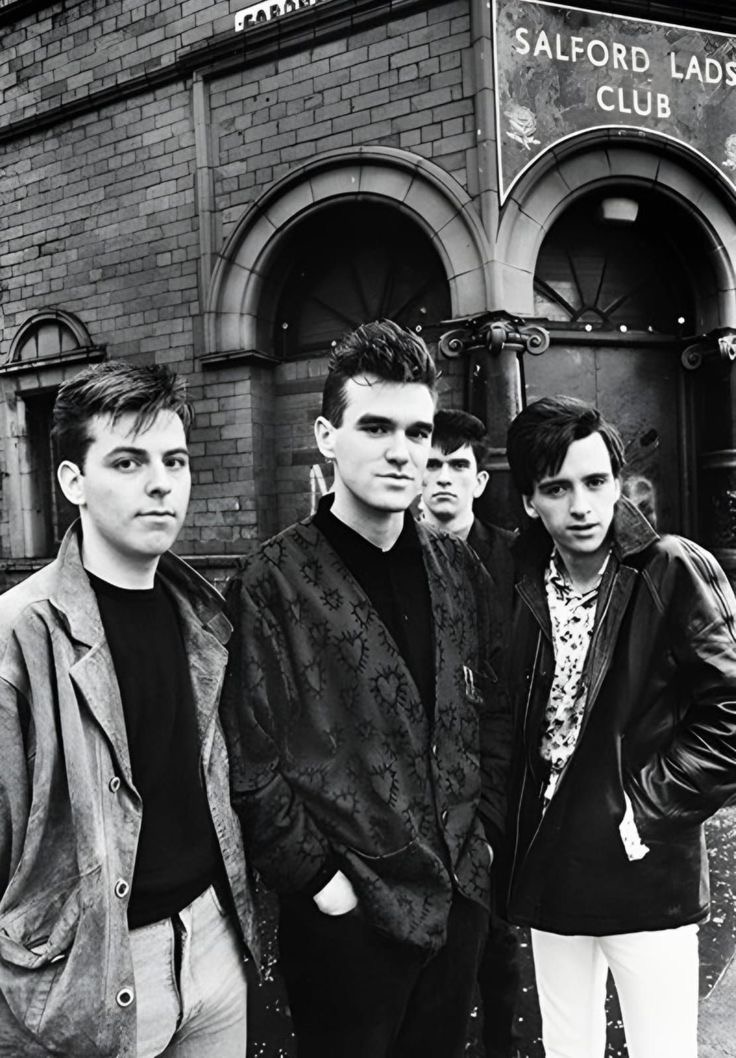
The Smiths
Personality conflicts and musical disagreements, especially between frontman Morrissey and guitarist Johnny Marr, culminated in Marr’s departure in 1987, effectively ending the band just as they were gaining massive acclaim.
15
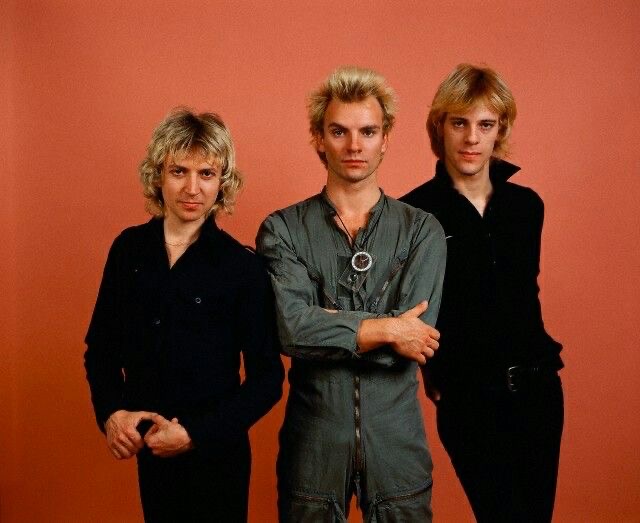
The Police
Their explosive success was undercut by ego clashes (particularly Sting’s increasing dominance and desire to pursue a solo career) which created an irreparable rift after their 1983 world tour.
16
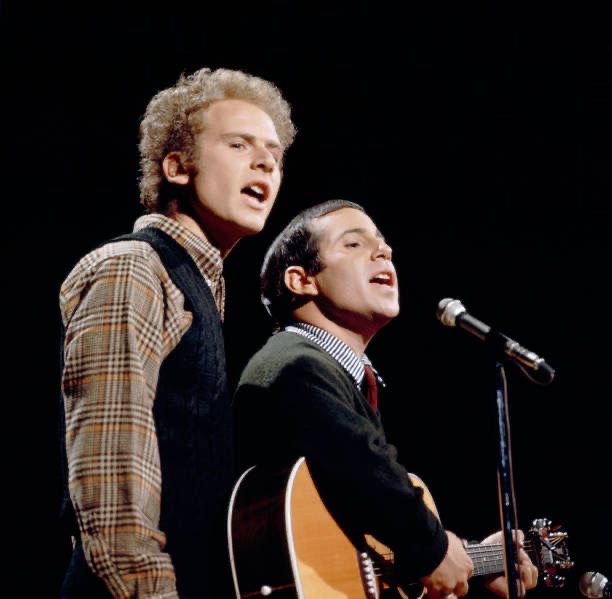
Simon & Garfunkel
Creative tensions flared as Paul Simon wrote most of the material and sought full artistic control, while Garfunkel pursued acting. After repeated clashes, they went their separate ways in 1970, despite occasional reunions.
17
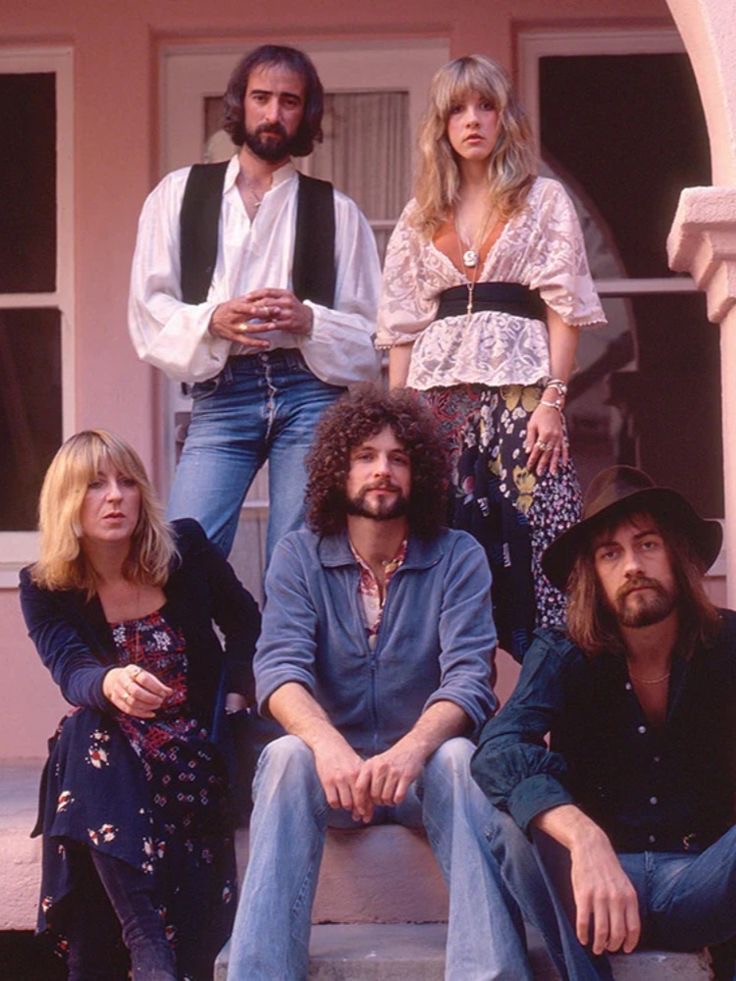
Fleetwood Mac
Despite incredible success, the band’s tangled web of romantic relationships, personal betrayals, and emotional breakdowns (especially during the Rumours era) made long-term unity nearly impossible, leading to multiple breakups and lineup changes.
18
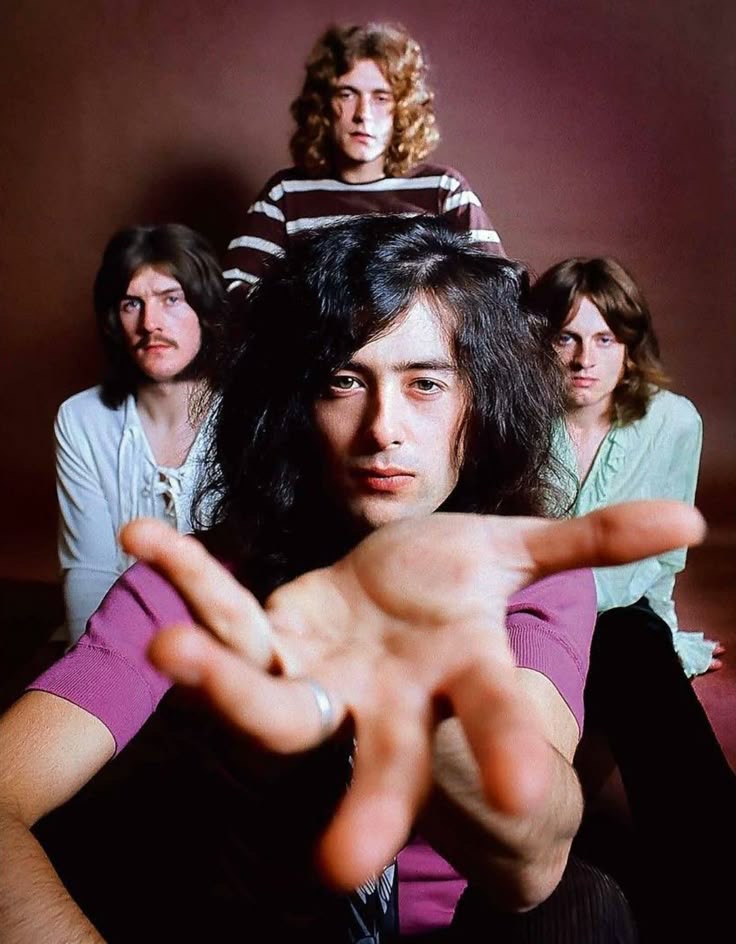
Led Zeppelin
After years of fame and excess, the sudden death of drummer John Bonham from alcohol-related asphyxiation in 1980 devastated the group, who felt they could not continue without him and officially disbanded soon after.
19
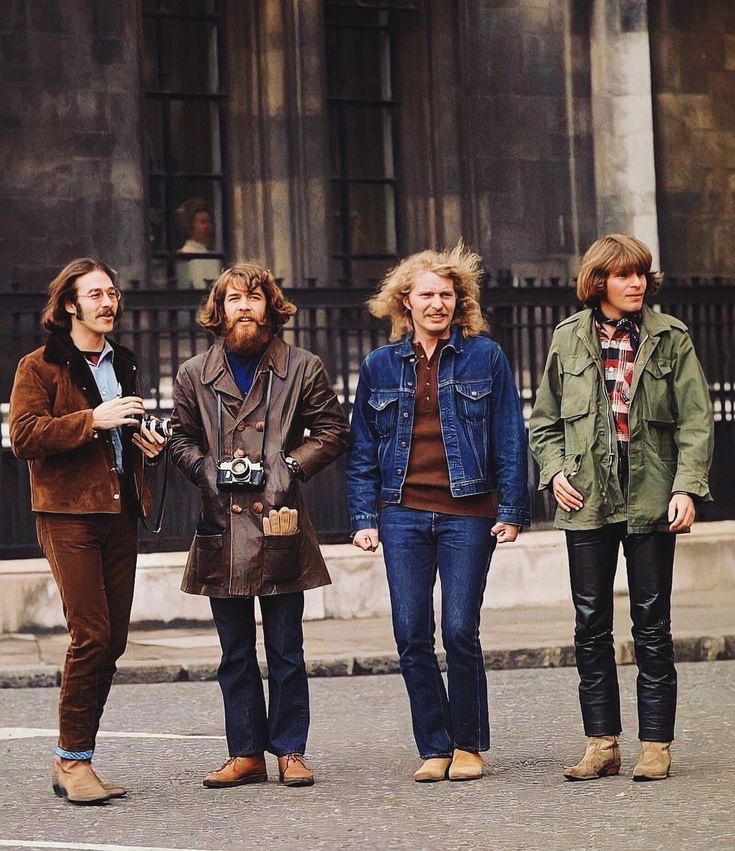
Creedence Clearwater Revival
Though wildly successful, tensions grew as John Fogerty took full creative control, leading his brother Tom to quit in frustration; after a disastrous attempt at a democratic songwriting model, the remaining members disbanded in 1972.
20
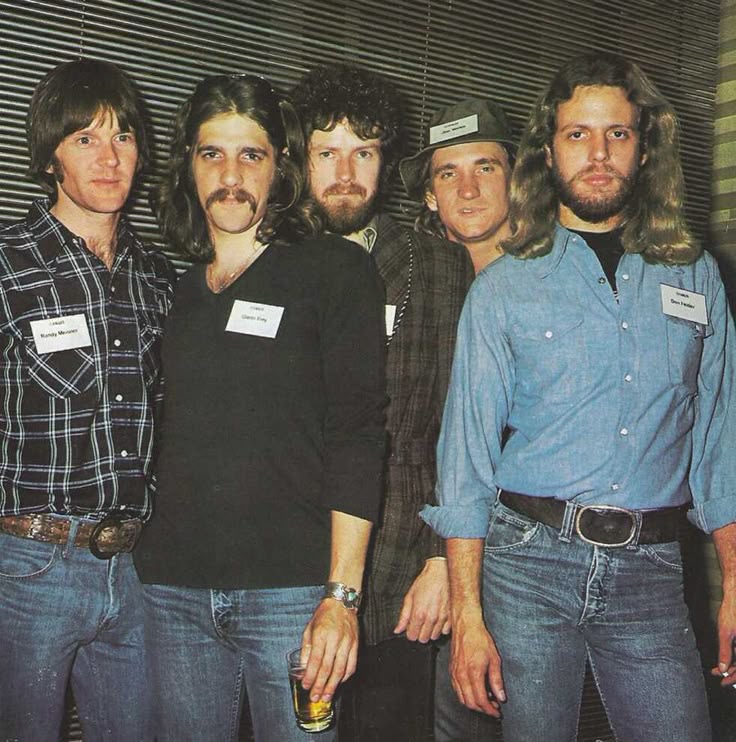
The Eagles
Plagued by personal animosity, clashing egos, and substance abuse, the band's internal discord peaked during a concert where bandmates nearly came to blows onstage, prompting their 1980 breakup.