20 Fascinating Photos From Our History's Vault
Twenty historical photos that will make you wonder in our past won't haunt us in the future.
Published 8 years ago in Wow
1
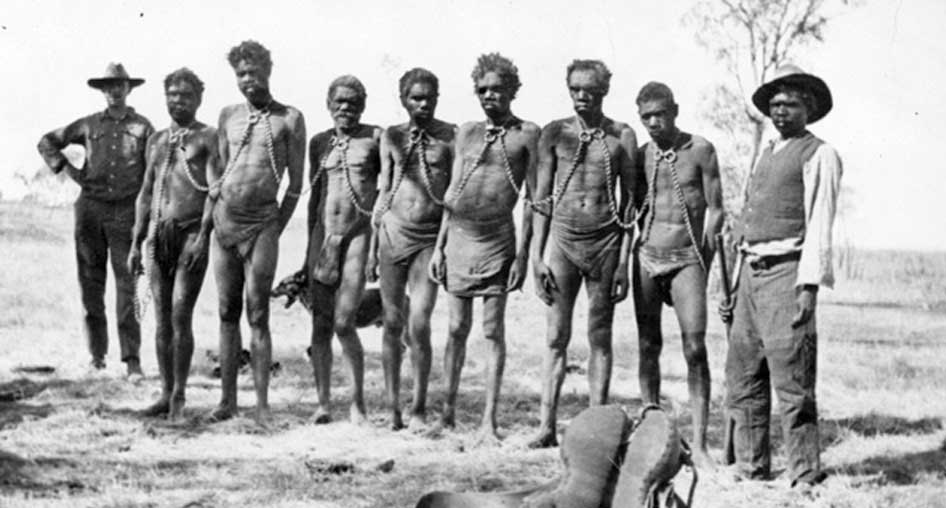
Aborigine prisoners on there way to a work prison near Wyndham, Australia in 1930. Many of these men were tricked, kidnapped or forced into basically slaves at work prisons and camps to help spear cattle, farm, and other hard labor projects. Aborigines were not treated well, and it took many years before they were accepted as full equals to the rest of Australia.
2
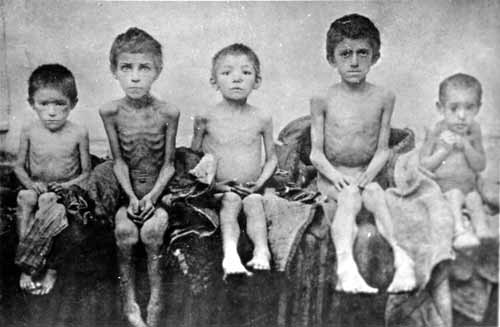
Starving children pose for a picture in Kiev, Ukraine in 1933. This was during the terrible famine known as Holodomor. Between 2 and 10 million people died during this famine. 16 countries have recognized this as a genocide by the Stalin regime to systematically kill natural Ukranians, which is exactly what they did. The USSR refused foreign aid, and would not supply Ukraine with enough food for its people for over a year. The USSR then took the lands of the dead and settled them over the next 2 years with natural Russians. Some 4 million died as a direct result of the famine, and it is believed another 6 million died from malnutrition and birth defects. That means it is estimated up to half of the famine deaths were children, including all 5 in this picture.
5
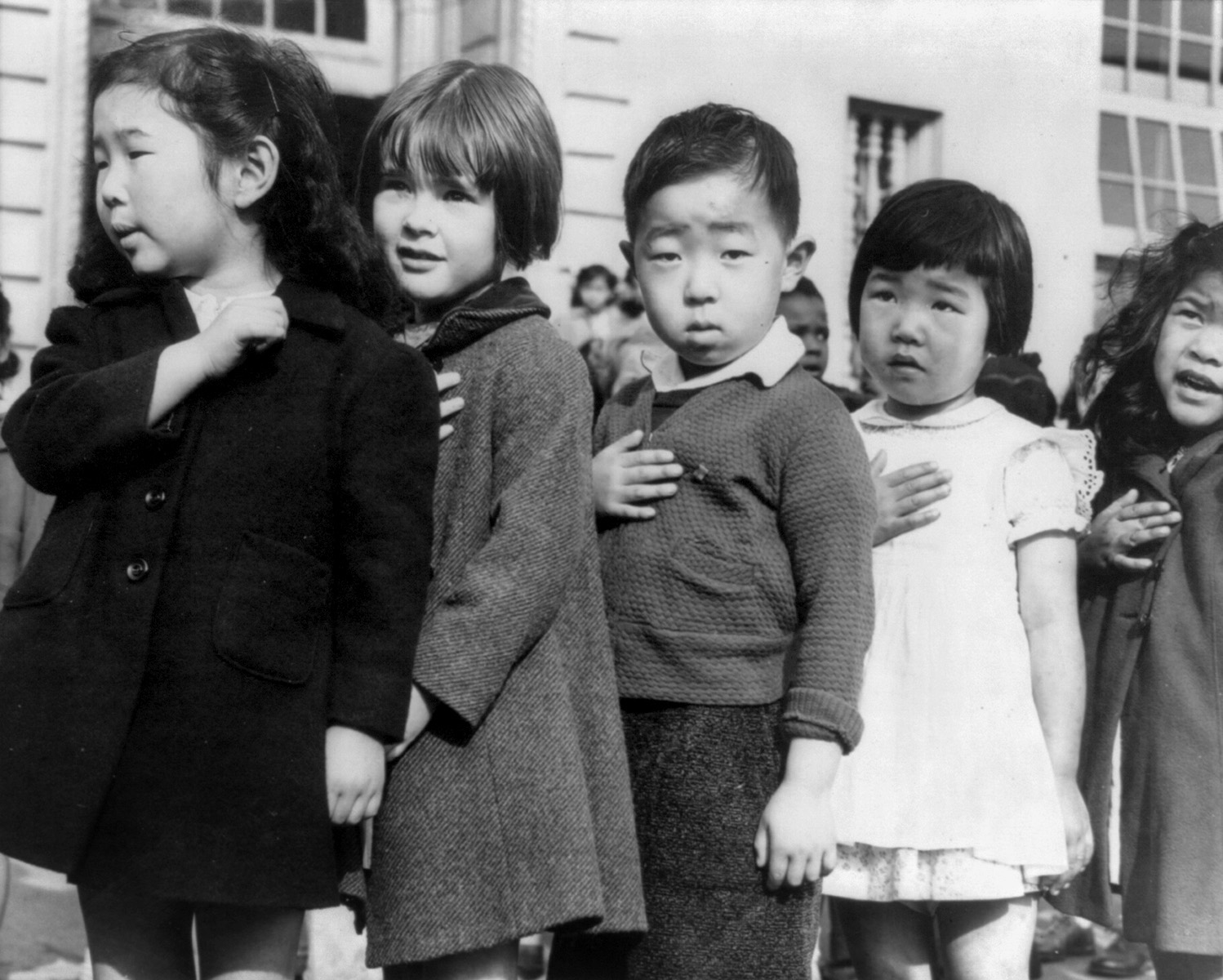
School children pledge allegiance to the American flag in San Francisco, US, in 1941. Within a year, the 3 Japanese American children in this picture (and any others in the school) would be removed and put in internment camps for most of the duration of the war. Up to 500,000 Japanese Americans were put in camps by US officials, regardless of what generation of Japanese American they were or even if they were US citizens. If you had a Japanese background, you most likely found yourself in a camp during WWII.
6
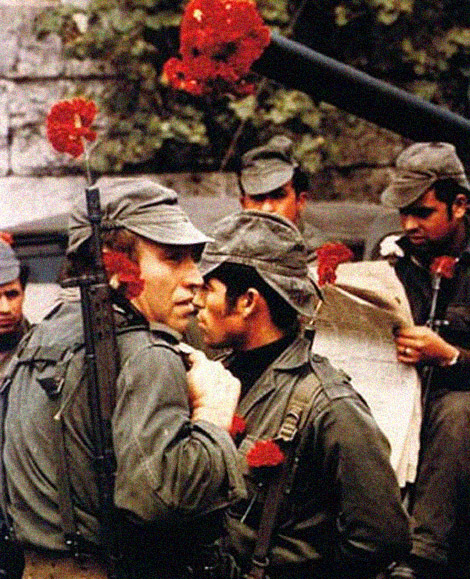
Portuguese soldiers read updates in the paper during the Carnation Revolution of 1974. This was a military coup that went over pretty peacefully, and soldiers would decorate themselves and their weapons with carnations to show solidarity with the people. However the people did not want a military Junta in control, and confrontations with militia occurred. The entire country was conflicted for a few years, causing the foreign conflicts in Angola and Mozambique in Africa to break down, despite Portugal firmly winning them at the time. Eventually this also caused almost all Portuguese colonies to be lost.
7
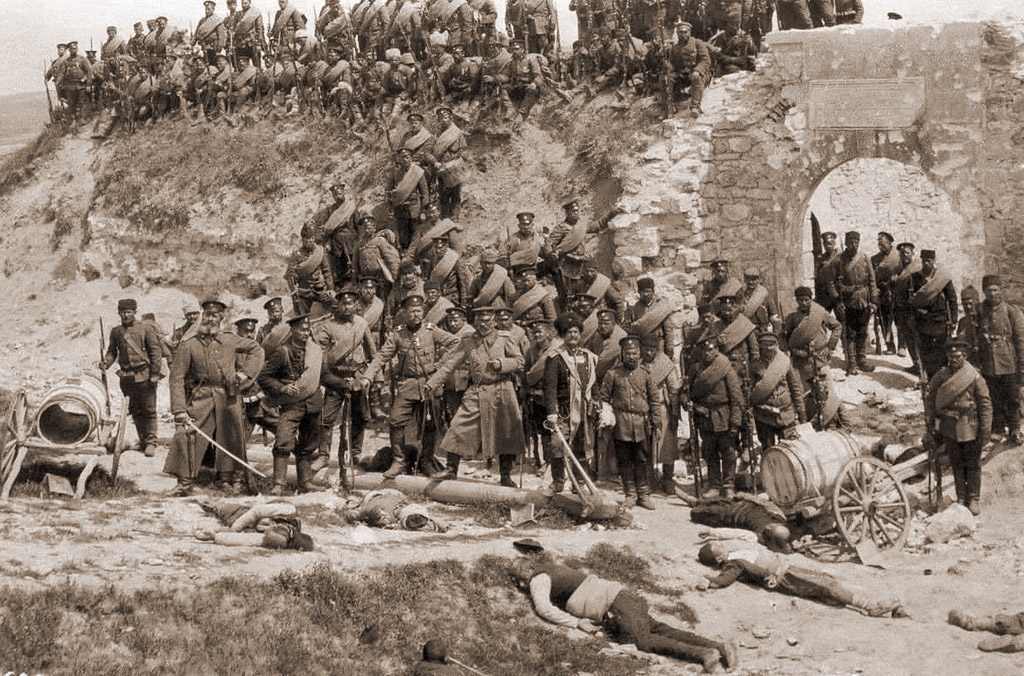
Bulgarian Troops pose for a picture after securing the Ayaz Paşa Fort in 1913. This was part of the Balkan Wars. Bulgaria and its allies won the first Balkan War, which triggered the Second Balkan War a month later. Bulgaria invaded Serbia and Greece after the 3 were allies against the Ottoman Empire in the First Balkan War. This aggressive action caused Greece and Serbia to ally themselves with their former enemy, the Ottoman Empire. This caused Bulgaria to lose the Second Balkan War. Yup, In the course of a month, the main enemy switched to an ally and a main ally became the enemy.
15
From left to right, Raul Castro, Fidel Castro, and Mengistu Haile Mariam celebrate their victory in the Ogaden War in Havana, Cuba in 1978. Somalia had invaded Ethiopia over disputed territory and was winning the war when the Soviets and Cuba intervened militarily in support of Mengistu and his Ethipian communist regime. Ethiopia and Somalia each lost over 6,000 dead, but Cuban troops were heavily engaged and lost 400 of their own soldiers. It is believed up to 18,000 Cuban soldiers helped repel the invading Somalian forces. This is one of the only times Cuba ever militarily involved itself in a conflict not in Central or South America.
16
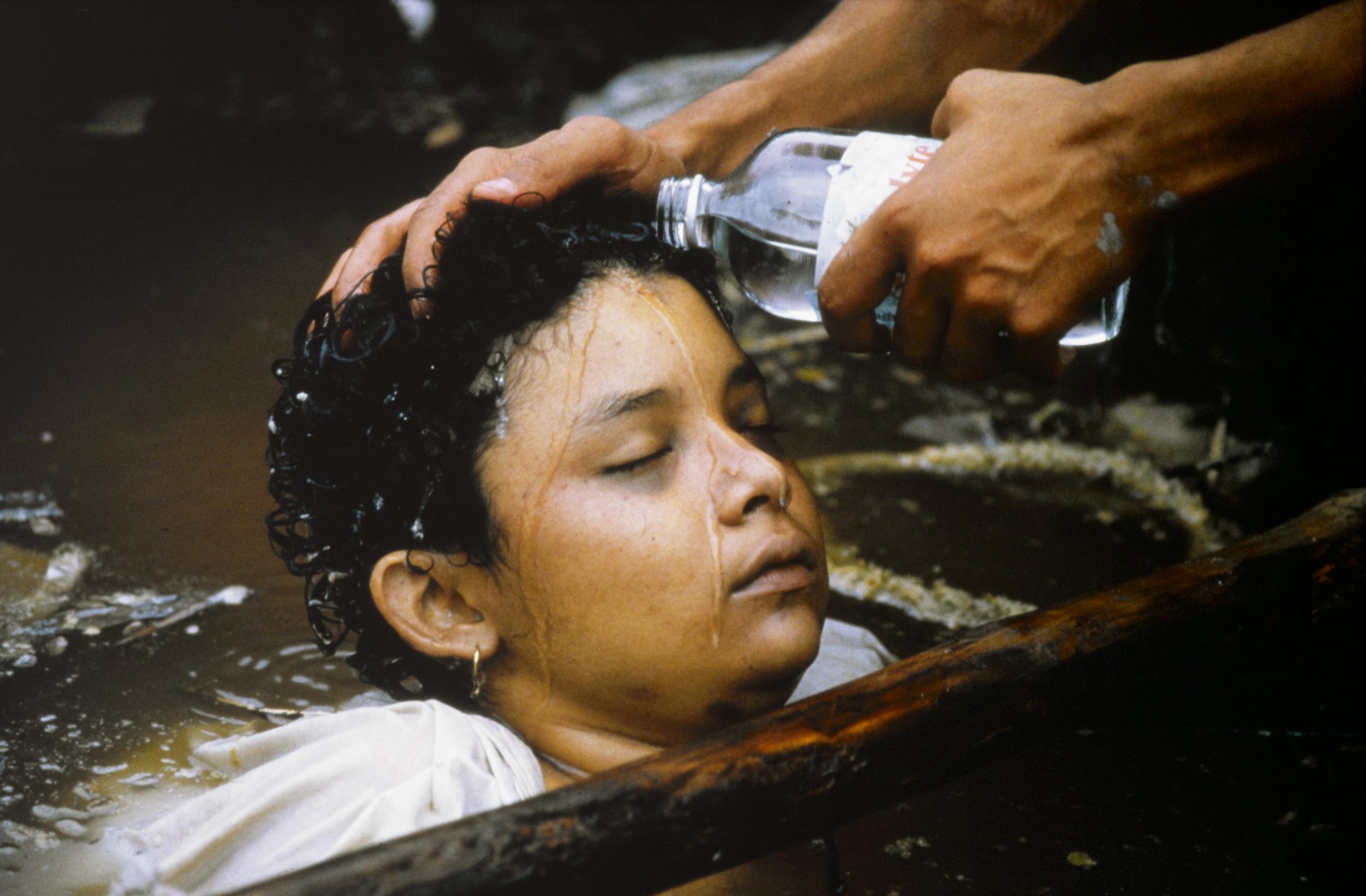
Amayra Sanchez Armero. She was 13 when the Nevado del Ruiz volcano in Tolima, Colombia erupted in 1985. She was trapped from the waist down from the concrete of her house and the massive lahar caused from the eruption. Even worse, her aunt died holding her legs in a firm grip. The workers could not free her without severing her legs, and did not have the proper equipment to surgically save her if they did so. Sadly, they thought the humane thing to do was let her pass out and die from exposure. It took 3 nights and 60 hours, but she did finally succumb. A banner at a mass funeral in Ibagué for victims of the disaster read, "The volcano didn't kill 22,000 people. The government killed them." Amayra's grave has since become a place of worship and prayer to the locals since the disaster.
17
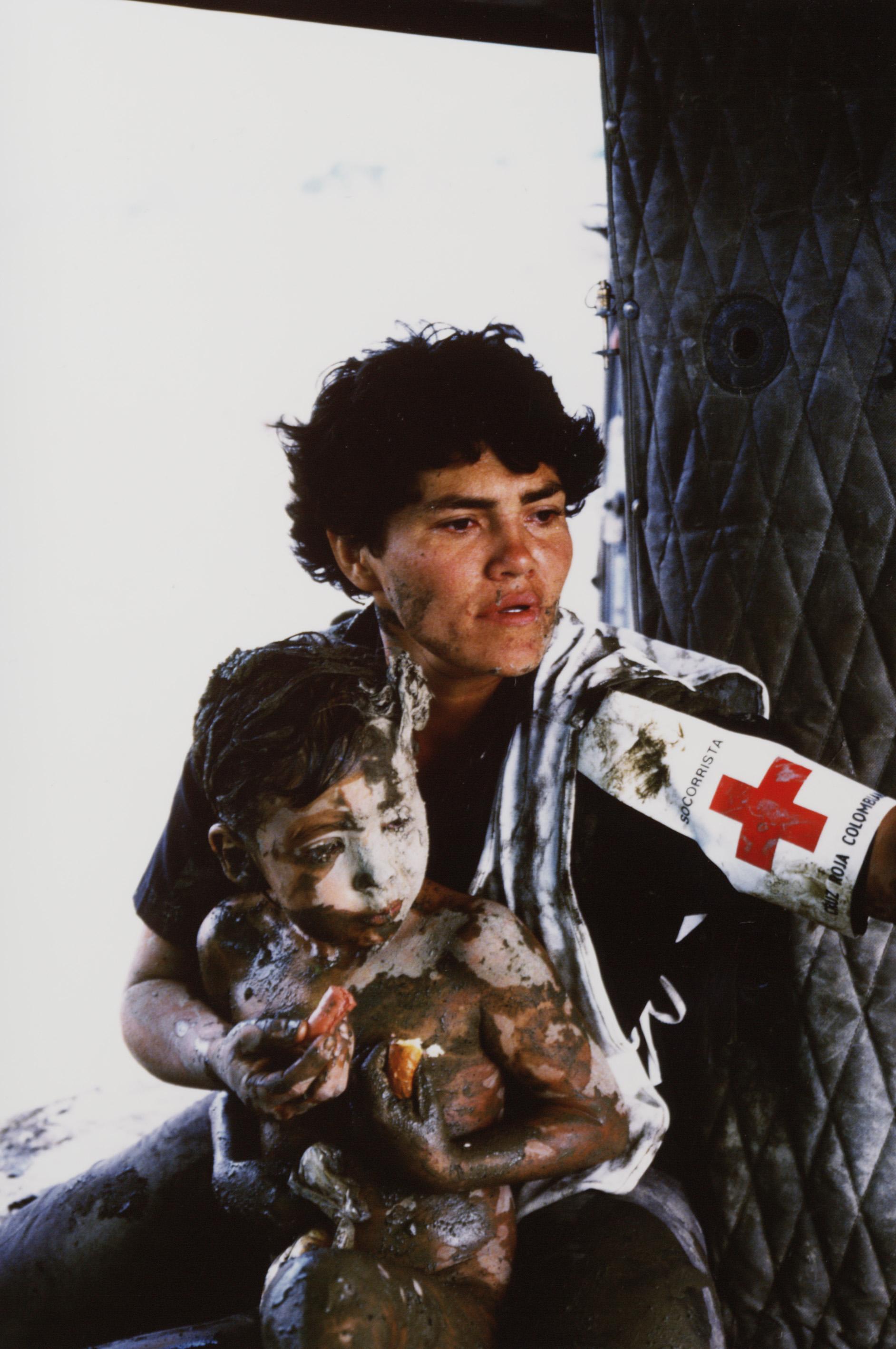
This is Guillermo Cardoza. He was caught in the terrible aftermath of the eruption of the volcano Nevado del Ruiz in Tolima, Colombia in 1985. He was 8 years old. He was found naked, stuck in the lahar trying to seek safety. It had been 58 hours since the natural disaster hit, and finding him alive was surprising, especially in the thick lahar he was in. His entire family was killed. Almost every village near the volcano was wiped out. What's worse is scientists tracking the active volcano warned the Colombian government 2 months before it erupted that it was likely to erupt soon, and the government did absolutely nothing. The towns close to the volcano never saw it coming and had little to no chance to escape. What killed most people were lahars, which are volcanic induced mudslides that wiped out the towns. It was estimated 29,000 people lived in the towns directly hit by the mudslides. 22,000 of them died. The most famous being Amayra Sanchez Armero. You may have seen the well known picture of her trapped under water with black eyes and wrinkled fingers, staring at the camera with a sad fearful look.
19
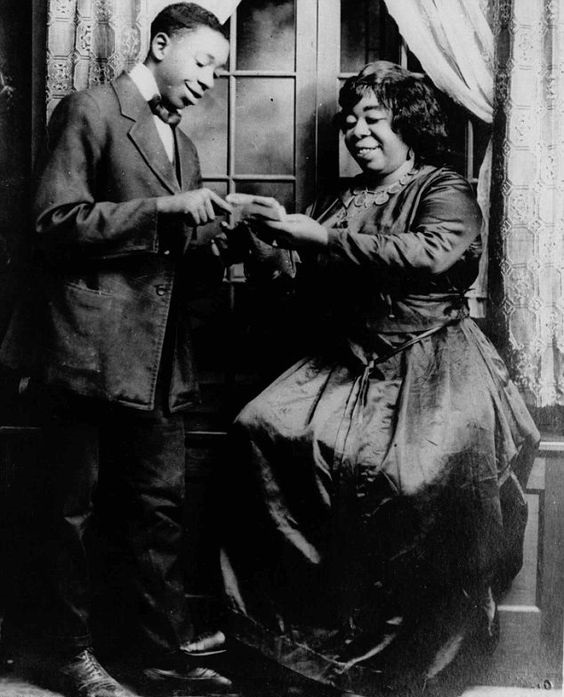
Gertrude "Ma Rainey" Pridgett sharing lyrics with a colleague in 1922. She was one of the first major female blues singers in Harlem, US, and also one of the first openly gay entertainers. She even boldly put hints at her sexuality into her lyrics. She broke ground and would not be denied success. She is a very interesting person to read up on.
Most Popular