It’s a common thing to see the wealthy spending money on the most ridiculous things, especially in modern times, the most expensive tech, crazy over-the-top experiences and wellness trends that don’t work. But this kind of extravagance is actually nothing new.
Throughout history, the rich have always found ways to spend their money and indulge in trends that were far beyond the reach of ordinary people. These trends were rarely about practicality or necessity; instead, they were expressions of privilege that bordered on absurd.
But they were proof that wealth could buy anything, especially exclusivity and status. Looking back on it, they reveal a pattern of how excess has long been intertwined with social class.
1
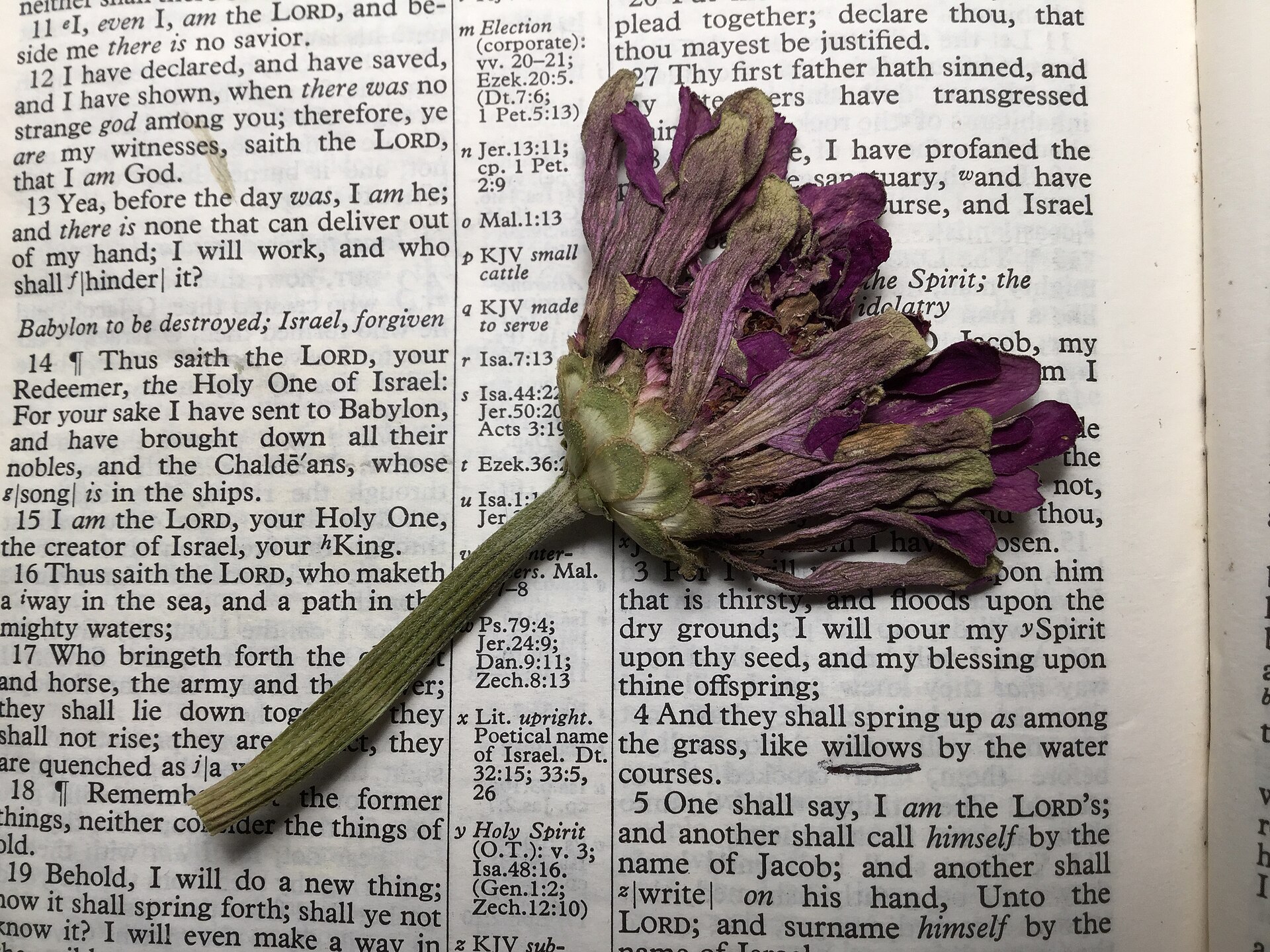
Exotic plant collecting
Rich Victorians competed to cultivate rare plants.
2
Banquets with exotic birds
Peacocks, swans, and cranes were roasted and re-feathered for feasts in the Middle Ages.
3
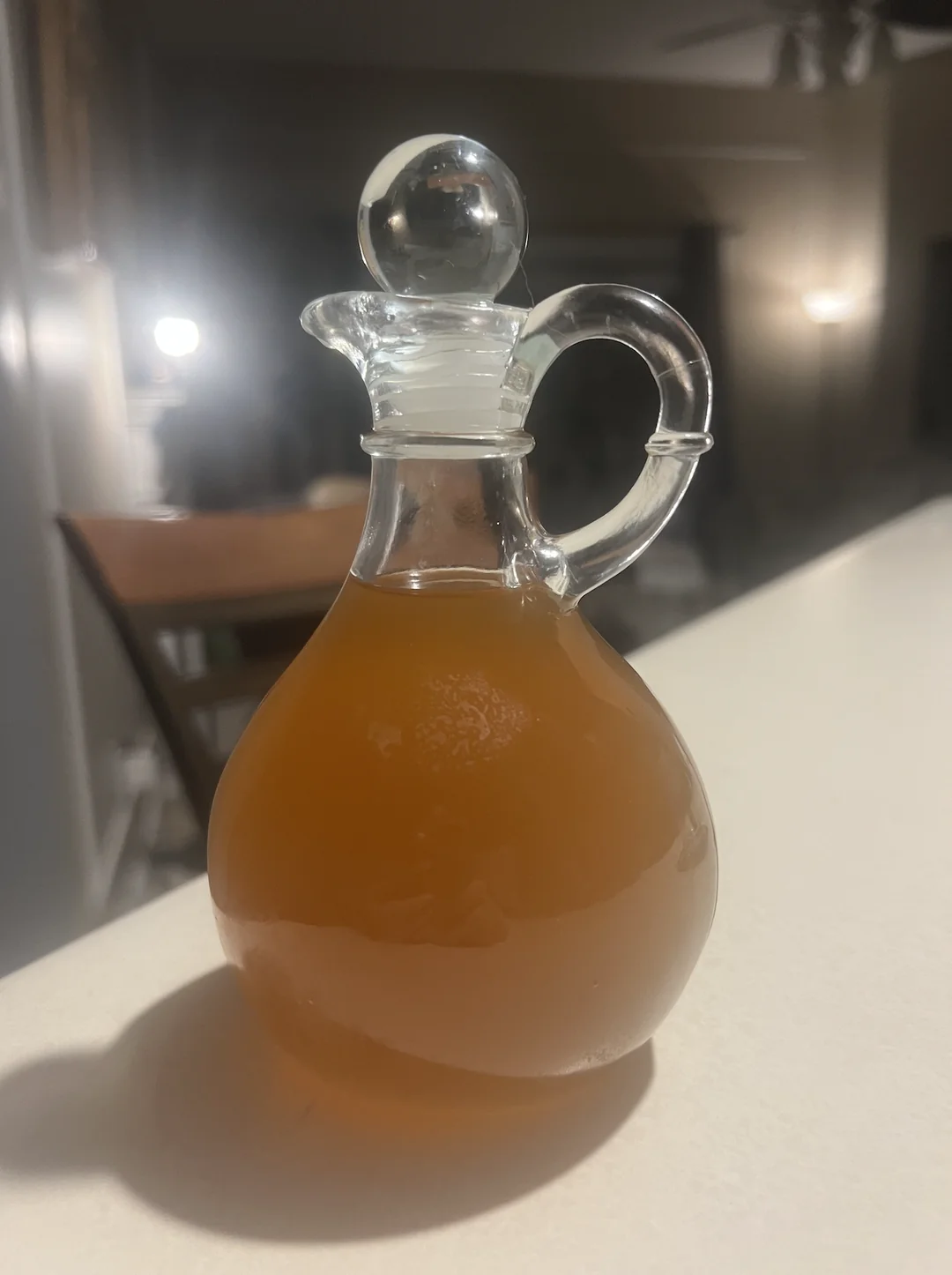
Garum (fermented fish sauce)
A luxury condiment in Rome, some varieties were outrageously expensive.
4
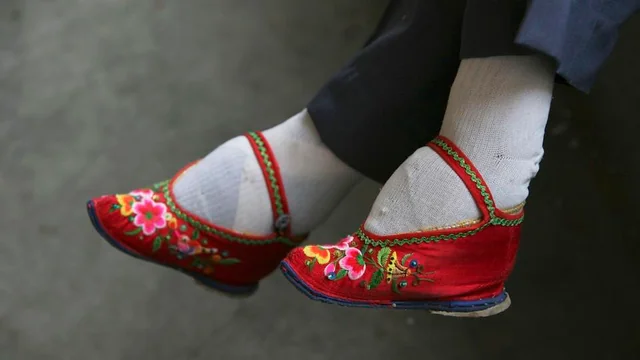
Chinese foot binding
Considered a beauty ideal, only wealthy families could afford to have women disabled from labor.
5
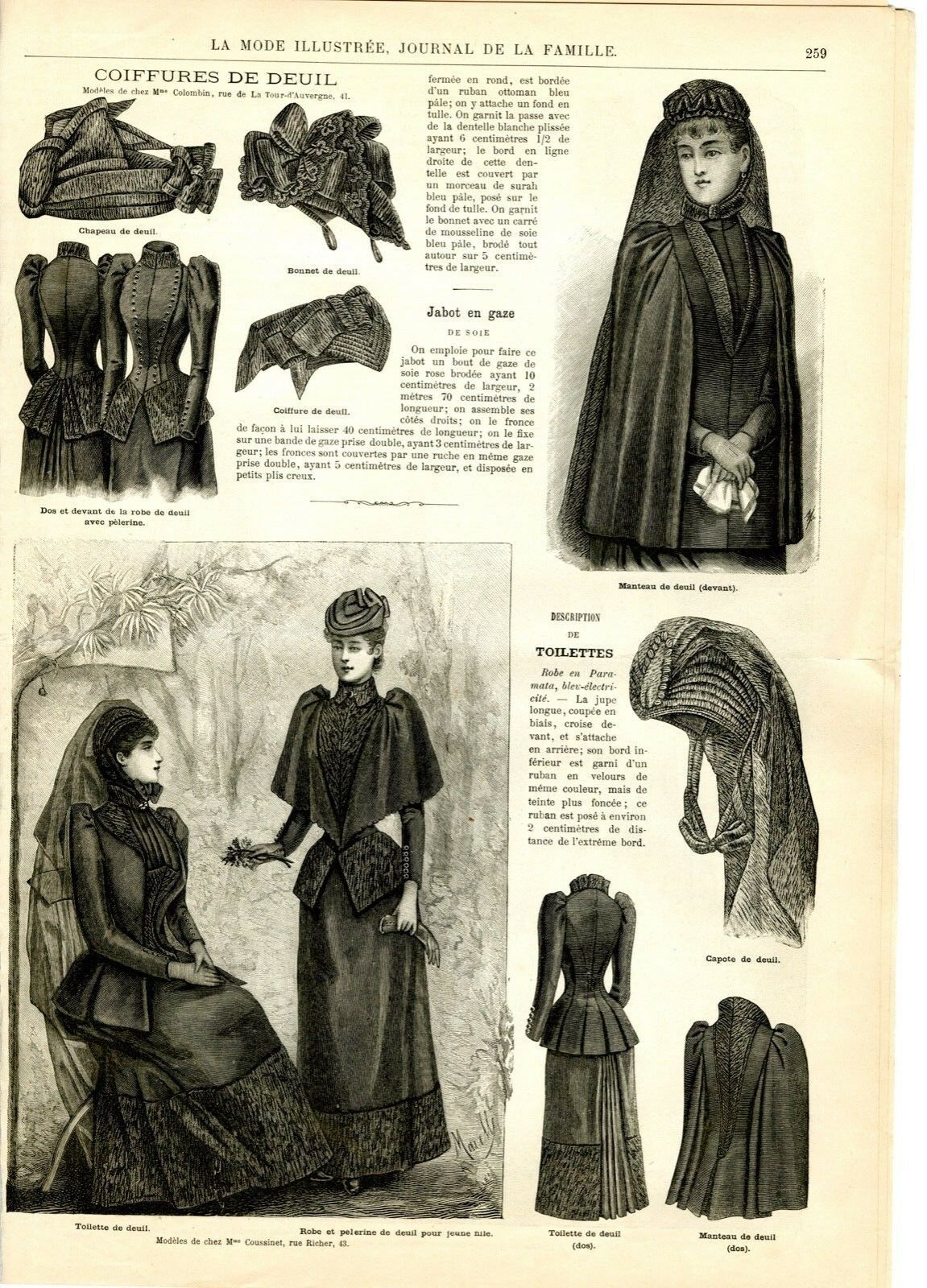
Elaborate mourning rituals
Wealthy families bought mourning jewelry made of jet, pearls, or even woven human hair.
6
Electric bathing machines
Early wellness fad: bathing devices that claimed to “electrify” health.
7
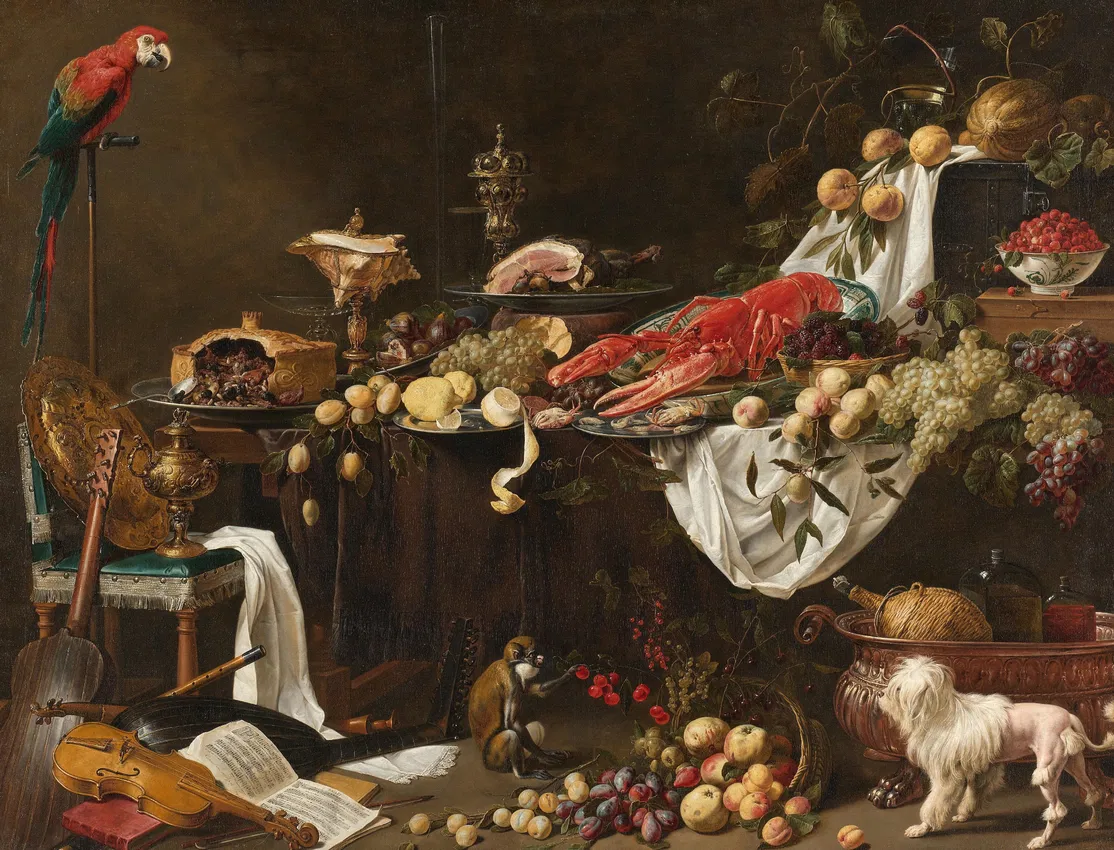
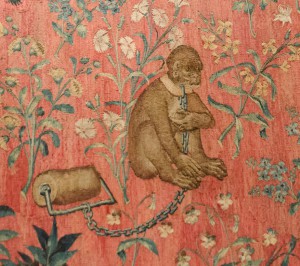
Pet monkeys
Exotic pets imported from Africa and Asia became a status symbol in noble households.
8
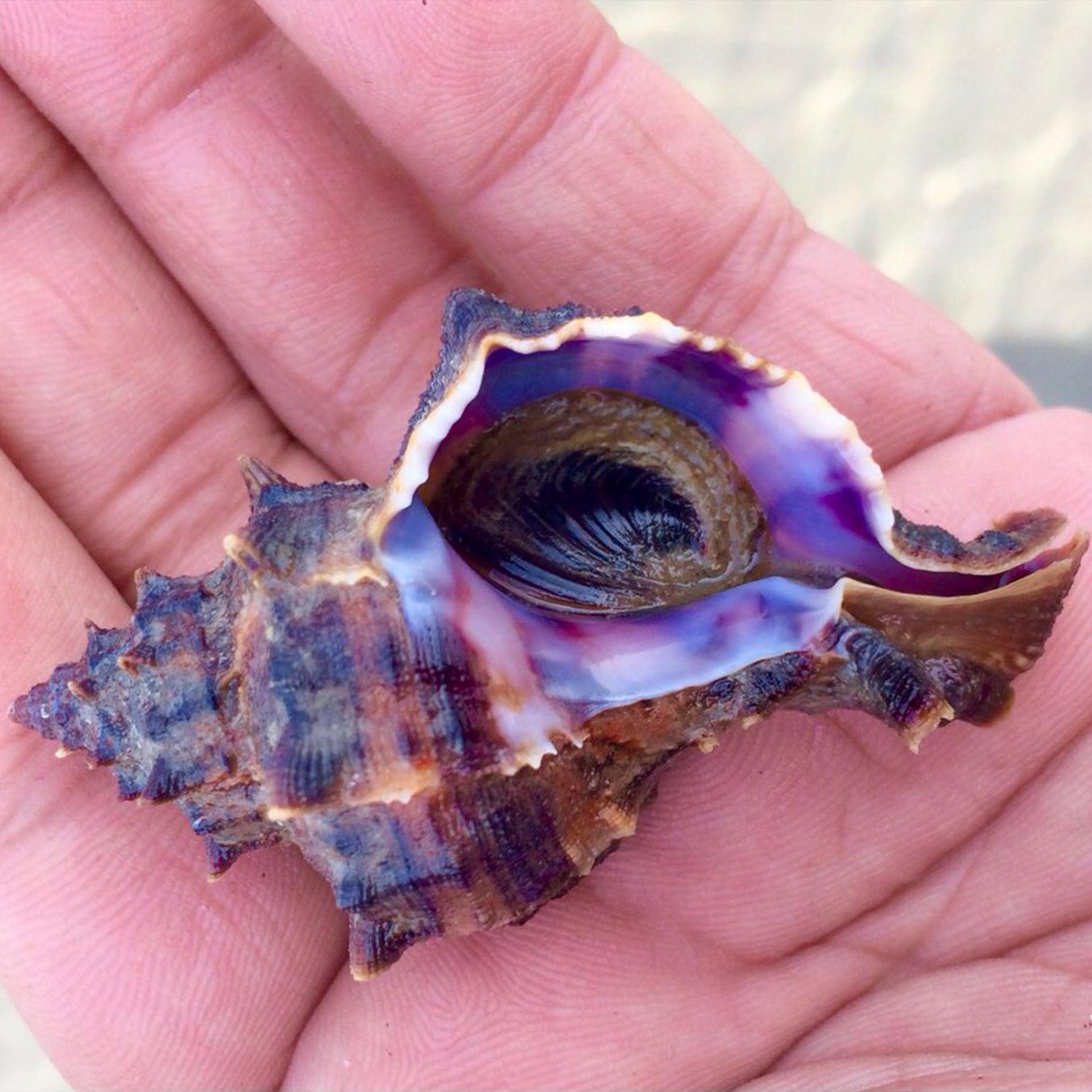
Murex-dye
In ancient Rome, Tyrian purple dye (made from sea snails) was so expensive only emperors and nobles could wear it.
9
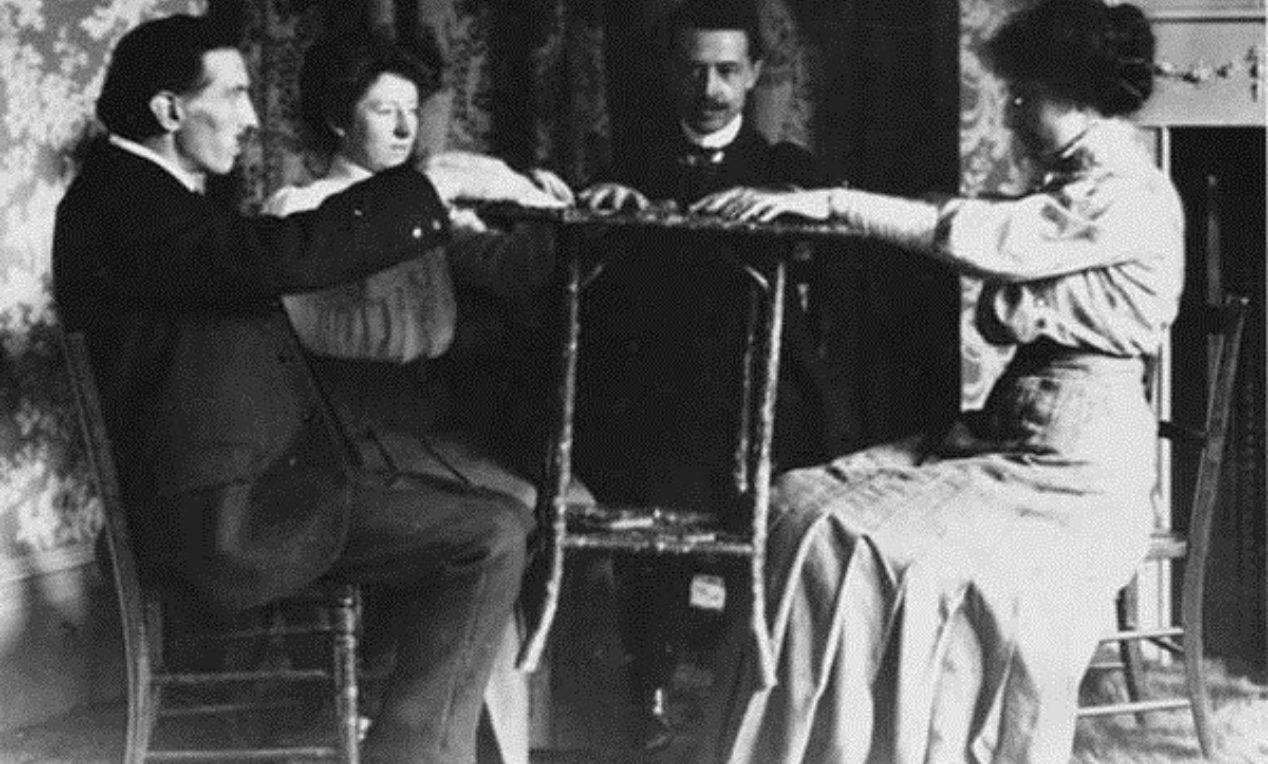
Spiritualist séances
The wealthy gave their money to mediums who claimed to summon spirits.
10
Sugar sculptures
Before mass sugar production, molded sugar centerpieces were an extravagant luxury.
11
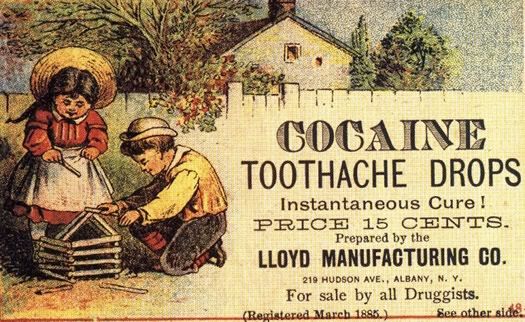
Cocaine toothache drops
Wealthy Victorians indulged in medicines laced with cocaine or opium.
12
Mummia
In Renaissance Europe, wealthy elites bought ground Egyptian mummies as medicine.
13
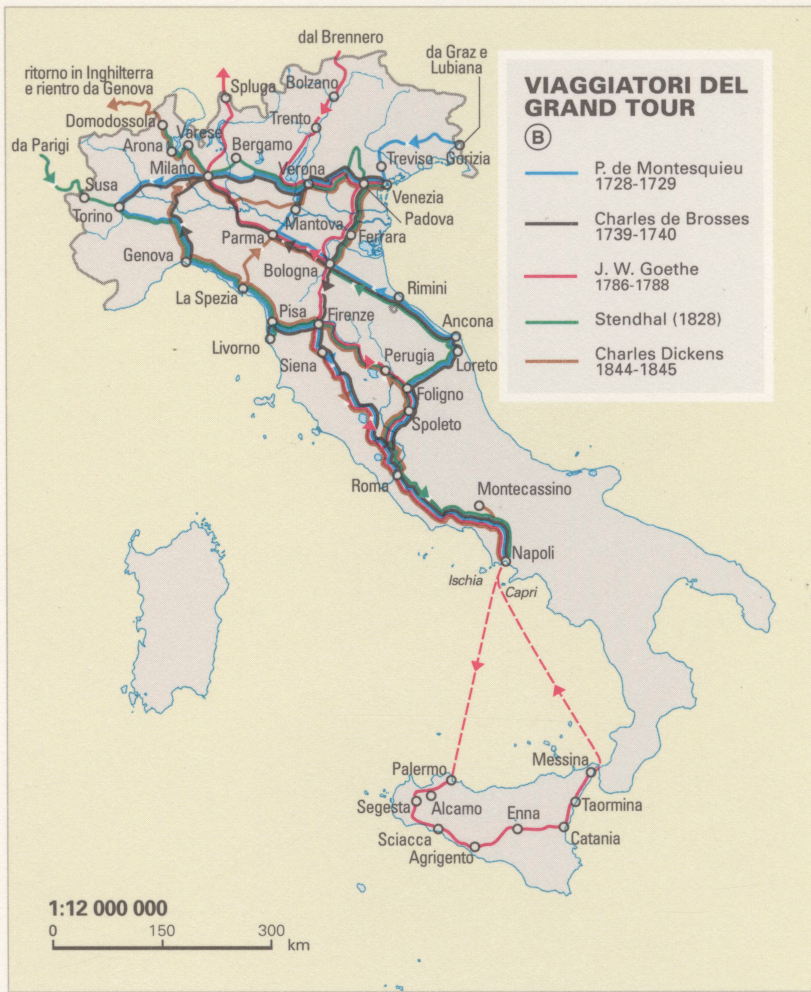
Grand tours
Young aristocrats traveled across Europe to collect art, and culture (and mistresses.)
14
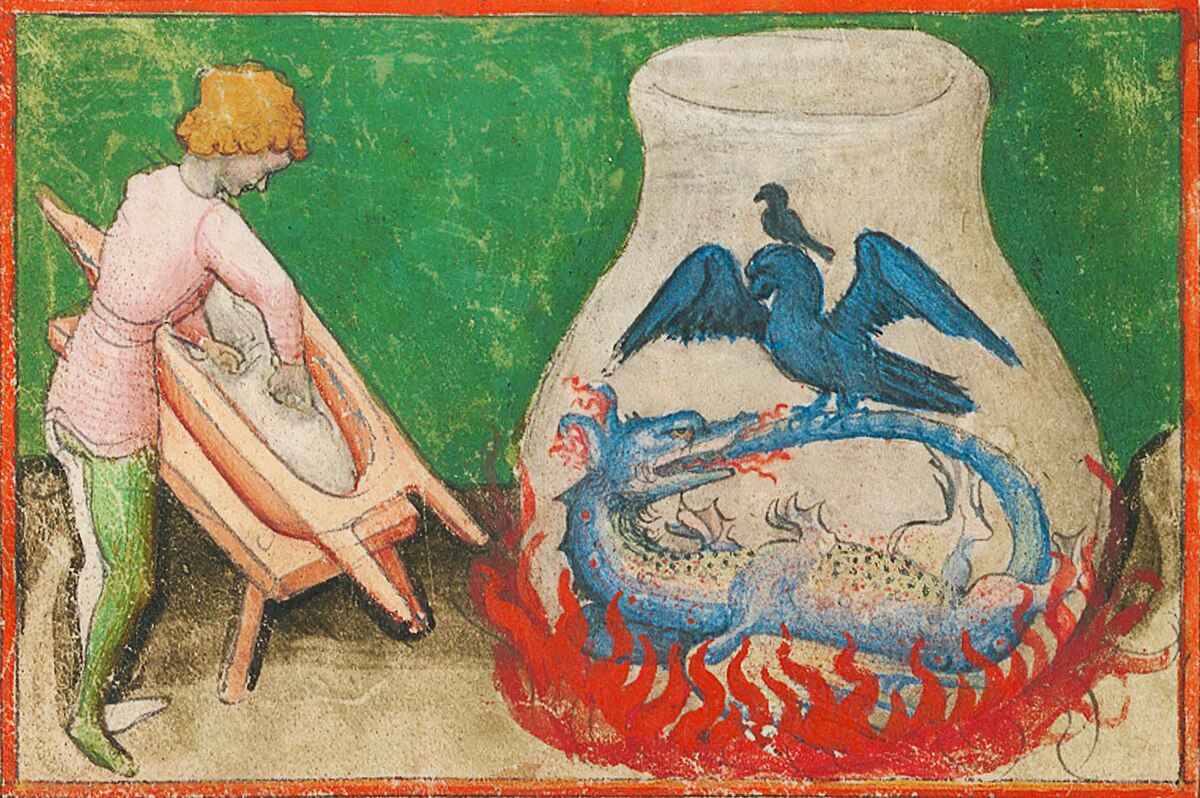
Alchemical elixirs
Renaissance nobles spent fortunes funding alchemists who promised immortality.
15
Tulip mania
At its peak, a single rare tulip bulb could cost as much as a house.
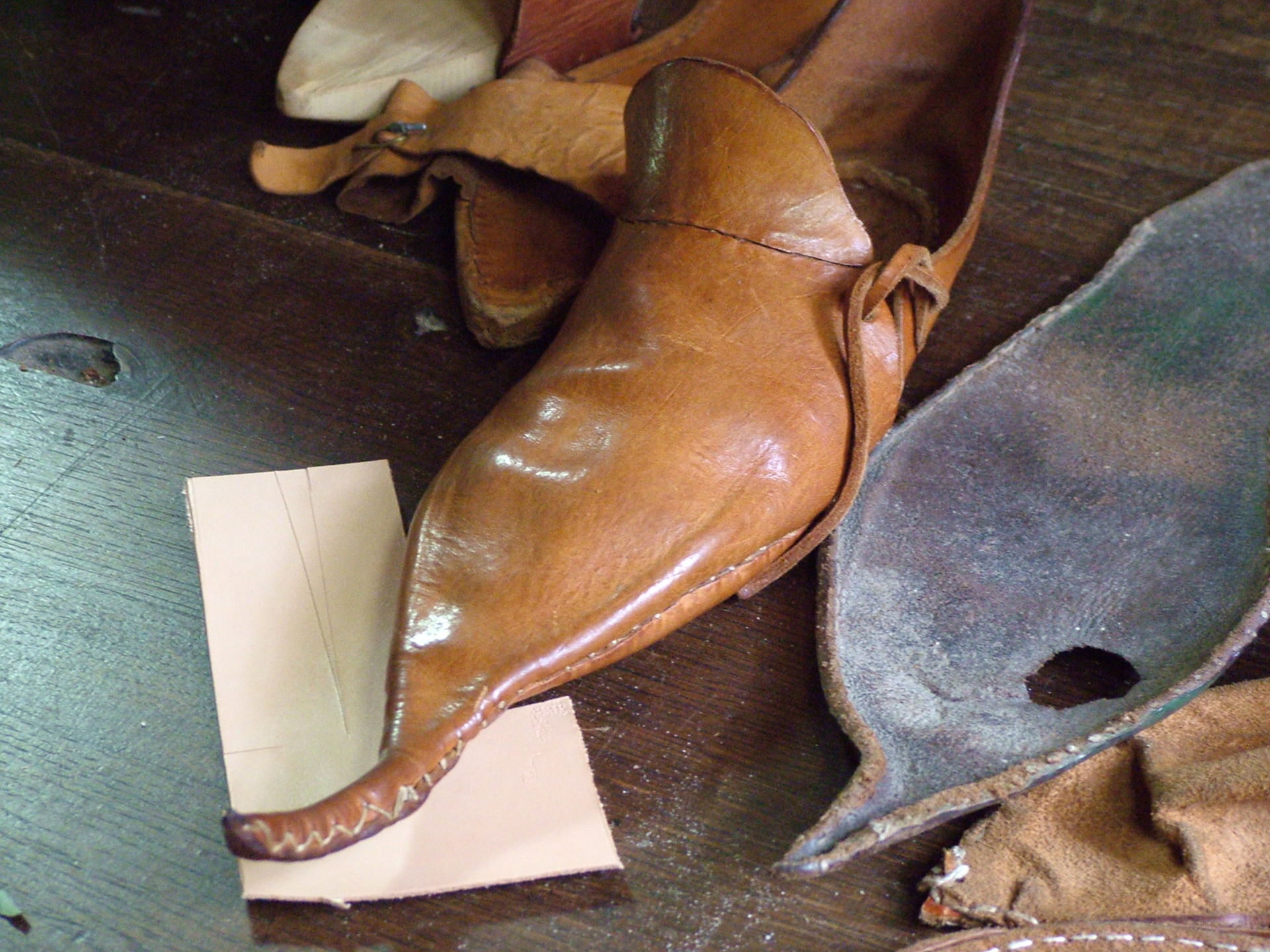
16
Shoes with long, pointed toes
Nobles used to flaunt these kind of long shoe.
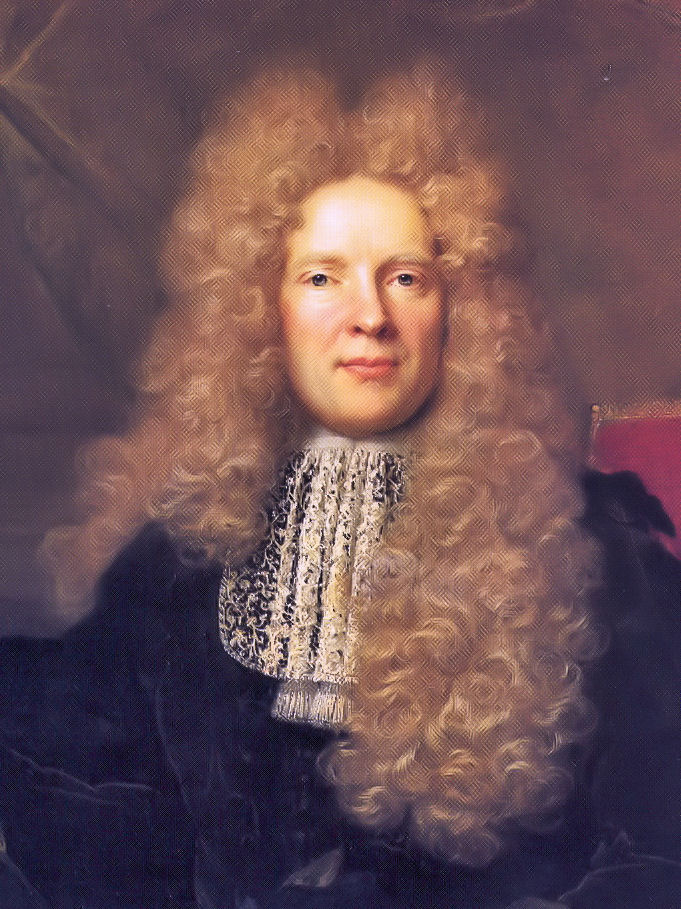
17
Perfumed wigs
Aristocrats powdered wigs with lavender, and even gold dust.
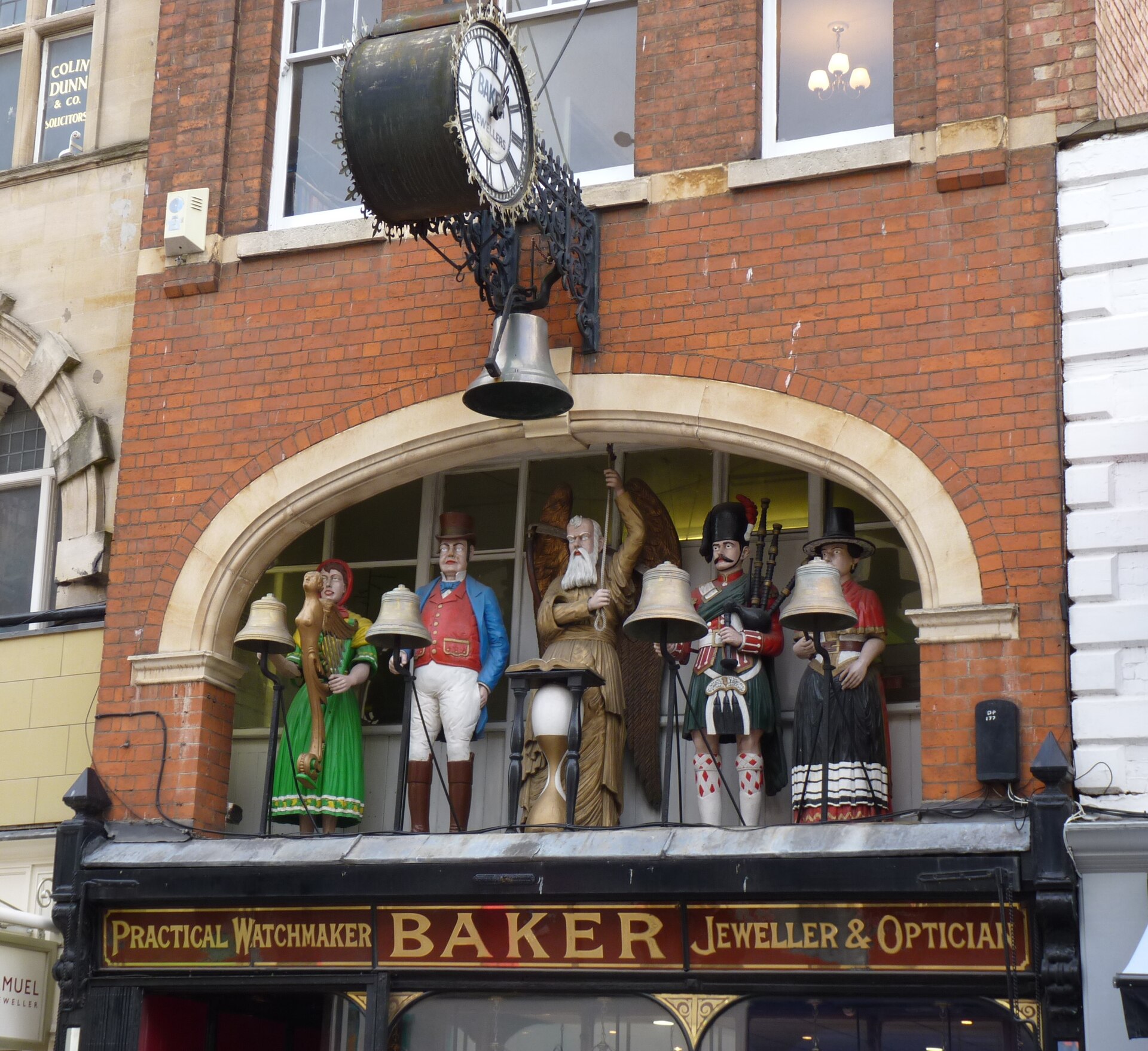
18
Automaton toys and clocks
Engineered moving toys and clocks were prized by nobles.
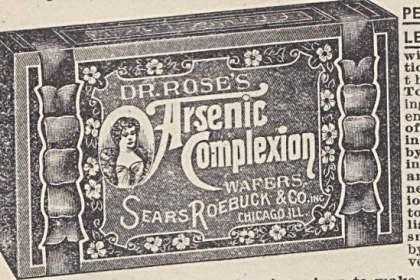
19
Arsenic beauty treatments
Women used arsenic soaps to whiten their skin.
20
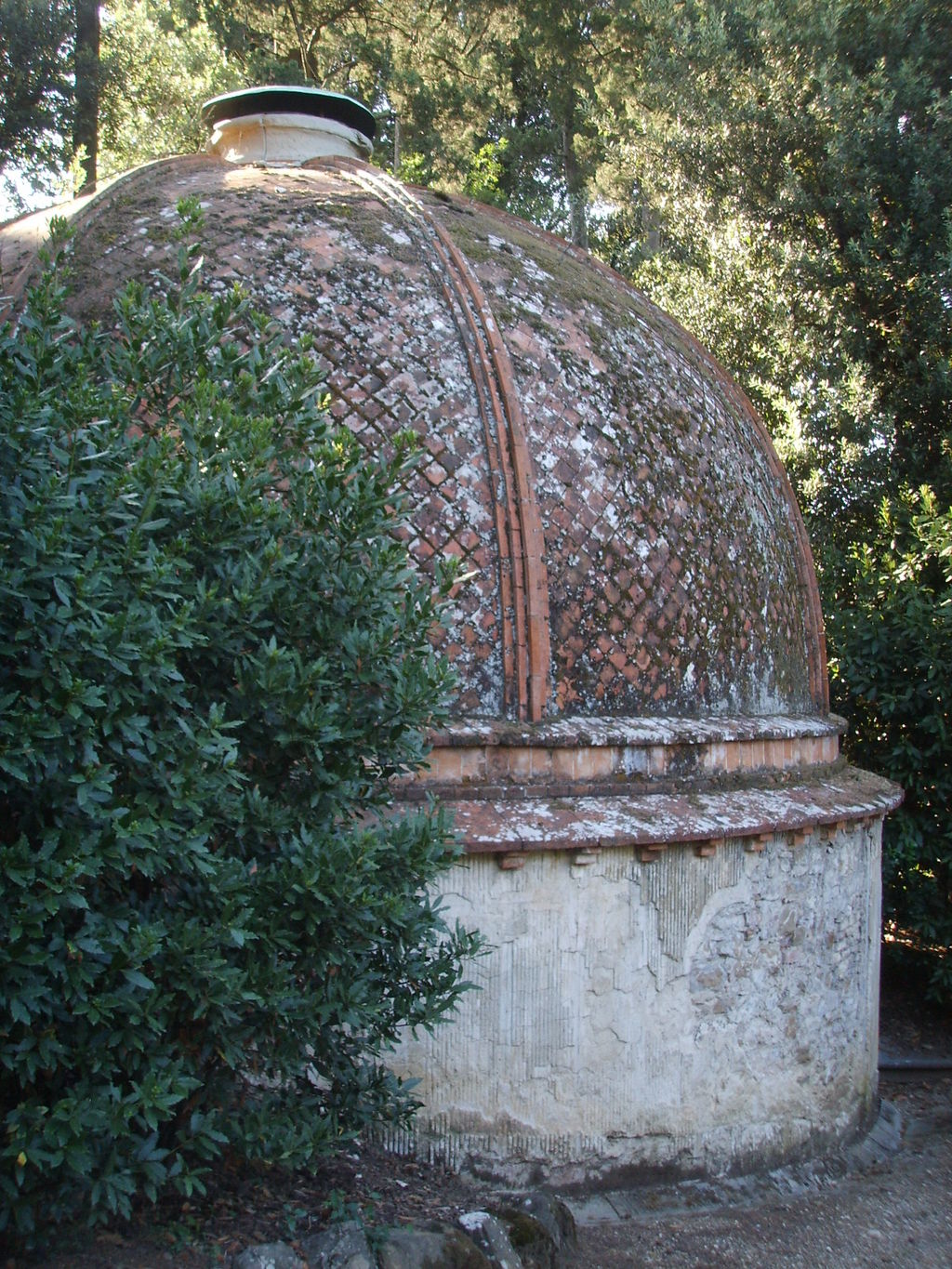
Ice houses/imported ice
Before refrigeration, rich people stored blocks of ice from mountains.

.jpg)


.jpeg)