20 Photos Of Chevrolet At The Very Beginning
A bold vision with wheels.
Published 4 months ago in Wow
Before it became a legend and before the name meant muscle, chrome, and open-road dreams, Chevrolet represented an idea rolling into motion. These early photos take you back to where it all began. Raw ambition, bold design, and that unmistakable drive to go further and faster. Chevy built more than cars, it built freedom.
You’ll see the grit, the guts, and the gears turning on a brand that became a symbol of American steel and spirit. No hype, no gloss, just the real beginning of something built to last and made to move us all.
1
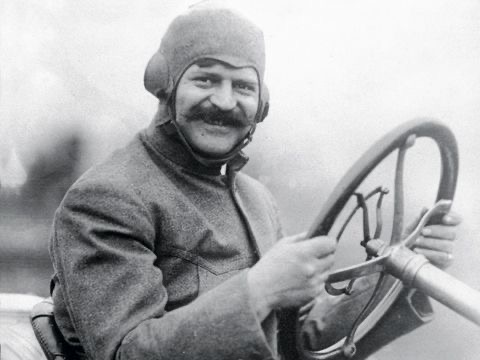
The Visionary Spark: Louis Chevrolet’s Dream Takes Shape
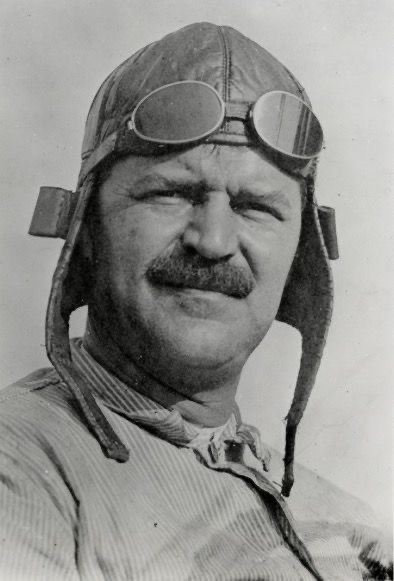
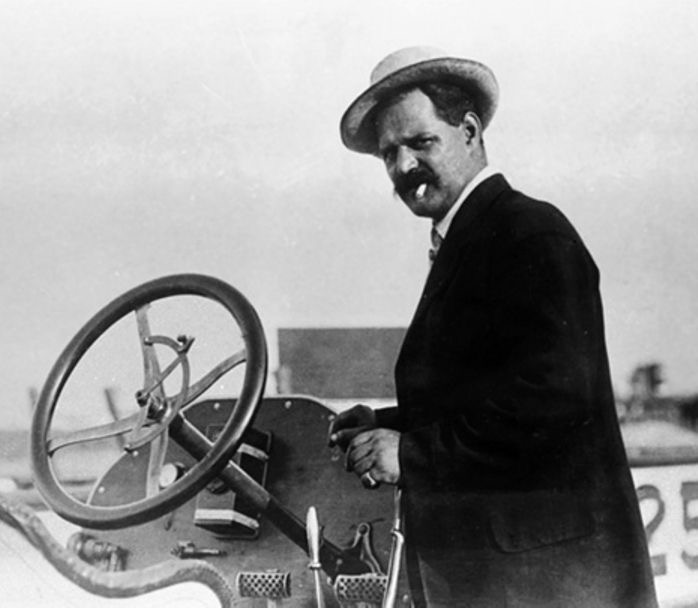
Louis Chevrolet, a Swiss-born race car driver with a passion for speed and engineering, teamed up with William C. Durant in 1911. Their shared vision? To create a car that combined European performance with American reliability: a vehicle that would stand out in a crowded marketplace and redefine what driving meant for everyday Americans.
2
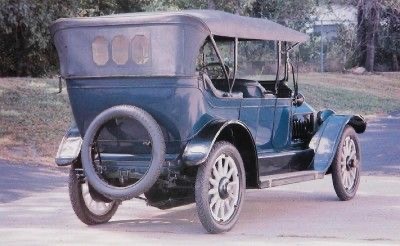
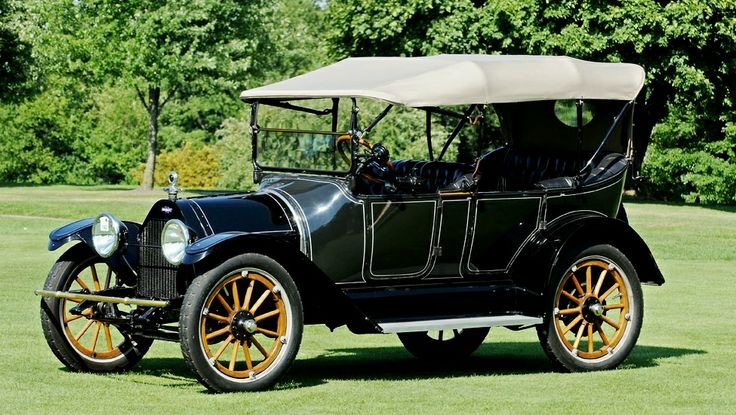
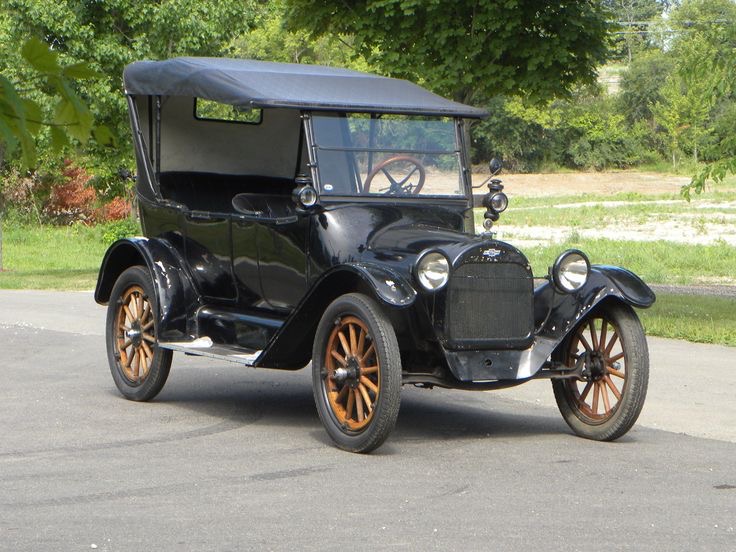
Enter the Chevrolet Series C Classic Six: The Brand’s First Model
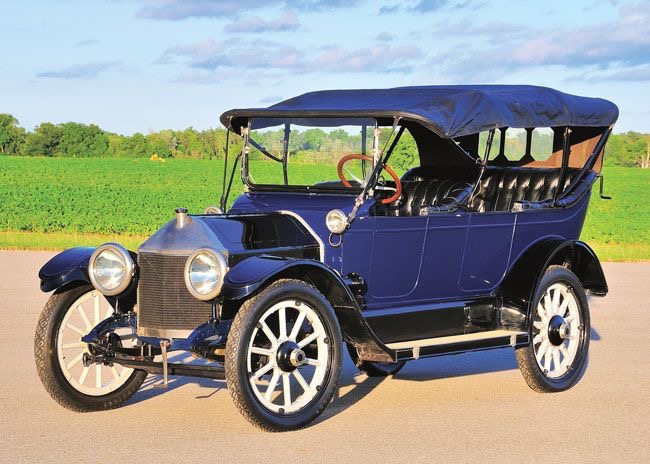
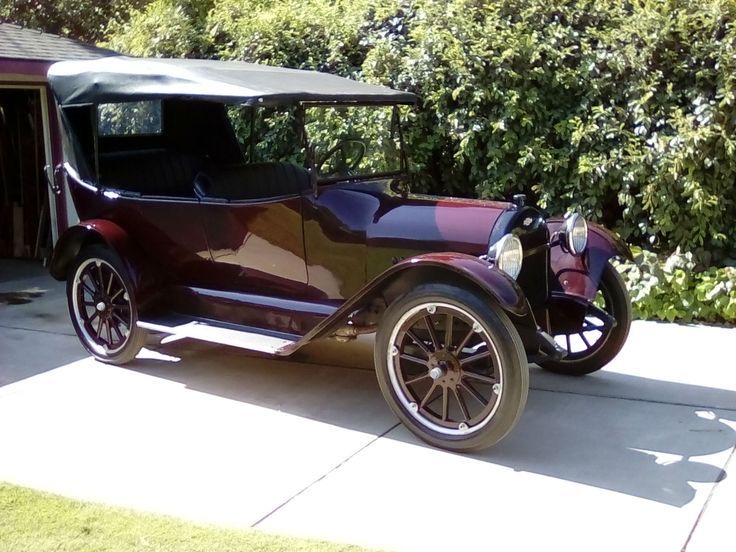
In 1912, Chevrolet launched the Classic Six, a full-sized car boasting a powerful six-cylinder engine. Unlike the small, utilitarian cars of the era, this vehicle offered luxury, style, and performance; a bold statement that Chevrolet was here to compete with the likes of Ford’s Model T and establish itself as a serious contender.
3
Craftsmanship Meets Innovation: Building the First Chevrolet Factory
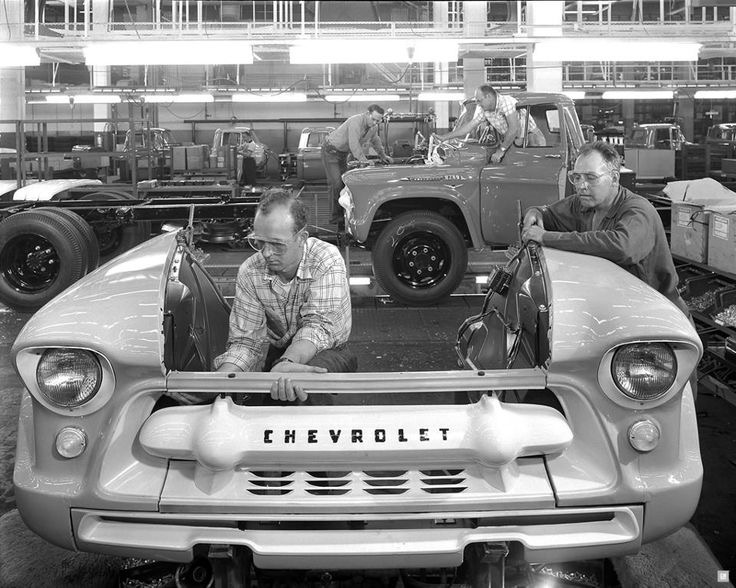
The company’s first factory, located in Detroit, was a hub of innovation. Here, skilled craftsmen and engineers worked tirelessly, balancing hand-built precision with emerging mass-production techniques. It was this fusion that laid the foundation for Chevrolet’s future reputation: quality vehicles built with passion and purpose.
4
The Powertrain That Turned Heads: The Classic Six’s Engine
The Classic Six’s engine was a marvel for its time: a 299 cubic inch, 40 horsepower overhead valve inline-six. This powerplant gave the car remarkable speed and smoothness, offering drivers a taste of performance that was rare for everyday vehicles in the early 1910s.
5
Setting a New Standard: The Classic Six’s Design and Features
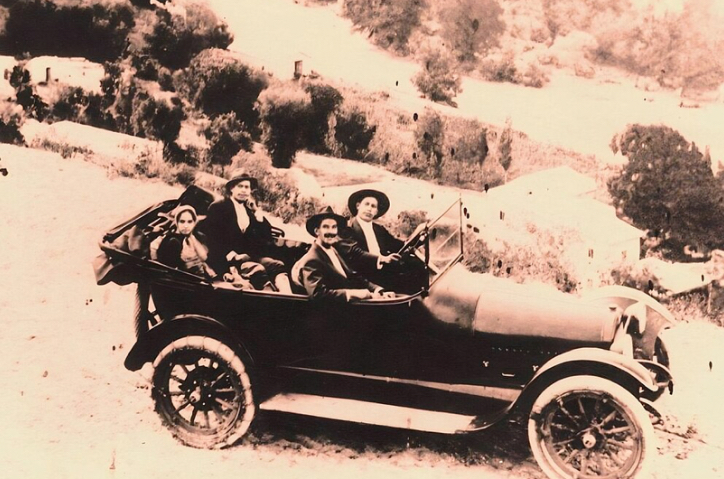
With a spacious 126-inch wheelbase, a stylish open touring body, and luxurious touches like leather seats, the Classic Six was more than just a machine, it was an experience. Chevrolet aimed to attract buyers who wanted both function and flair, mixing rugged dependability with elegance.
6
Rivalry and Reinvention: Taking on Ford’s Model T
At the time, Ford’s Model T dominated the market with its affordable, utilitarian design. Chevrolet’s approach was different: they sought to offer a more powerful, refined alternative. This rivalry sparked innovations that would push both companies (and the entire auto industry) forward.
7
The Founding Partnership: Louis Chevrolet and William Durant’s Bold Gamble
The partnership was volatile but vital. Durant, a savvy businessman, and Chevrolet, a hands-on engineer, balanced each other. Together, they shaped the company’s early identity. However, differing visions and tensions would soon lead to Louis Chevrolet’s departure, marking a turning point in the company’s story.
8
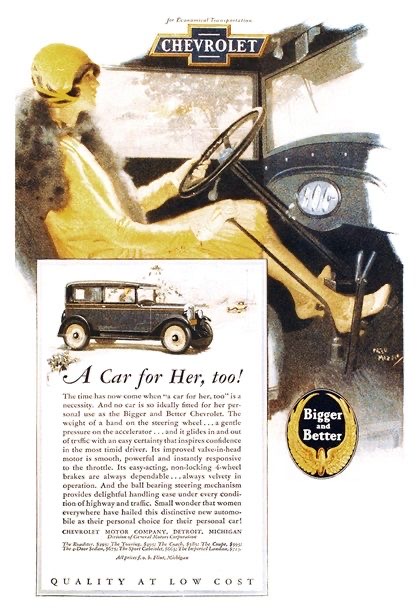
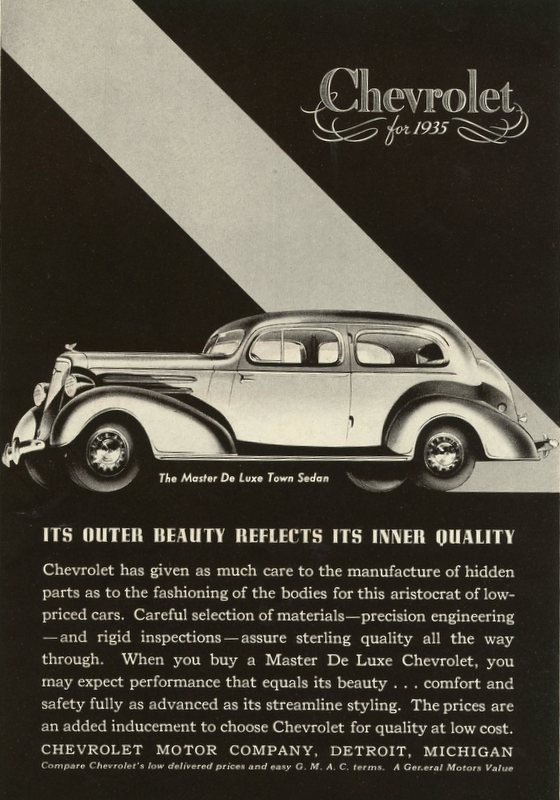
Early Marketing Brilliance: Building a Brand from Scratch
Chevrolet’s early ads highlighted performance, reliability, and style; qualities that resonated with the aspirational middle class. Using racing success and testimonials, they built a reputation for tough, dependable cars that also looked good on Main Street and the open road.
9
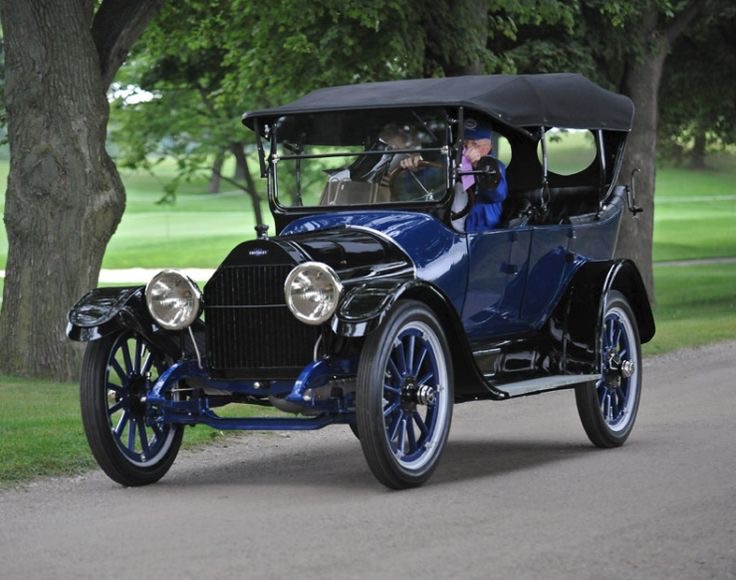
1914’s Chevrolet Series H: Refining the Formula
Following the Classic Six, Chevrolet introduced the Series H, a lighter, more affordable model with a four-cylinder engine. This car was designed to appeal to a broader audience, reflecting the company’s desire to compete head-on with mass-market vehicles while maintaining Chevrolet’s growing reputation for quality.
10
The Turning Point: Chevrolet Joins General Motors
In 1917, William Durant orchestrated Chevrolet’s acquisition by General Motors after a brief period of independence. This move gave Chevrolet access to GM’s resources and dealer network, propelling the brand to national prominence and setting the stage for decades of growth.
11
Manufacturing Milestones: Scaling Up Production Without Losing Quality
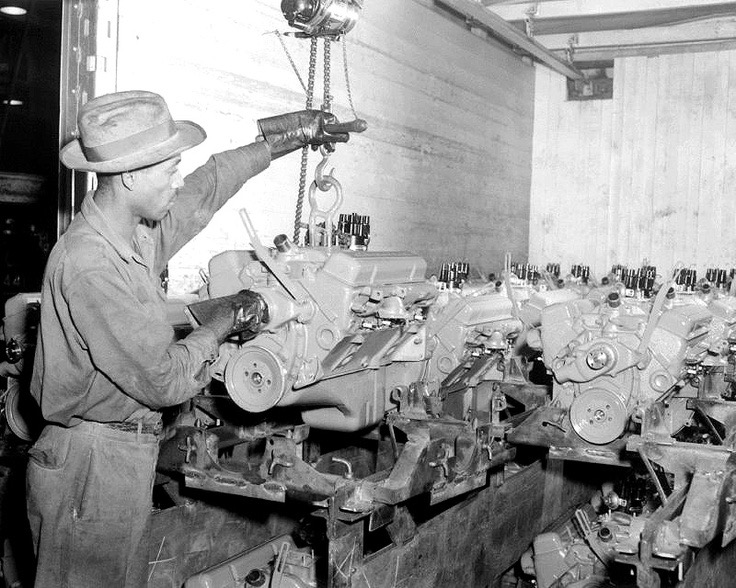
With GM’s backing, Chevrolet expanded factories and adopted assembly line techniques, increasing output dramatically. However, they maintained a focus on craftsmanship and innovation, ensuring that the cars retained their trademark reliability even as volumes soared.
13
Early Racing Roots: How Speed Shaped the Brand’s DNA
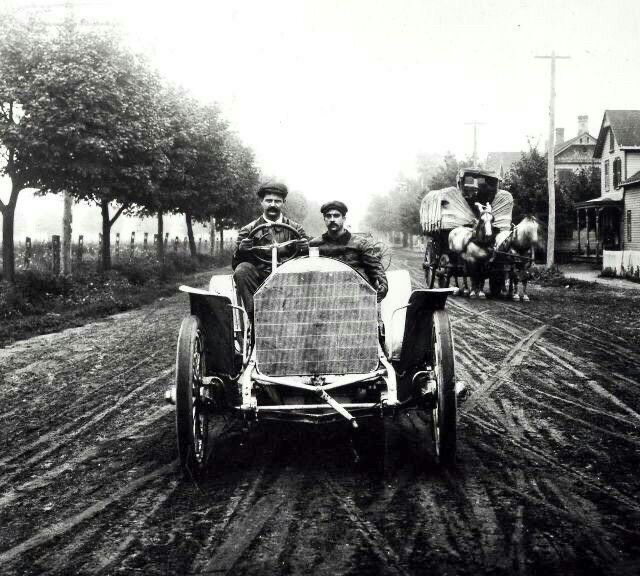
Before mass production, Louis Chevrolet’s background as a race car driver influenced the company’s image. Early racing victories weren’t just trophies, they were marketing tools that positioned Chevrolet as a performance-oriented brand that wasn’t afraid to challenge the status quo.
14
The Role of Innovation: Overhead Valve Engines and More
Chevrolet was among the first to popularize overhead valve (OHV) engines in their early cars, a technology that improved power and efficiency. This innovation helped the brand stand out in an era when many competitors stuck to older flathead designs.
15
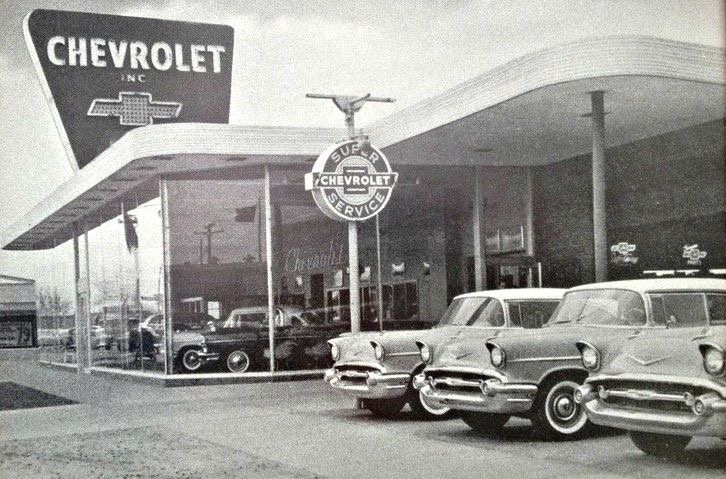
Chevrolet’s Early Dealer Network: Bringing Cars to the People
A growing network of dealers across the country made Chevrolet cars accessible beyond Detroit. These dealerships weren’t just sales points, they became community hubs where the brand’s promise of quality and performance was experienced firsthand.
17
The Classic Six’s Lasting Impact: More Than Just a Car
Though produced for only a few years, the Classic Six set a precedent for the company’s future: a commitment to building vehicles that balanced power, style, and durability. It was a foundational model that helped define what Chevrolet stood for.




Most Popular