Clouds come in all sizes, shapes, and colors; and their distinct formations have been studied by meteorologists for centuries. In this gallery...
Clouds come in all sizes, shapes, and colors; and their distinct formations have been studied by meteorologists for centuries. In this gallery you will find a collection of 21 fascinating and incredible cloud formations. Enjoy!
1
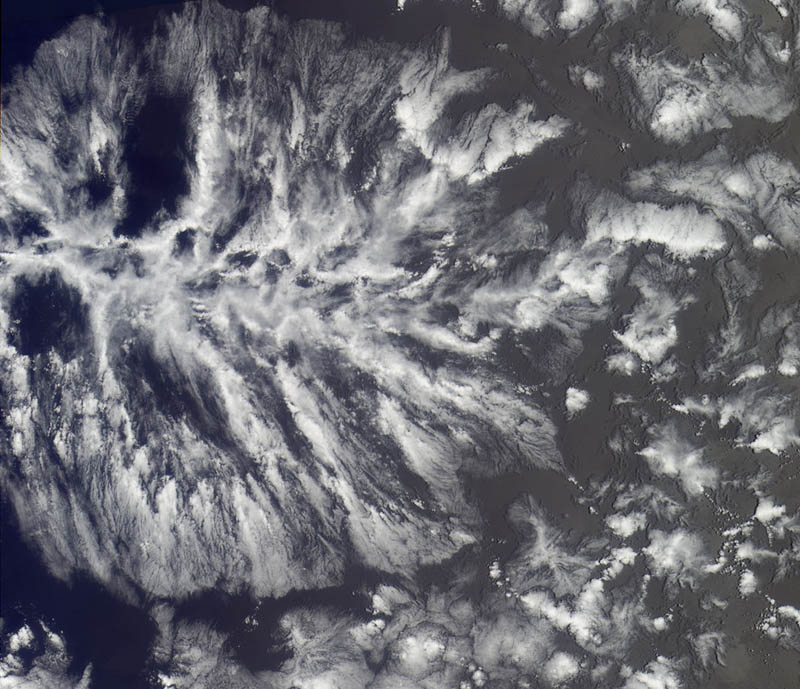
Actinoform clouds: An actinoform or actiniform cloud is a collection of marine low clouds that takes a distinct shape.
2
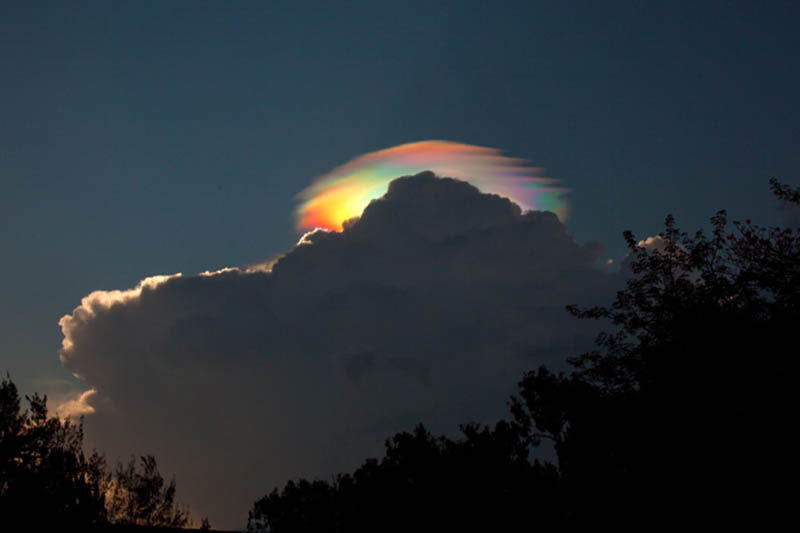
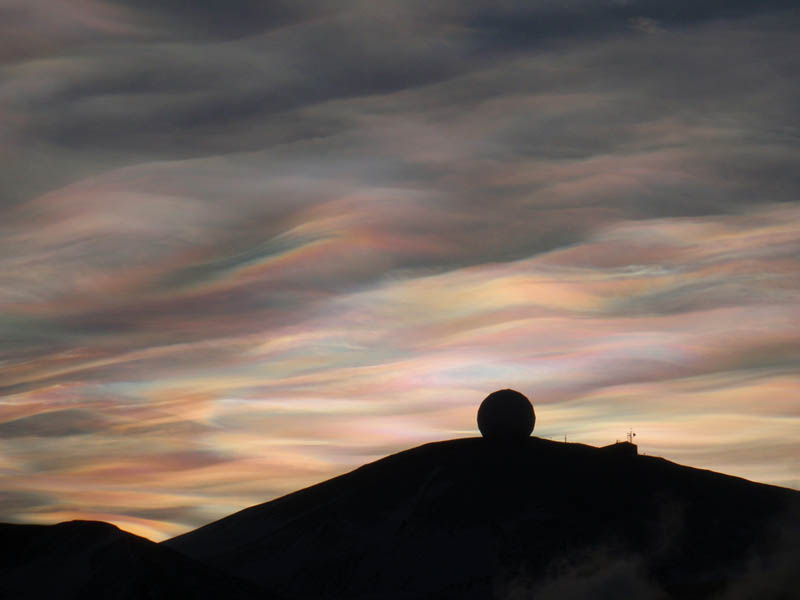
Cloud iridescence is the occurrence of colors in a cloud similar to those seen in oil films on puddles, and is similar to irisation.
3
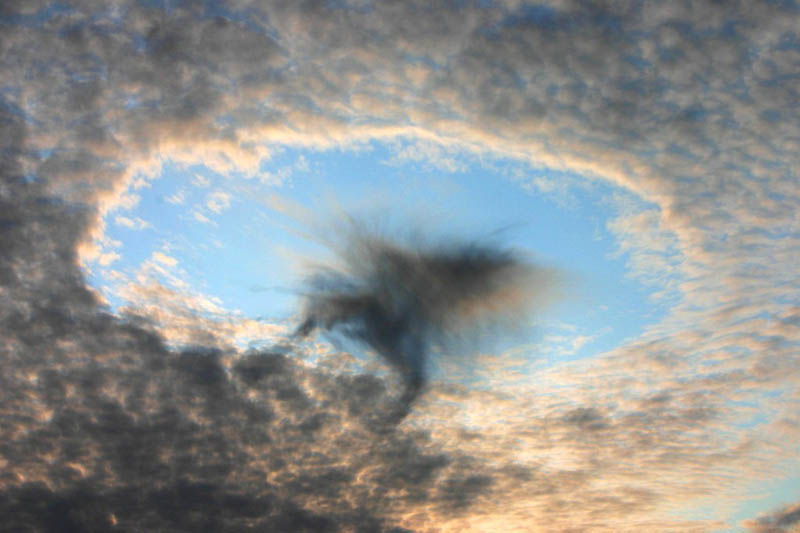
A fallstreak hole, also known as a hole punch cloud, punch hole cloud, canal cloud or cloud hole.
4
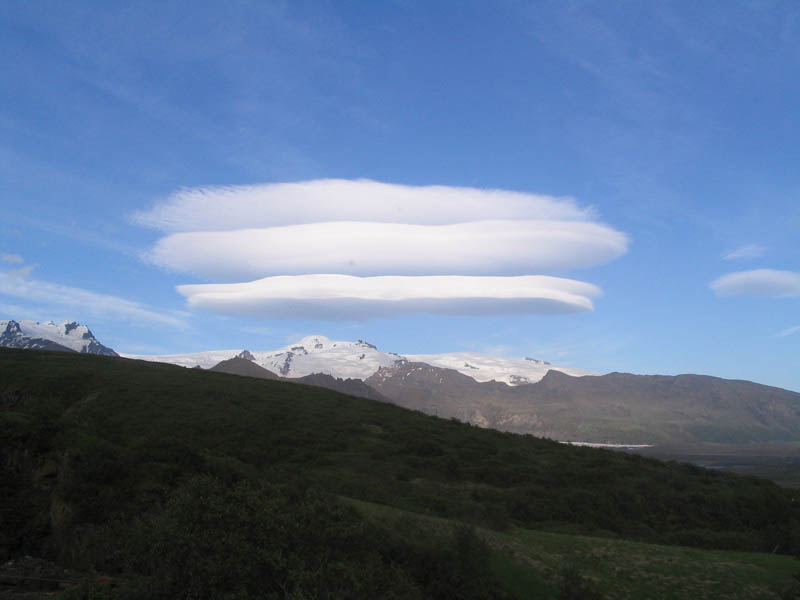
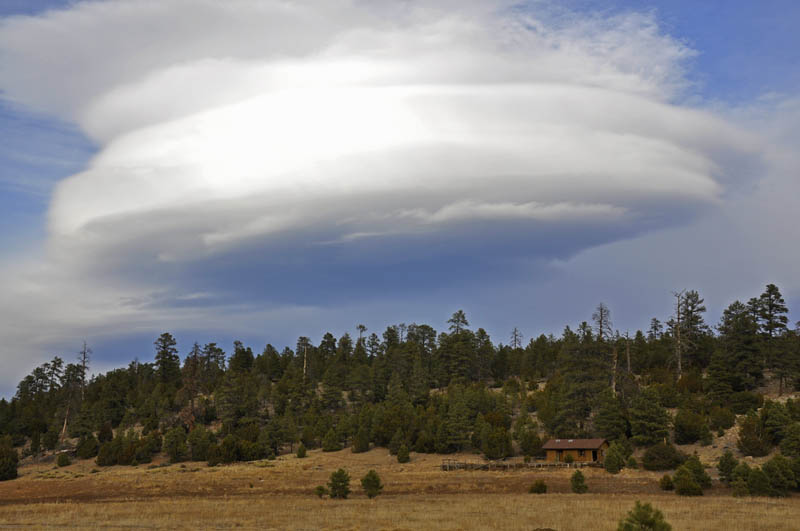
Lenticular Clouds: stationary lens-shaped clouds that form at high altitudes, normally aligned perpendicular to the wind direction.
6
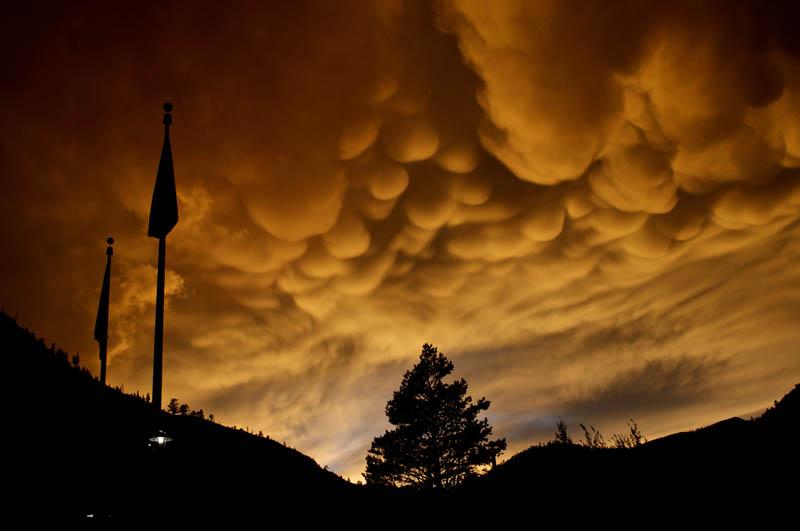
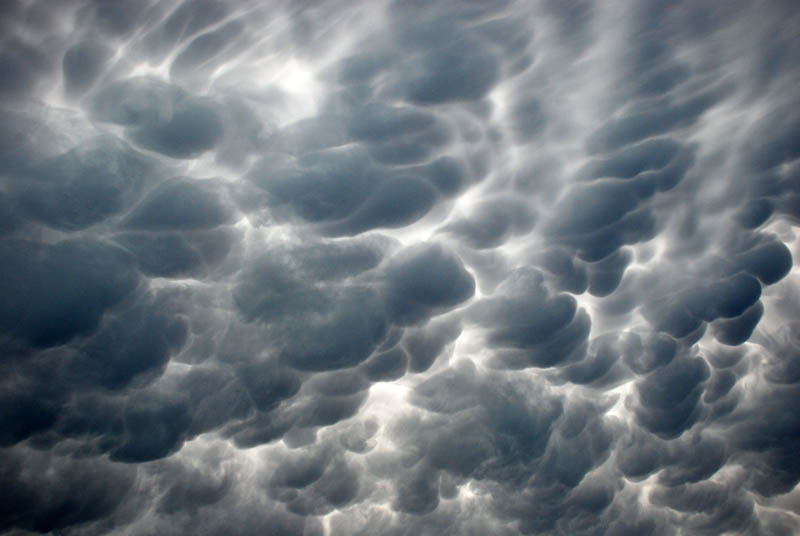
Mammatus clouds: a meteorological term applied to a cellular pattern of pouches hanging underneath the base of a cloud.
7
Mammatus clouds: Mammatus are most often associated with the anvil cloud and also severe thunderstorms.
8
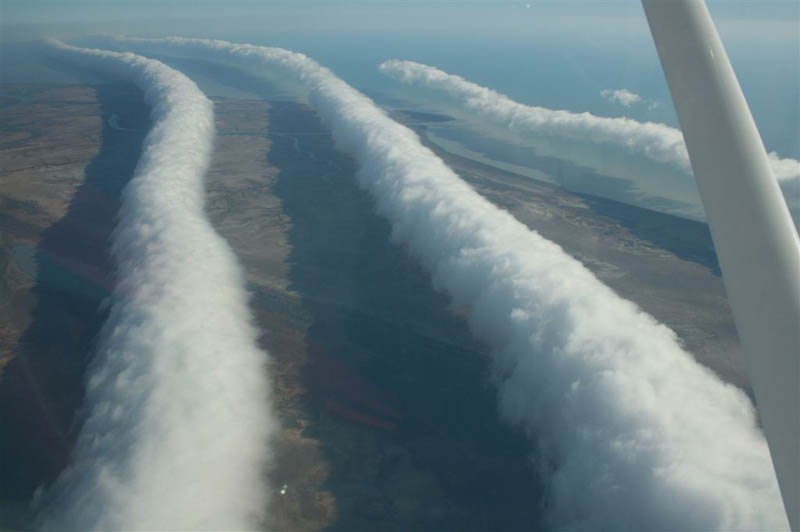
Morning Glory Clouds: A rare meteorological phenomenon occasionally observed in different locations around the world.
9
Polar stratospheric nacerous clouds: Clouds in the winter polar stratosphere at altitudes of 15,00025,000 meters 49,00082,000 ft.
10
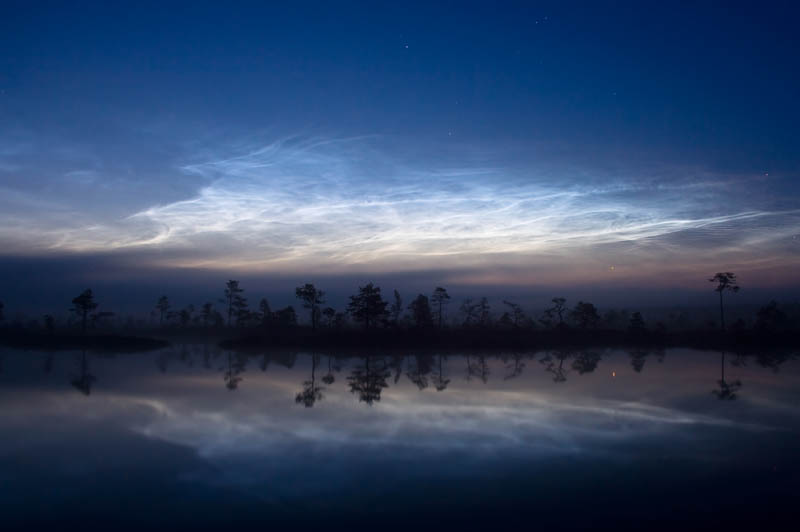
Noctilucent night clouds: Made of crystals of water ice.
11
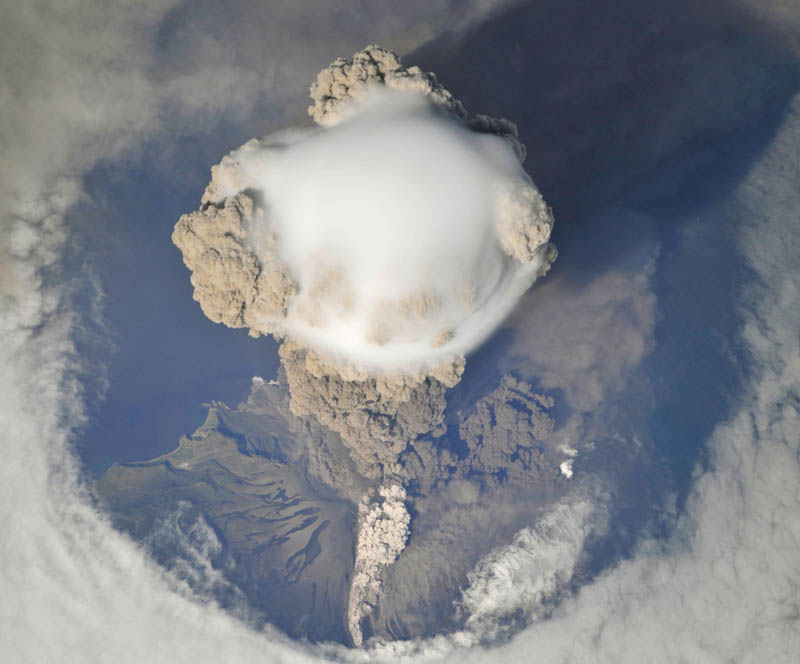
Pileus scarfcap clouds: A small, horizontal, altostratus cloud that can appear above a cumulus or cumulonimbus cloud,
12
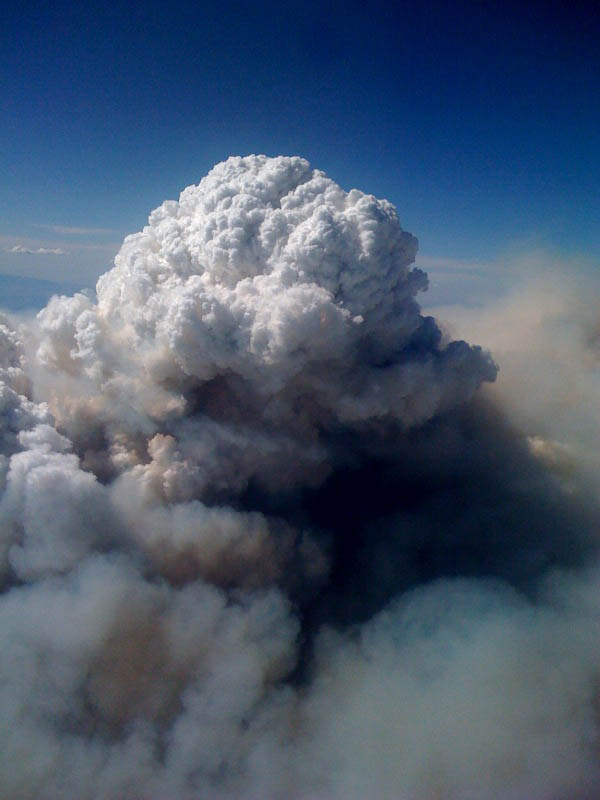
Pyrocumulus cloud: A pyrocumulus, or fire cloud, is a dense cumuliform cloud associated with fire or volcanic activity.
13
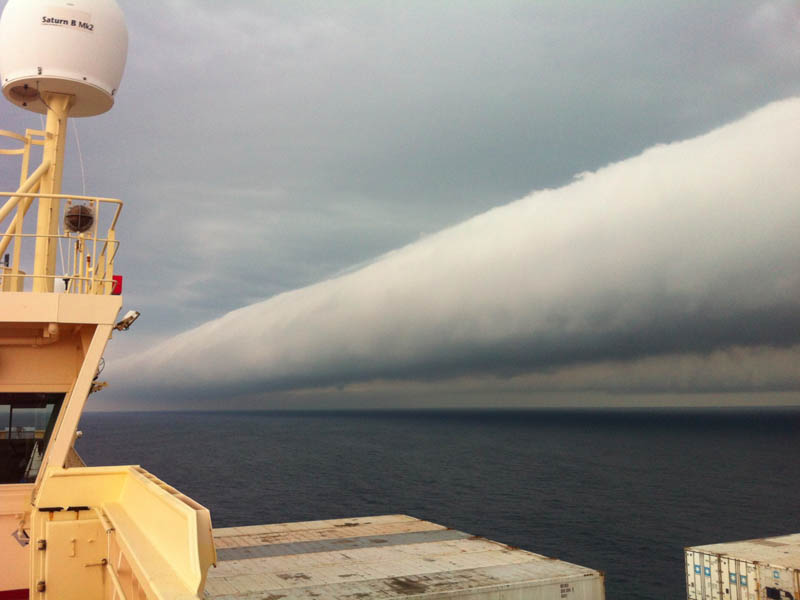
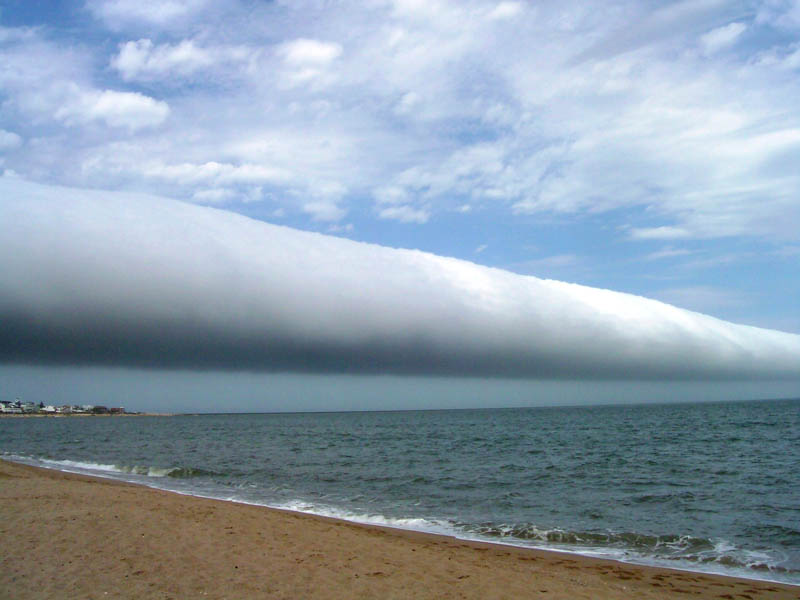
Roll Cloud: A roll cloud is a low, horizontal, tube-shaped, and relatively rare type of arcus cloud.
14
Roll Cloud: One of the most famous frequent occurrences is the Morning Glory cloud in Queensland, Australia.
15
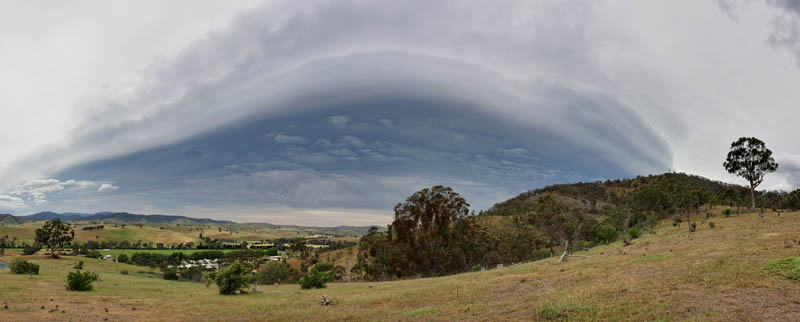
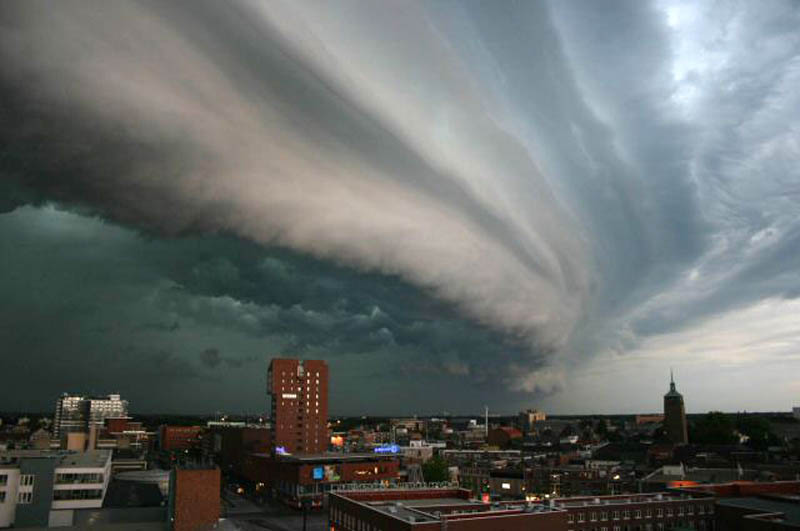
Shelf Clouds: A shelf cloud is a low, horizontal, wedge-shaped arcus cloud. A shelf cloud is attached to the base of the parent cloud, which is usually a thunderstorm.
16
Shelf Clouds: Cool, sinking air from a storm clouds downdraft spreads out across the land surface, with the leading edge called a gust front.
17
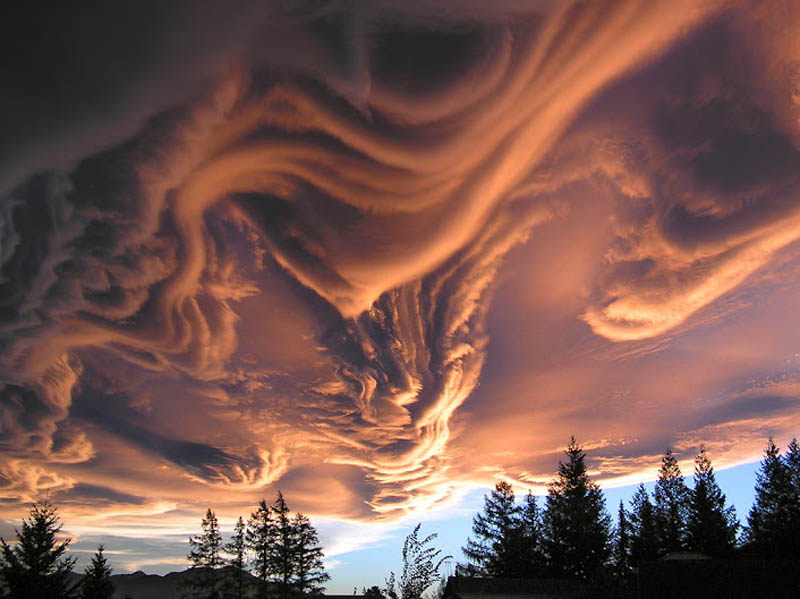
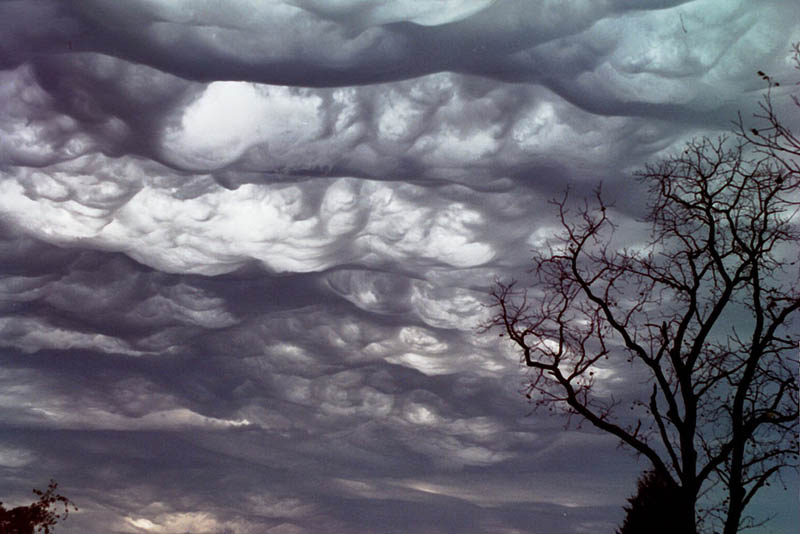
Undulatus asperatus: The clouds are most closely related to undulatus clouds.
18
Undulatus asperatus: The ominous-looking clouds have been particularly common in the Plains states of the United States, often during the morning or midday hours following convective thunderstorm activity.
19
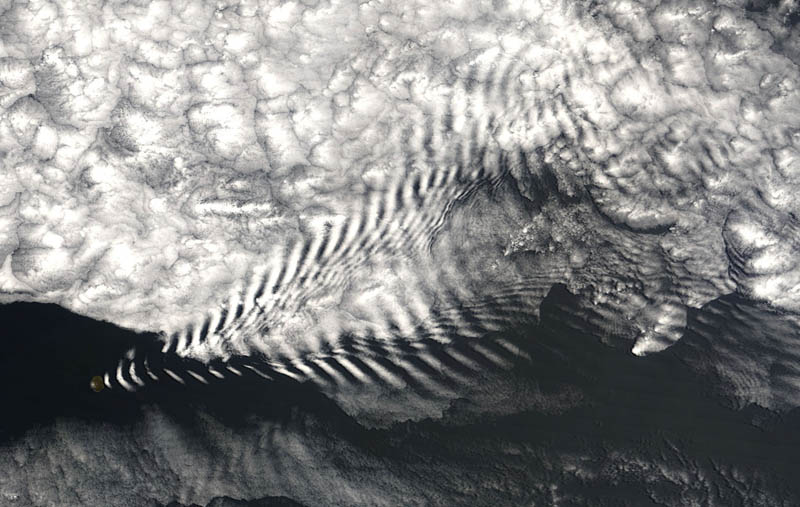
Wave Clouds: wave cloud is a cloud form created by atmospheric internal waves.
20
Wave Clouds: If there is enough moisture in the atmosphere, clouds will form at the cooled crests of these waves.