35 Facts About The World That Might Blow Your Mind.
Interesting stuff you may not have known.
Published 2 years ago in Wow
1
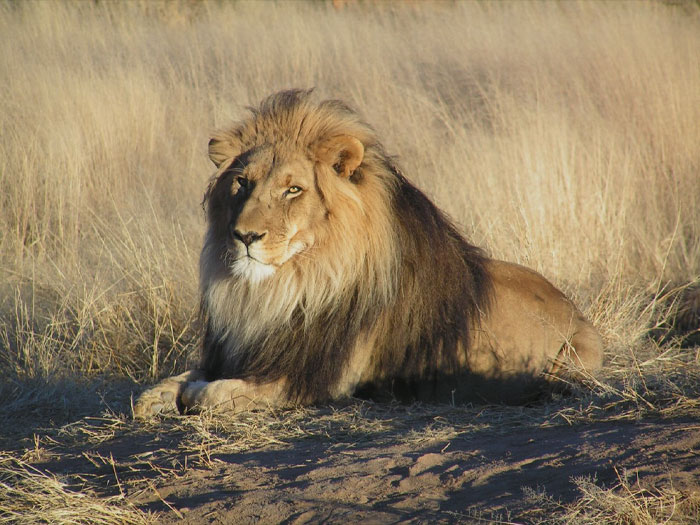
Kings of the jungle, lions once ruled the continent of Africa and were even present on the European continent, before they were driven out. According to official records, lions are extinct not only in Europe but also in 26 African countries. It’s sad to imagine how much of the lion population has been wipped out.
2
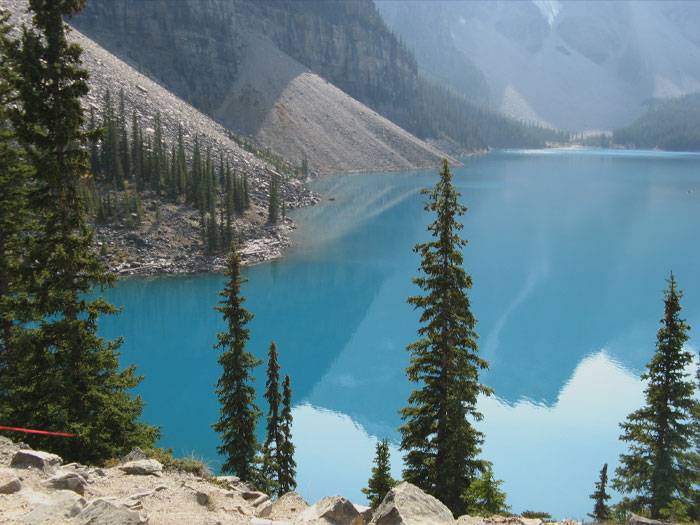
Second by size but first with the number of lakes, Canada outmatches every other nation with the number of lakes it has. A survey found that Canada has the most lakes per square kilometer in the entire world. Canada is home to an astounding 62% of the 1.42 million lakes globally, with a size greater than 0.1 square kilometers.
3
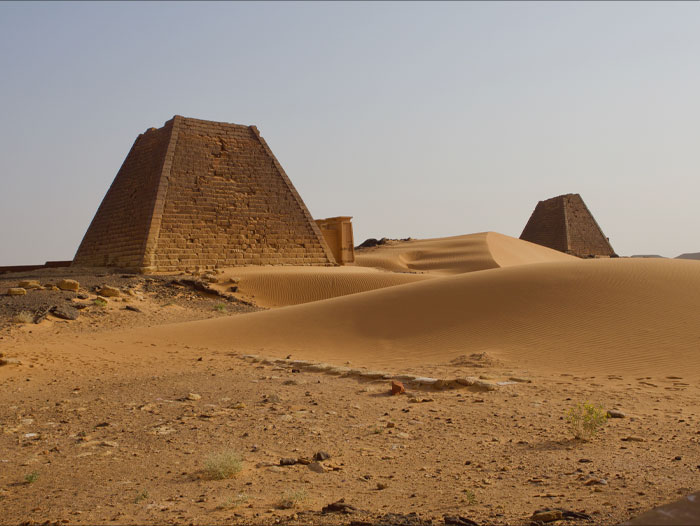
There are a lot of interesting facts surrounding the pyramids. The Giza pyramids are just some of the oldest pyramids in the world. In fact, Sudan has more ancient pyramids than Egypt. Apparently, there are 138 pyramids in Egypt and 200–255 pyramids in Sudan. Interestingly, the pyramids in the latter were not built by ancient Egyptians, who may have moved further south.
4
When the closest other person to you is an astronaut in space, then you know you are quite far from civilization. Point Nemo is as remote as remote can be. Whenever they fly over Point Nemo, astronauts on the International Space Station, which is 415.211 km (258 mi) distant, are the closest people to this point.
5
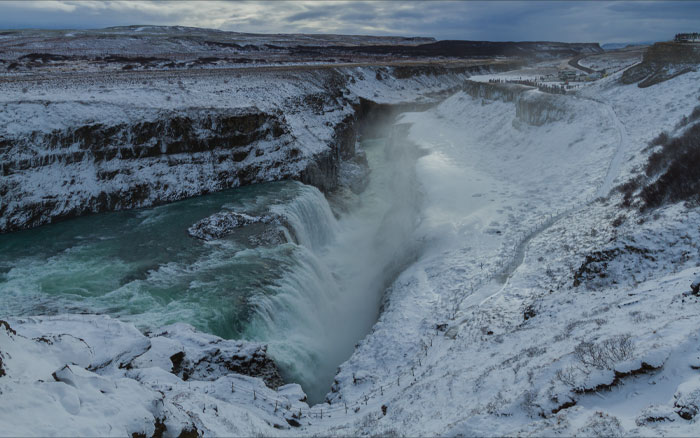
Who likes mosquitoes? Probably no one. Lucky for you, Iceland is free of them. Although they are widespread in other nations, they aren’t in Iceland. Because of the chilly climate, mosquitoes can't enter Iceland and cannot deposit their eggs on the ground, preventing them from colonizing the island.
6
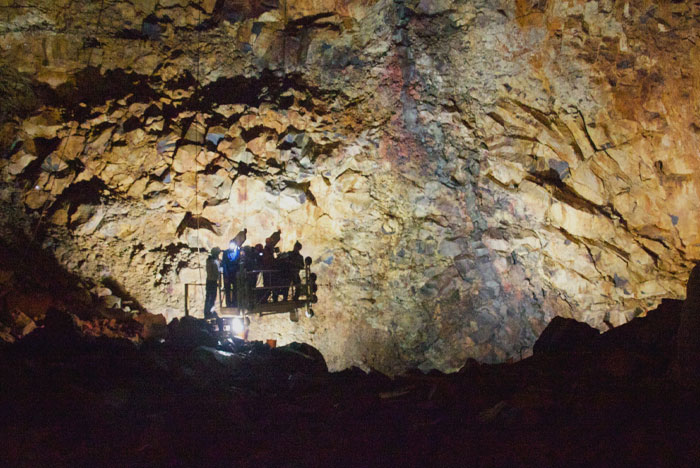
Iceland — the volcano nation. If you ever visit this island, be sure to visit the volcanic magma chamber that is open to tourists. A volcano's magma chamber is frequently referred to as its heart. That is where all the "bad stuff" happens. The only notable exception to this is the Þríhnúkagígur volcano, where the magma in the chamber appears to have vanished.
7
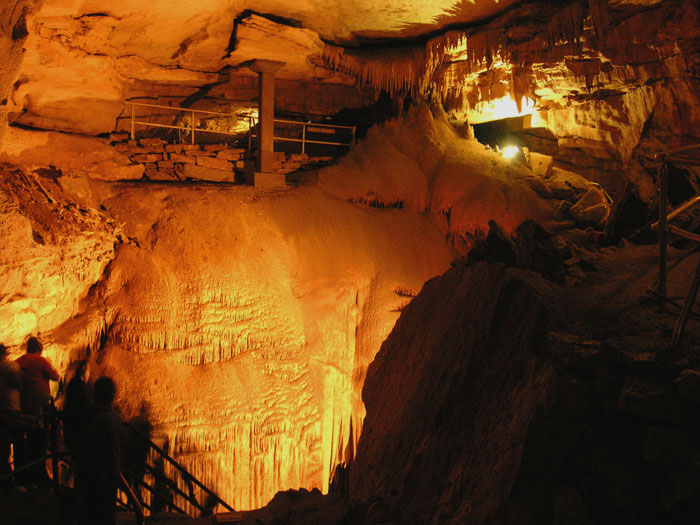
While Kentucky might be known today as being the homeplace of Kentucky whiskey, it is also a host to more caves than any other place on Earth. The longest cave system, known as Mammoth Cave National Park, is located in this east coast state. So get your gear, get those tickets and go explore (with a guide, of course) just how deep this state goes.
8
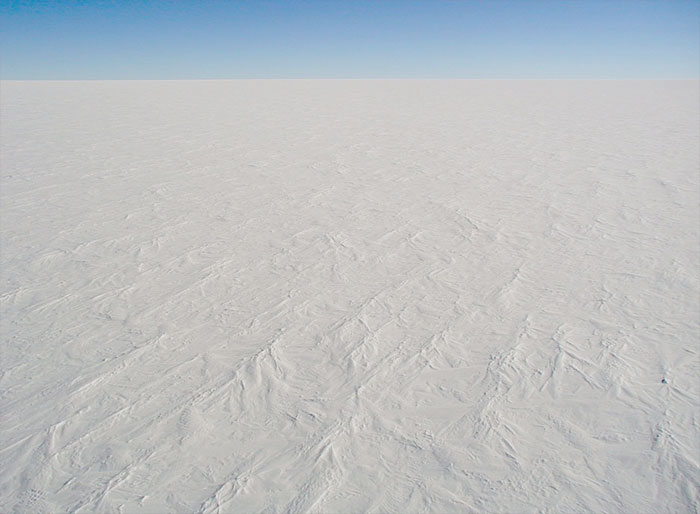
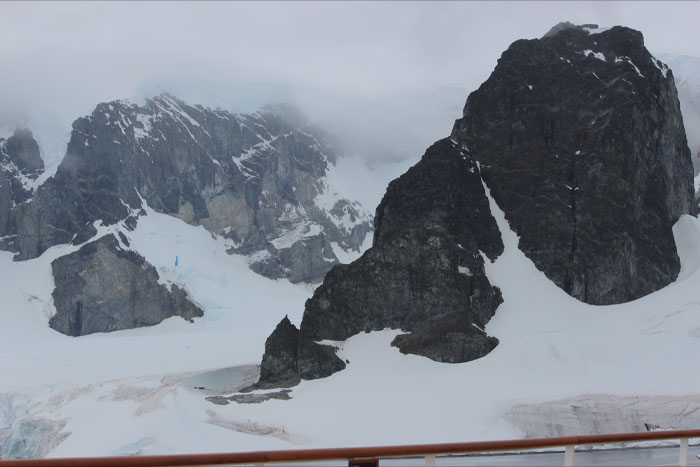
Antarctica is the largest desert? Something is not right. Sometimes, a desert is not only composed of sand. Deserts can be described as being a dryish place with no possibility to survive for a long period. By this description, Antarctica has one of the largest deserts on Earth. Interesting geography facts like these only showcase how Antarctica is unique as a continent.
11
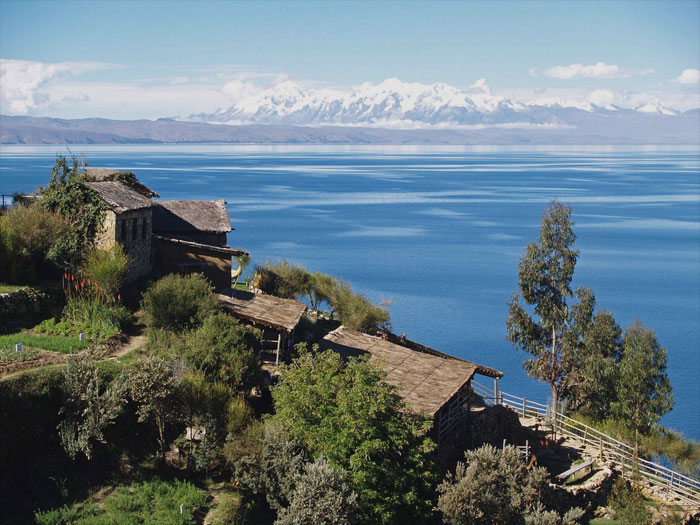
Seeing an island in the ocean is a common thing to see, but what about a floating island on a lake? Well, Peru has a number of them. The world's highest navigable lake, Lake Titicaca, has a small area where the movable Uros Islands are located. It's safe to assume that nowhere else on the planet is like it.
12
Nobody likes to fly or ride for a long time. It just becomes too boring to sit in one seat and just wait. The longest airline route in the world, from Singapore to New York, will be operated by Singapore Airlines from October. Approximately 15,322 km (9,521 mi) are covered over the route. Now that is quite a long flight!
13
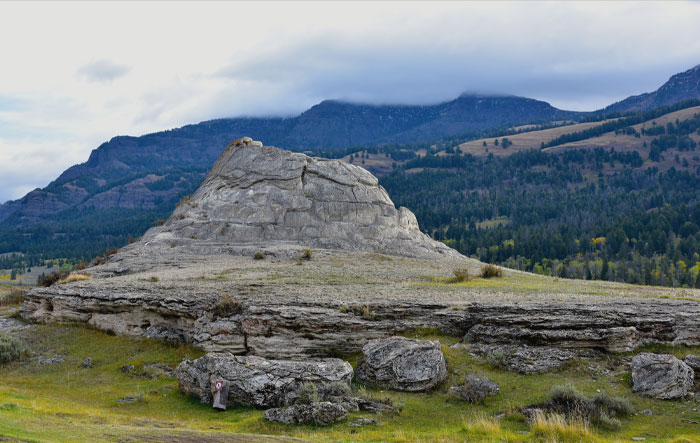
A simple volcano alone might be scary, but a supervolcano? Now, that is truly scary and amazing. Being the first natural park in the USA, Yellowstone is special. A big part of the park rests on top of a supervolcano. While the last time the Yellowstone supervolcano erupted was 640,000+ years ago, one might just wonder what kind of power and destruction lies beneath this park.
14
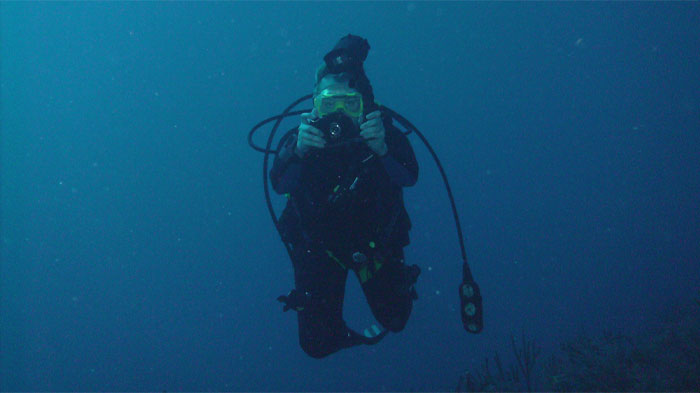
The Mariana Trench, also known as Marianas Trench, is a deep sea trench that runs down the bottom of the western North Pacific Ocean. It is the deepest trench that is known to exist on Earth and is predominantly found to the east and south of the Mariana Islands. Challenger Deep, a minor valley with steep walls on the bottom of the main trench southwest of Guam, is where the greatest depths are found. Cool facts like these might make you want to take a swim in the ocean!
15
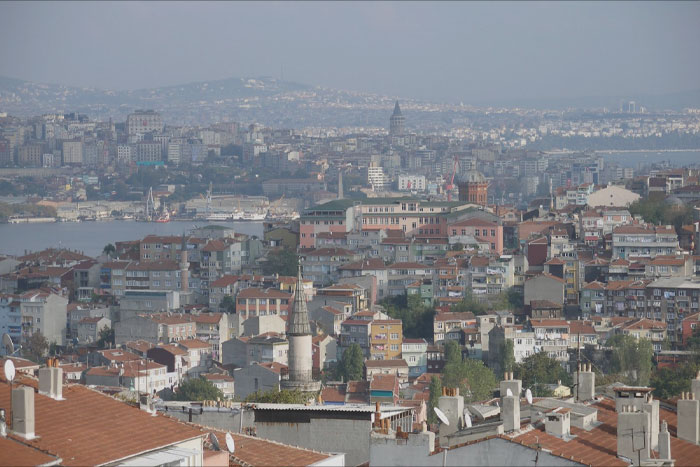
Situated on the entrance between the Black and Mediterranean seas, Istanbul is the largest city in Turkey, but not the capital city. It is also located on two different continents — Europe and Asia. The city is united by a system of bridges, but both sides of the city are still quite different. The European side has banks and historical buildings, while the Asian side is a bit more relaxed.
16
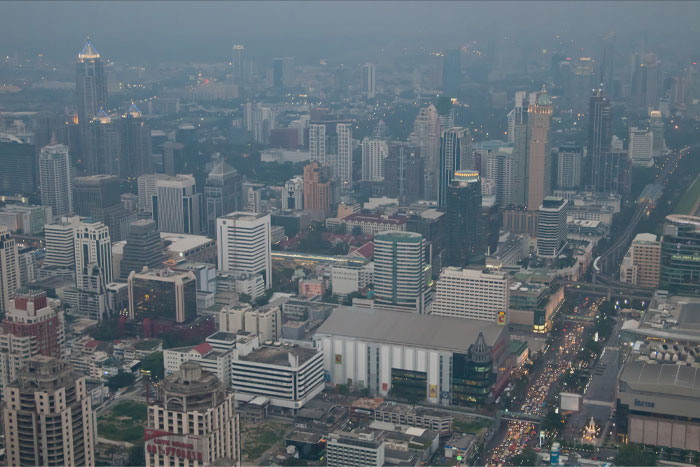
While the Sweden town of “Ö” takes the title of the shortest town name, Bangkok might take the title of the longest name with 163 letters. Ready? Krung Thep Mahanakhon Amon Rattanakosin Mahinthara Yuthaya Mahadilok Phop Noppharat Ratchathani Burirom Udomratchaniwet Mahasathan Amon Piman Awatan Sathit Sakkathattiya Witsanukam Prasit. Try remembering that.
17
While Russia might be cold, how cold can it get on Earth overall? The Vostok station in Antarctica reported the lowest air temperature ever measured at the planet's surface on July 21, 1983, at 02:45 UT, with a reading of -89.2°C (-128.56°F). Due to its high susceptibility to marine air mass intrusions as Rossby wave activity shifts across the peninsula, the surface temperatures at Vostok station in the winter are highly changeable.
18
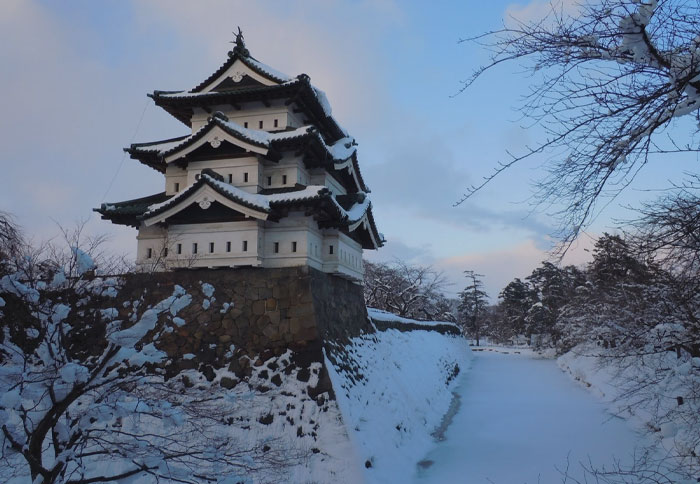
With Japan being stuck on an island, the weather there gets crazy from time to time. The majority of the 312 inches of snow that falls in Aomori City each year occurs between November and April. Because of the city's chilly winter temperatures, colliding winds speed cloud formation, which leads to significant precipitation that falls as snow rather than rain. Unbelievable facts like these only boost the tourism sector of this town.
23
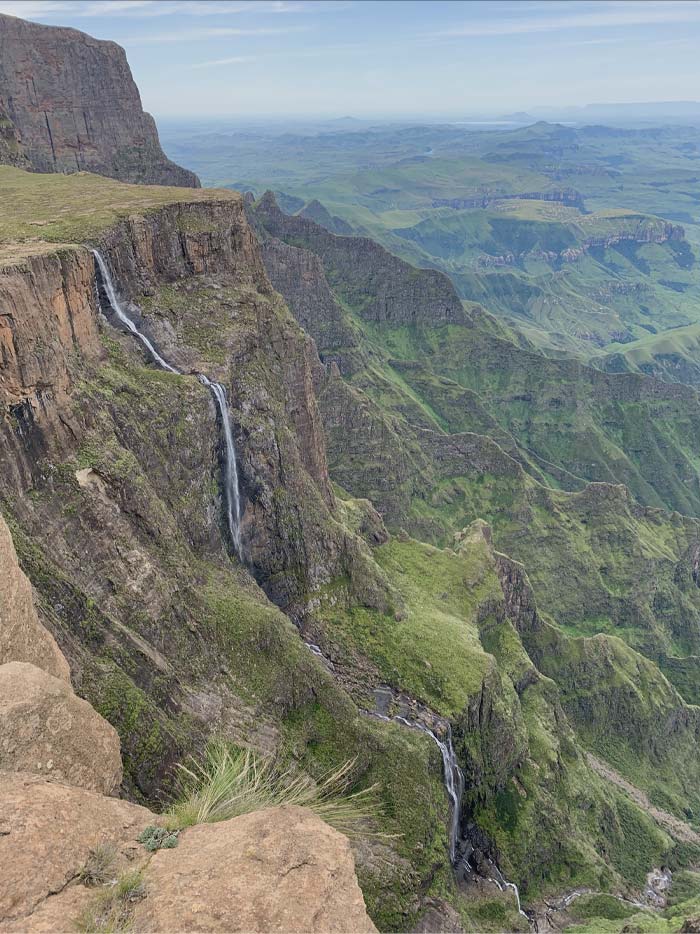
In the KwaZulu-Natal Province of the Republic of South Africa, the Drakensberg of Royal Natal National Park is home to the complex of seasonal waterfalls known as Tugela Falls. With an uninterrupted leap of 411 m (1348.43 ft) and a total drop of 947 m (3106.96 ft), it may be the tallest waterfall on Earth, according to some measurements.
26
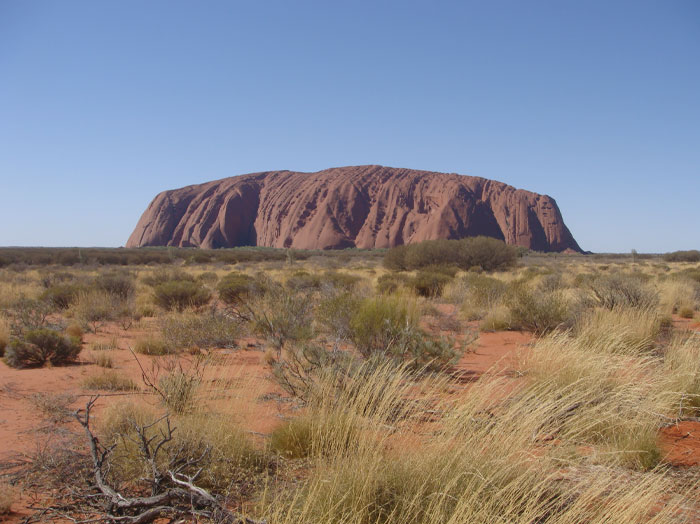
Rocks! They are everywhere, but Australia probably has the largest ones. At a height of 2,831 feet (863 meters) above sea level, Uluru/Ayers Rock stands 1,142 feet (348 meters) over the surrounding desert plain. Explorer Ernest Giles initially noticed the rock in 1872. Surveyor William Gosse was the first European to visit it the following year.
28
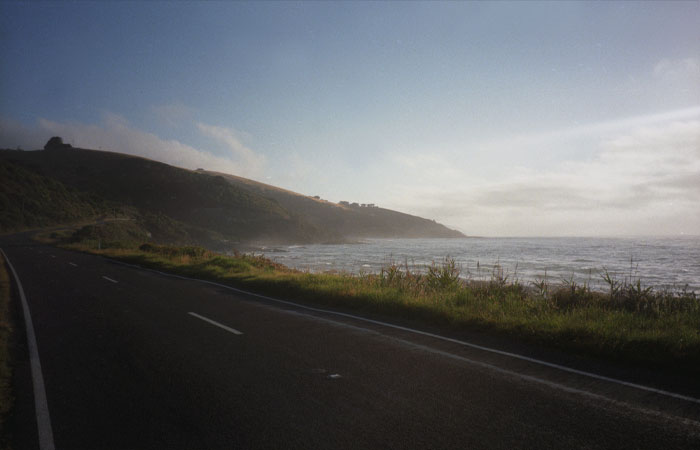
When World War I came to an end, a lot of Australians returned home and took up local jobs to support themselves and their families. Some took up laying roads along the coast of Australia. One of the roads, completed in 1932 and spanning a total of 241.402 km (150 mi), became a memorial dedicated to fallen soldiers called the “Great Ocean Road”.
31
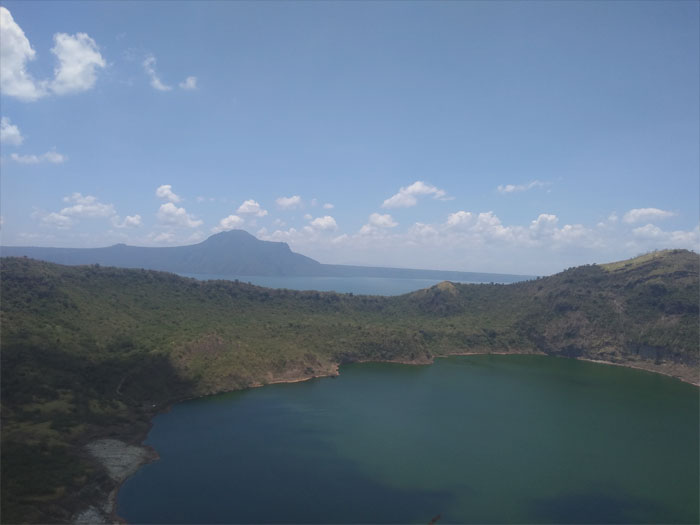
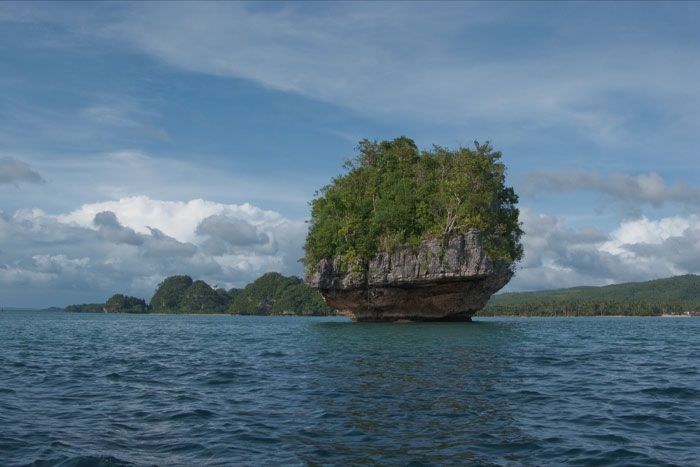
A lot of facts about geography focus on mountains and not a lot of them focus on islands. The Republic of the Philippines is an archipelago of over 7,640 islands, roughly 2,000 of which are inhabited. The Philippines' second-largest island, Mindanao, is located at the southern tip of the archipelago and can be divided into three primary regions: Luzon, the Visayas, and the country as a whole.
34
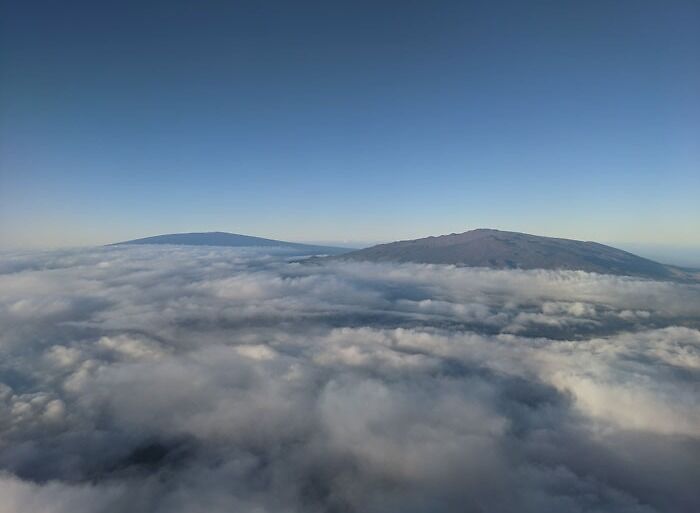
Mt. Everest is called the highest mountain for having the highest peak, but it isn't the tallest mountain. If you were to measure a mountain from the very bottom of where it starts, the title of the tallest mountain would then go to Mauna Kea, which starts from the bottom of an ocean and reaches a total of 10,210 m (33497.375 ft).
35
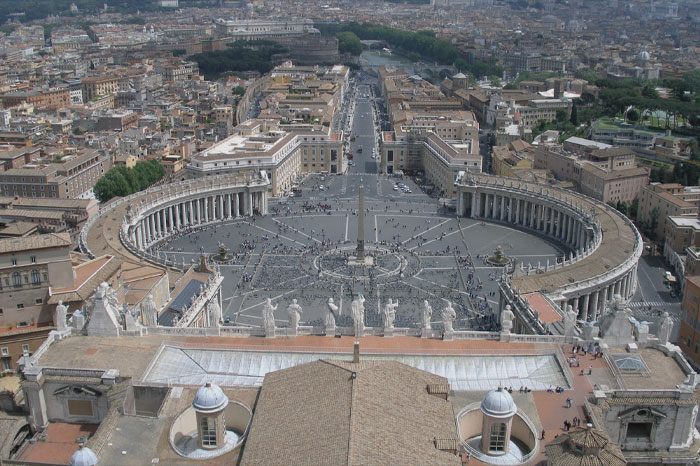
San Marino, Vatican City, and Lesotho are the only nations currently separated from bodies of water by just one country. While San Marino and Vatican City are small city-states located inside the borders of Italy, Lesotho is a larger nation surrounded by the Republic of South Africa, and has no access to the greater oceans of the Atlantic or Indian.



Most Popular