eBaumsWorld: Funny Videos, Pictures, Soundboards and Jokes
Funny Galleries Funny Videos Games Time Wasters Internet Classics
eBaumsWorld: Funny Videos, Pictures, Soundboards and Jokes
  • Funny Galleries
  • Funny Videos
  • Games
  • Time Wasters
  • Internet Classics
Funny GalleriesFunny VideosGamesTime WastersInternet Classics
  • 1 - 10
  • 11 - 20

A Brief History Of How Coffee Powers The World

By Sabrina Fernandez

Published 3 months ago in Wow

Long before it fueled morning commutes and startup dreams, coffee was discovered by curious goat herders in Ethiopia. 


What started as a wild berry with a kick evolved into a global obsession, sparking revolutions, inspiring art, and keeping the world buzzing for centuries. 


It powered thinkers in 17th-century cafés, fueled soldiers in wartime trenches, and today, it’s the lifeblood of offices and creatives alike. A drink by anyone for everyone.


This quick history traces how one humble bean brewed its way from ancient rituals to worldwide addiction, and how coffee became the legal drug that runs the modern world.

  • 1

    Legend says an Ethiopian goatherd named Kaldi discovered coffee after his goats ate the berries and got hyper.

    Legend says an Ethiopian goatherd named Kaldi discovered coffee after his goats ate the berries and got hyper.

  • 2

    By the 15th century, Sufi monks in Yemen were brewing coffee to stay awake during long nights of prayer.

    By the 15th century, Sufi monks in Yemen were brewing coffee to stay awake during long nights of prayer.

  • 3

    Mocha, Yemen, was a key trade hub that spread coffee across the Islamic world and gave “mocha” its name.

    Mocha, Yemen, was a key trade hub that spread coffee across the Islamic world and gave “mocha” its name.

  • 4

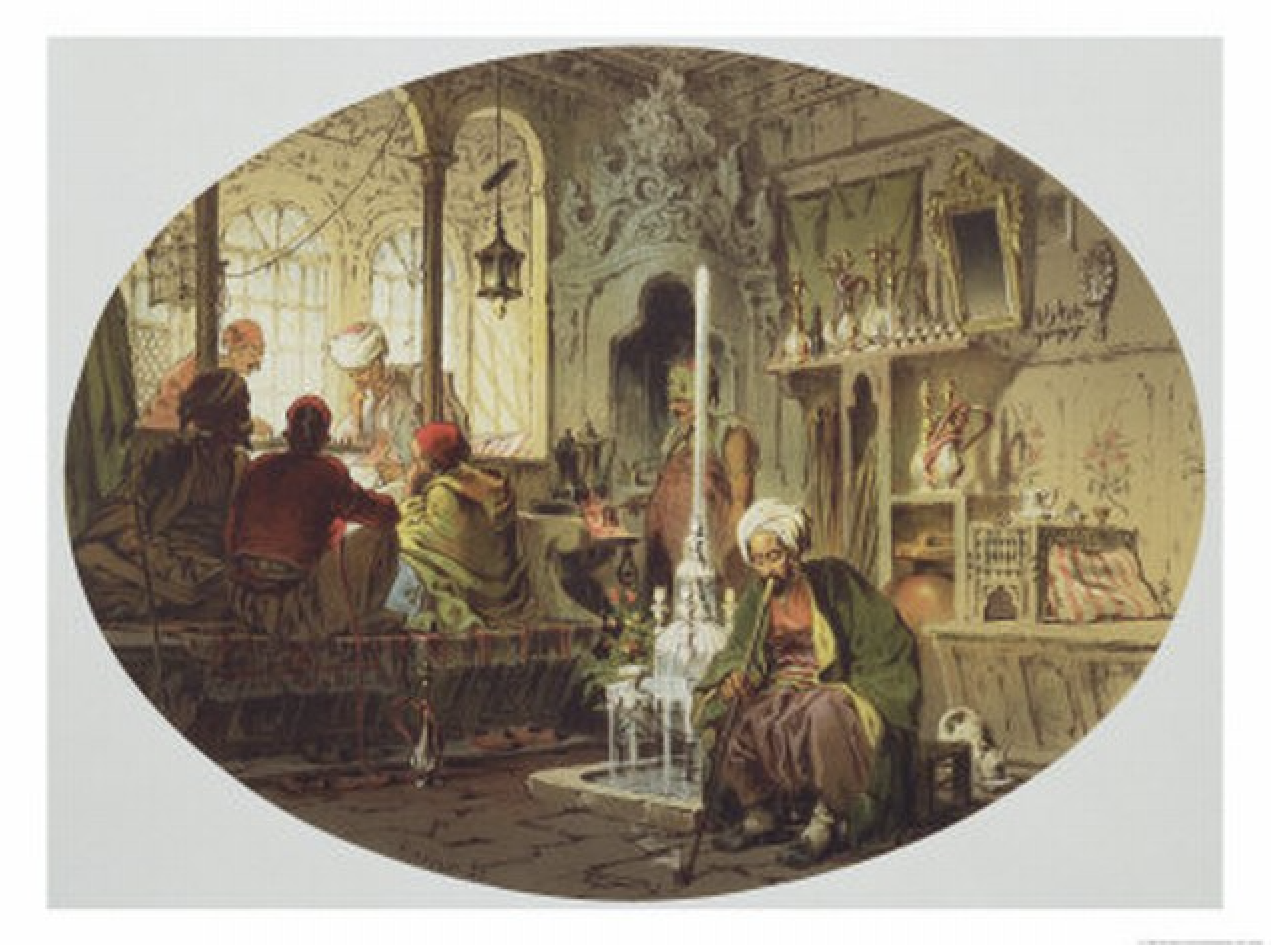
    By the 16th century, coffeehouses in Istanbul became hotbeds of art, poetry, and political discussion.

    By the 16th century, coffeehouses in Istanbul became hotbeds of art, poetry, and political discussion.

  • 5

    Venetian traders brought coffee to Europe in the late 16th century; the first European coffeehouse opened in 1645.

    Venetian traders brought coffee to Europe in the late 16th century; the first European coffeehouse opened in 1645.

  • 6

    n 1600, Pope Clement VIII allegedly tasted coffee and declared it too good to be a sin, securing its place in Europe.

    n 1600, Pope Clement VIII allegedly tasted coffee and declared it too good to be a sin, securing its place in Europe.

  • 7

    By the 17th century, coffeehouses were the “penny universities” of Europe, where thinkers like Voltaire gathered daily.

    By the 17th century, coffeehouses were the “penny universities” of Europe, where thinkers like Voltaire gathered daily.

  • 8

    The Dutch smuggled coffee plants to Java and Ceylon, sparking colonial plantations across the tropics.

    The Dutch smuggled coffee plants to Java and Ceylon, sparking colonial plantations across the tropics.

  • 9

    In 1720, Gabriel de Clieu transported coffee plants to the Caribbean, helping spark coffee economies in the Americas.

    In 1720, Gabriel de Clieu transported coffee plants to the Caribbean, helping spark coffee economies in the Americas.

  • 10

    By 1852, Brazil became the world’s top coffee producer, a title it still holds.

    By 1852, Brazil became the world’s top coffee producer, a title it still holds.

  • 11

    After the 1773 Tea Party, drinking coffee became a patriotic act in the American colonies.

    After the 1773 Tea Party, drinking coffee became a patriotic act in the American colonies.

  • 12

    Coffee was essential on the frontier, brewed over open fires and fueling pioneers through tough days.

    Coffee was essential on the frontier, brewed over open fires and fueling pioneers through tough days.

  • 13

    In both World Wars, coffee was rationed but cherished, GIs even received instant coffee in their rations.

    In both World Wars, coffee was rationed but cherished, GIs even received instant coffee in their rations.

  • 14

    Mid-20th century America saw coffee as a daily ritual, served bottomless in diners and kitchen counters everywhere.

    Mid-20th century America saw coffee as a daily ritual, served bottomless in diners and kitchen counters everywhere.

  • 15

    By the 1970s, brands like Nescafé and Maxwell House made coffee part of global pop culture.

    By the 1970s, brands like Nescafé and Maxwell House made coffee part of global pop culture.

  • 16

    Italy gave the world the espresso, and soon cafés from Rome to New York were serving crema-topped shots of joy.

    Italy gave the world the espresso, and soon cafés from Rome to New York were serving crema-topped shots of joy.

  • 17

    Starbucks helped take coffee global in the 1990s, turning baristas into culture-makers and lattes into lifestyle.

    Starbucks helped take coffee global in the 1990s, turning baristas into culture-makers and lattes into lifestyle.

  • 18

    By the 2000s, the “third wave” of coffee focused on origin, flavor notes, and artisanal brewing methods.

    By the 2000s, the “third wave” of coffee focused on origin, flavor notes, and artisanal brewing methods.

  • 19

    Today, coffee powers co-working spaces, Zoom meetings, and morning routines around the world.

    Today, coffee powers co-working spaces, Zoom meetings, and morning routines around the world.

  • 20

    Over 2 billion cups are consumed daily, proof that coffee is no longer just a beverage, but global fuel.

    Over 2 billion cups are consumed daily, proof that coffee is no longer just a beverage, but global fuel.

Categories:

Wow Cool Stuff History Win

Tags:

coffee ethiopia history brew starbucks
Scroll Down For More


Most Popular

21 People Working the Dirtiest of Jobs and Deserve a Raise

21 People Working the Dirtiest of Jobs and Deserve a Raise

50 Morning Randoms to Get You Out the Door

50 Morning Randoms to Get You Out the Door

19 Creative Contraband Gadgets Confiscated From Prison

19 Creative Contraband Gadgets Confiscated From Prison

  • About Us
  • Privacy
  • Terms
  • DMCA
  • Contact

If you are the original creator of material featured on this website and want it removed, please contact the webmaster

Copyright© 1998-2025 Literally Media