Approximately 80% of what we experience as taste is thanks to our ability to smell.
2
Our ears have the ability to accurately tell us which direction a noise is coming from. However, they are less adept at recognizing how far away the source of the noise is.
3
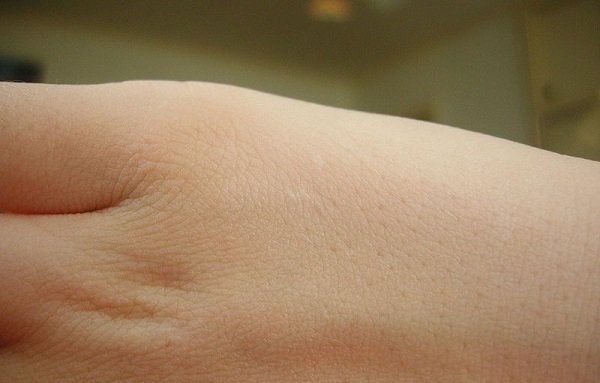
Our skin contains more than 4 million sensory receptors.
4
Taste buds die and regenerate every few days. We have about 10,000 of them.
5
After one year, people can remember smells with an amazing 65% accuracy. When it comes to vision, our recall is at about 50% after only 3 months.
6
The smallest of noises can cause our pupils to dilate. It is for this reason that surgeons are so bothered when uninvited noises make their way into the room. Even the most subtle noise can slightly blur their vision.
7
After eating a large meal, your hearing is temporarily less “sharp.”
8
Any form of touch can help reduce stress as well as your heart rate.
9
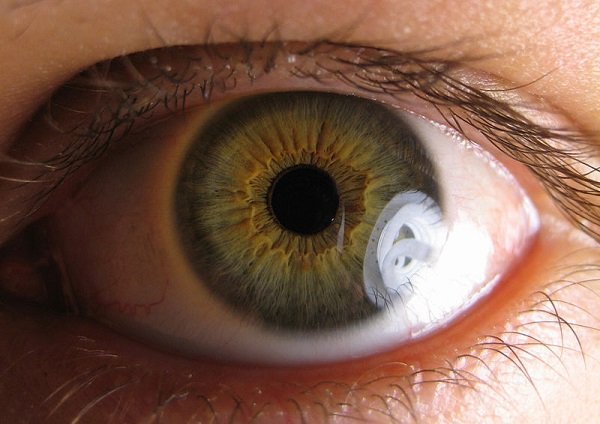
A single eye contains more than 2 million working parts and has the ability to spot a lit candle from 14 miles away.
10
The 5 Senses. While humans have a multitude of senses, we generally recognize 5 of them. The 5 senses include sight, hearing, smell, taste, and touch. Our ability to perceive things through our senses is truly remarkable. Here are a few incredible tidbits about our 5 senses.
11
Before we are born, our sense of smell is already fully functioning. It is the first of our senses to develop. Also, our sense of smell is stronger in the Spring and Summer because of the additional moisture in the air.
12
The least sensitive part of your body? The back. It contains only a very small part of the somatosensory cortex.
13
We get a “new nose” every month. This is because our scent cells are renewed every 28 days.
14
After the brain, your eyes are the most complex organ in your body.
15
We have more receptors for pain than for any other sensation we can feel.
16
The phrase “wake up and smell the coffee” has some merit behind it. It turns out that we can’t smell in our sleep. When we’re asleep our sense of smell shuts down.
17
We have about 6 million odor detecting cells. That’s nothing compared to dogs, who have 220 million of them.