They dropped acid, grew their hair, and told The Man to take a hike, but how much of the hippie legacy actually holds up? The 1960s counterculture involved more than just peace signs and tie-dye: it sparked a seismic shift in how people thought about war, the planet, love, and freedom. But let’s be real, it wasn’t all incense and insight. Some pretty questionable choices hid behind the flowers and festivals, from economic pipe dreams to drug-fueled delusions.
In this slideshow we’re breaking down 5 things the hippies absolutely got right and 5 things on which they majorly missed the mark. It’s a mix of brilliance and blind spots, free love and fuzzy logic. This is your time-traveling trip through the idealism, irony, and impact of one of history’s most colorful cultural revolutions.
Let’s dig in, no patchouli required.
1
What They Got Right: Personal Freedom and Expression
Challenged social norms around dress, lifestyle, and sexuality, fostering greater individual liberty.
2
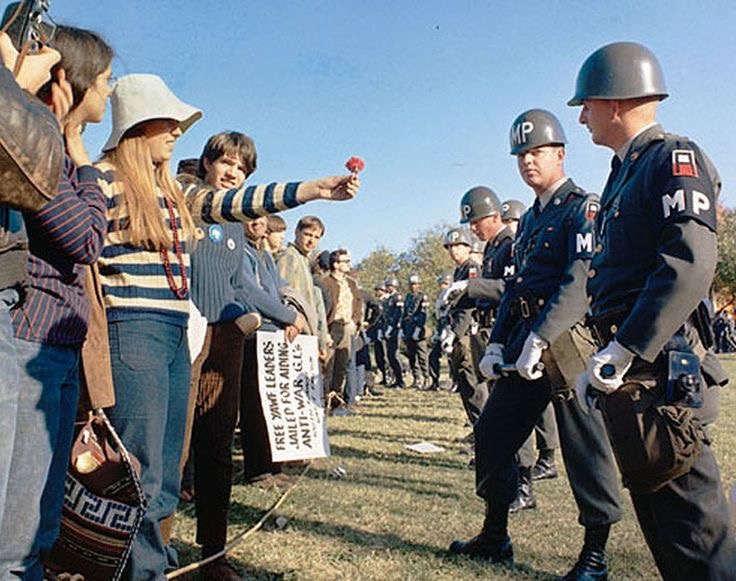
What They Got Right: Peace and Anti-War Activism
Vocal opposition to war, especially the Vietnam War, influencing public opinion and pushing for peace.
3
What They Got Right: Environmental Awareness
Early champions of ecological protection, conservation, and sustainability, sparking the modern environmental movement.
4
What They Got Right: Alternative Medicine and Holistic Health
Popularized natural remedies, meditation, yoga, and mind-body wellness, which are now mainstream.
5
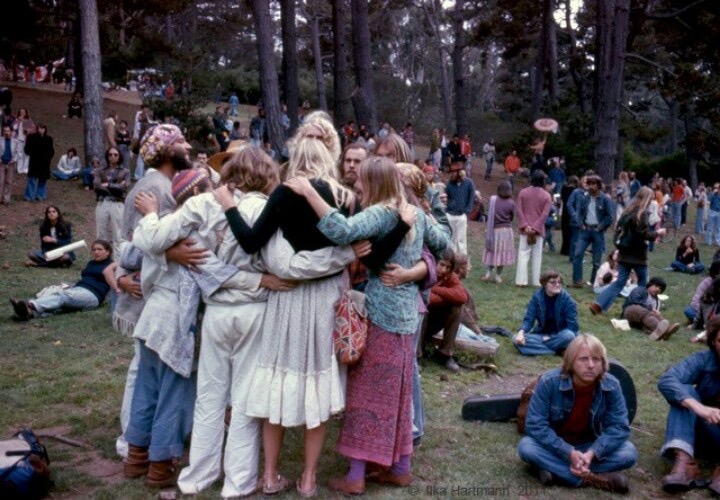
What They Got Right: Communal Living and Cooperation
Experimented with communal lifestyles emphasizing sharing, cooperation, and social equality.
6
What They Got Wrong: Romanticizing “Free Love” Without Boundaries
Sometimes ignored consequences like emotional hurt, jealousy, and spread of sexually transmitted diseases.
7
What They Got Wrong: Economic Idealism vs. Reality
Many communal or utopian economic models were unsustainable or impractical in the long run.
8
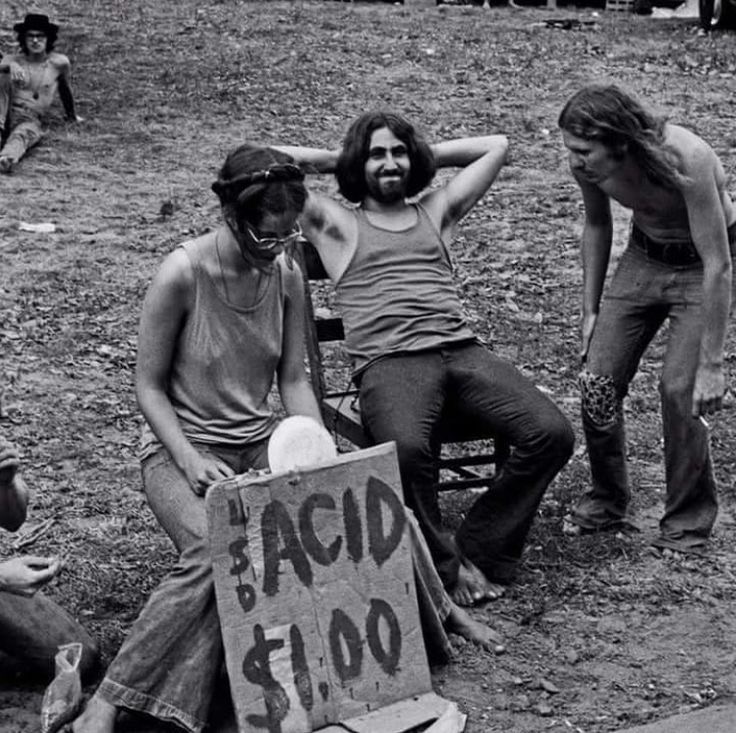
What They Got Wrong: Naivety About Drug Use
Idealized psychedelic and recreational drug use without fully understanding long-term psychological or societal risks.
9
What They Got Wrong: Escapism Over Engagement
Some focused more on dropping out of society rather than actively working to change political or economic systems.
10
What They Got Wrong: Overgeneralized Anti-Establishment Attitudes
Distrust of all institutions sometimes led to rejection of useful structures or expertise necessary for progress.