Glass Microbiology
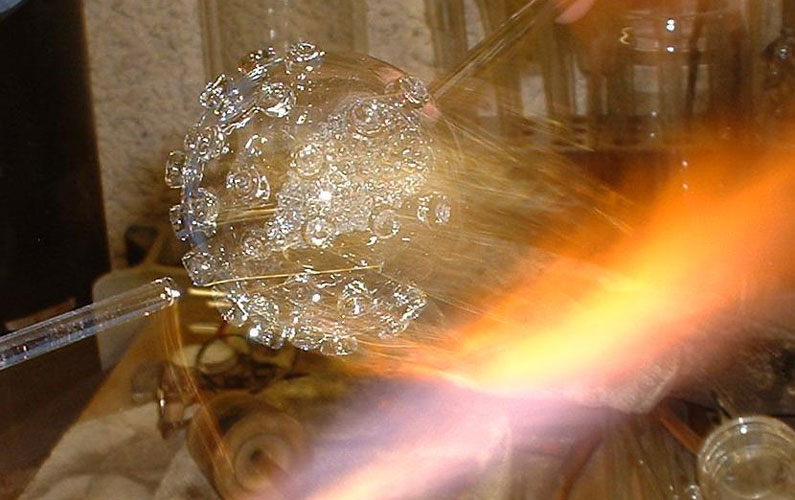
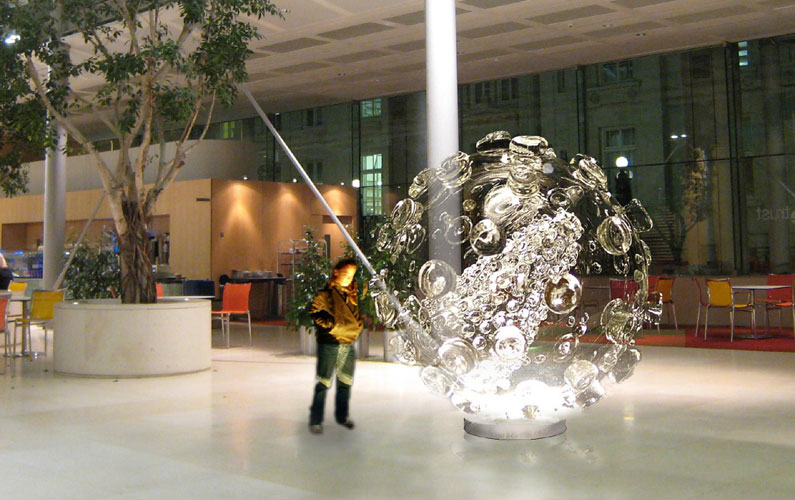
Glass Microbiology is a body of glass work which has been developed by artist Luke Jerram since 2004. Made to contemplate the global impact of...
Published 11 years ago
9
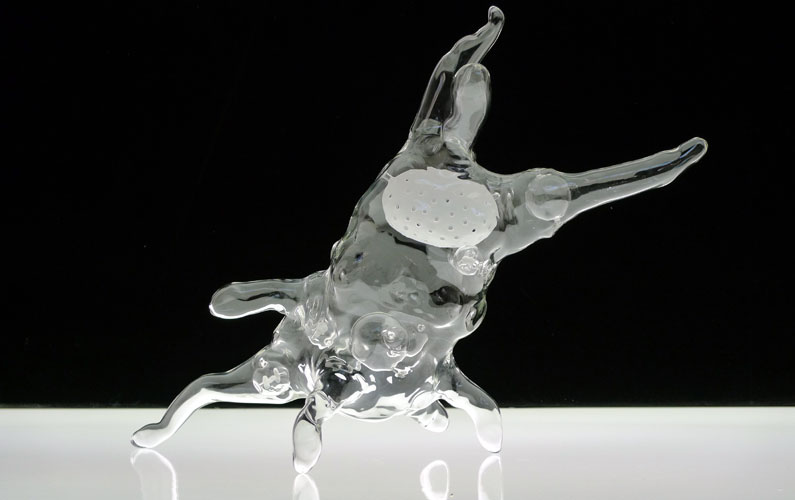
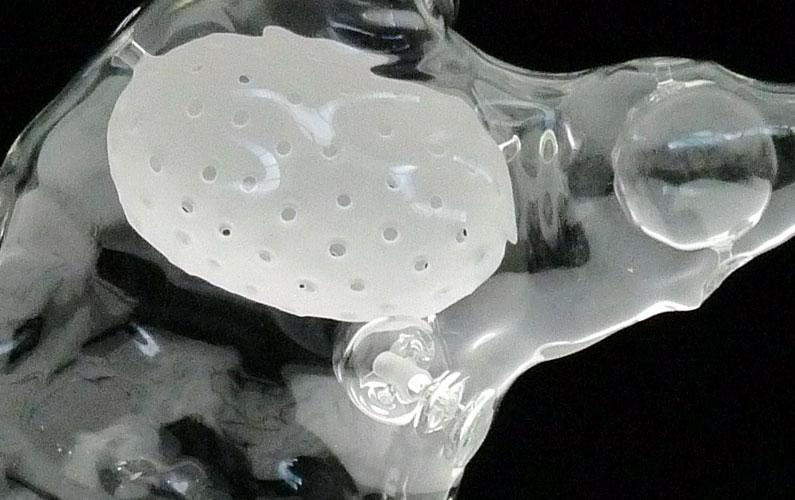
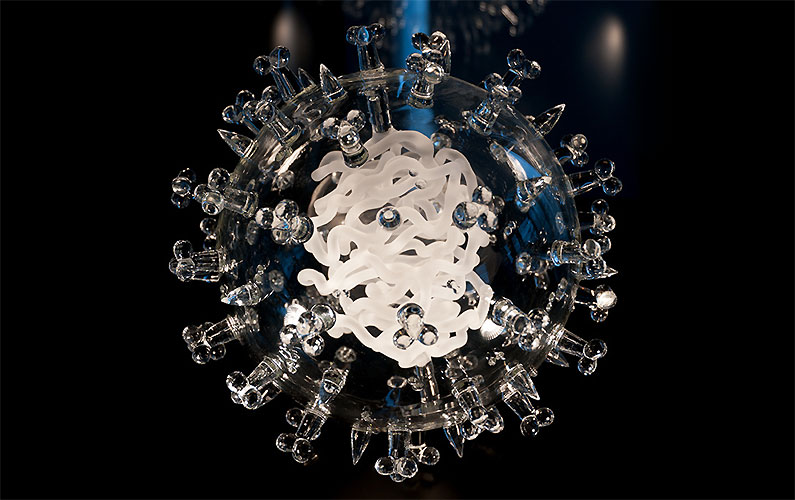
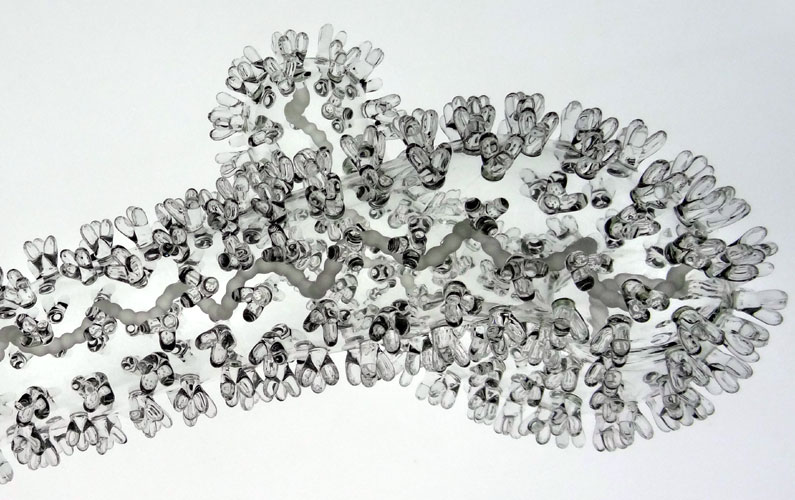
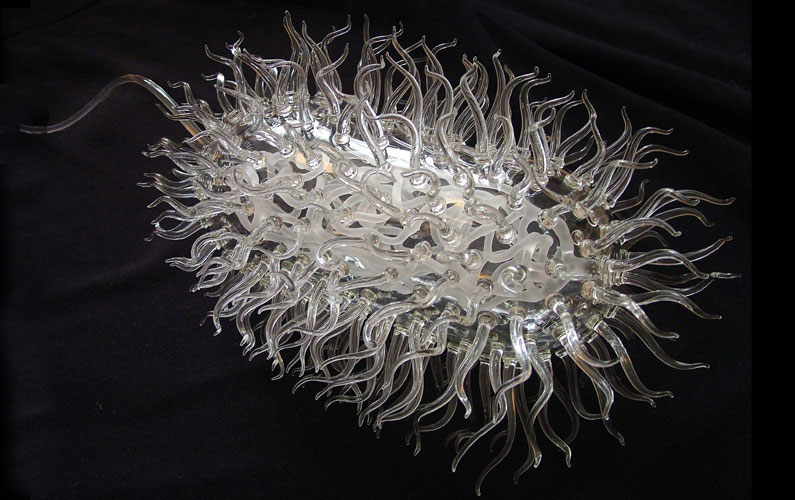
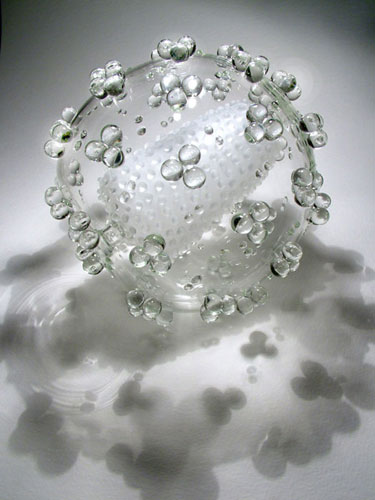
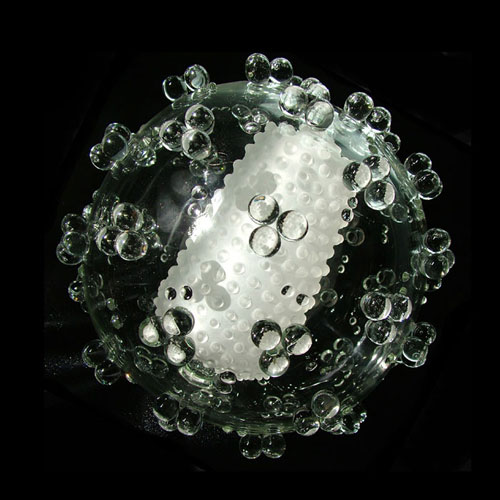
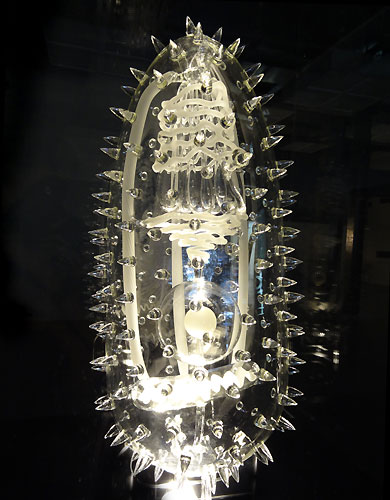
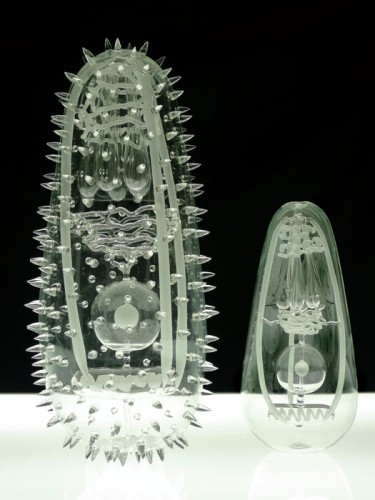
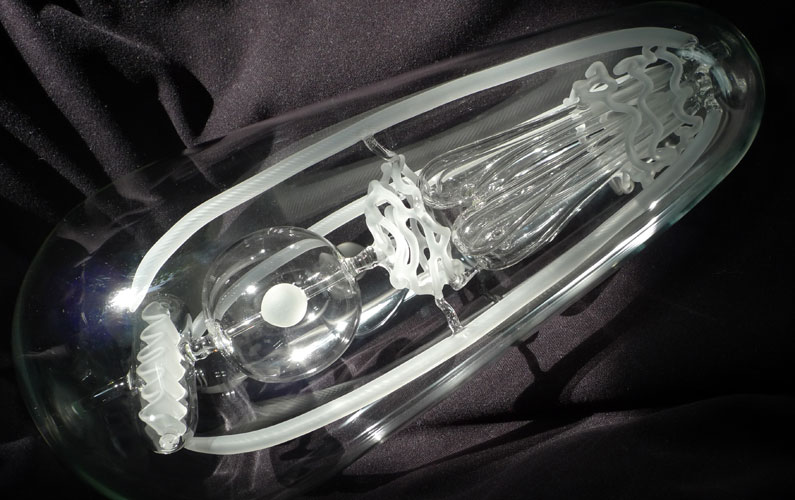
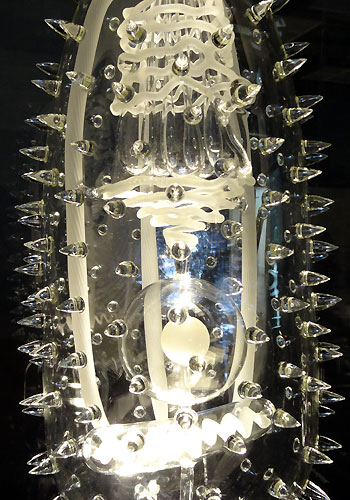
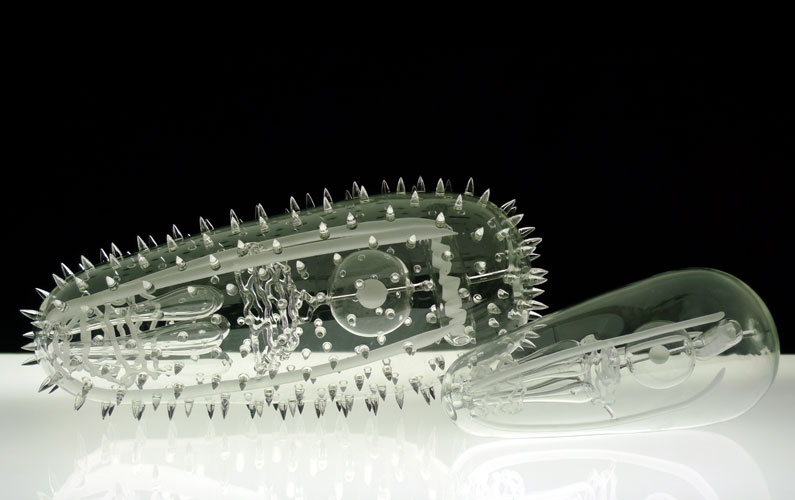
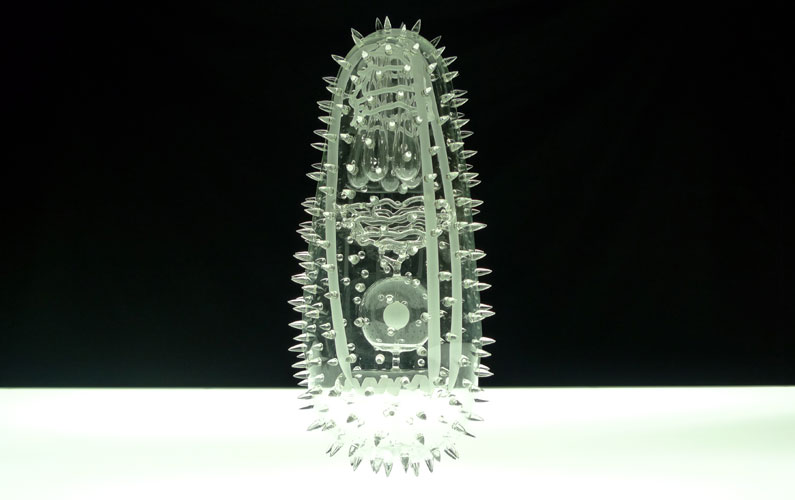
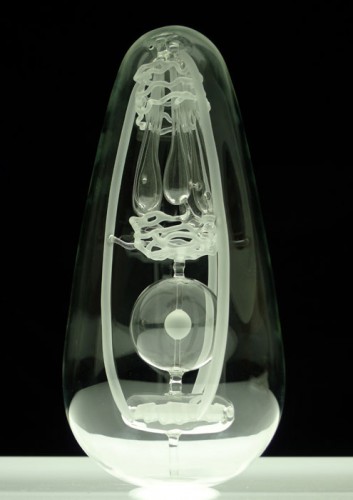
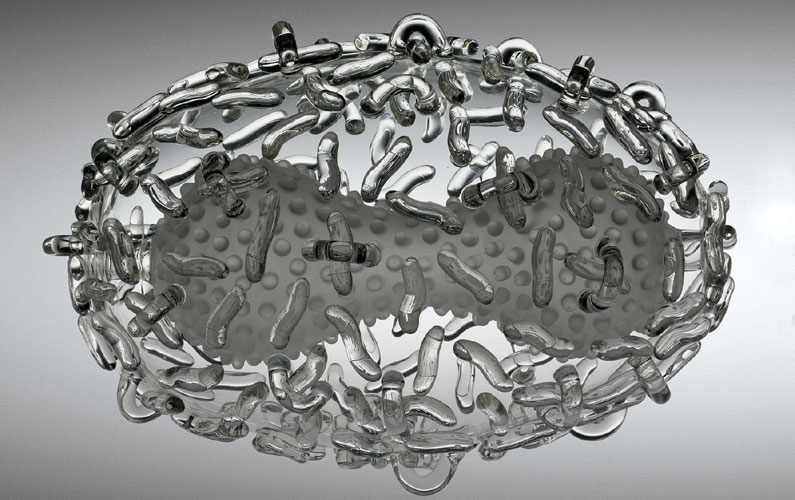
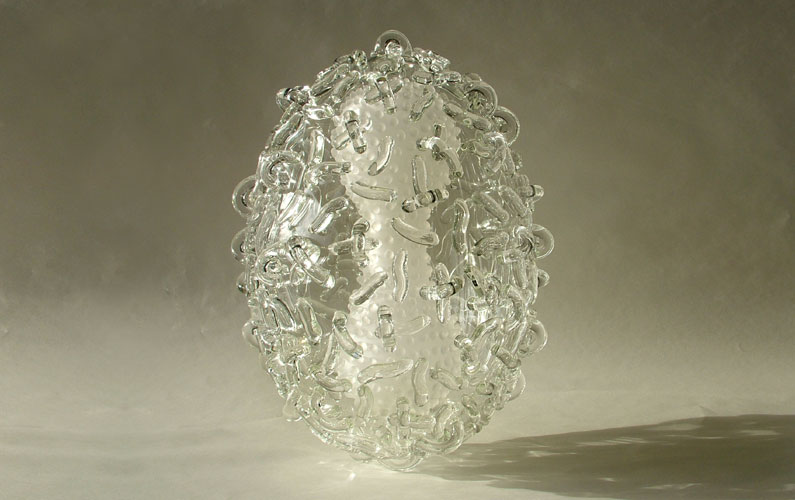
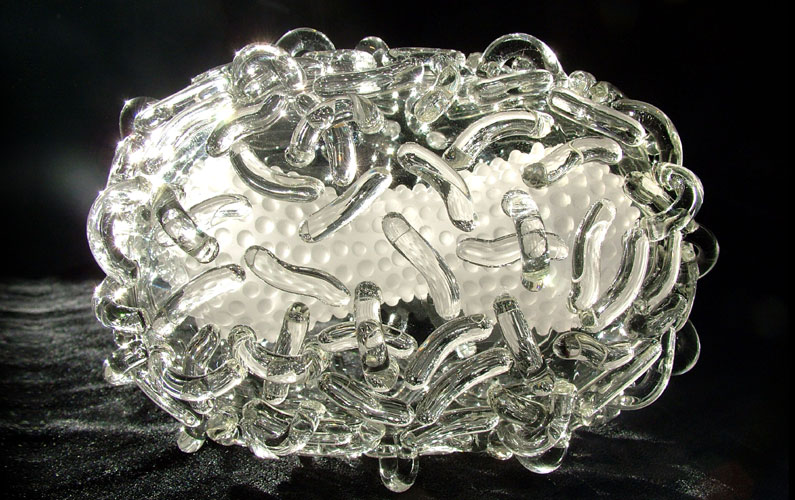
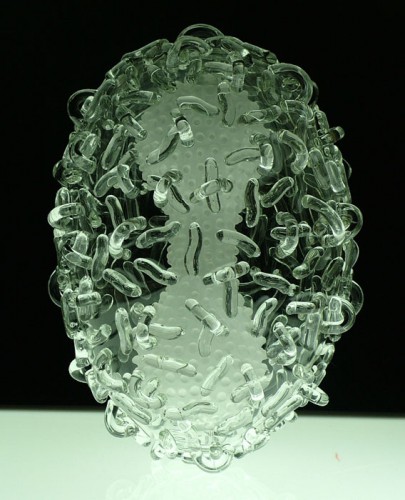
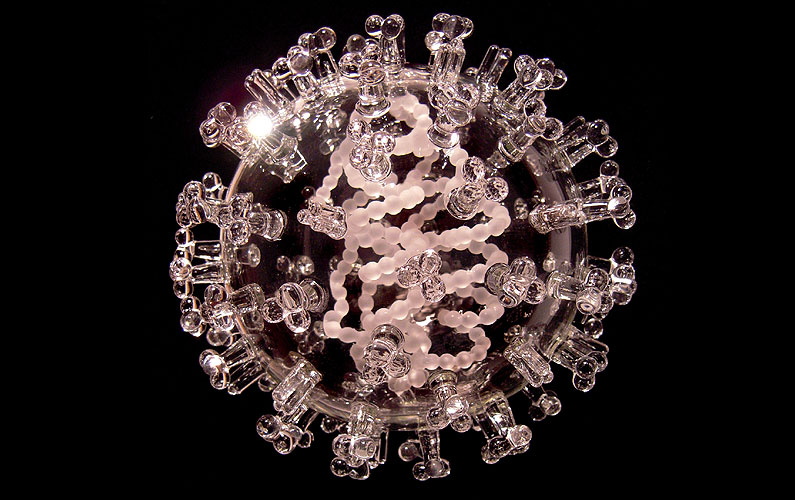
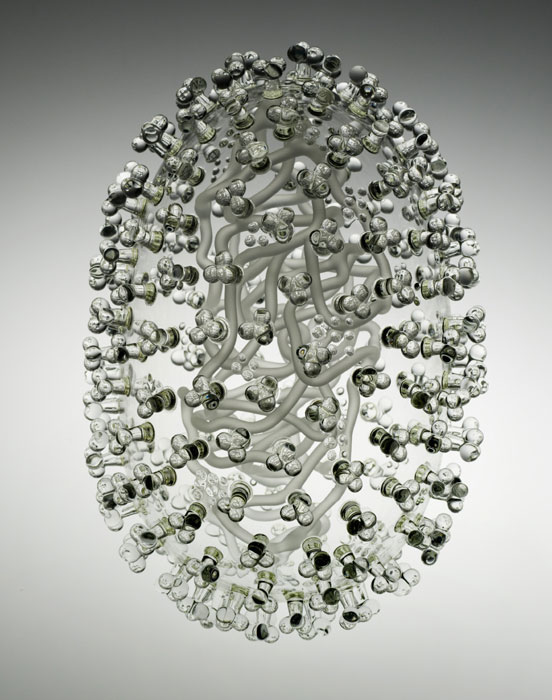
Avian Influenza, commonly known as Bird Flu, refers to influenza caused by viruses adapted to birds.The first version, made in 2005, is one of Jerrams earliest Glass Microbiology artworks. As such it is more abstract than the later 2012 artwork. In 2009, The Mori Museum, Tokyo exhibited this work in an exhibition called Medicine and Art, with works from Damien Hirst, Andy Warhol, Marc Quinn and Leonardo da Vinci
11
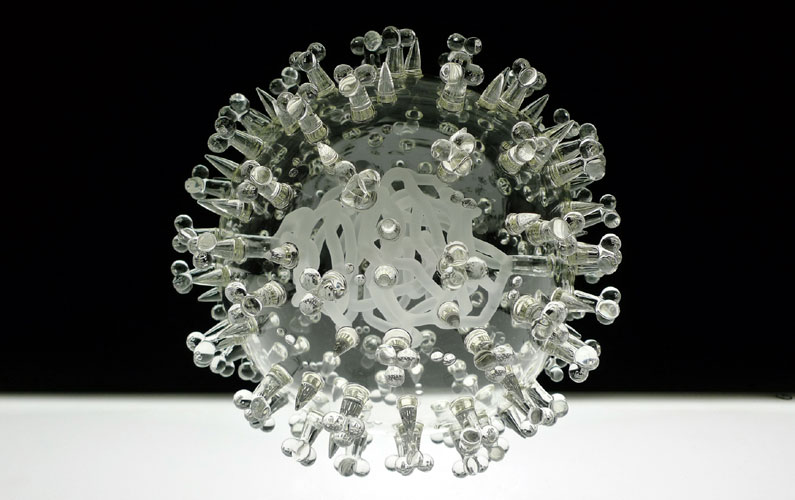
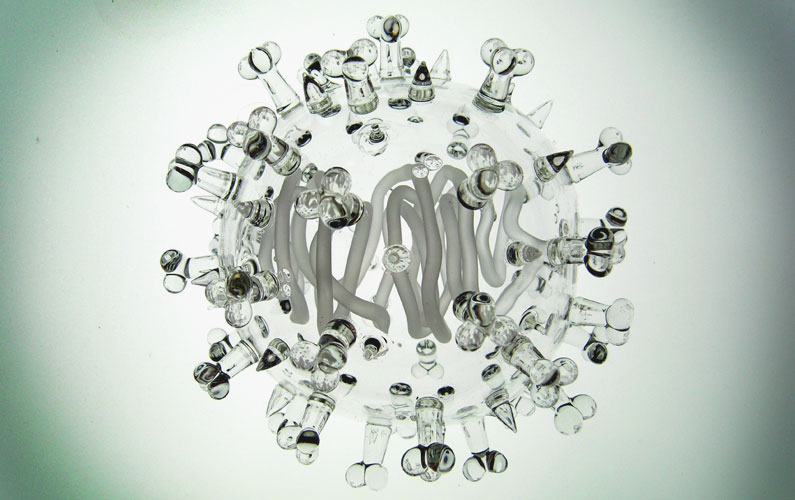
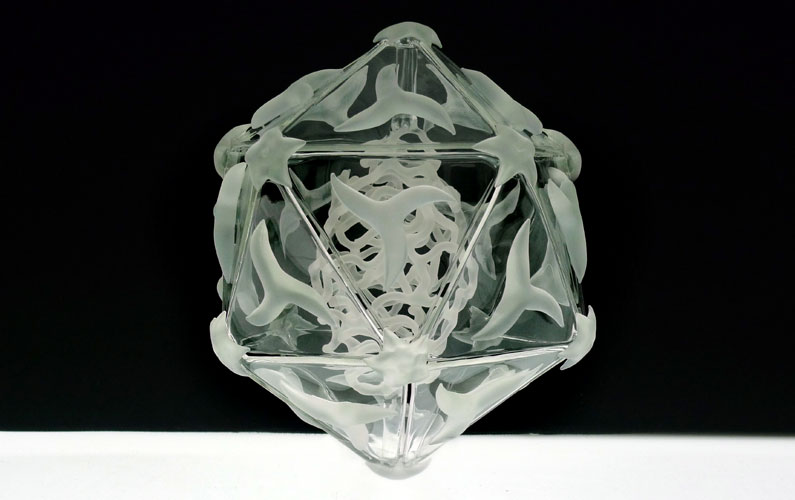
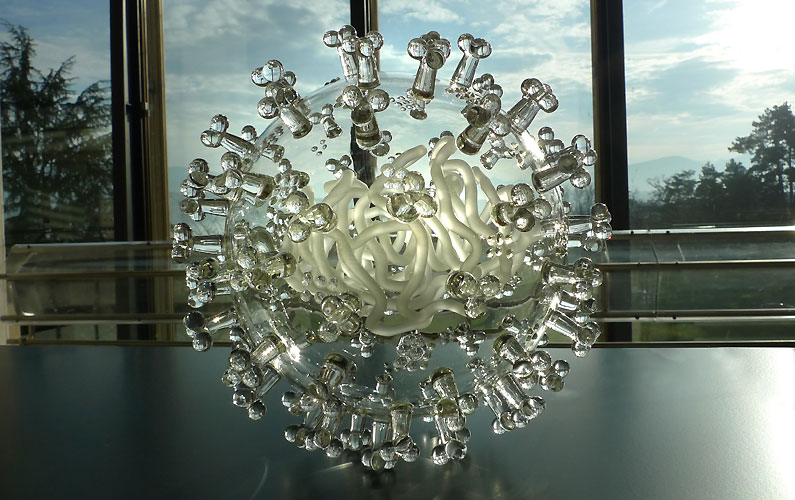
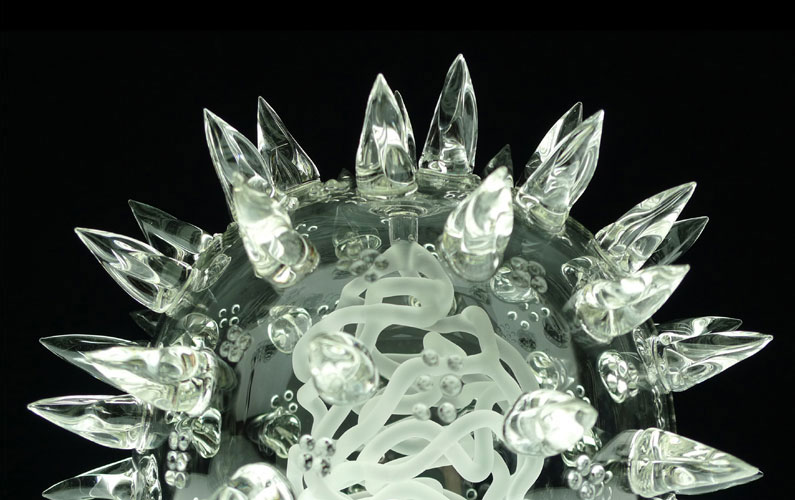
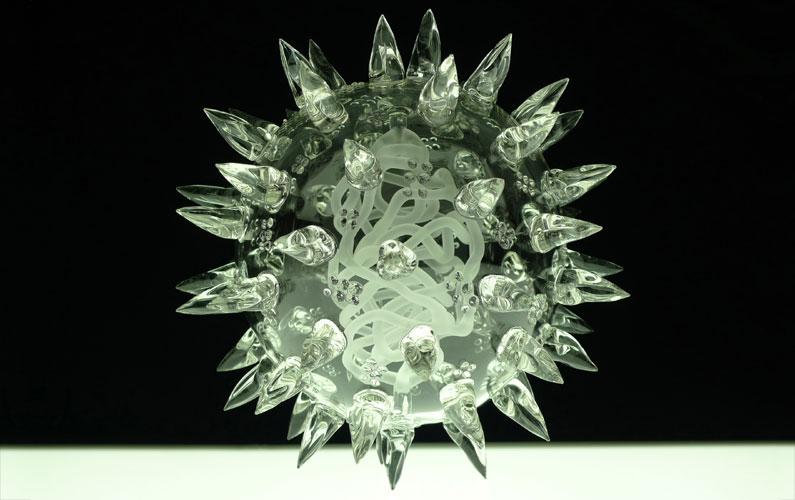
Severe acute respiratory syndrome SARS is a serious form of pneumonia, caused by a virus isolated in 2003. Infection with the SARS virus results in acute respiratory distress severe breathing difficulty and sometimes death. It is a dramatic example of how quickly world travel can spread a disease. It is also an example of how quickly a networked health system can respond to an emerging threat. This work has recently been displayed at the UN in Geneva for the Conference of Non Proliferation of Biological Weapons!
19
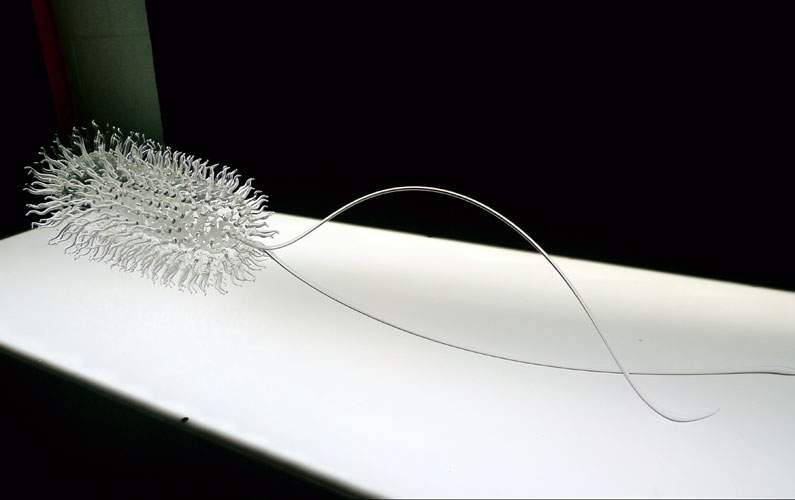
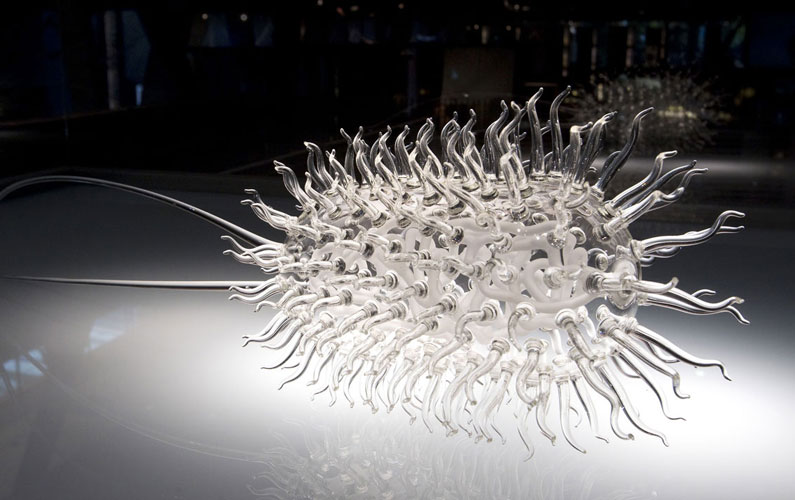
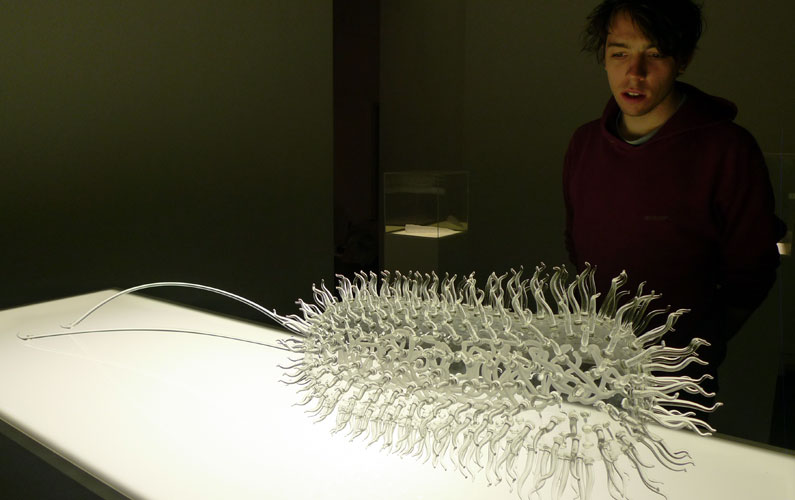
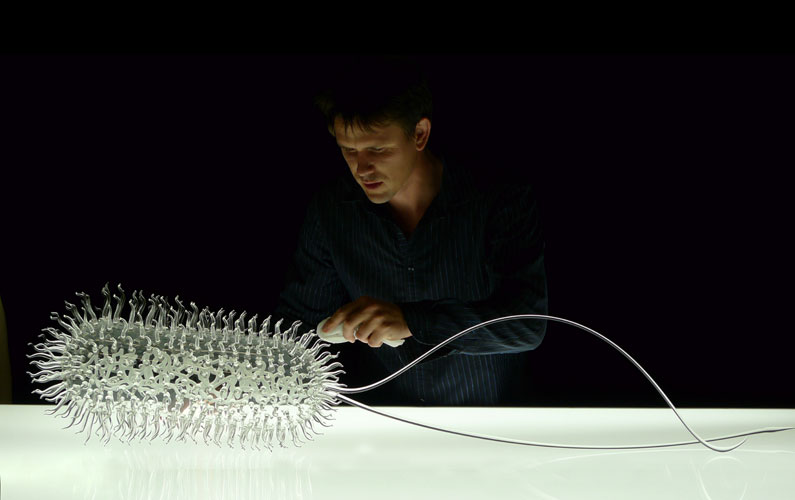
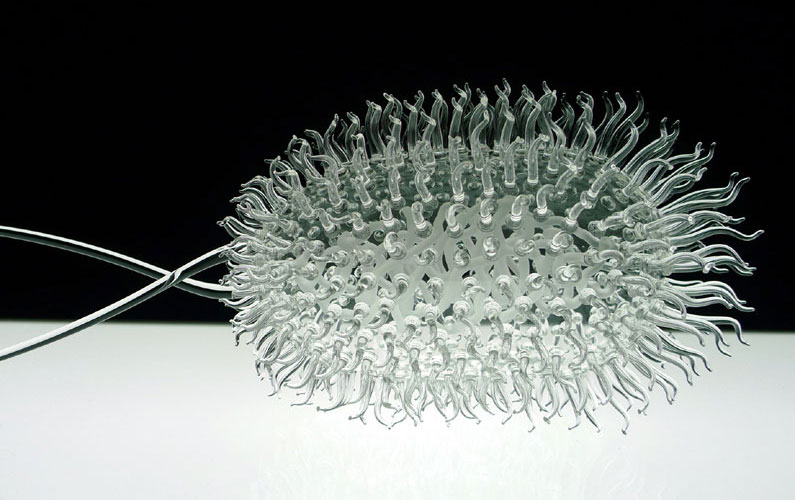
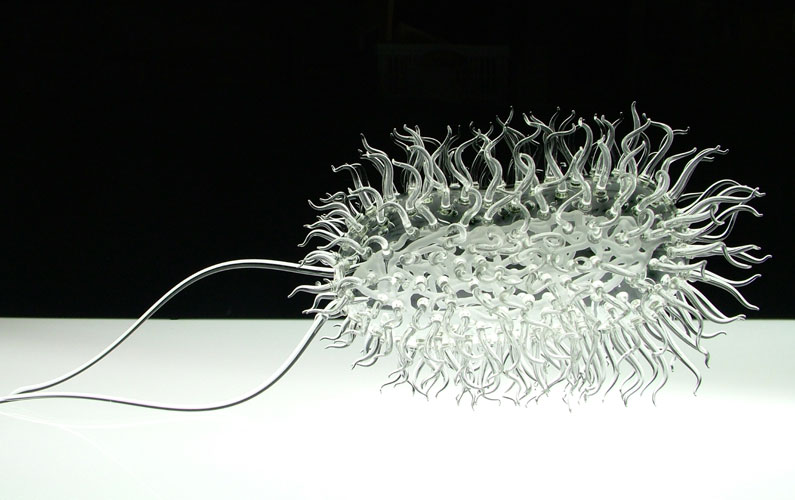
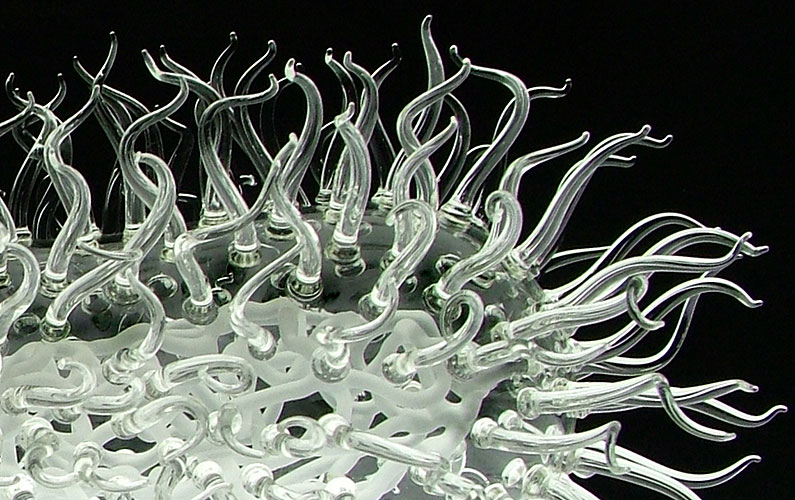
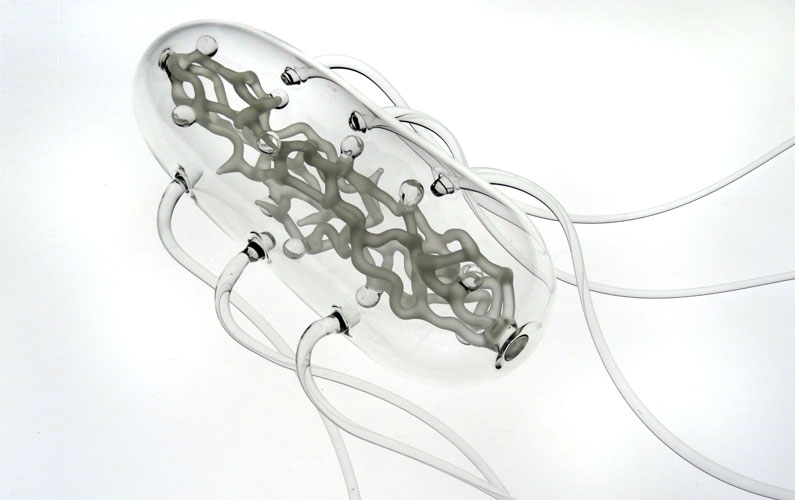
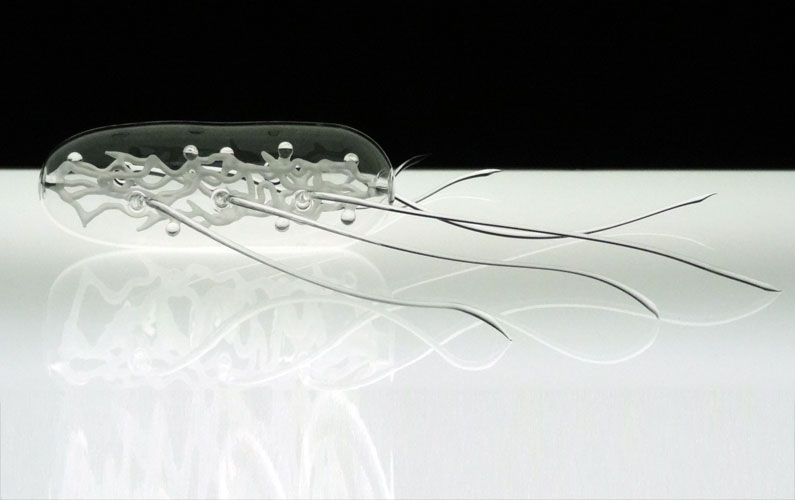
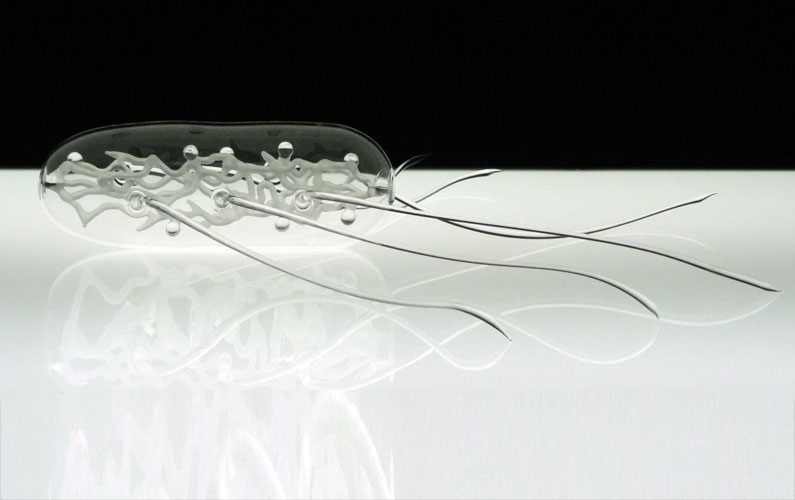
Escherichia coli, commonly abbreviated E. coli, is a Gram-negative rod-shaped bacterium that is commonly found in the lower intestine of warm-blooded organisms endotherms. Most E. coli strains are harmless, but some, such as serotype O157:H7, can cause serious food poisoning in humans, and are occasionally responsible for product recalls. The harmless strains are part of the normal flora of the gut, and can benefit their hosts by producing vitamin K2, and by preventing the establishment of pathogenic bacteria within the intestine.
25
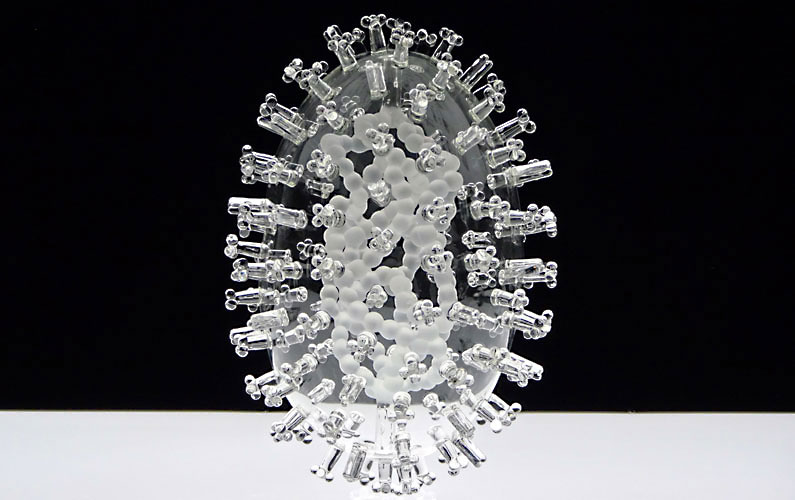
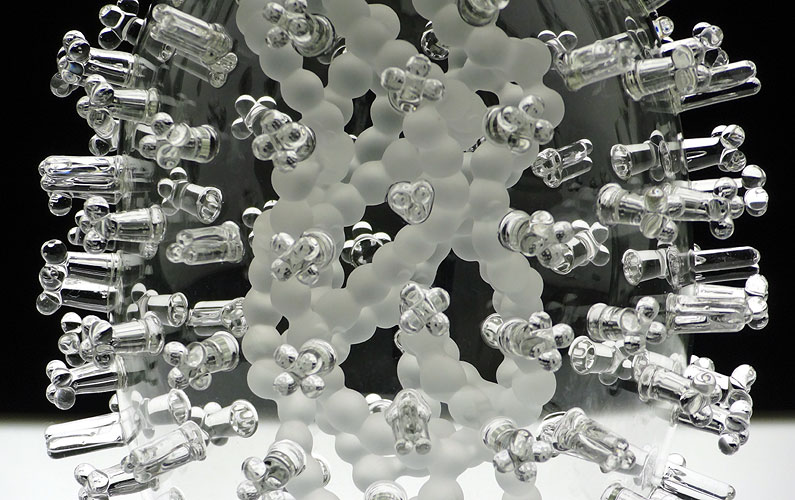
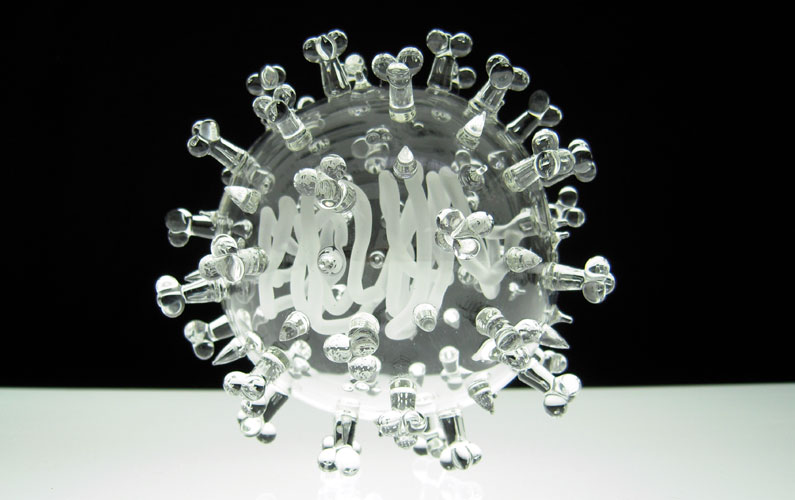
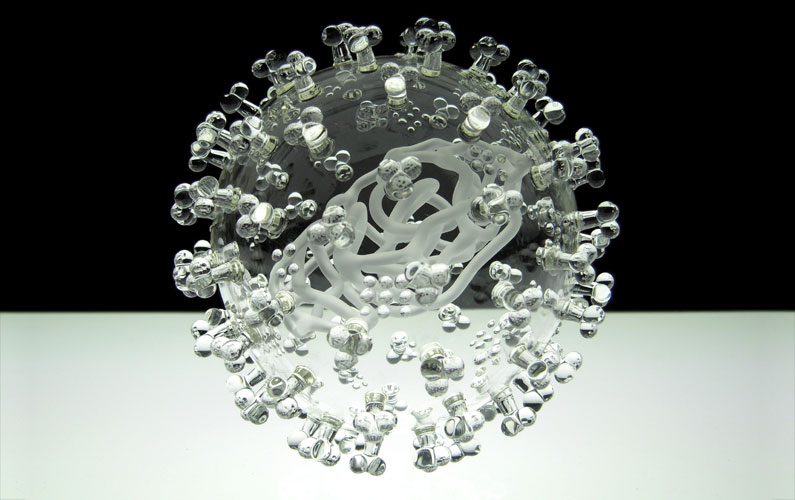
The 2009 flu pandemic was an outbreak of a new strain of H1N1 influenza virus, usually referred to as swine flu. First described in April 2009, the virus appeared to be a new strain of H1N1 which resulted when a previous triple reassortment of bird, swine and human flu viruses further combined with a Eurasian pig flu virus.
31
Enterovirus 71 EV71, one of the major causative agents for hand, foot and mouth disease HFMD.This virus is a member of the enterovirus species A. This virus appears to have evolved only recently with the first known strain isolated in 1965. It was associated with an outbreak of neurological disease in the United States in 1969.
35
Giardia is a parasite that can infect the intestines and cause giardiasis which can lead to sudden-onset acute or persistent chronic diarrhoea. Infection often occurs after drinking contaminated water containing the parasite, or eating food prepared or washed using contaminated water. Those most at risk of giardial infection include travellers to areas where giardia is common countries with poor sanitation.Created 20,000 x larger than the actual parasite, the artwork has been made for Artis Royal Zoo in Amsterdam.
39
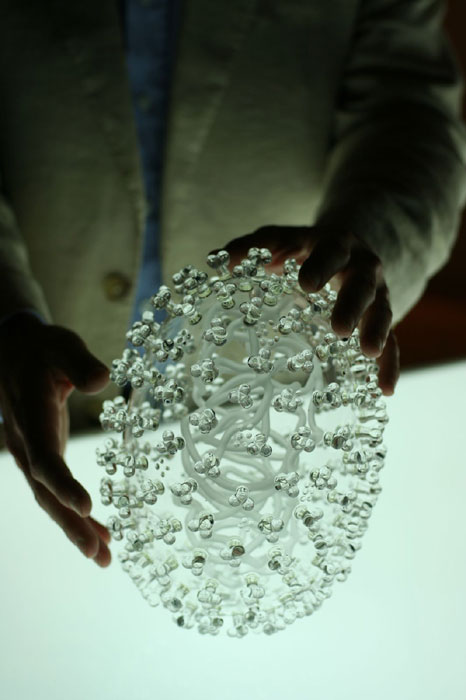
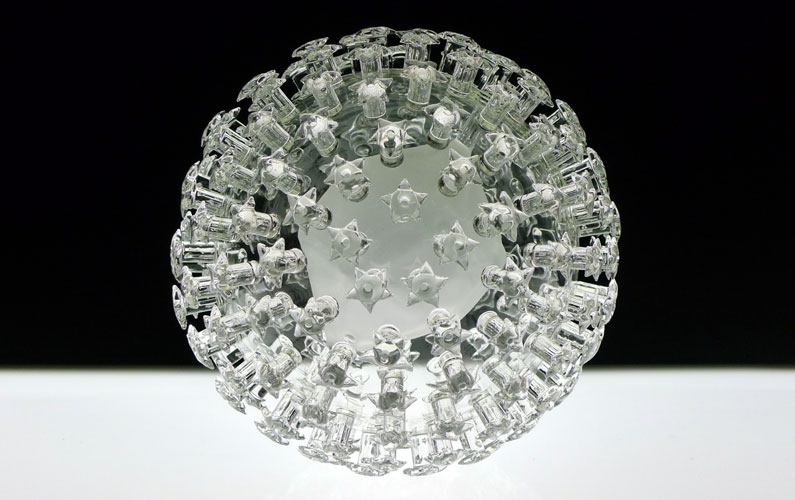
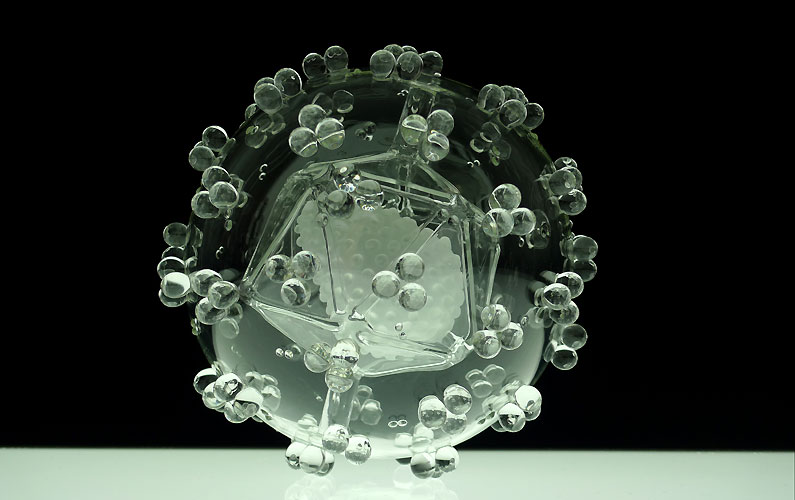
The sculptures of HIV were made as objects to hold, to contemplate the impact of the disease upon humanity.The artworks were also created to consider how the use of artificially added colour in medical imaging affects how the imagery is read and interpreted by the public. See these examples of scientific HIV imagery. How does the choice of different colours affect their reception? In response to these questions, Jerram has created a series of transparent, three dimensional sculptures of HIV. Ironically in 2007 photographer David Sayer won an award from the Institute of Medical Imaging for the artificially coloured image above he took of Jerrams HIV sculpture. With thanks to the Wellcome Collection for use of the imagery.
56
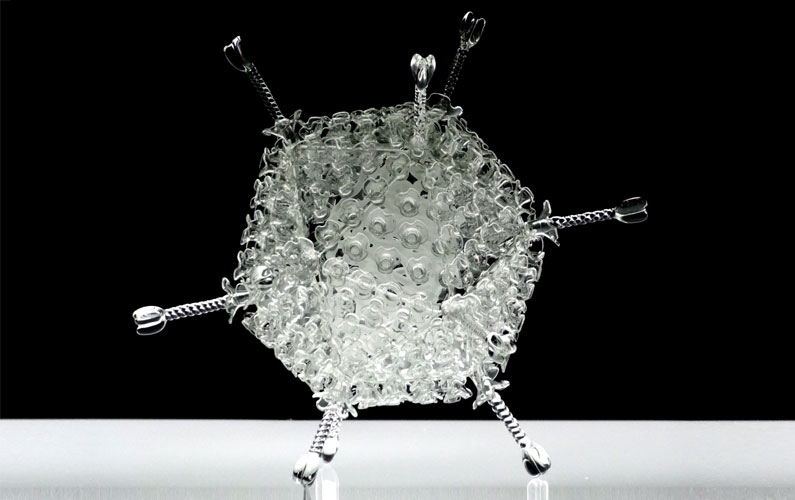
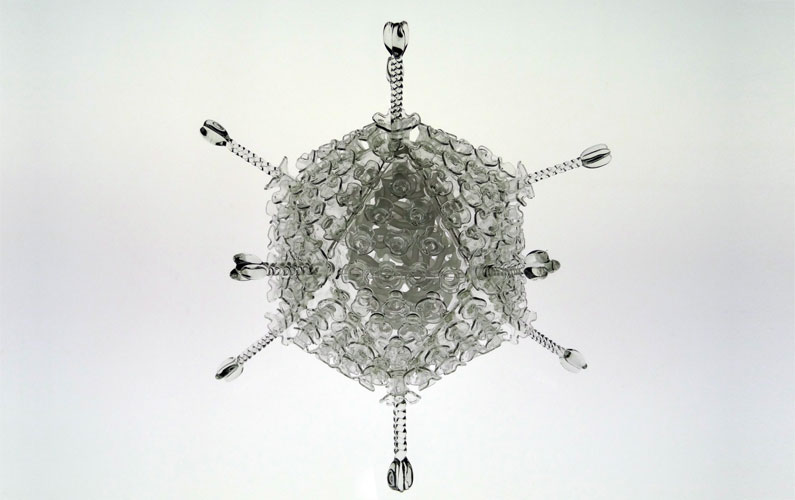
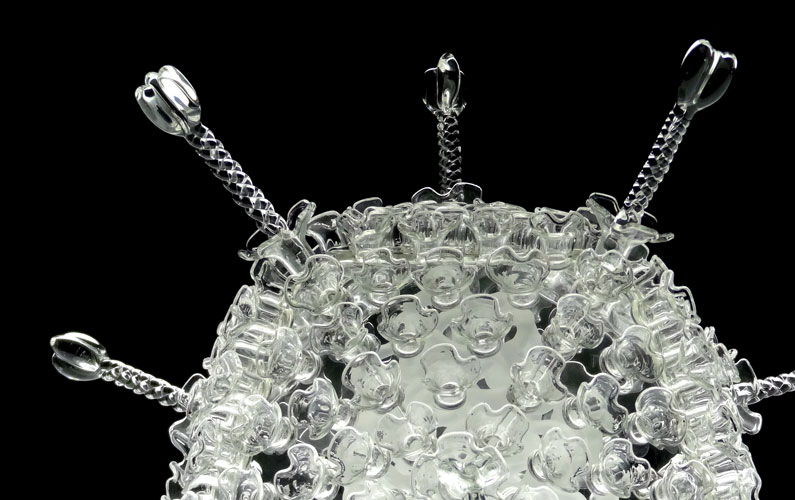
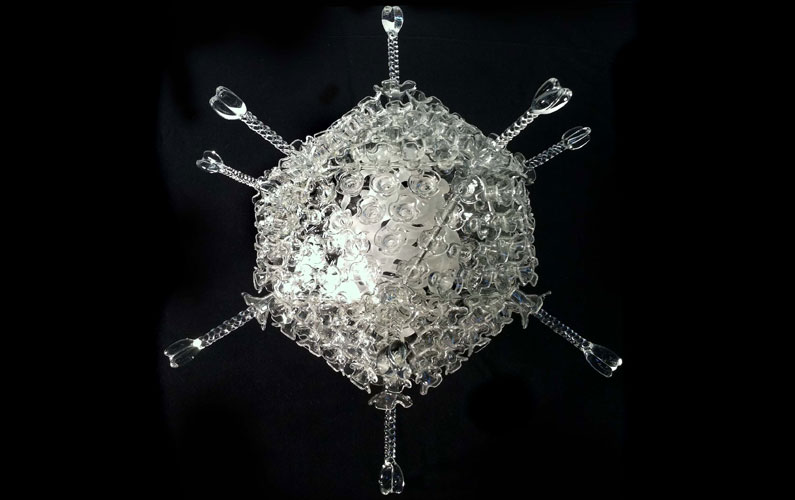
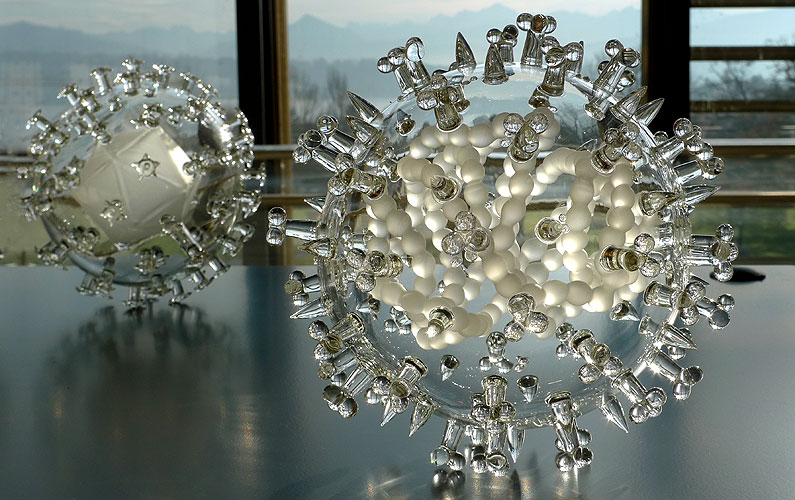
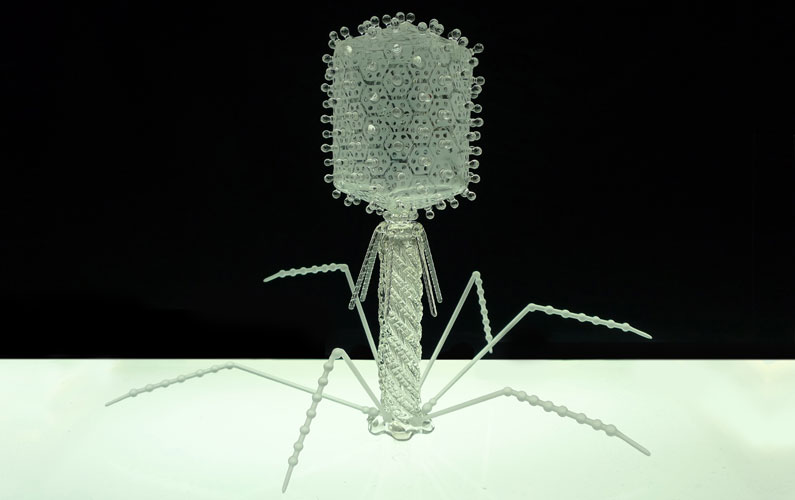
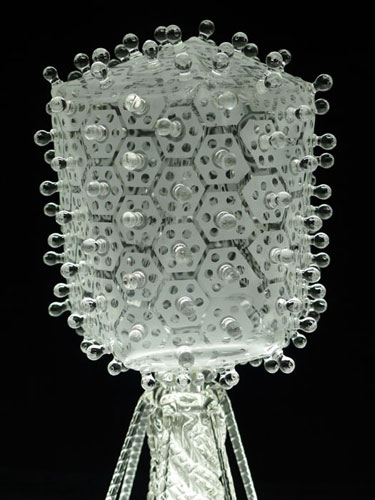
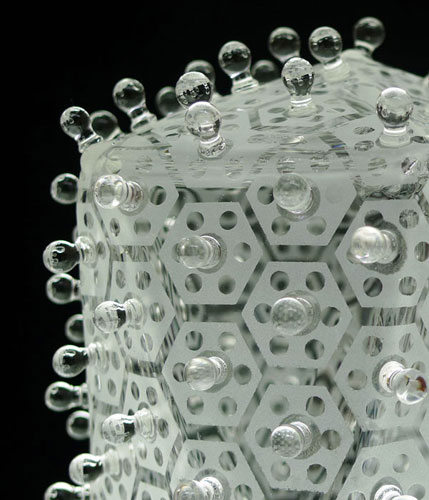
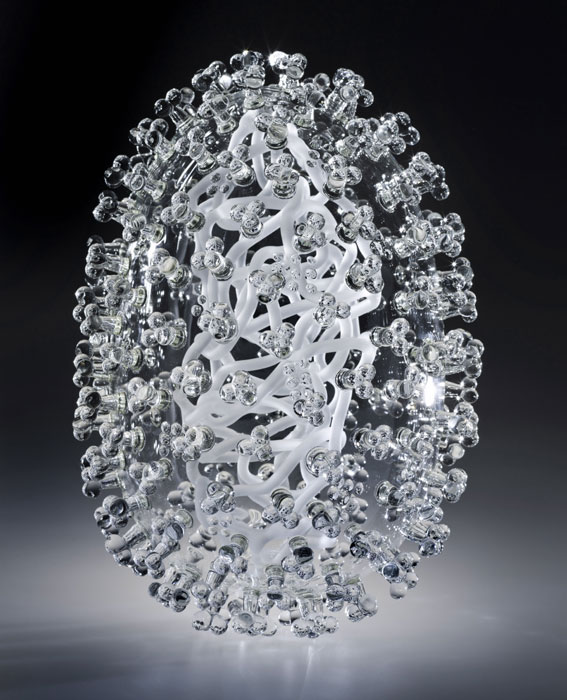
This artwork has been created to be exhibited at the 2011 Venice Biennale in Glasstress 2011. Its the most detailed and intricate glasswork Jerram and his team have made to date.The virus infects E. coli bacteria and has been used for over 60 years in the former Soviet Union and Eastern Europe as an alternative to antibiotics. More recently, the virus has been seen to have potential as a therapy against multi drug resistant strains of many bacteria. One potential treatment currently under development is a phage designed to destroy MRSA
63
Of all human infectious diseases, smallpox is believed to have resulted in more human deaths throughout history than from any other single pathogen. The causative agent of smallpox, Variola virus, was eradicated from natural existence in 1977, through a global vaccination effort administered by the World Health Organization WHO. Currently, the only official stores of Variola are in freezers of two research sites: one at the Centers for Disease Control CDC in Atlanta, and one at the VECTOR research facility in Russia. Should these samples be kept for future scientific research? Or should they be destroyed as the samples are too dangerous to keep? Jerrams sculpture was used on the front cover of a book debating these issues.
69
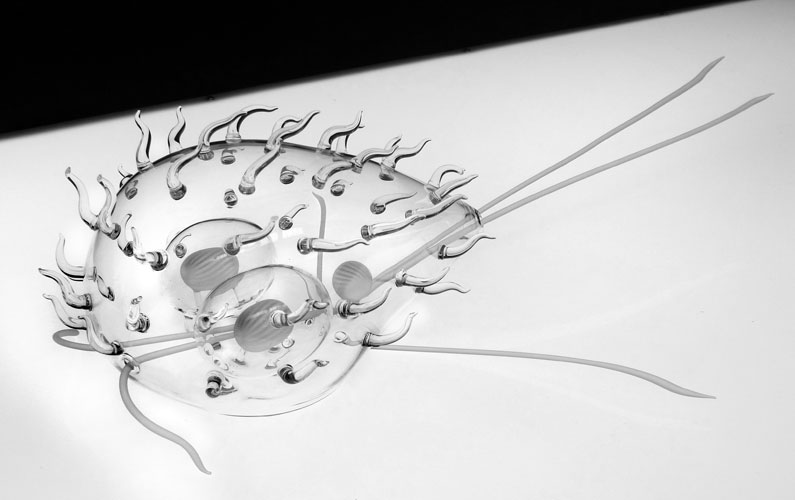
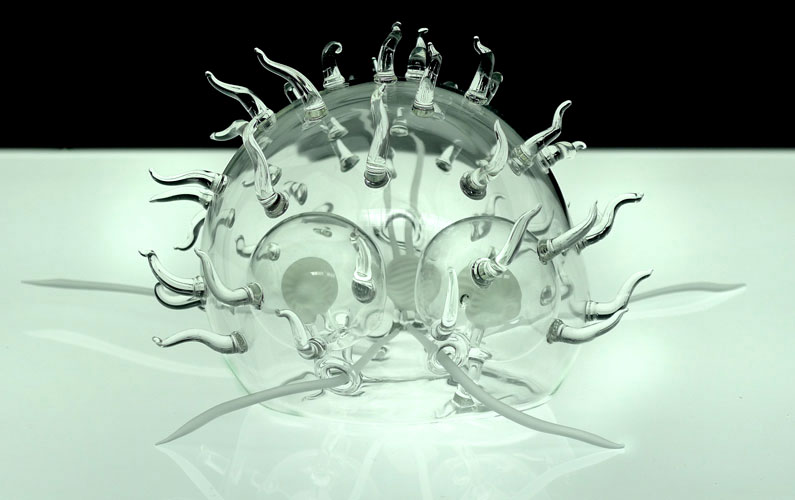
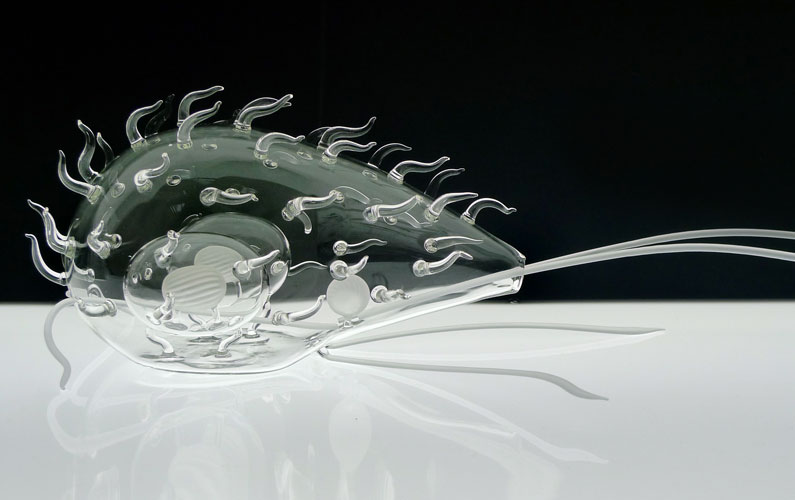
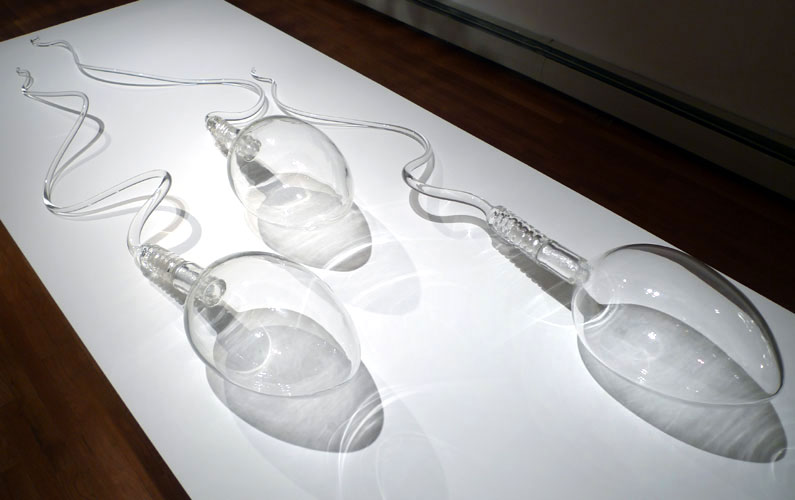
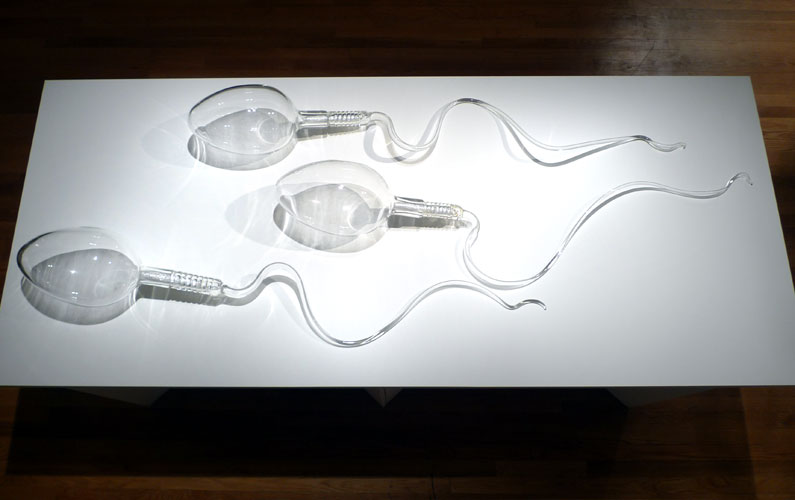
A spermatozoon plural spermatozoa is a motile sperm cell, or moving form of the haploid cell that is the male gamete. The term spermatozoon comes from the Greek word 963960941961956945 seed and 9508183959957 living being.These 5ft long glassworks were created in the hot shop during Jerrams residency at the Museum of Glass, Washington 2011 the artworks were first displayed at the Heller Gallery in NYC.The works were in part, made to celebrate fatherhood and to help Jerram come to terms with being a father himself.
71
The 2009 flu pandemic was an outbreak of a new strain of H1N1 influenza virus, usually referred to as swine flu. First described in April 2009, the virus appeared to be a new strain of H1N1 which resulted when a previous triple re-assortment of bird, swine and human flu viruses further combined with a Eurasian pig flu virus.3 Unlike most strains of influenza, H1N1 does not disproportionately infect adults older than 60 years this was an unusual and characteristic feature of the H1N1 pandemic.
82
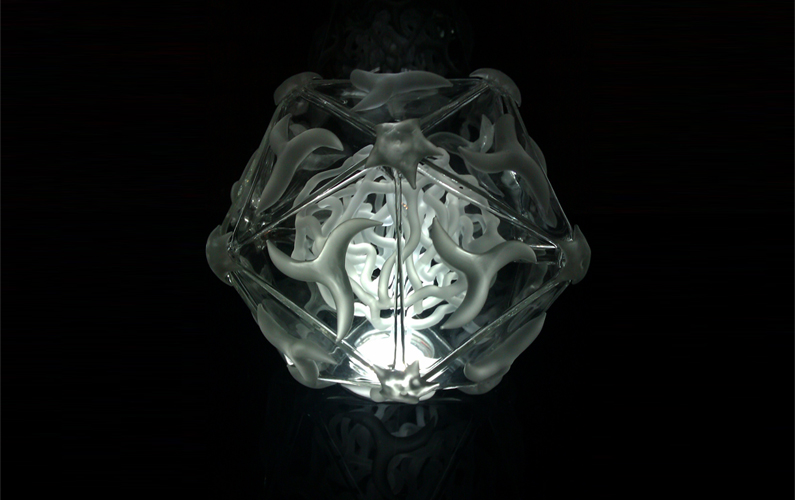
This is a fictional virus, a future virus that has yet to be born. Has this virus been created in the laboratory or evolved naturally? Will the impact of this virus be of benefit or hinderance to humanity?The common public perception is that the only function of viruses is to cause disease. But research has now found a substantial amount of evidence that they serve several major roles in ecology and are actually essential for life. Without viruses, the genetic revolution we are now experiencing would be impossible. They also serve numerous beneficial functions that we are just beginning to research and understand.

























Most Popular