Throughout history, societies have often relied on a sense of stability built on shared beliefs, traditions, and comfortable assumptions. Yet every age produces figures who refuse to let those assumptions pass unchallenged.
These are the gadflies, the provocateurs who sting by asking the questions others avoid, unsettling the calm people grow accustomed to, and forcing them to think for themselves.
They expose hypocrisies, overturn old certainties, and demand that people look at what they’d rather ignore. Time and again, they are ridiculed, silenced, or punished, because their words and actions seem out of place. Yet they leave marks that last far beyond their lifetimes.
The gadflies of history prove that discomfort can be a gift: it shakes people awake, unsettles easy answers, and sparks changes that would never come if no one dared to ask “why.”
1
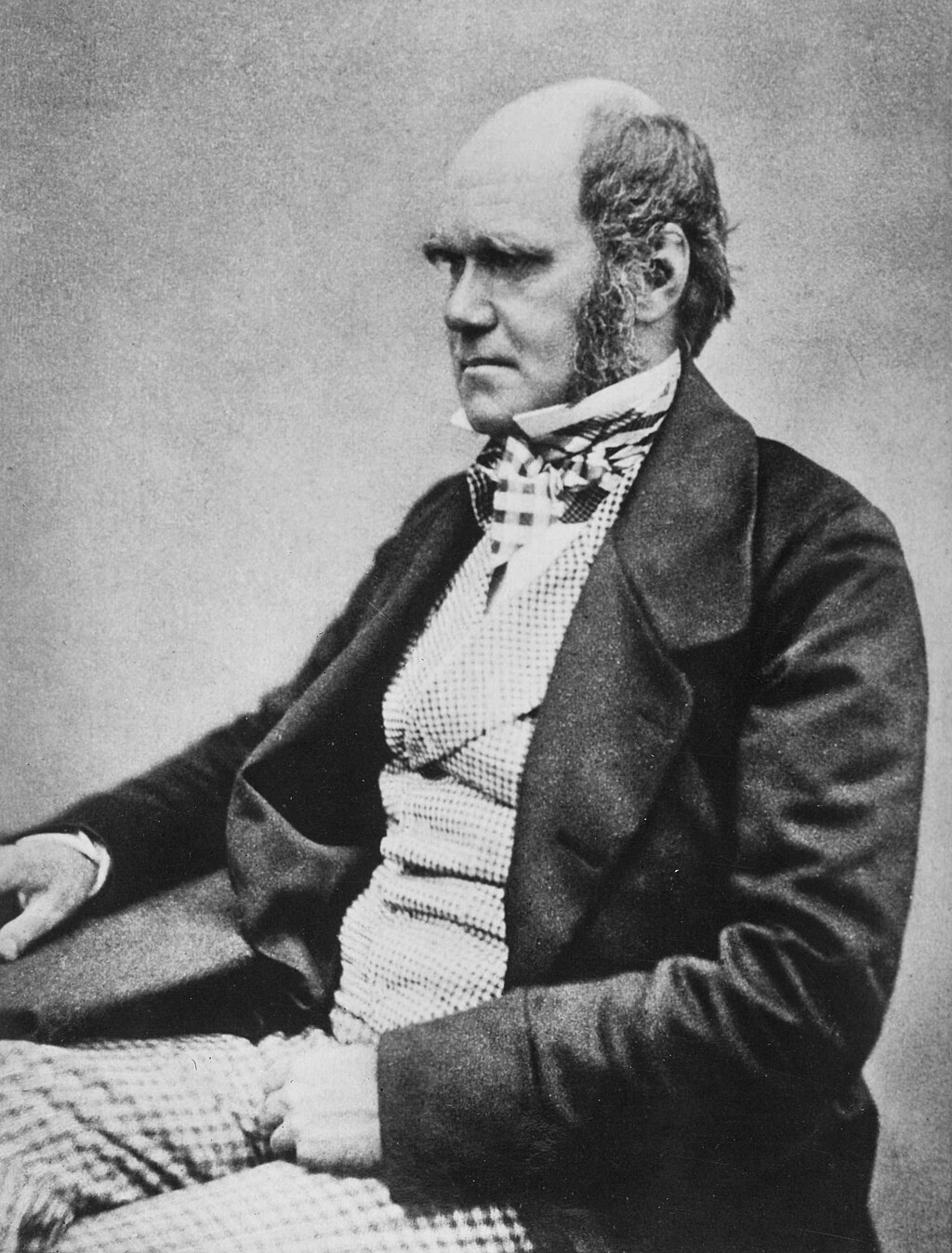
Charles Darwin
After years of studying plants and animals, he said humans were part of the same process as every other creature. His theory of evolution shook religion and science alike.
2
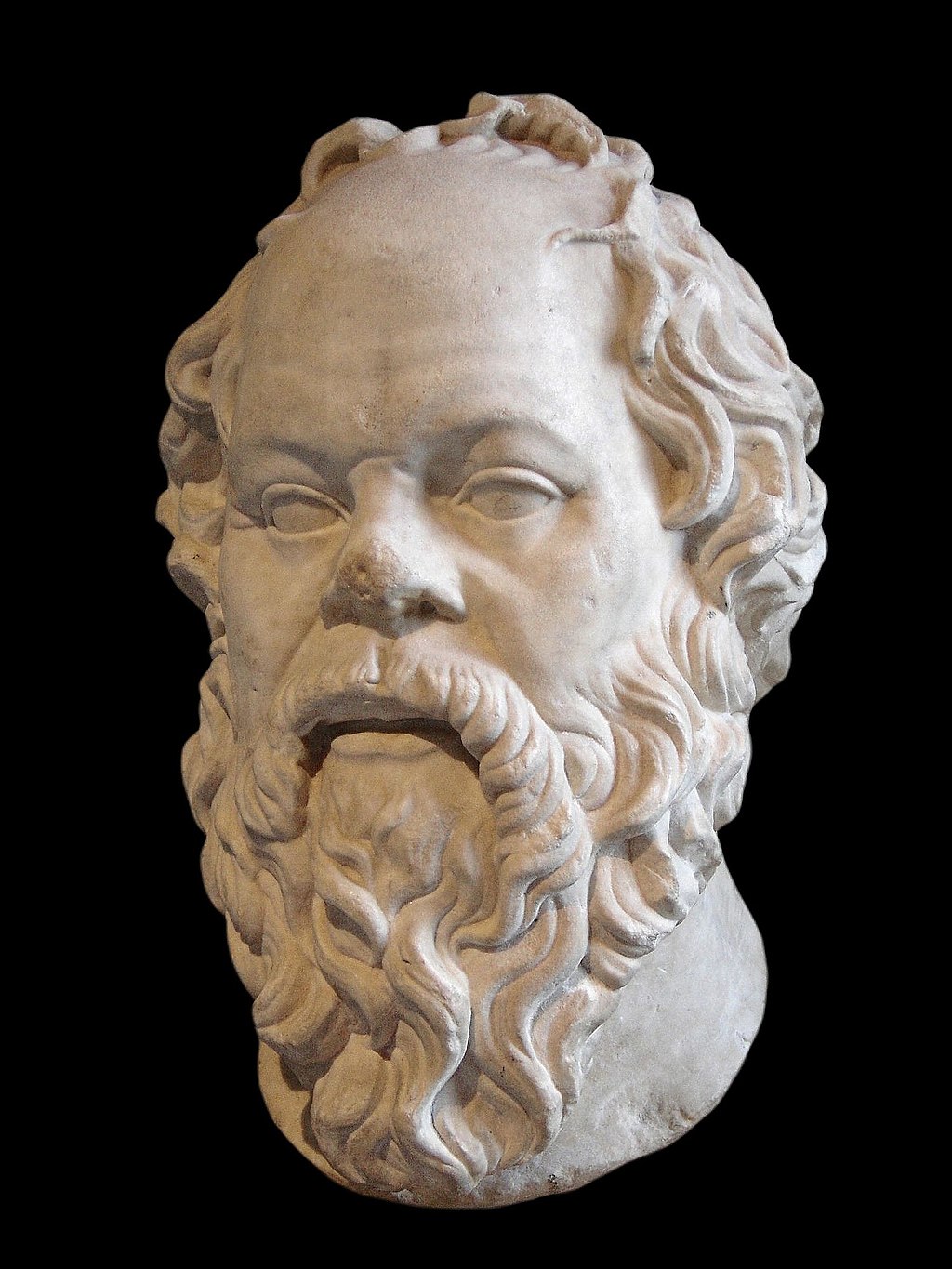
Socrates
He stopped people in the streets of Athens and asked them what “justice” or “courage” really meant. His questions embarrassed the powerful, and he was sentenced to death for “corrupting the youth.”
3
Ai WeiWei
Through art installations and social media, he exposed lies about corruption and human rights abuses. The Chinese government tried to silence him, but his message reached the world.
4
Cornel West
A philosopher who won’t stay quiet, he calls out racism, greed, and political corruption wherever he finds them. His fiery lectures and public debates sting because they cut through polite silence.
5
Edward Snowden
By revealing government surveillance programs, he forced the world to confront how much privacy had already been lost. Exiled and branded a traitor, he made people ask what freedom really means.
6
Frederick Douglass
Born enslaved, he taught himself to read and became one of the greatest speakers of his age. His speeches made Americans face the gap between their ideals of liberty and the reality of slavery.
7
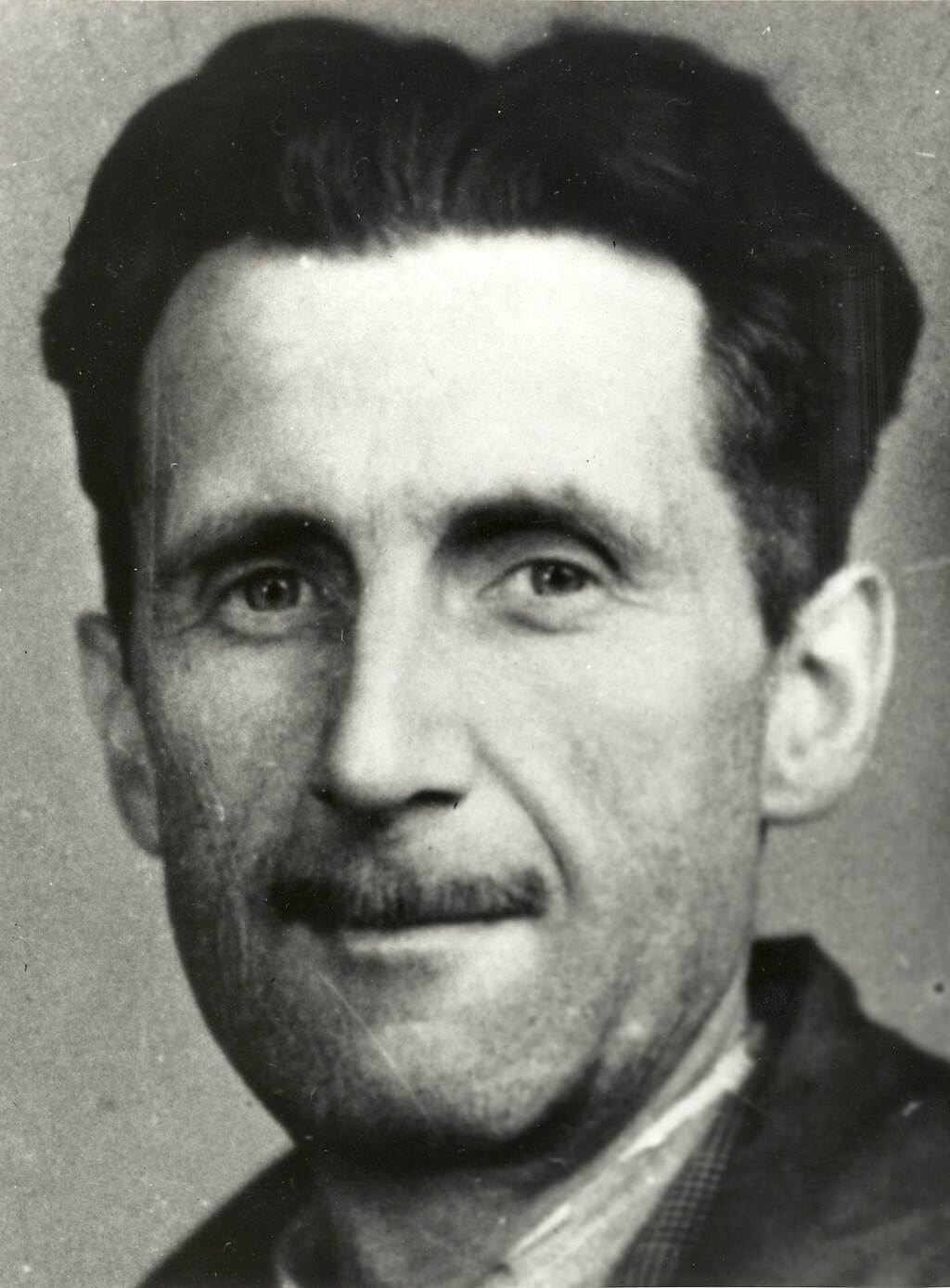
George Orwell
Through stories like Animal Farm and 1984, he warned how lies and propaganda could control entire nations. His words still echo whenever governments abuse language.
8
Greta Thunberg
A teenager who skipped school to protest outside parliament, she told world leaders they were failing the planet. Her blunt words unsettled politicians used to easy applause.
9
Hannah Arendt
Covering a war crimes trial, she wrote that evil often comes from people who simply “follow orders.” Her claim unsettled those who wanted villains to look monstrous, not ordinary.
10
James Baldwin
He told America that its racial wounds were not just about Black people but about the nation’s soul. His essays and speeches forced a reckoning that still feels urgent today.
11
Karl Marx
Watching the misery of factory workers, he argued that the system itself was unfair. His ideas inspired revolutions and still divide debates on economics today.
12
Galileo Galilei
With a telescope, he showed moons orbiting Jupiter, proof that Earth wasn’t the center of everything. Church leaders put him on trial, but his discoveries couldn’t be buried.
13
Martin Luther
He nailed a list of complaints to a church door, asking why people should pay money to have sins forgiven. That simple act set off the Protestant Reformation.
14
Mary Wollstonecraft
She wrote that women deserved education just as much as men. In an age when women were seen as fragile and dependent, her book read like a declaration of war.
15
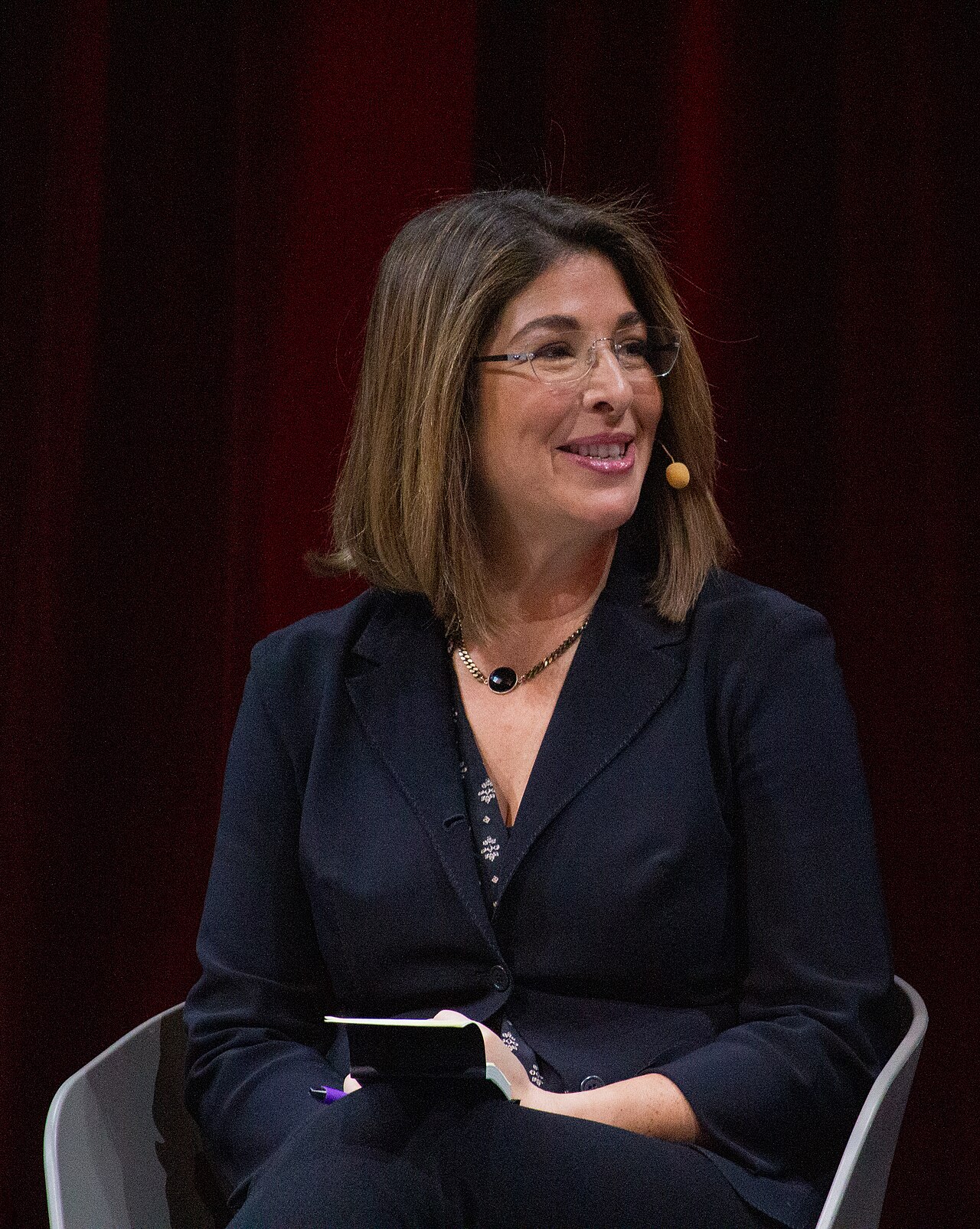
Naomi Klein
With books like No Logo and The Shock Doctrine, she exposed how corporations exploit crises and shape culture. Her questions about who profits from disaster unsettled the global economy’s story of progress.
16
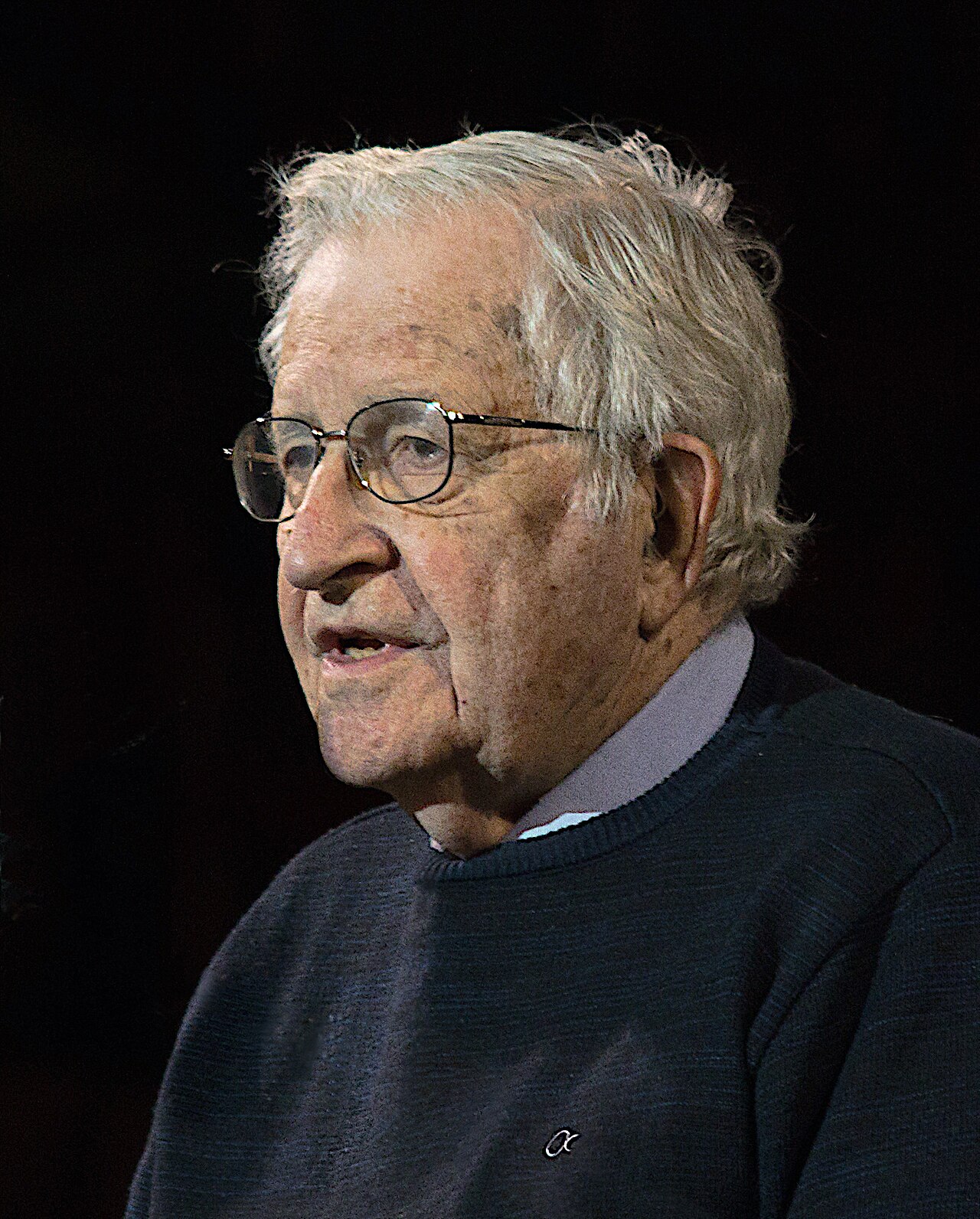
Noam Chomsky
From the Vietnam War to the present, he has shown how governments and media manipulate truth. His steady critiques have made many uneasy by asking who really benefits from power.
17
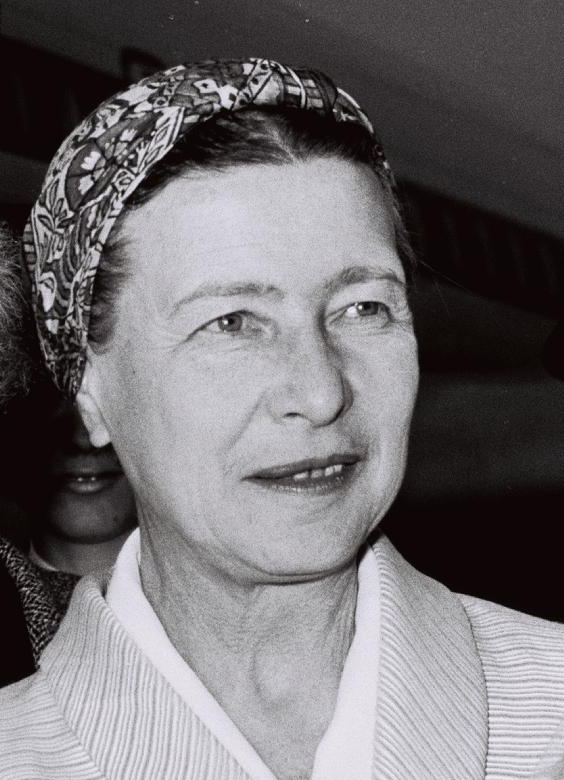
Simone De Beauvoir
She wrote that women weren’t born “lesser,” but made so by society. Her words lit the fire for a new wave of feminism.
18
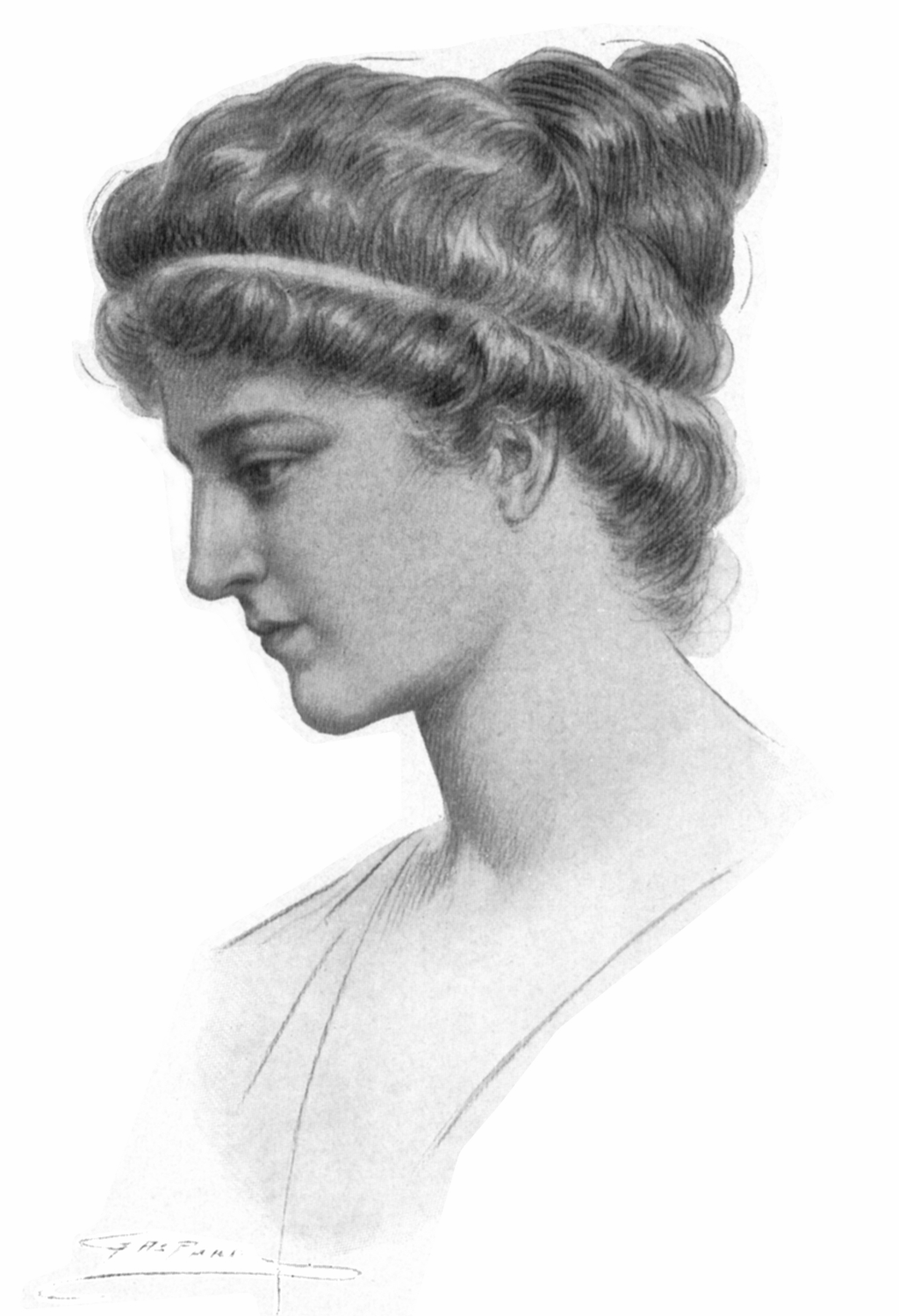
Hypatia of Alexandria
She taught science and philosophy in a city dominated by religious tension. Her public lectures drew crowds, and her refusal to bend made her a target.
19
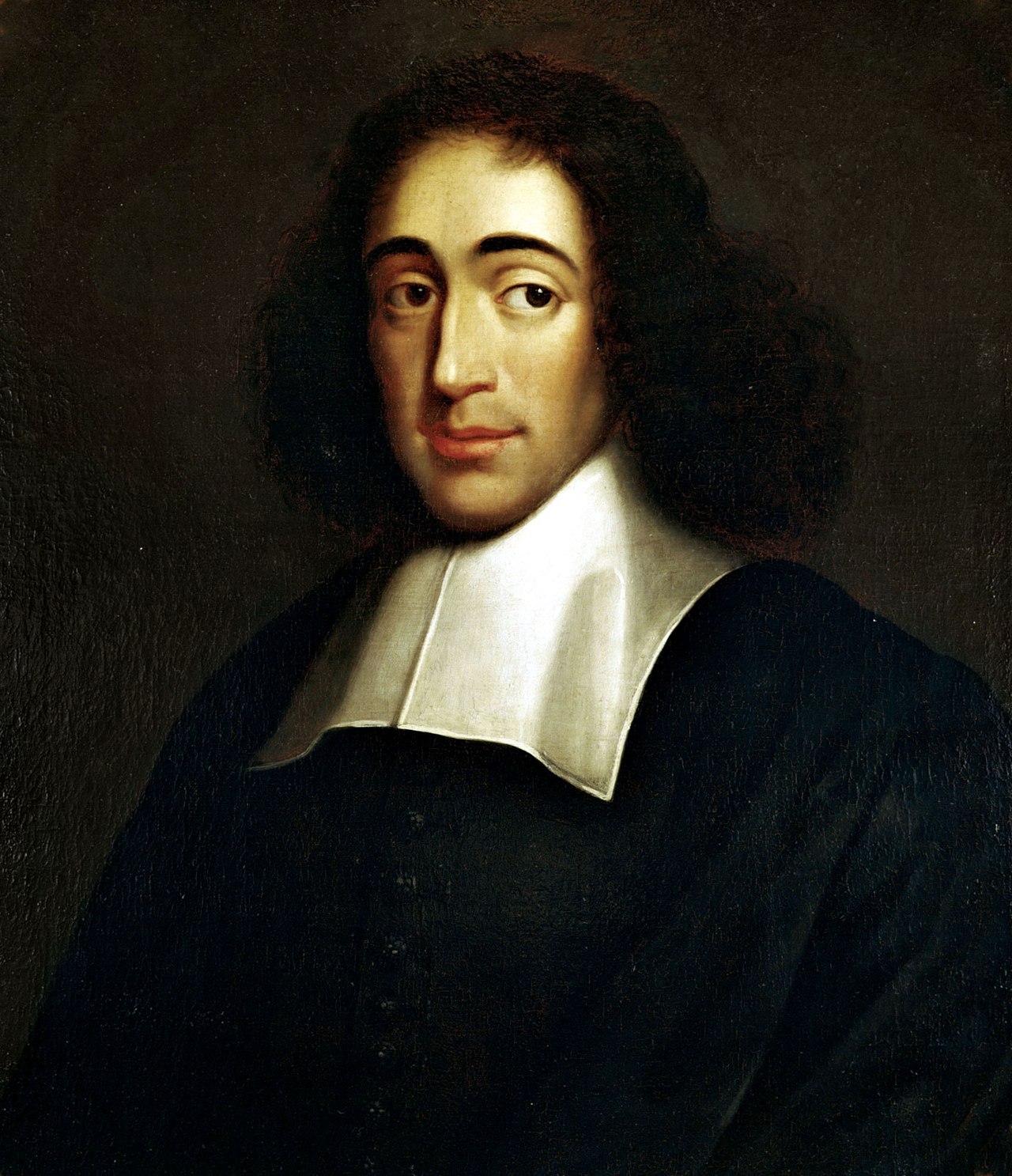
Baruch Spinoza
He was cast out of his community for saying God was part of nature, not above it. His quiet writings later inspired revolutions in how people thought about freedom.
20
Giordano Bruno
He spoke of stars as other suns with worlds of their own, a vision that terrified church authorities. They burned him at the stake for refusing to stay quiet.

.jpg)
_(cropped).jpg)
_(cropped).jpg)
_(cropped).jpg)
_(cropped).jpg)
.jpg)
.jpg)
.png)
_RMG_BHC2700.tiff.jpg)
.jpg)
.jpg)
.jpg)