Some album covers hold the music and the generation. They’re the posters we plastered on bedroom walls, the images we memorized before the needle even dropped, the moments when art and sound collided perfectly.
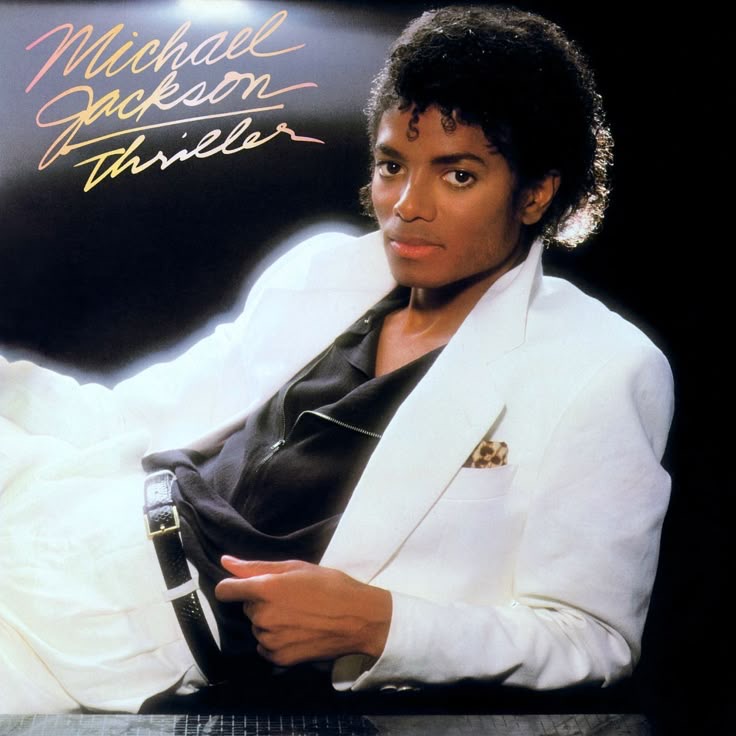
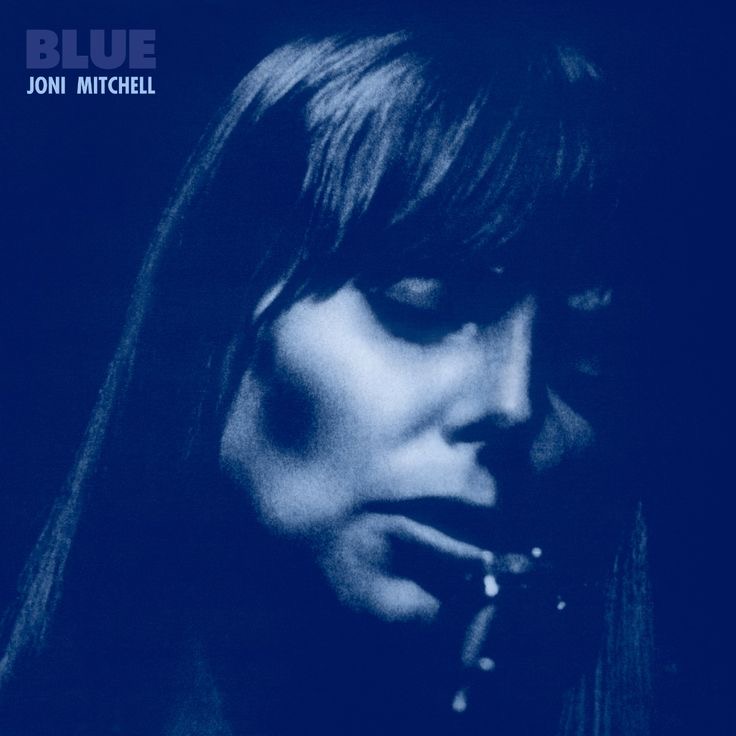
Sgt. Pepper’s blasted open a kaleidoscope world, the Beatles’ colors and chaos promising a journey bigger than our teenage bedrooms. Thriller was an album where Michael was swaggering in a white-suited revolution staring straight at you, daring you to dance. And Blue? Joni Mitchell’s face could cut right through the noise of the world, handing us heartbreak, hope, and everything in between.
This slideshow is a passport to those defining moments, a visual mixtape of the covers that shaped our taste, our memories, and the very way we saw music.
1
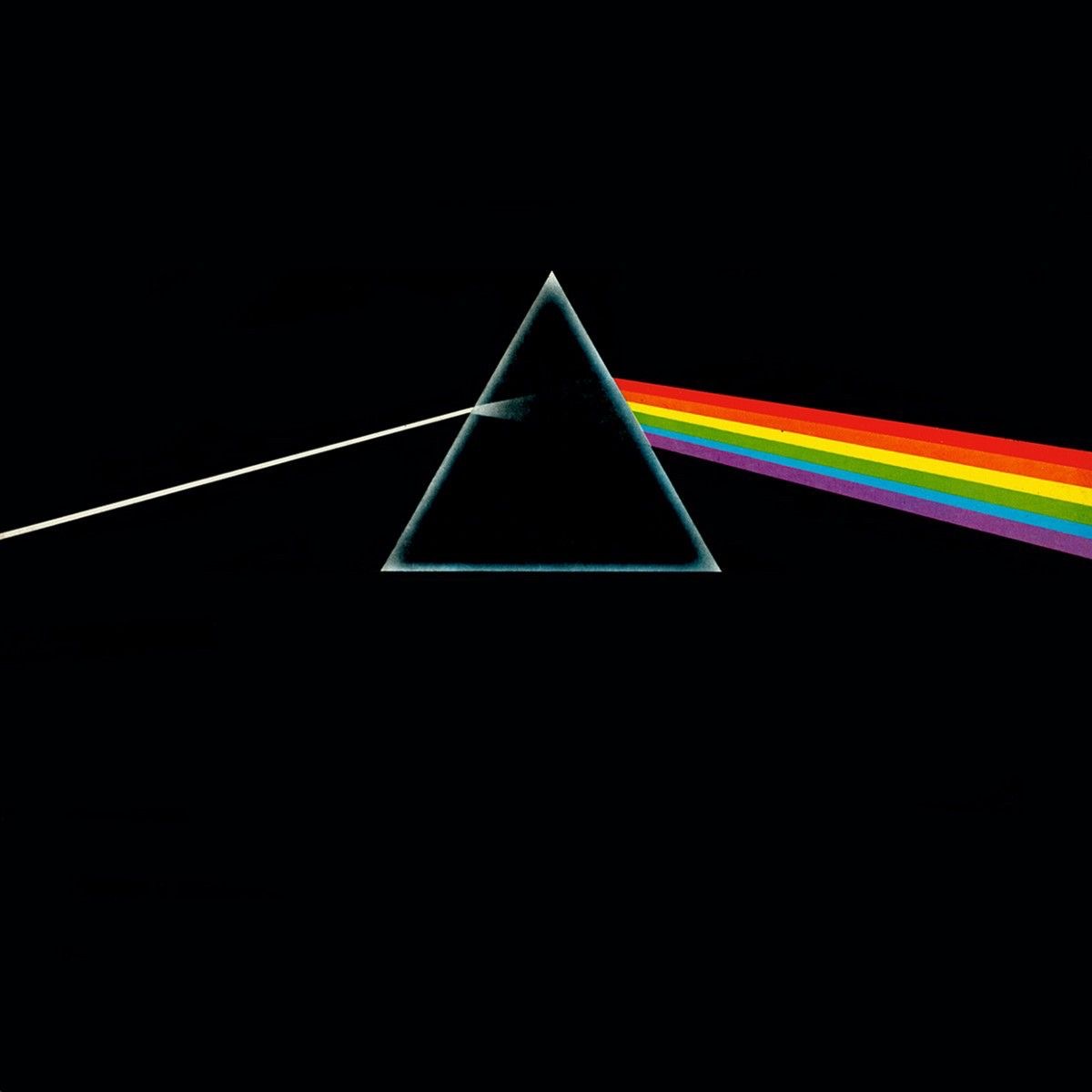
Pink Floyd / The Dark Side of the Moon (1973)
A minimalist prism refracting light into a spectrum. Its perfect simplicity became a cross-generational emblem, transcending rock to become one of the most recognizable images in pop culture.
2
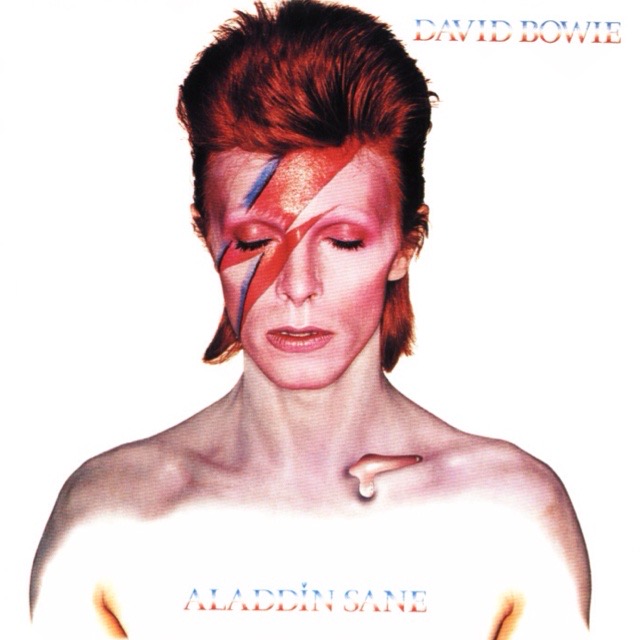
David Bowie / Aladdin Sane (1973)
Bowie’s lightning-bolt portrait, became a defining image of glam rock and artistic reinvention. It remains one of the most iconic photographs in music history.
3
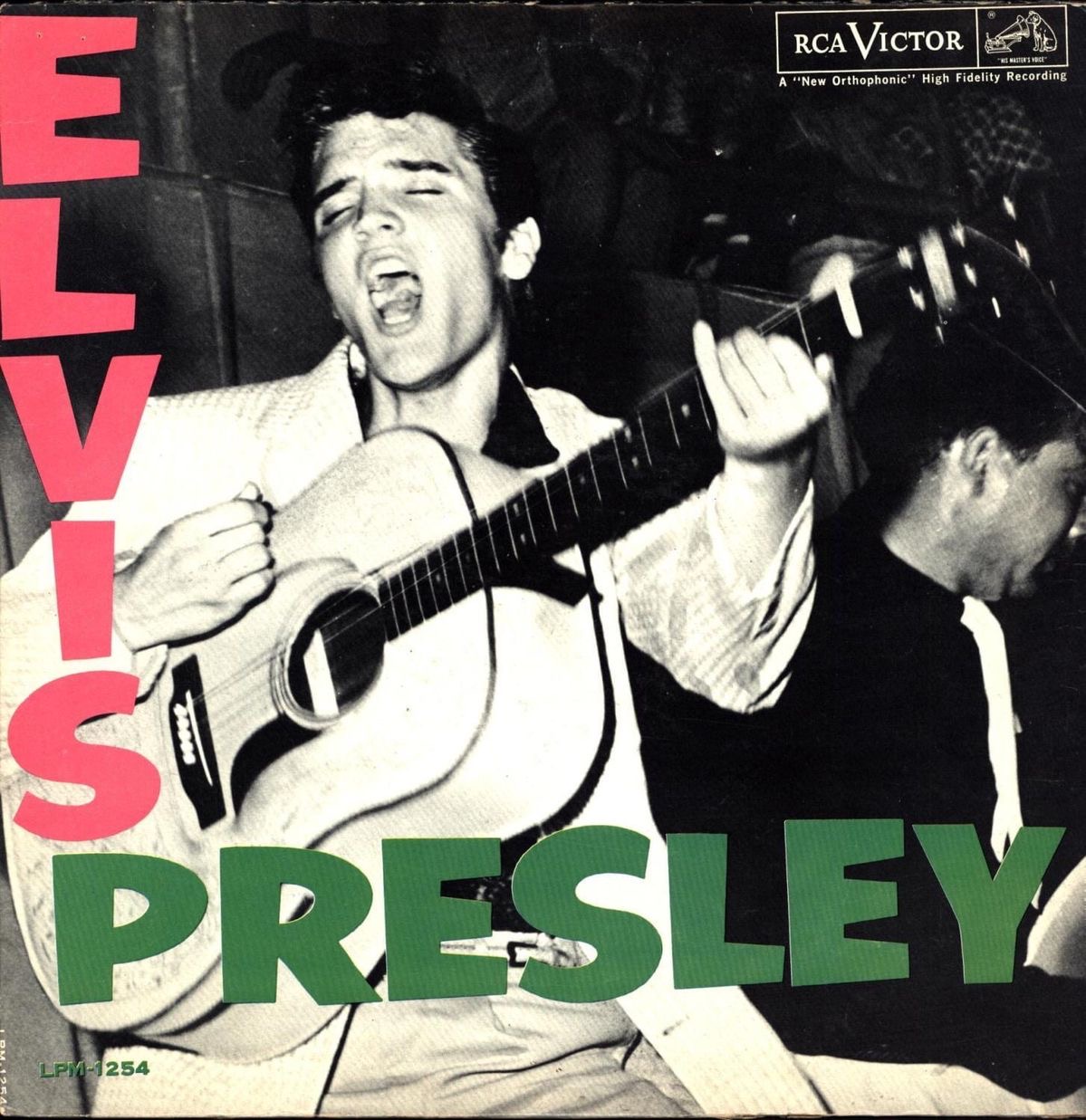
Elvis Presley / Elvis Presley (1956)
The bold pink-and-green block lettering paired with Presley’s live-performance pose helped define early rock ’n’ roll’s rebellious visual language.
4
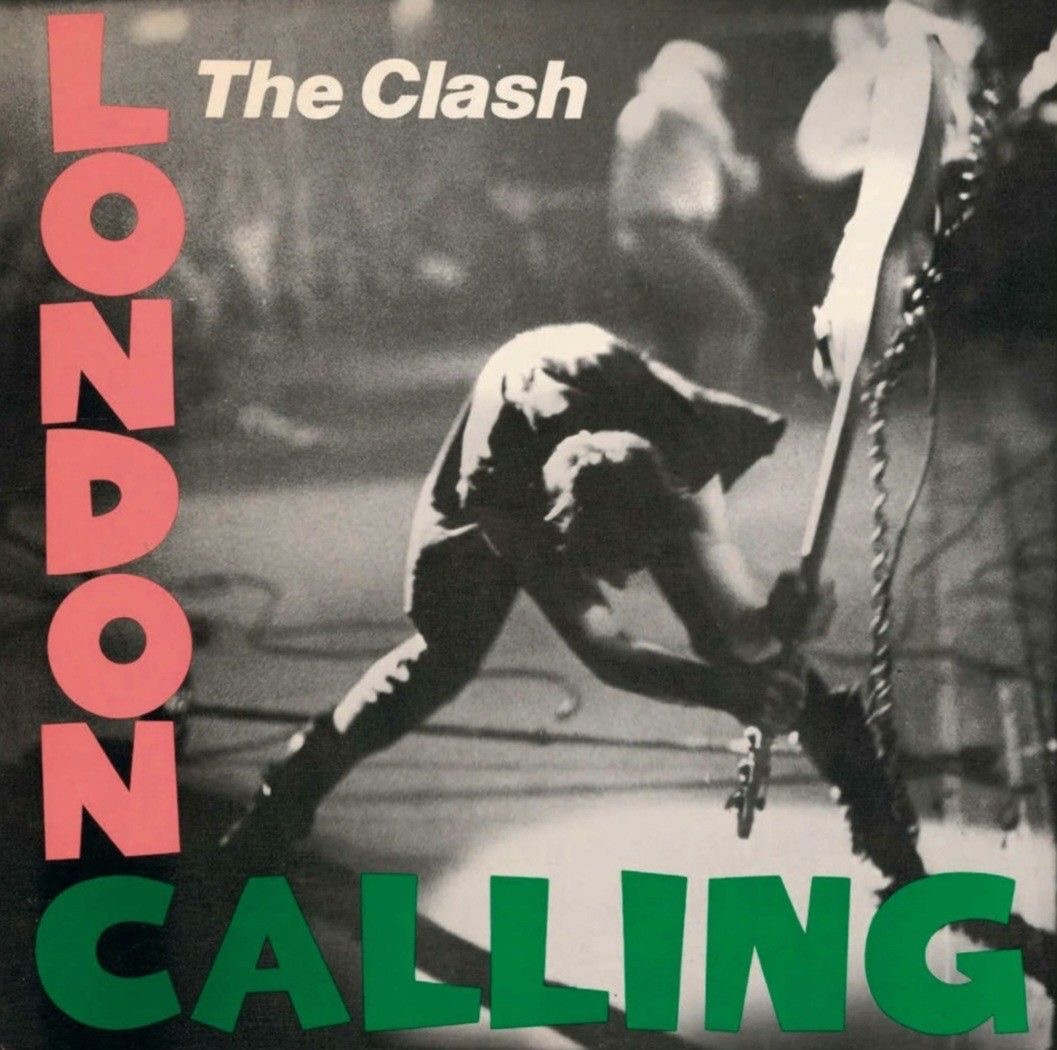
The Clash / London Calling (1979)
Paul Simonon smashing his bass. Paired with typography inspired by Elvis’s debut, it created a perfect punk-era statement: rebellion against everything, including the past.
5
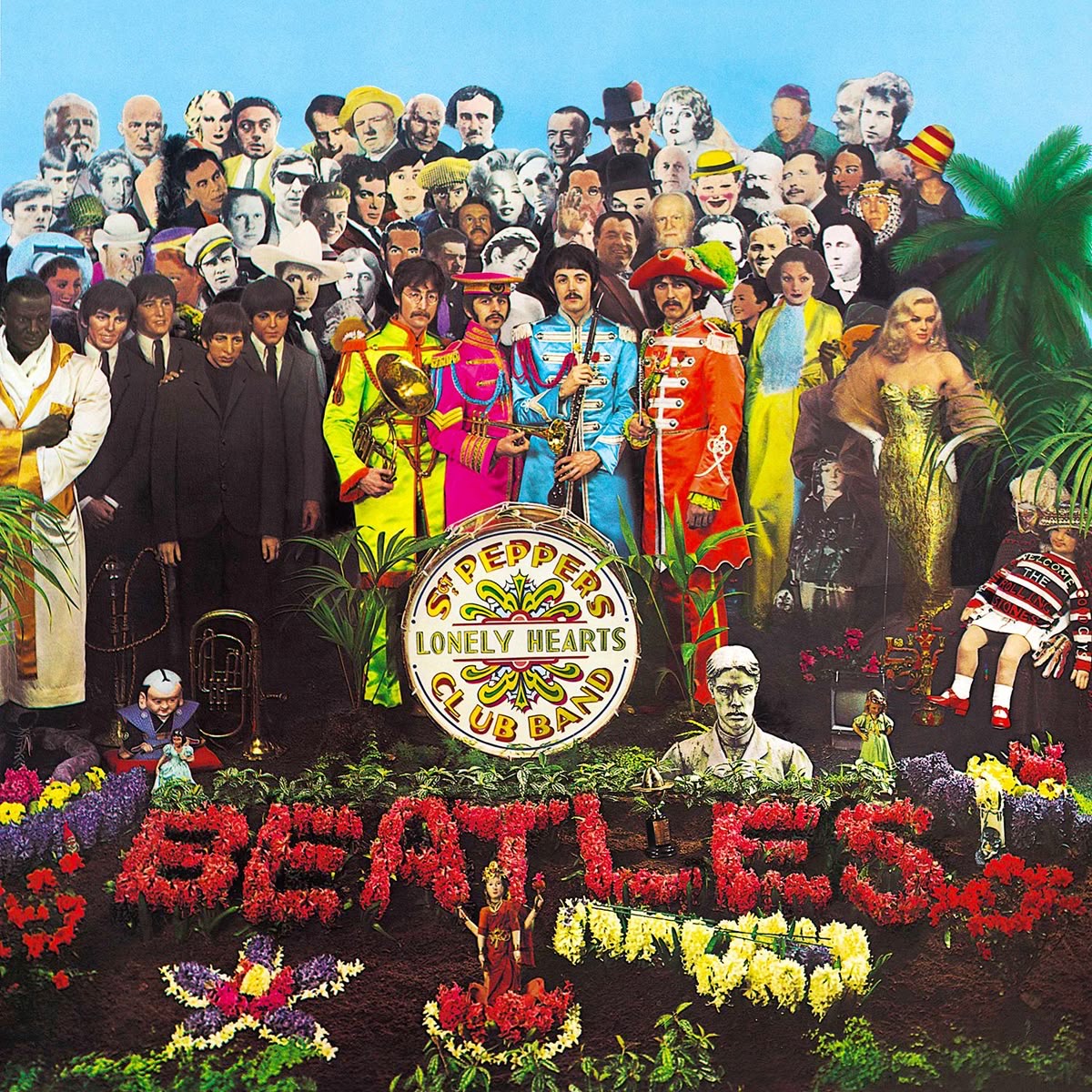
The Beatles / Sgt. Pepper’s Lonely Hearts Club Band (1967)
The psychedelic, hyper-detailed pop-art collage blurred the lines between music, fine art, and cultural iconography. It reimagined what an album cover could be: a dense, technicolor universe that mirrored the era’s experimental spirit.
6
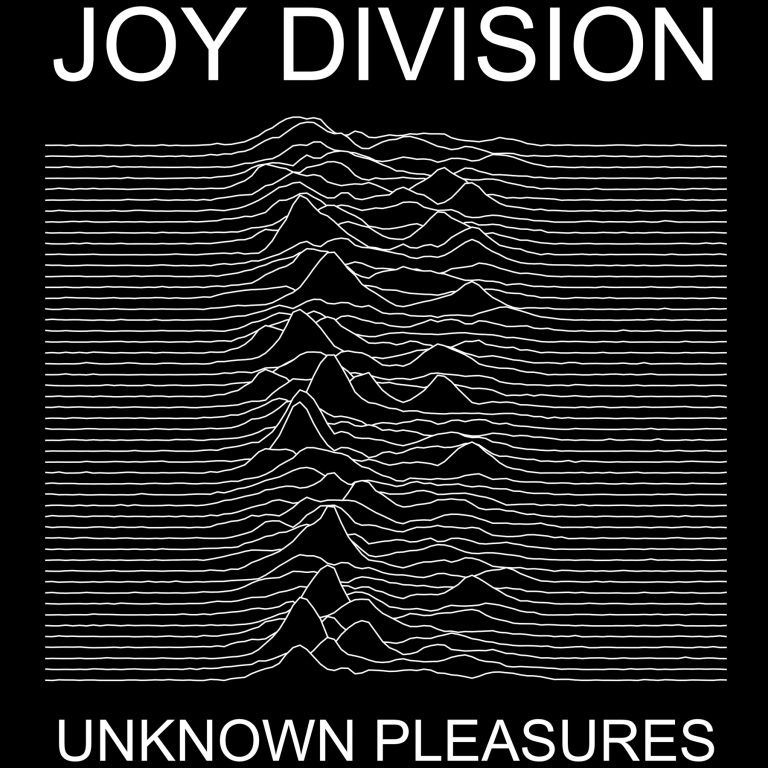
Joy Division / Unknown Pleasures (1979)
The black-and-white pulsar waves formed the ultimate post-punk visual. Its enigmatic design became a universal symbol of underground culture.
7
Bob Marley and The Wailers / Rastaman Vibration (1976)
The earthy, textured portrait of Marley captured reggae’s rising global force and the cultural power of Marley’s voice. It became a visual shorthand for resistance, spirituality, and Caribbean identity.
8
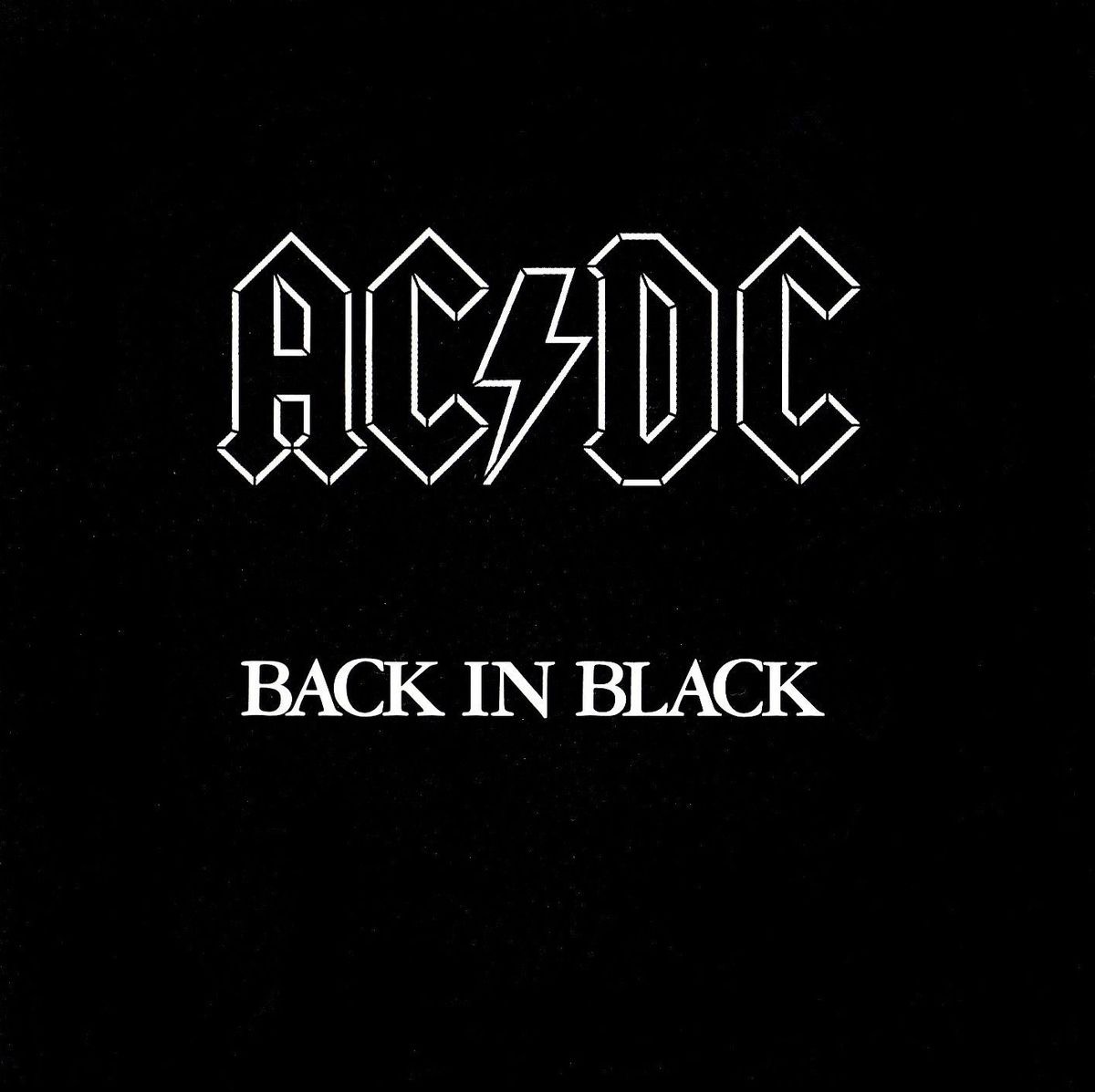
AC/DC / Back in Black (1980)
A pure black cover with minimal lettering, an elegy for Bon Scott and a monument to hard rock. Its stripped-down design became one of the most powerful statements of identity in music history.
9
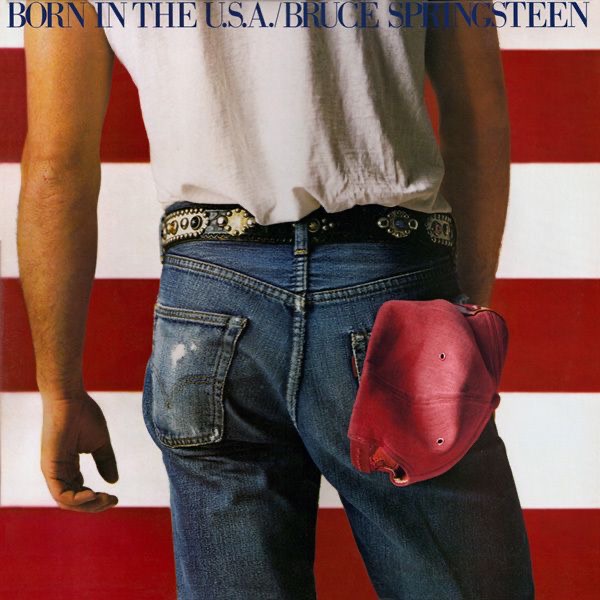
Bruce Springsteen / Born in the U.S.A. (1984)
Denim, a white T-shirt, and an American flag, an image both patriotic and critical. The cover distilled Springsteen’s working-class storytelling into a single, era-defining snapshot of ’80s Americana.
10
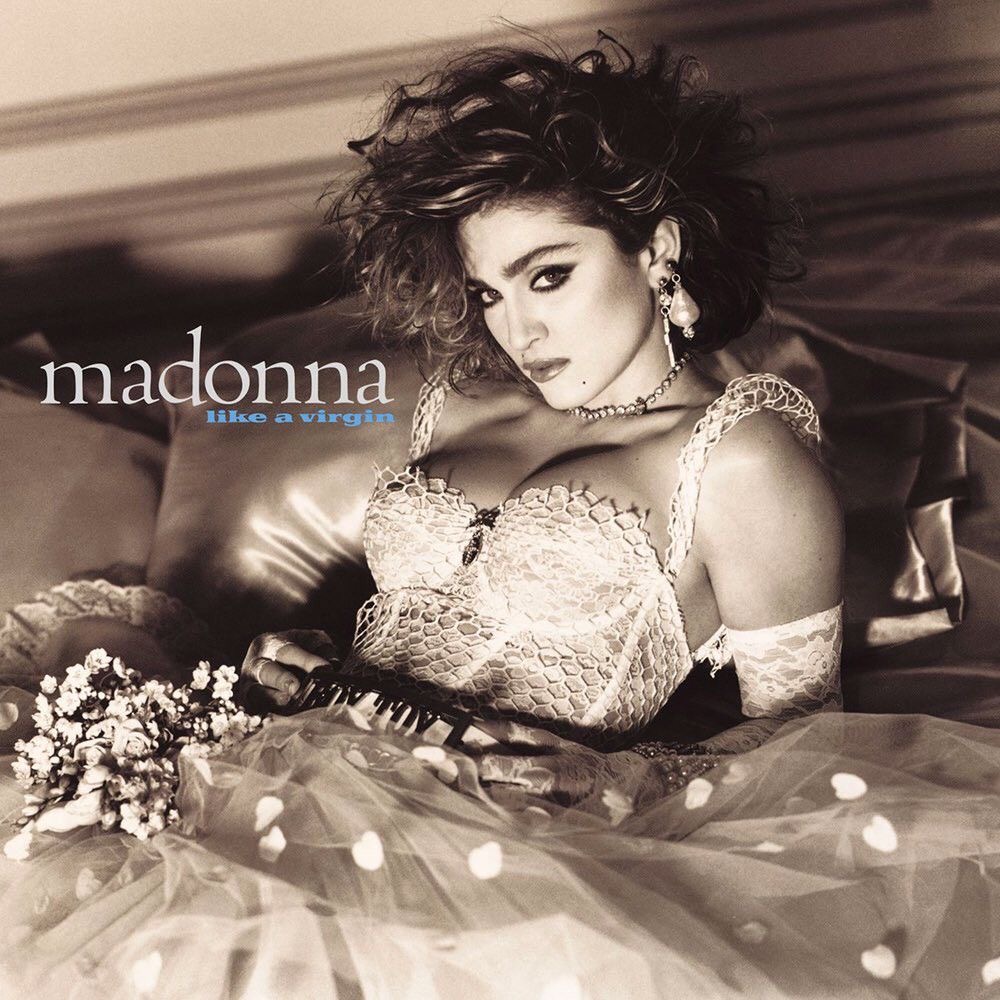
Madonna / Like a Virgin (1984)
Madonna in a bridal gown. The cover cemented her reign over pop culture and redefined how female artists could command image and identity.
11
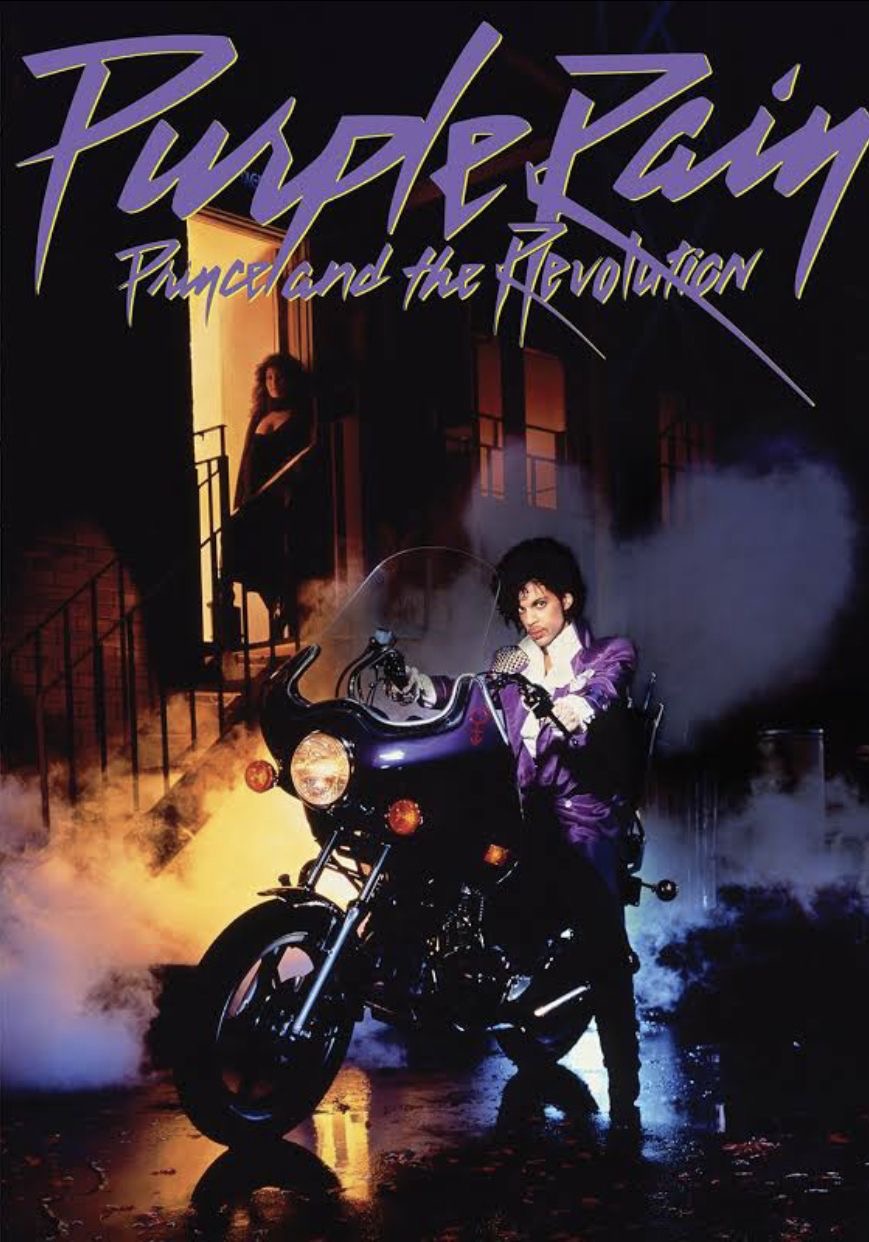
Prince / Purple Rain (1984)
Prince on a purple motorcycle, drenched in theatrical lighting, a perfect fusion of rock, funk, and cinematic glamour. The cover became an instant icon of ’80s pop mystique.
12
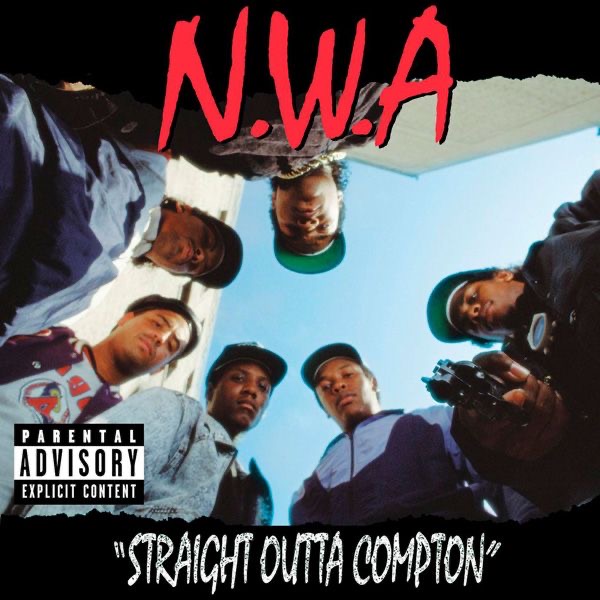
N.W.A / Straight Outta Compton (1988)
The gritty, low-angle group shot captured the urgency of West Coast reality rap. It announced gangsta rap as an unstoppable cultural force.
13
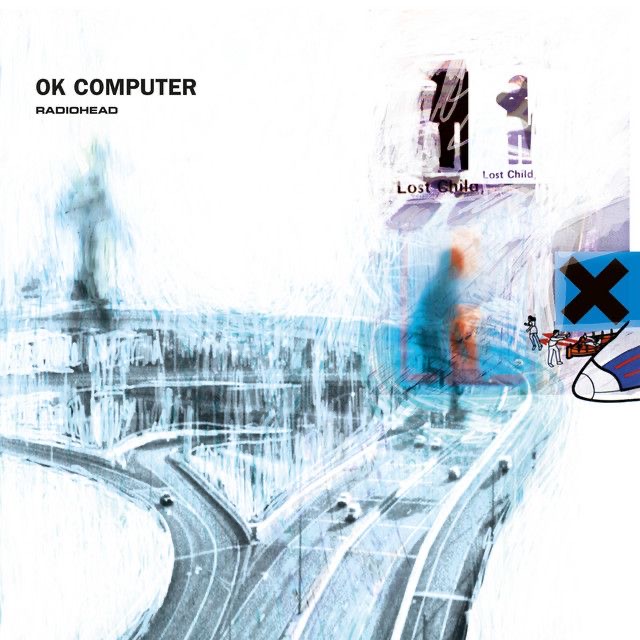
Radiohead / OK Computer (1997)
A fragmented, digital-age landscape rendered in cool whites and blues. The visual aesthetic perfectly embodied the pre-millennial anxiety that the album defined.
14
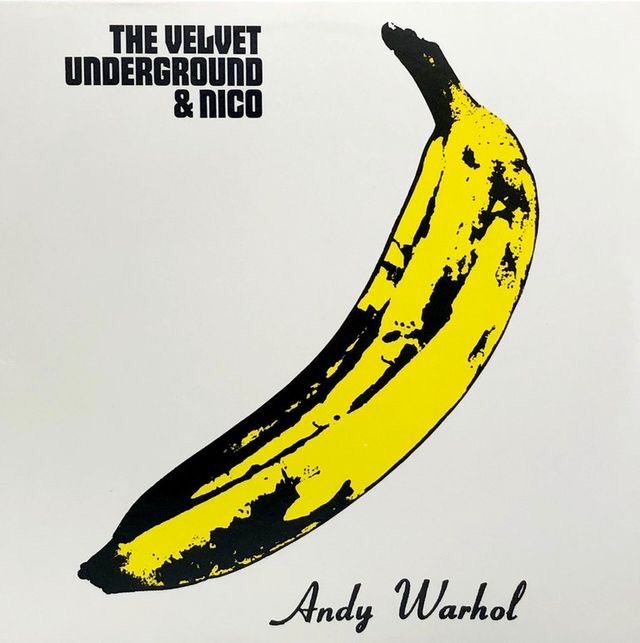
The Velvet Underground & Nico / The Velvet Underground & Nico (1967)
The peelable-sticker design (in early pressings) blurred the boundary between fine art and pop music, making the album a cornerstone of counterculture aesthetics and a blueprint for alternative and indie imagery for decades.
15
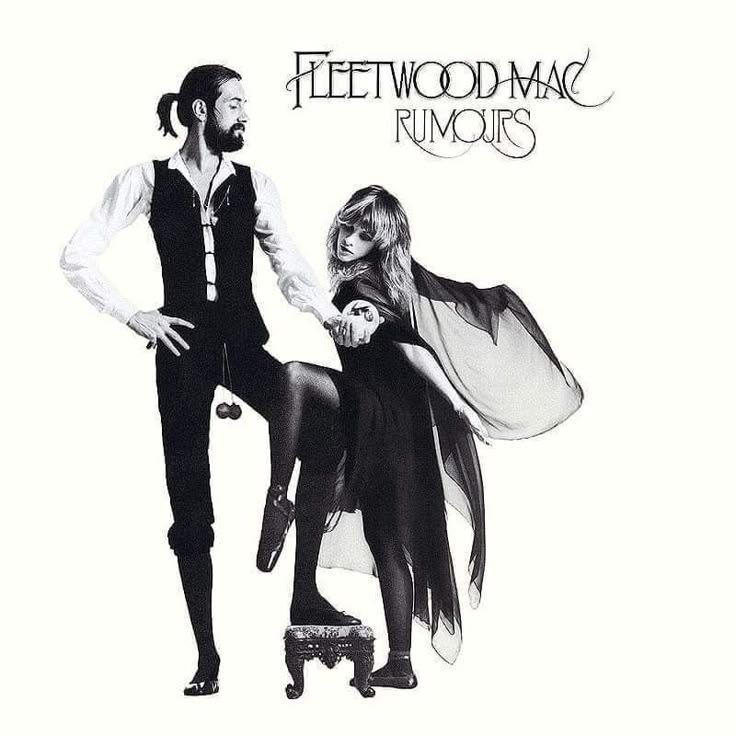
Fleetwood Mac / Rumours (1977)
The minimalist, mystical photo of Stevie Nicks and Mick Fleetwood became symbolic of 1970s soft-rock culture and the band’s mythic internal drama.
16
Michael Jackson / Thriller (1982)
Thriller became a worldwide cultural symbol of 1980s pop, fashion, and superstardom, shaping the visual identity of the music-video era.
17
Metallica / Master of Puppets (1986)
The graveyard of white crosses manipulated by strings descending from an unseen puppeteer created one of metal’s most enduring and dramatic visual statements.
18
Lauryn Hill / The Miseducation of Lauryn Hill (1998)
The carved-wood portrait of Hill is instantly recognizable and became an emblem of late-’90s neo-soul, introspective hip-hop, and a generation defining its own identity.
19
Joni Mitchell / Blue (1971)
The deep-blue, close-cropped portrait of Mitchell became a defining visual of the singer-songwriter era. Its stark simplicity mirrors the emotional rawness of the album and shaped the aesthetic of confessional music for decades.