Not everyone’s grinding in a cubicle with Wi-Fi and ergonomic chairs. Some folks are out here literally surviving in places that look like deleted scenes from a dystopian movie, except it's not fiction, it’s their 9 to 5.
We’re talking miners breathing in darkness, farmers coaxing life from poisoned dirt, and workers standing knee-deep in conditions that would make OSHA spontaneously combust. These are the places where the air bites, the walls drip, and the job description reads: “Try not to die.” It's human resilience on full display: gritty, grimy, and somehow still going. You’ll laugh, you’ll wince, you’ll wonder how we got here.
Swipe in and pay your respects to the people doing way too much in places no one should ever have to be. Spoiler alert: your worst day at work doesn’t even come close.
1
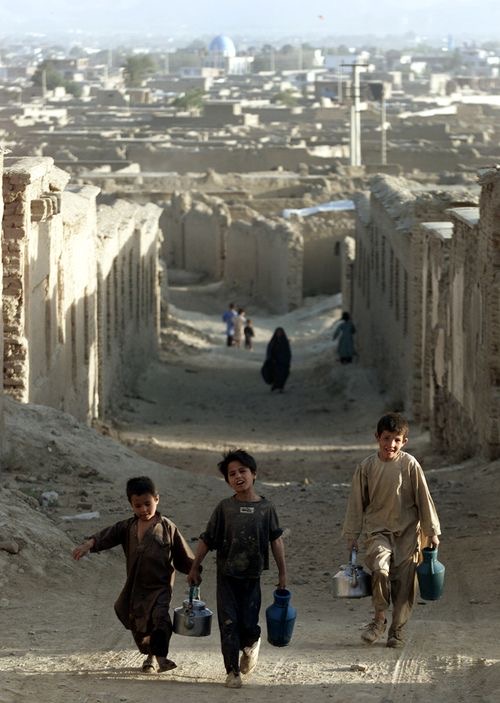
Deserted and Deserted: Villagers in Drought-Stricken Lands
Droughts now last years in places like the Horn of Africa and Central India, forcing families to survive on dust, debt, and hope.
2
Buried in Darkness: Miners Deep Underground
Miles below the surface, men and women labor in claustrophobic, dangerous tunnels where cave-ins, gas leaks, and toxic dust are part of daily life.
3
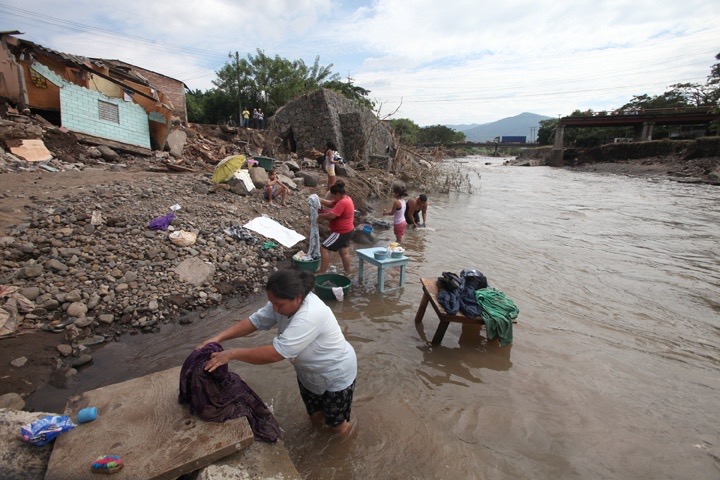
Flooded and Forgotten: Families in Waterlogged Zones
In regions like Bangladesh, Louisiana, and Jakarta, rising waters keep coming and no one’s coming to help.
4
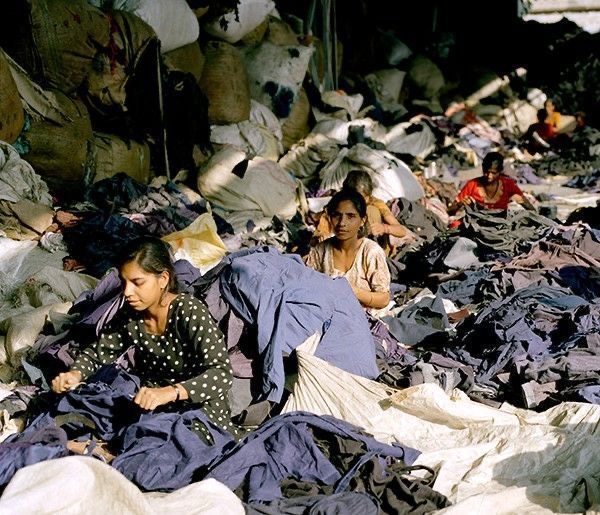
Sweatshops and Shadows: Workers in Unsafe Factories
From garment workers in Bangladesh to electronics assemblers in China, millions toil in poorly ventilated, overcrowded, and often collapsing buildings.
5
Toxic Fields: Farmers on Polluted Land
From pesticide-heavy crops in South Asia to chemical runoff zones in the U.S., farmers are growing food in soil that poisons both the earth and them.
6
Smoke and Ash: Communities Living Near Factories
Entire towns breathe in smoke, soot, and industrial chemicals with asthma, cancer, and birth defects becoming generational burdens.
7
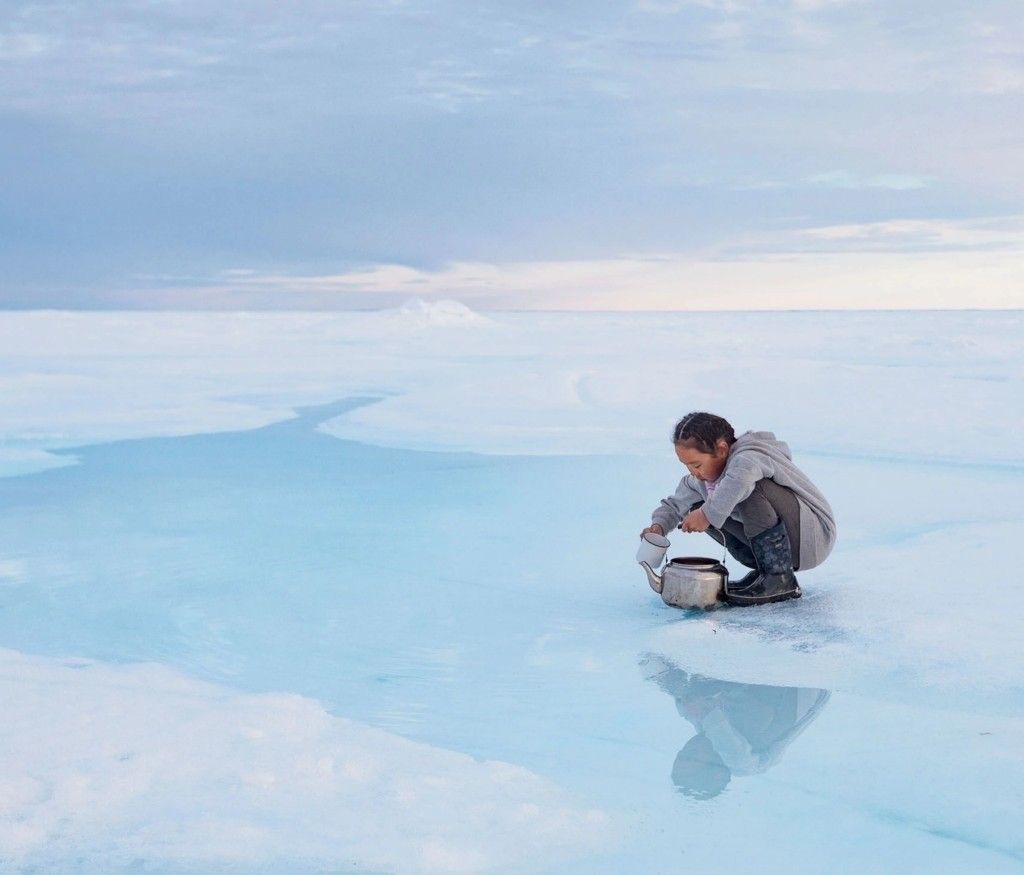
Treading on Thin Ice: Indigenous Peoples in Melting Arctic
As permafrost vanishes and wildlife disappears, Inuit and other Arctic communities face a quiet but devastating displacement.
8
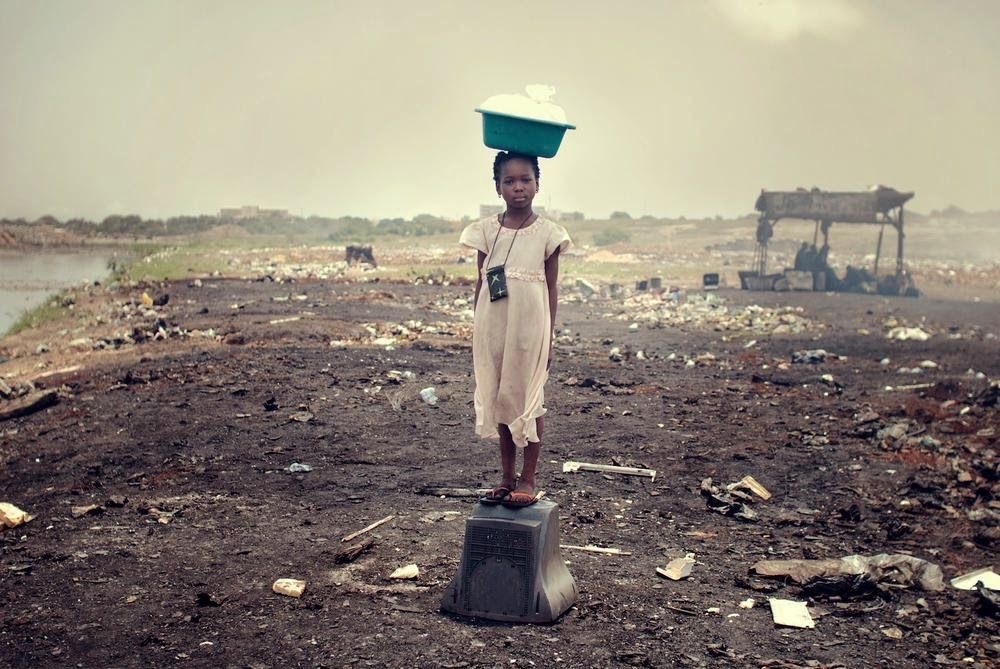
Chemical Shadows: Workers on Toxic Waste Sites
From e-waste dismantlers in Ghana to asbestos removers in India, these workers are exposed to deadly toxins; often without protection or pay worth the risk.
9
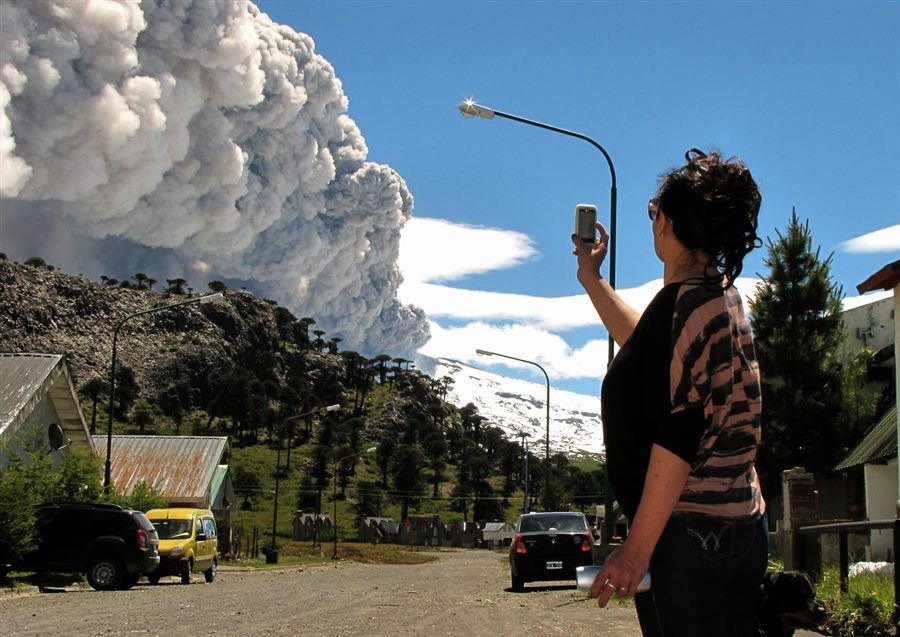
Ashes of the Earth: Communities Near Volcanic Eruptions
People in areas like the Philippines, Guatemala, and Indonesia rebuild again and again, because they have no choice but to stay in danger’s path.
10
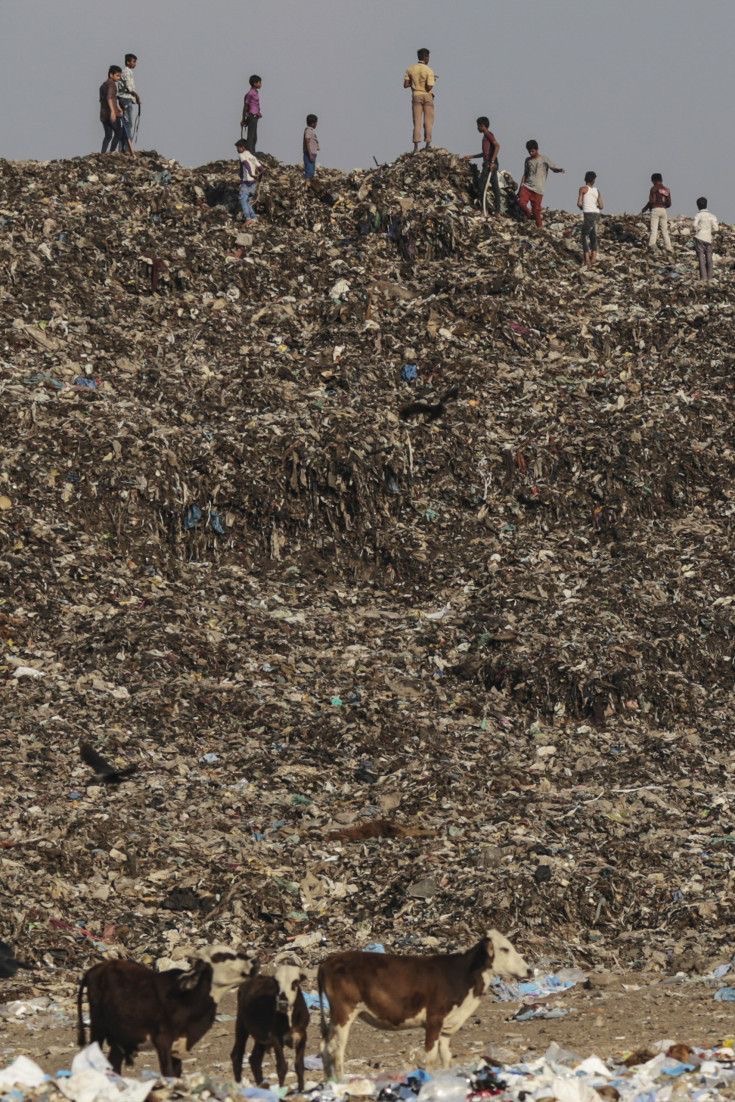
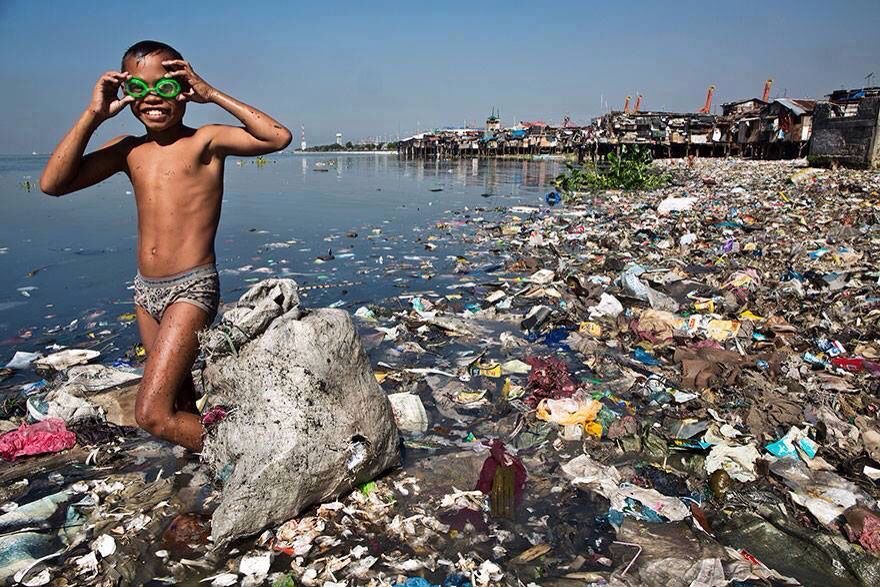
Slums and Smoke: Urban Poor Amidst Industrial Waste
In megacities like Lagos, Mumbai, and Manila, the poorest live in the shadows of landfills, factories, and smoke with no clear path out.
11
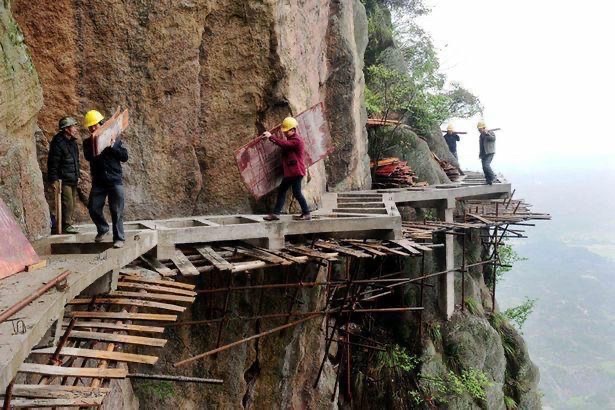
The Price of Progress: Workers Building Dangerous Infrastructure
Bridge workers, tunnel diggers, and skyscraper builders around the world face deadly falls, collapses, and heat with little oversight or protection.
12
Living on the Edge: People in Conflict Zones and War-Torn Cities
From Gaza to Aleppo to parts of Sudan, civilians live under the constant threat of bombs, bullets, and collapse; and yet, they remain.
13
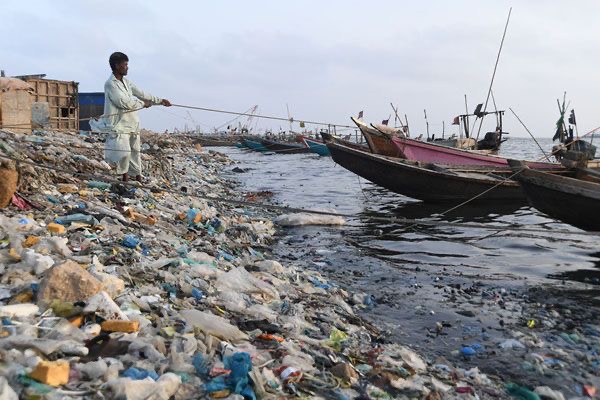
Dying Oceans: Fishermen Amidst Pollution and Overfishing
Small-scale fishermen now cast their nets in plastic-choked waters, competing with industrial trawlers for what little remains.
14
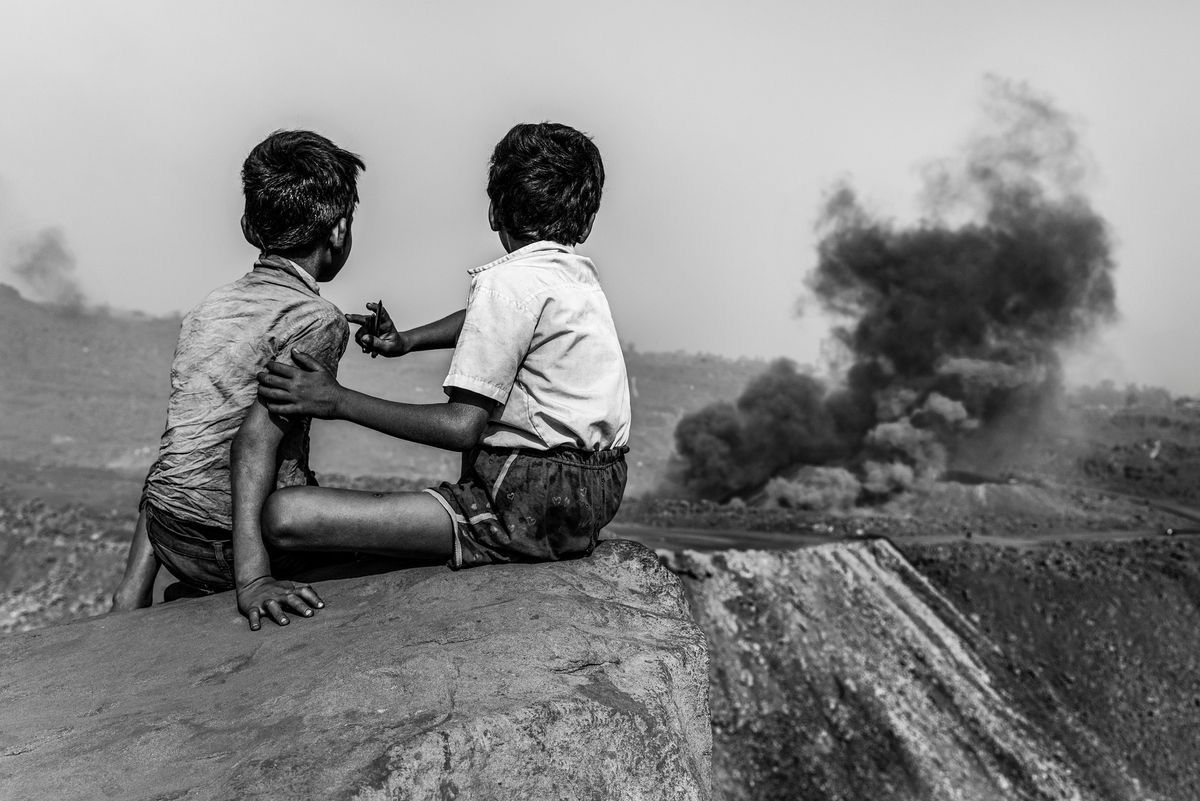
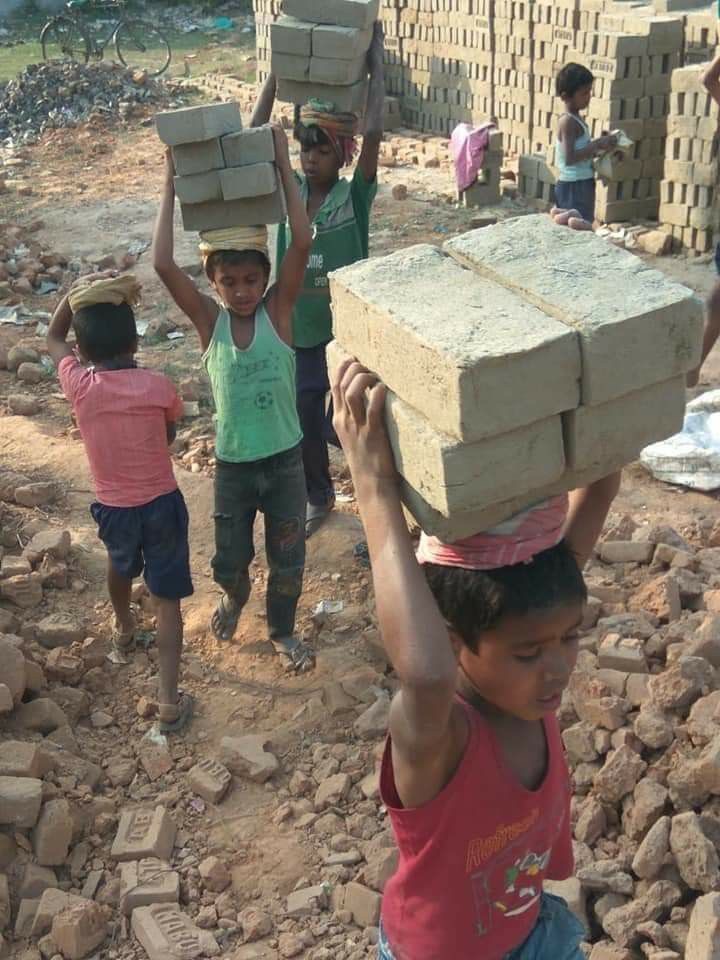
Stolen Childhoods: Children Trapped in Dangerous Work
Across mines, factories, farms, and conflict zones, millions of children are forced to work instead of learn, laboring in brutal conditions that steal their futures before they begin.
15
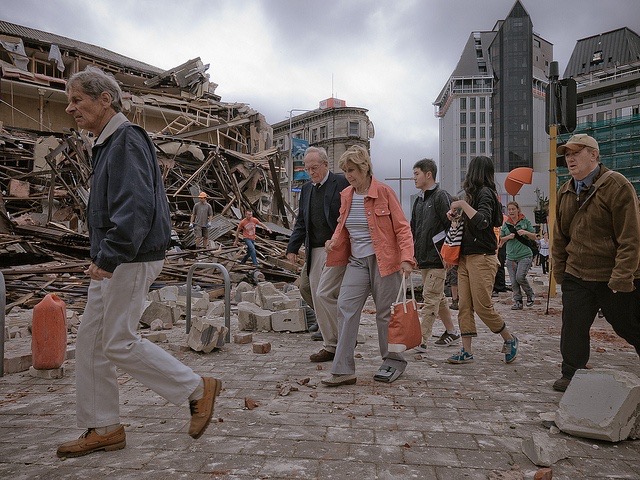
Crumbling Foundations: Residents in Earthquake Zones
Whether it's Nepal or Turkey, entire cities sit on fault lines, where infrastructure can’t keep up with the next quake.