In the past, many kinds of work demanded long hours, grueling effort, and constant exposure to harsh conditions. Workers often faced physically exhausting tasks with little regard for safety, fairness, or rest.
Extra work was a common expectation, and people had few rights to challenge dangerous or unfair treatment. Jobs were often repetitive, dirty, and punishing on the body, leaving workers drained and vulnerable to illness or injury.
Over time, however, societies introduced labor protections, technological improvements, and new standards that reshaped the way people work. Today, many occupations are less physically taxing, with greater emphasis on efficiency, safety, and comfort, offering better opportunities for people.
But back then it was a complete different story.
1
Mass production lines allowed rapid output of refrigerators, but workers endured a lot of stress.
2
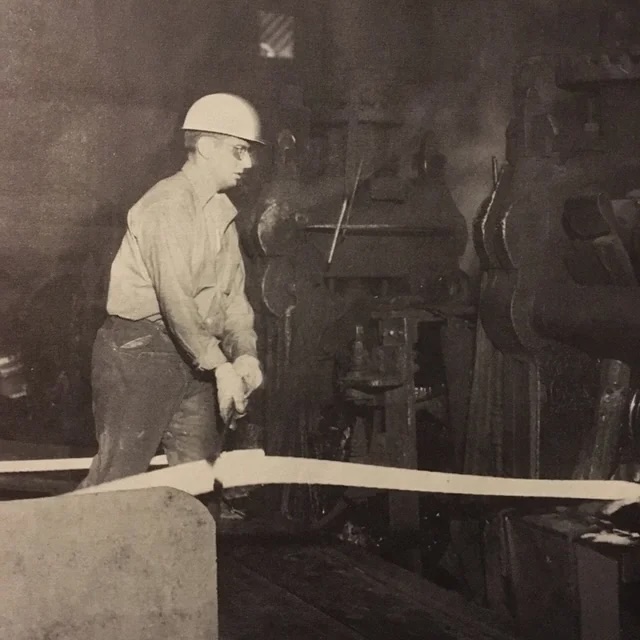
Working in extreme heat and noise, “catchers” handled glowing steel, constantly exposed to injuries.
3
Welding was essential for shipbuilding and tanks. Women welders braved sparks, burns, and toxic fumes.
4
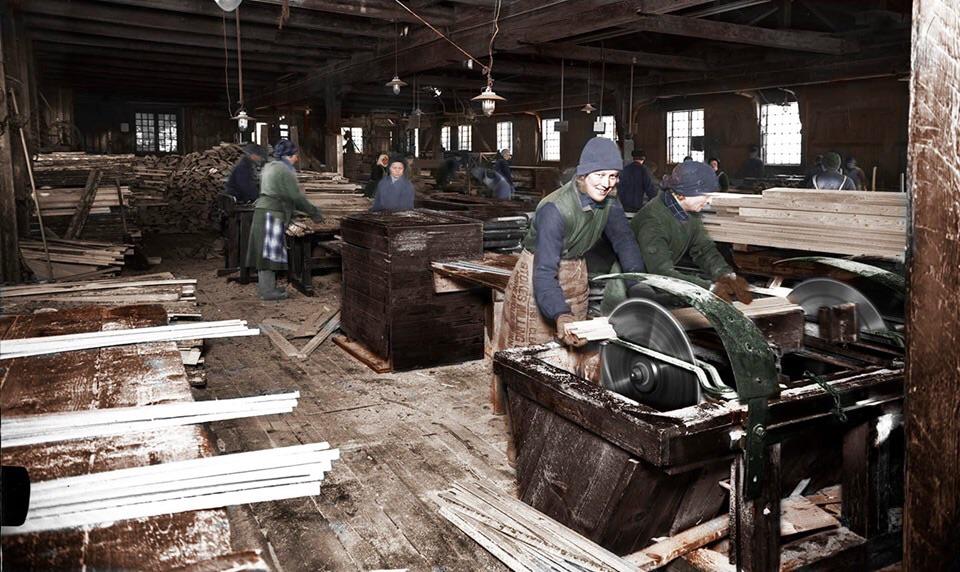
Operating saws in cold, dim workshops, women risked amputations and constant fatigue.
5
Women carefully assembled cameras in a fast-paced environment. Precision was vital, but the monotonous work often led to strain injuries and exhaustion.
6
At the time, asbestos was seen as a “miracle material.” Workers handled it with bare hands, unaware of its lethal fibers.
7
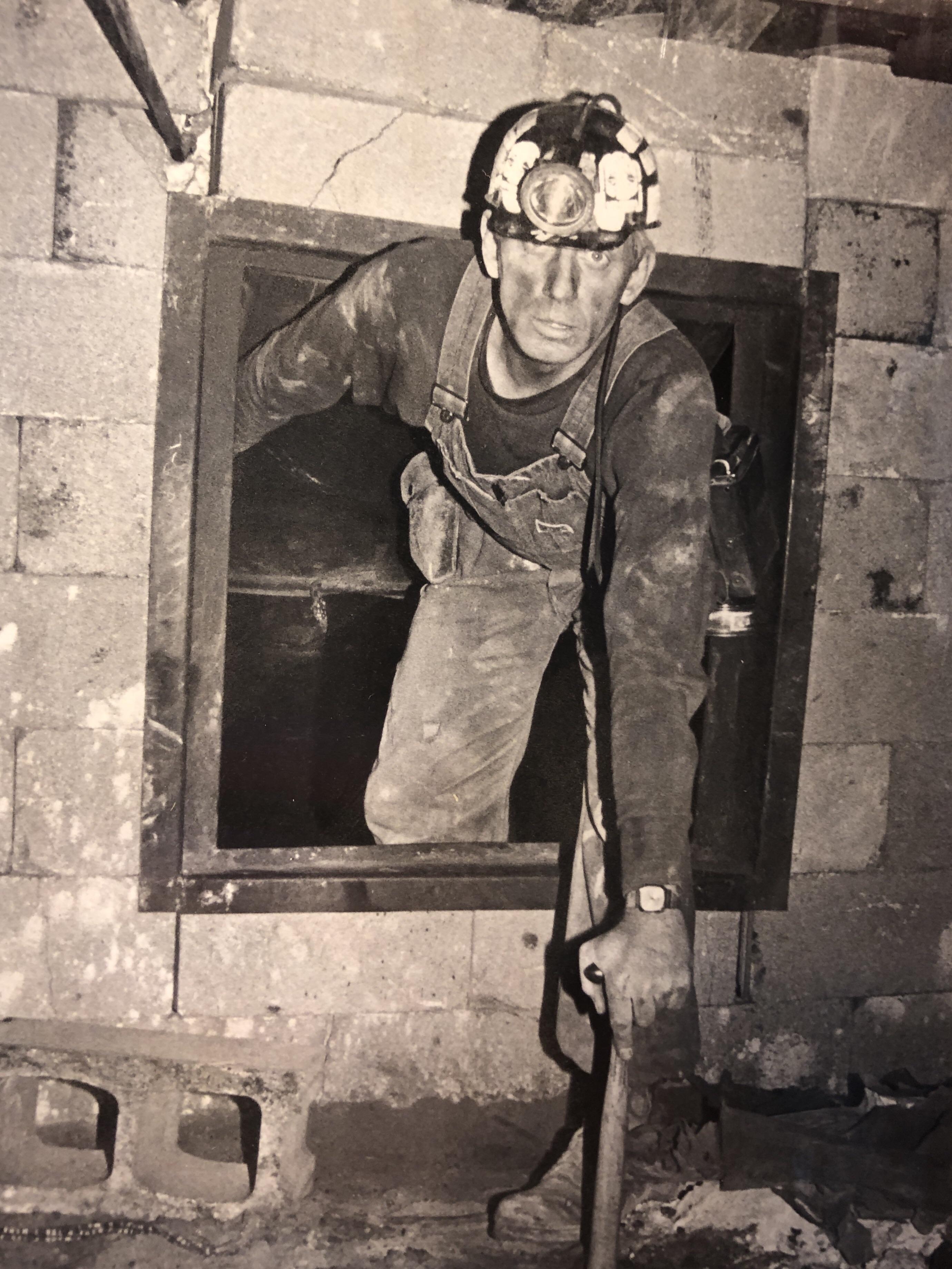
Mining remained grueling well into the 20th century. Workers returned from the tunnels covered in dust, their health threatened.
8
Felling enormous trees with axes and saws was among the most dangerous jobs.
9
During the war, women stepped into industrial roles, operating heavy tools on aircraft and machinery.
10
Blacksmithing was essential for tools, horseshoes, and machinery. The work required great skill but exposed men to lots of dangers.
11
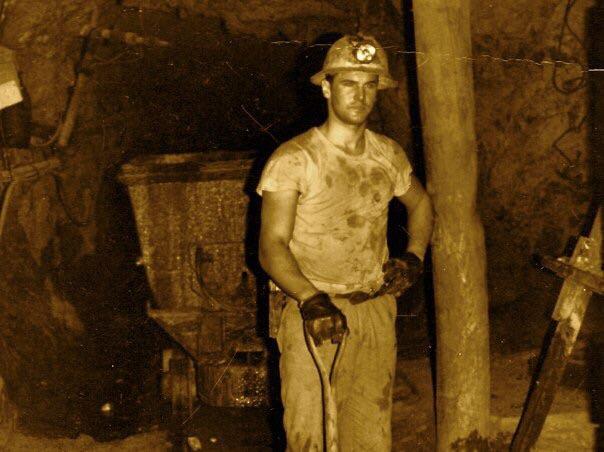
Deep underground, miners toiled in darkness, breathing dust that scarred their lungs
12
Early underground transport was vital for hauling coal, but miners faced risks from cave-ins, gas leaks and electrical sparks.
13
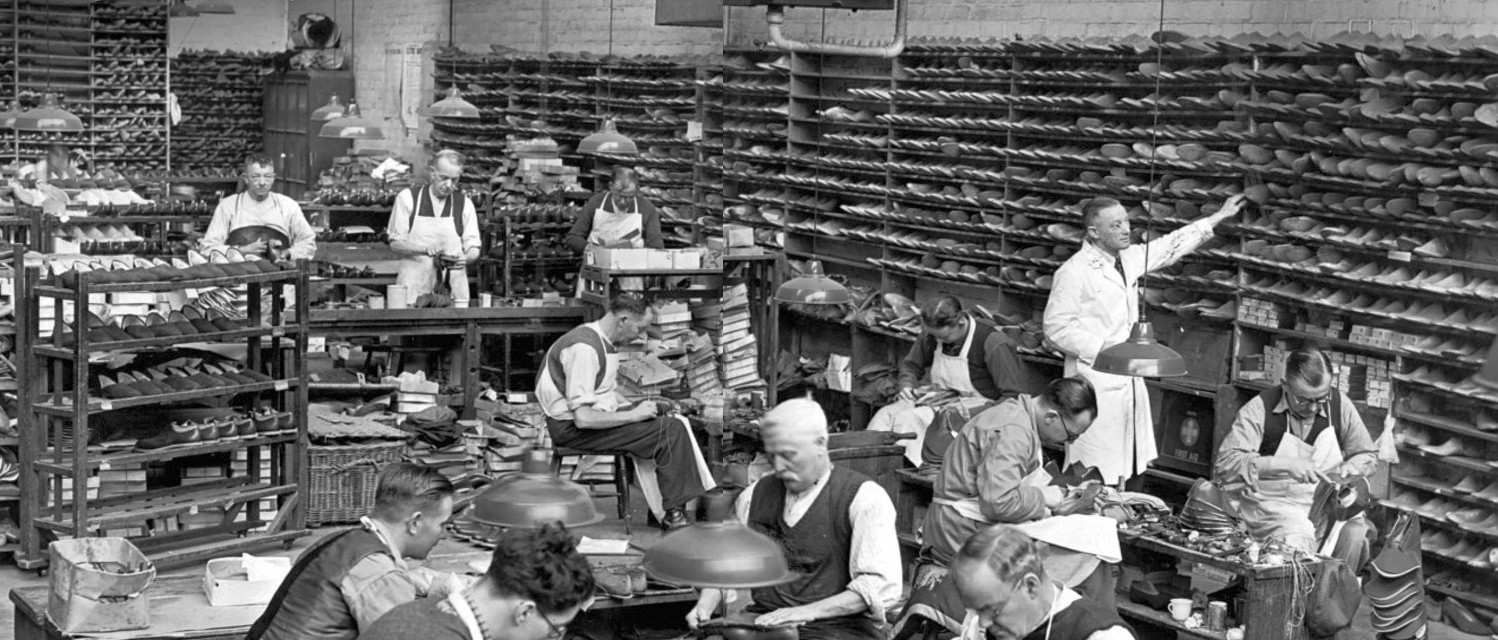
Shoemaking shifted from craft to industrialized labor. Workers stitched for hours under strict supervision.
14
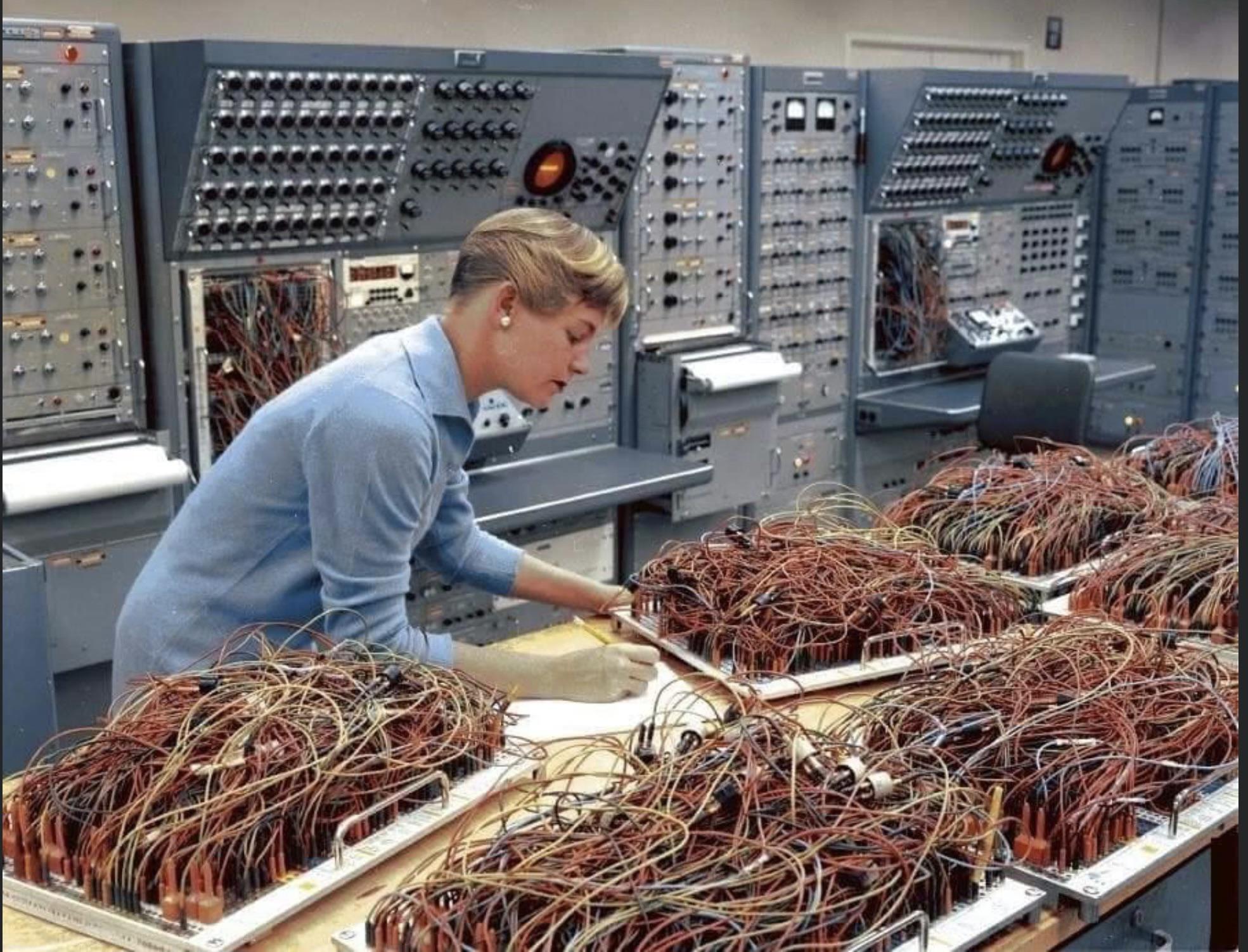
Amid the early computer age, engineers, often women in supporting roles, managed vast tangles of wiring by hand.
15
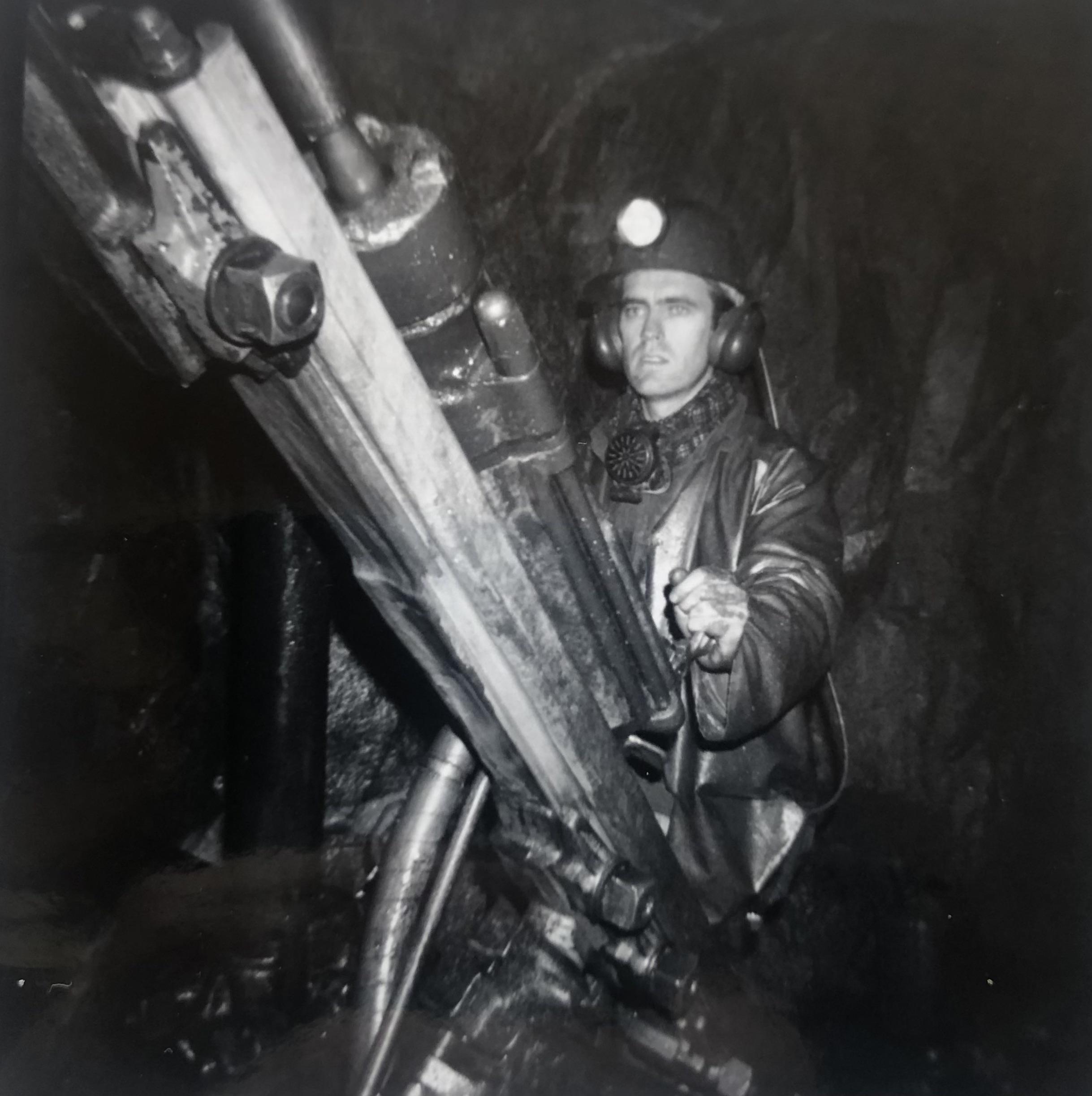
Drillers operated powerful machines in confined tunnels. The vibration, noise, and exposure to rock dust made the work punishing.
16
Assembly line workers, many women, operated heavy presses with little protection.
17
Crowded rows of workers, often immigrants, labored for meager pay in unsafe and stifling conditions.
18
Factory workers endured long, repetitive shifts, but the tradition of hiring a “lector” to read news, or novels, aloud offered both education and relief from monotony.
19
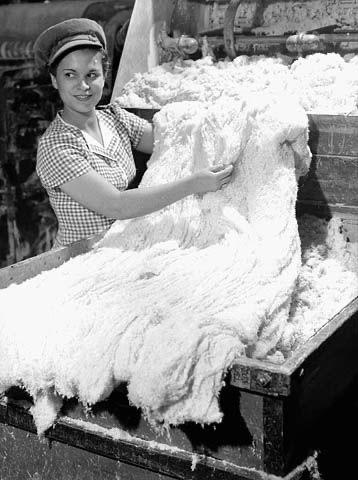
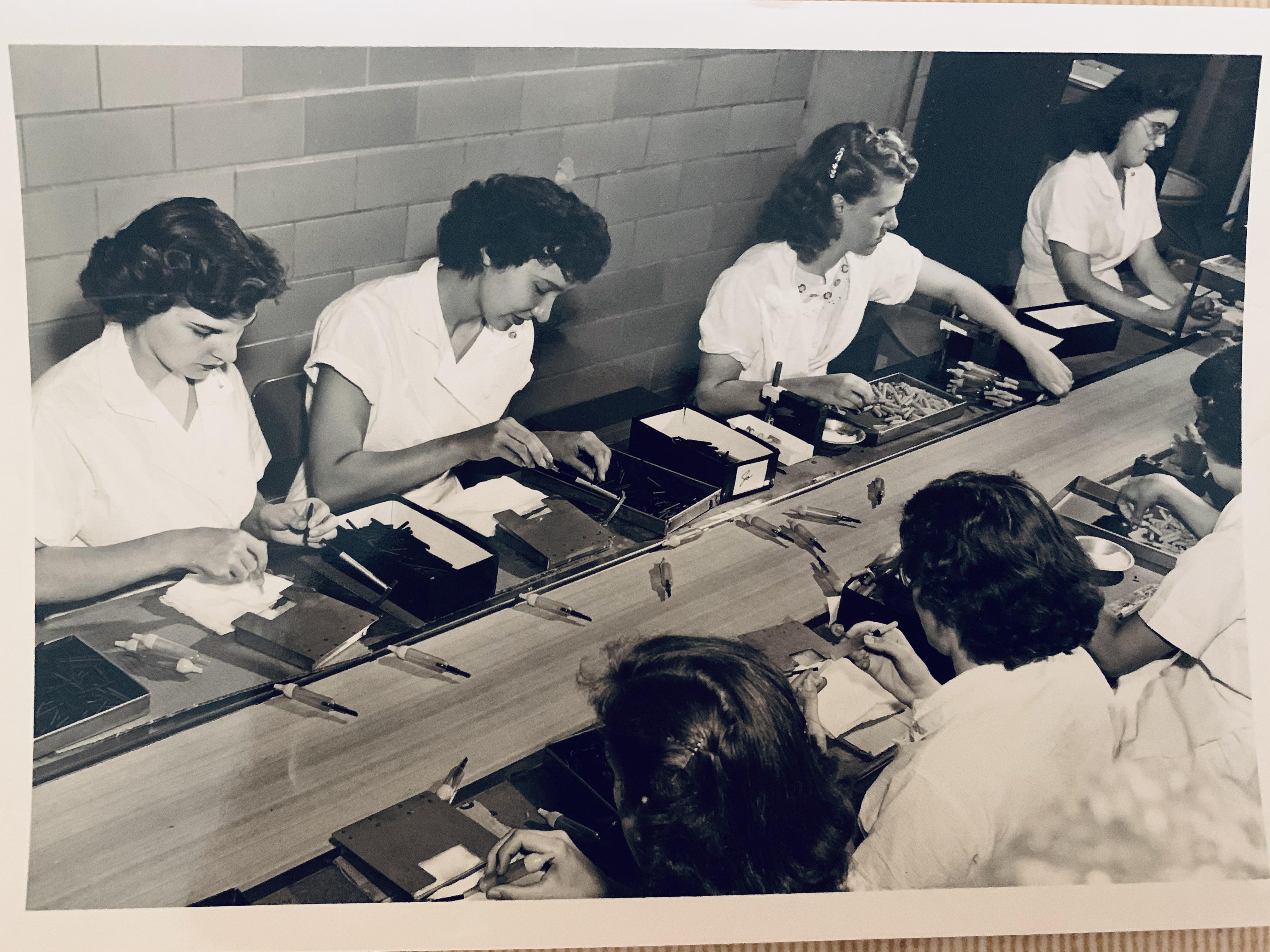
Factory jobs demanded precision and endurance. Despite the smiles, workers faced very strict quotas.
20
Balancing high above the streets, workers risked their lives daily during the skyscraper boom.



 at the Kodak factory, 1955..jpeg)




 reading to workers in a cigar factory, Cuba, ca. 1910.jpg)