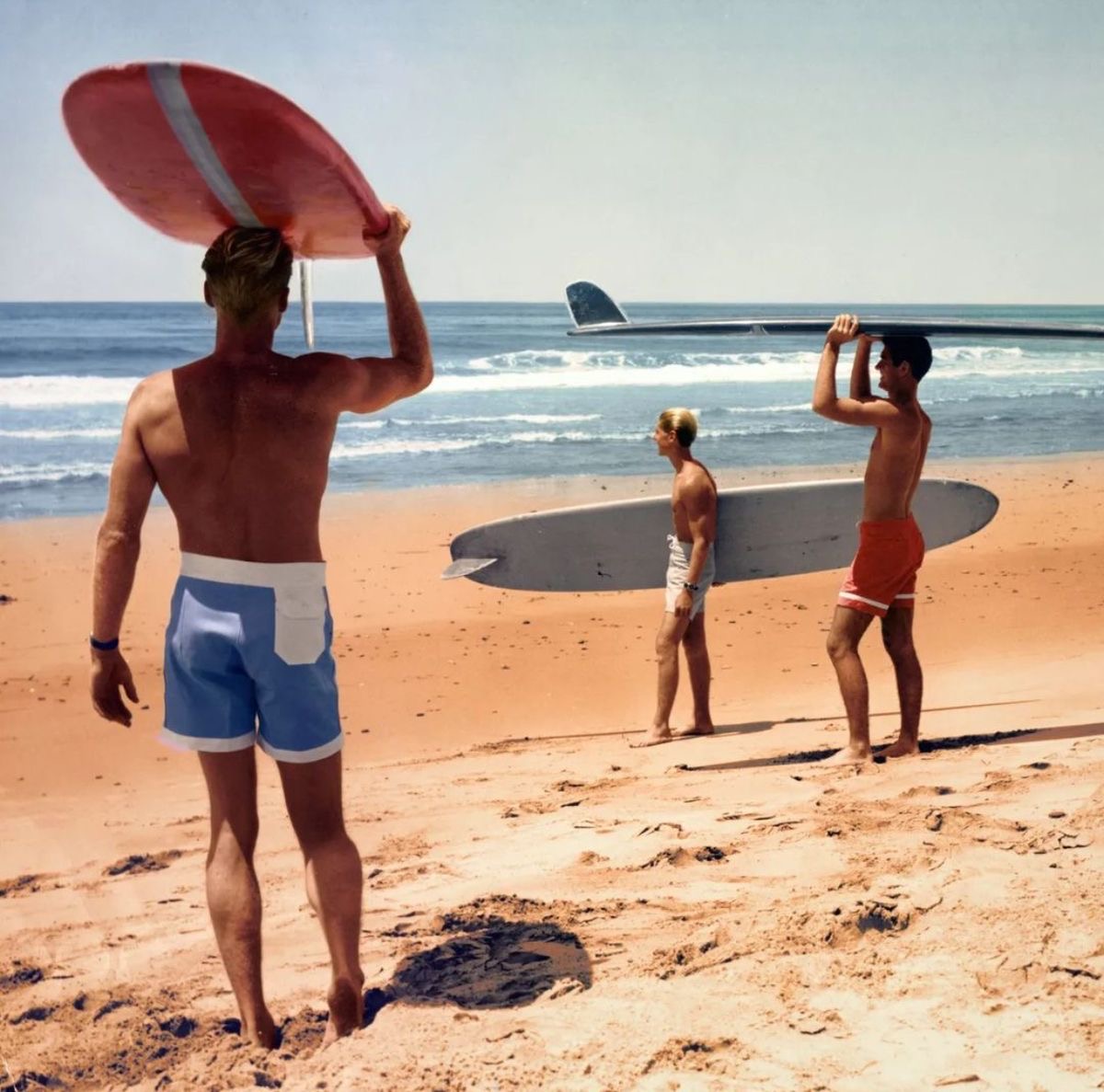
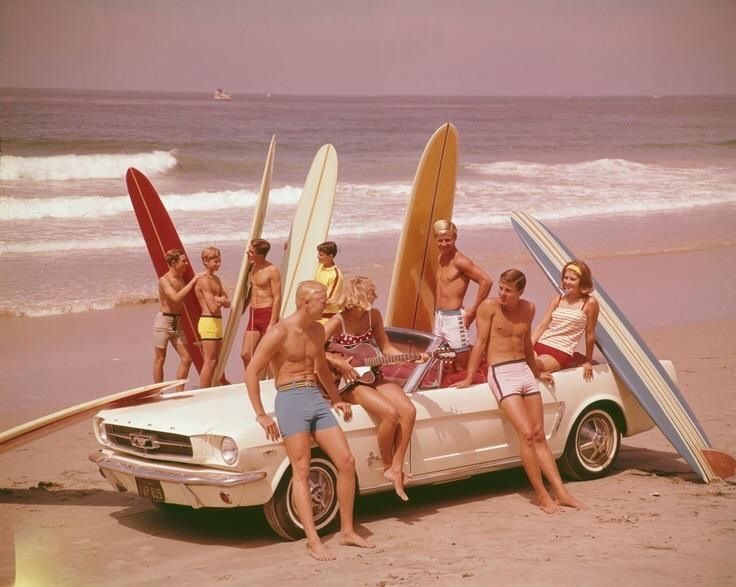
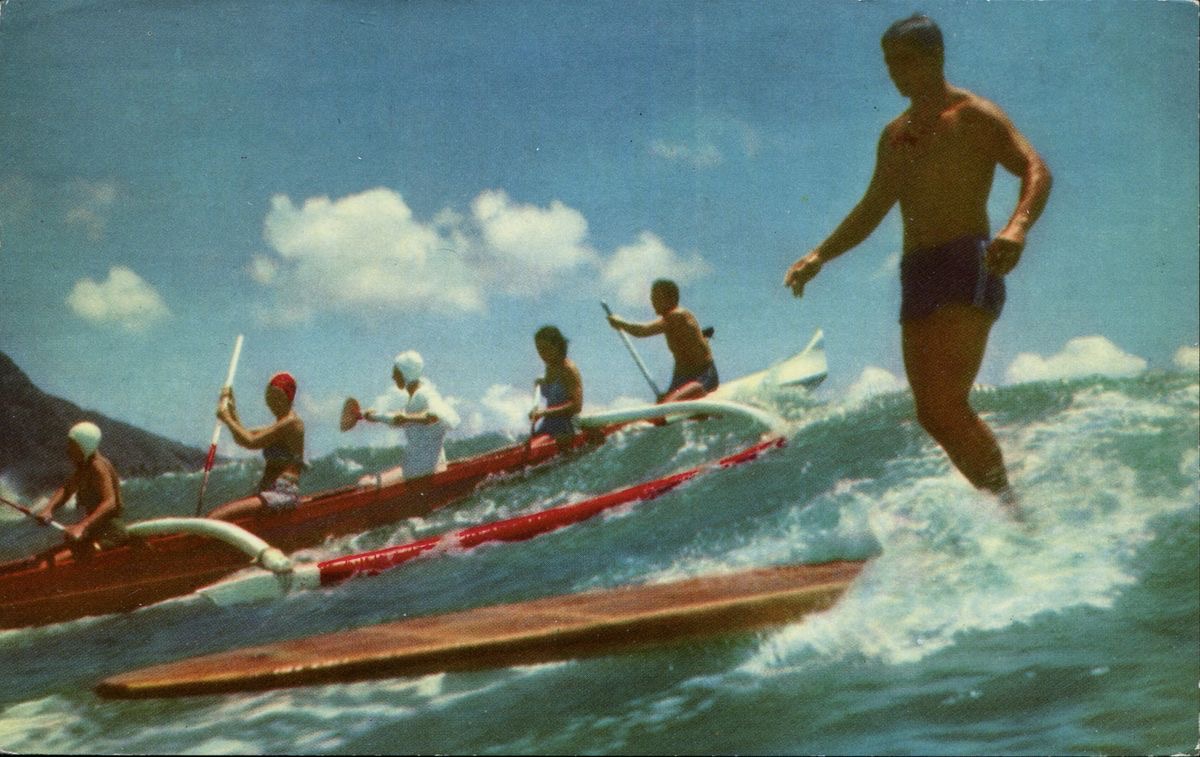
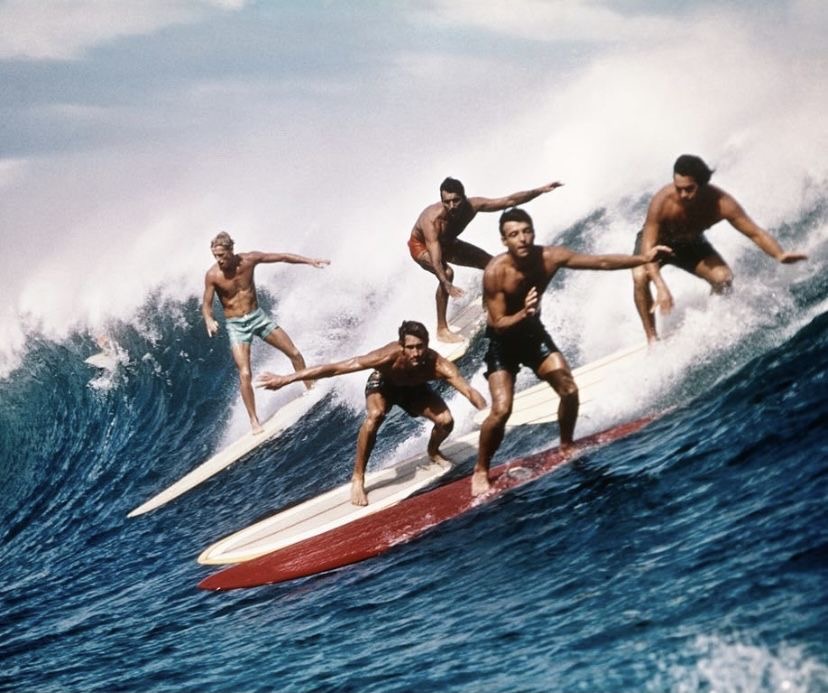
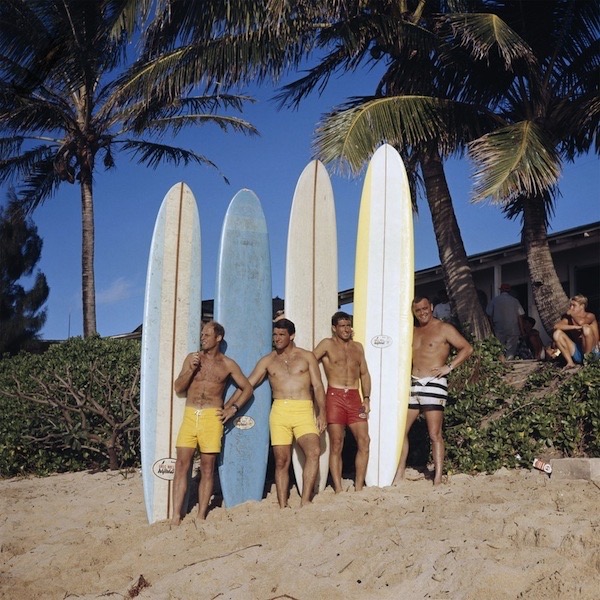
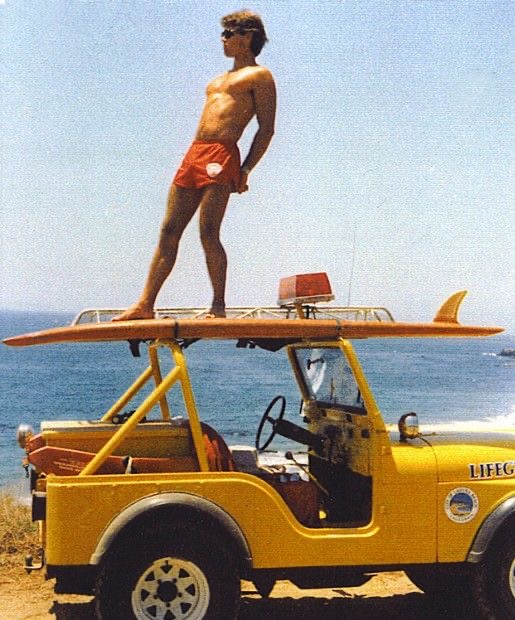
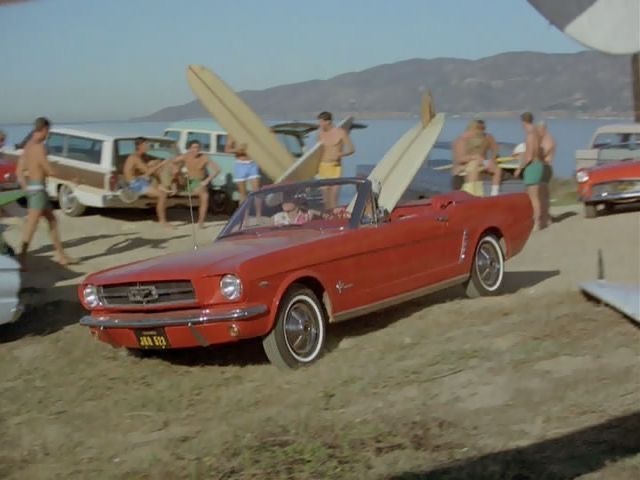
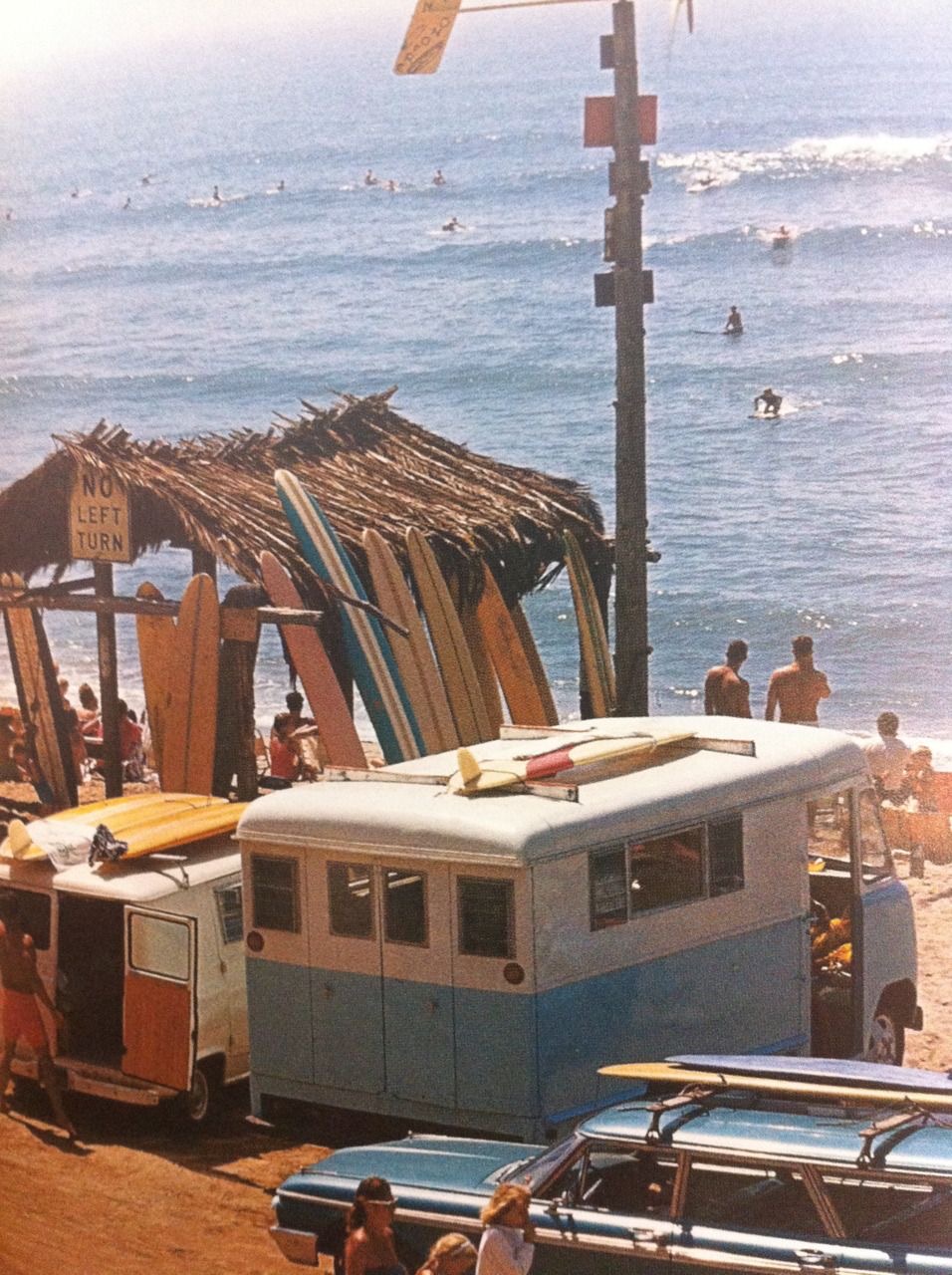
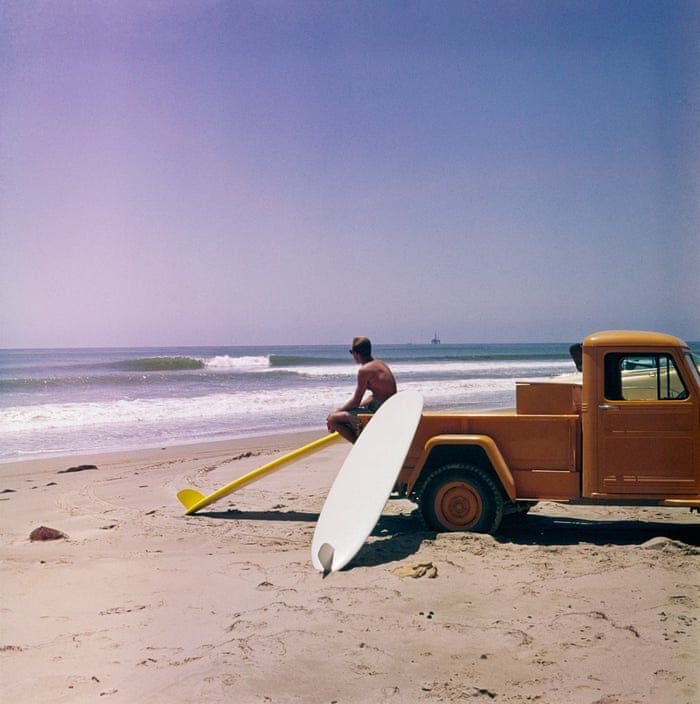
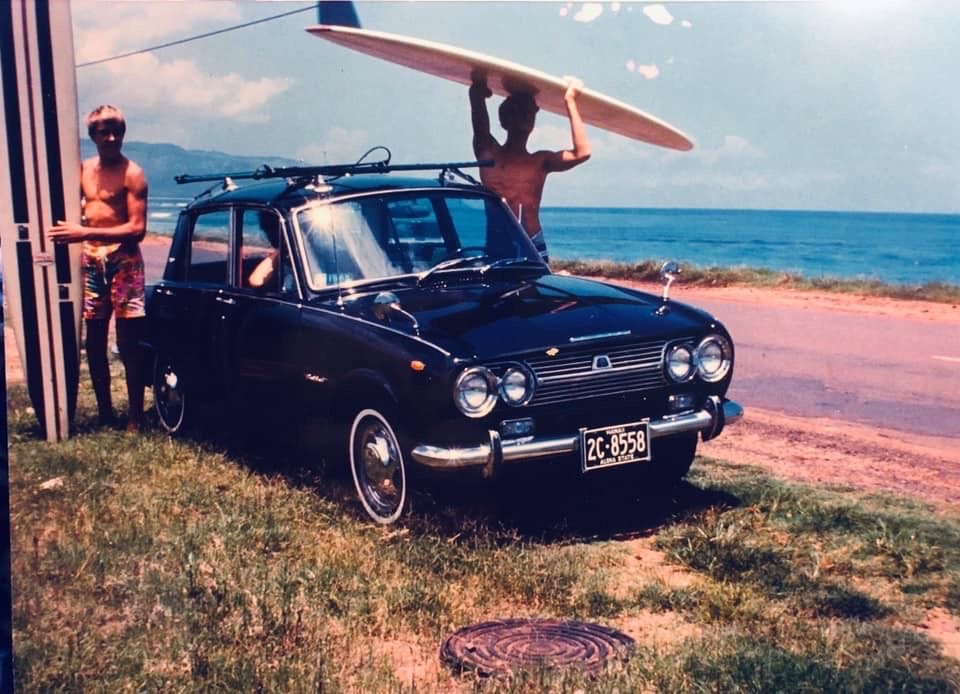
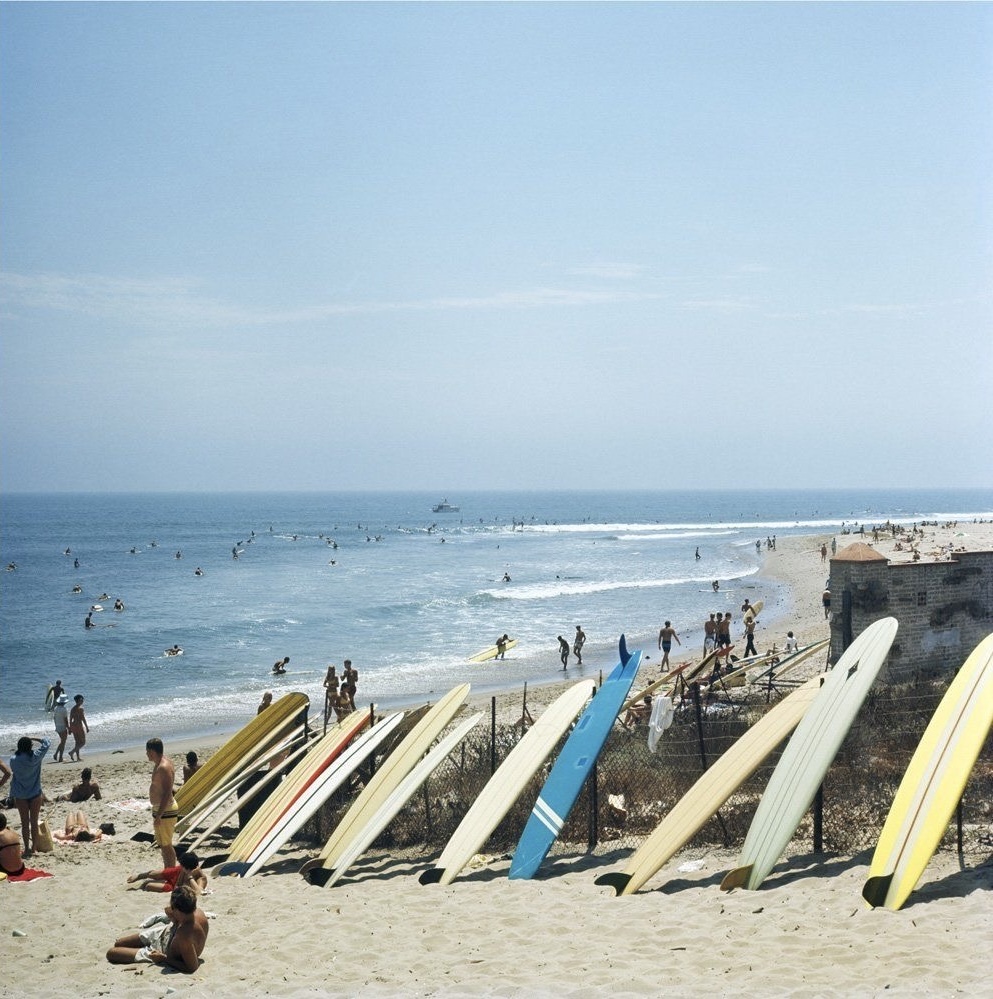
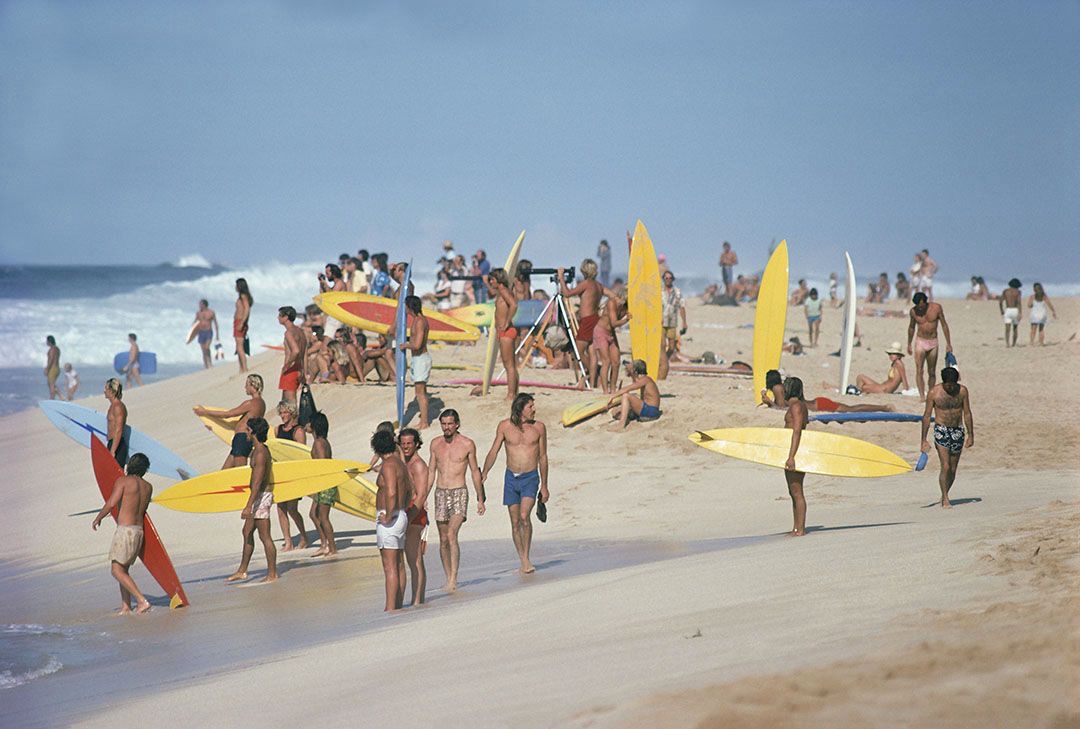
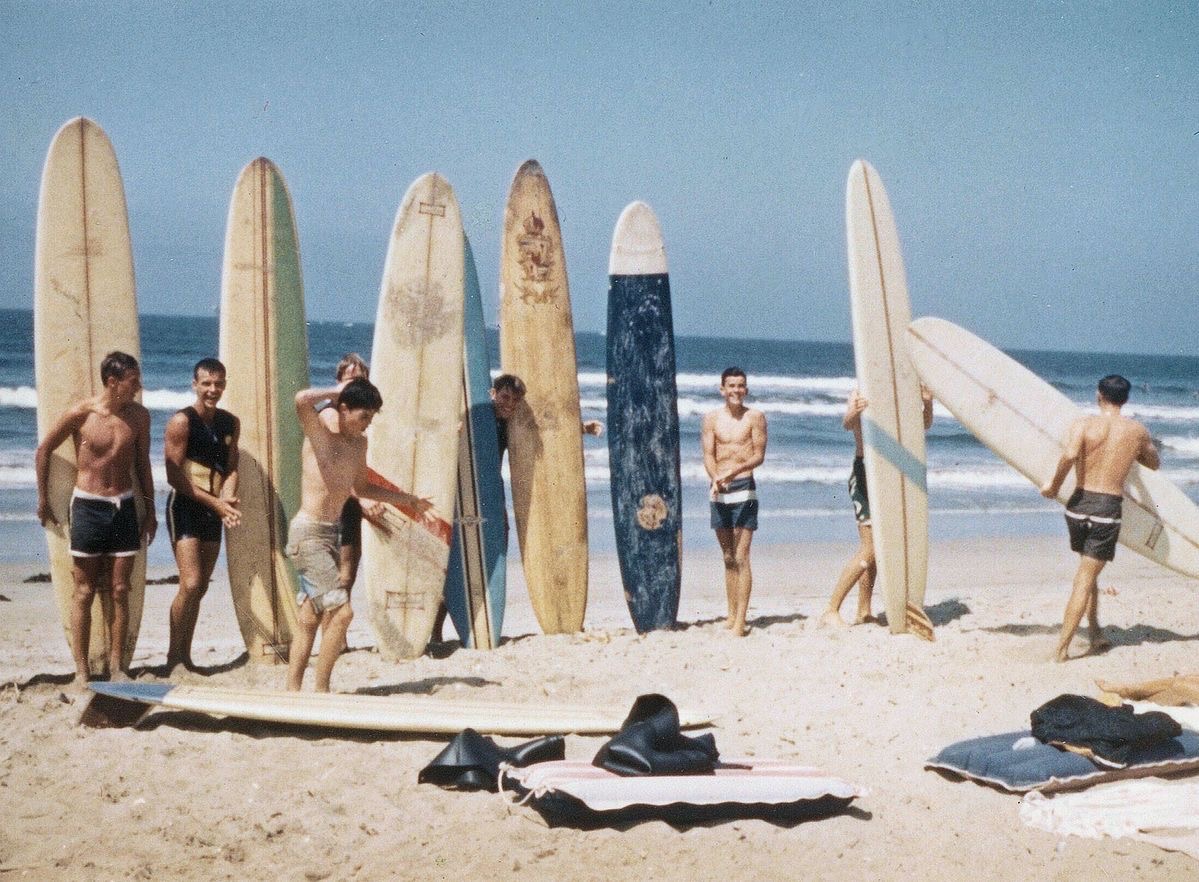
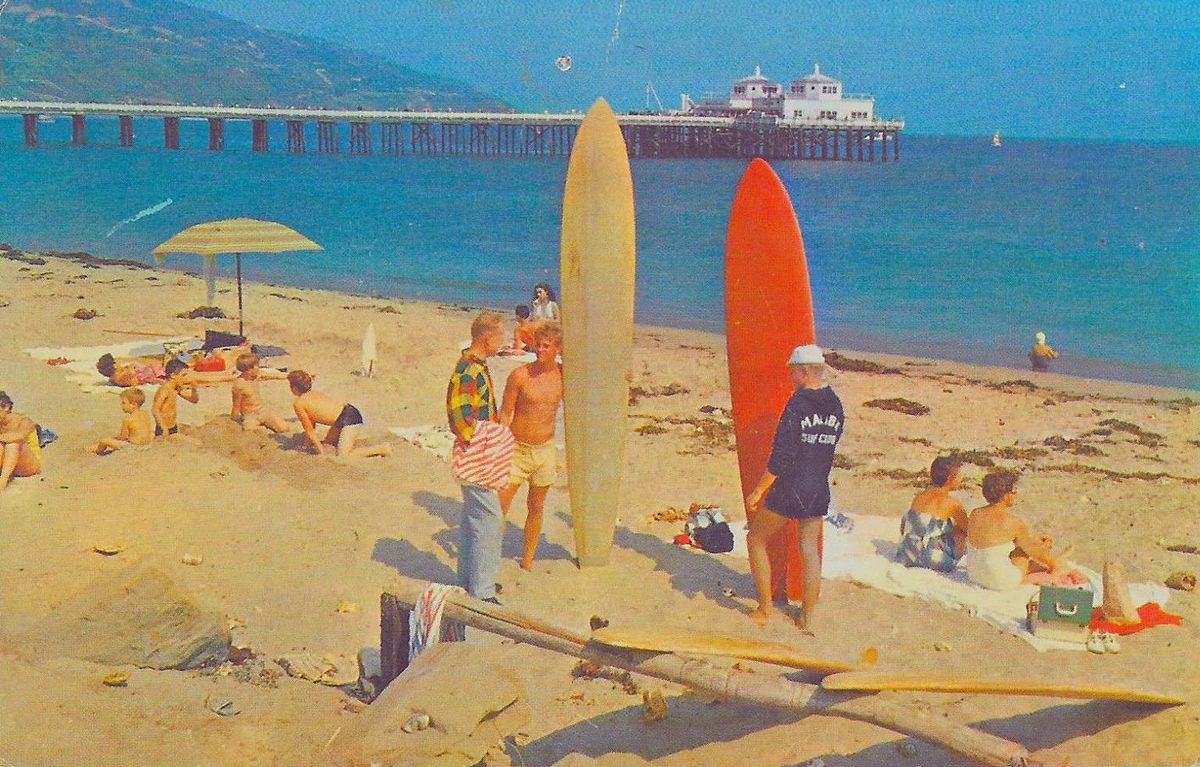
In the 1960s, America’s beaches became the stage for a new kind of counterculture, one that blended the carefree spirit of surfing with the ideals of the growing hippie movement. Surfboards and cars lined the California coast as young people chased waves by day and freedom by night.
Music from The Beach Boys, Janis Joplin, and The Grateful Dead set the soundtrack for a generation seeking escape from conformity and war. This era’s sun-bleached photos capture more than just athleticism, they reveal a lifestyle of rebellion wrapped in saltwater and sunlight. Malibu, Maui; tanned drifters, artists, and dreamers redefined what it meant to live freely.
Let’s dive into the fever dream, the attitudes that fused beach life with bohemian idealism and how those timeless vibes still ripple through surf and street culture today.
1
The Mobile Surf Lifestyle
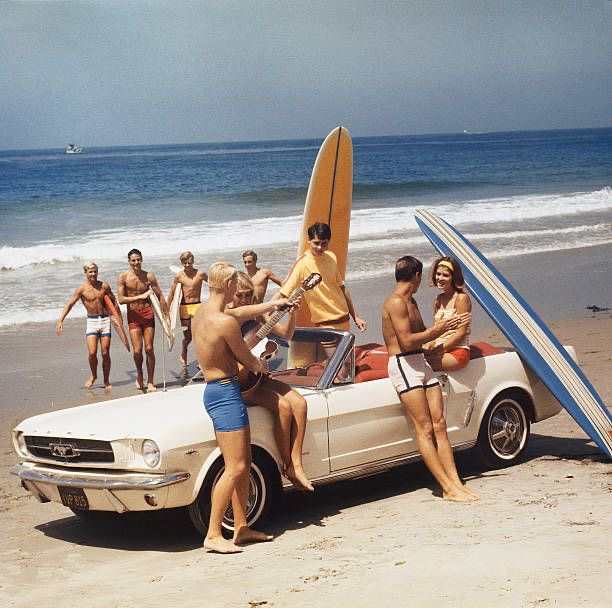
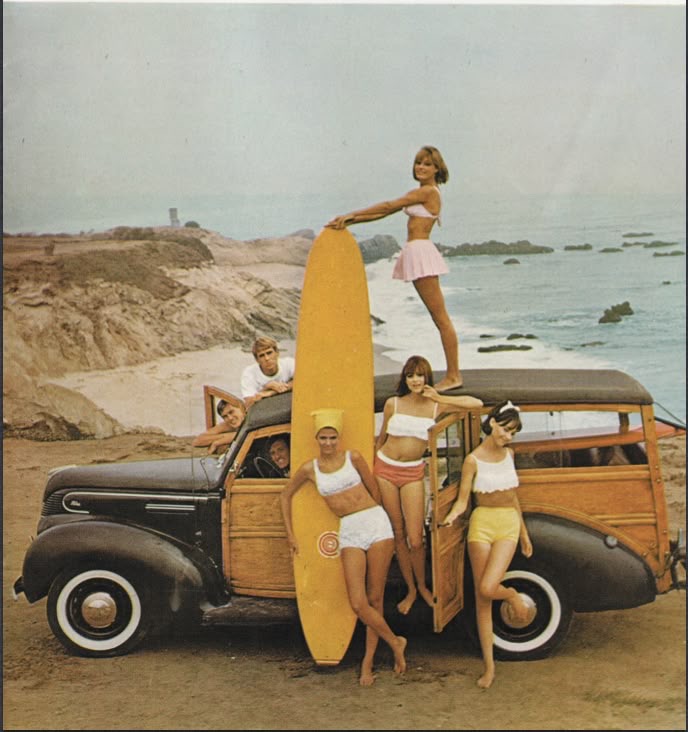
Cars were essential for reaching surf spots, and surfboards often dictated vehicle choice, from wagons to vans.
2
Women Join the Waves
By the mid-1960s, more women were embracing surfing, challenging the male-dominated scene and shaping surf fashion and culture.
3
Female Surf Pioneers
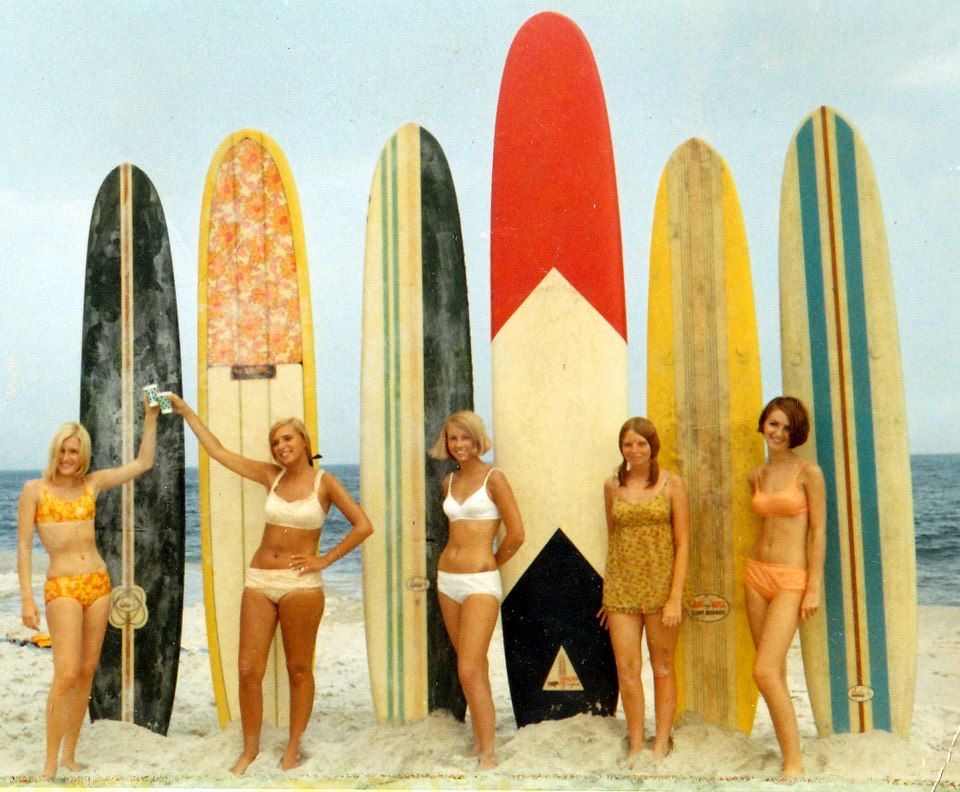
Women in surfing helped popularize new board designs and brought attention to female athleticism in the 1960s surf movement.
4
The Rise of the Surf Gang
Surf clubs and informal “gangs” defined social circles, emphasizing camaraderie, competition, and beach reputation.
5
Surfboard Innovation
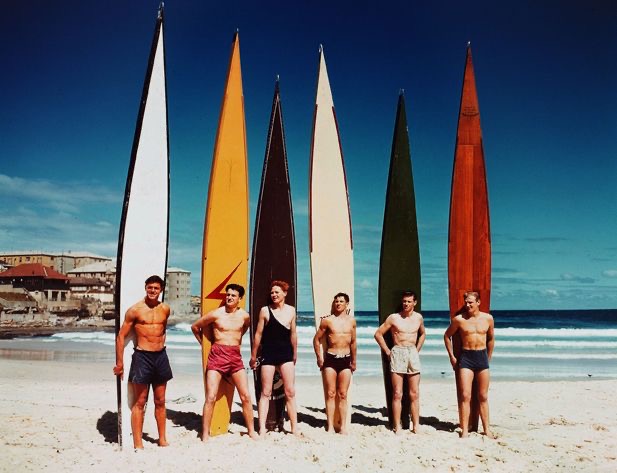
Shortboards and longboards coexisted in the 60s, sparking experimentation and faster, more dynamic surfing styles.
6
Boys, Boards, and Beach Days
Surfing had grown from a niche activity into a defining youth culture, fueled by movies, music, and the car-and-beach lifestyle.
7
Surfing as Sport and Lifestyle
Surfing was both a competitive sport and a lifestyle, with events and magazines spreading techniques and culture worldwide.
8
California as the Epicenter
Southern California became the global hub for surf culture, influencing fashion, music, and youth identity.
9
DIY Spirit
Many surfers shaped, painted, and customized their boards, reflecting a personal and creative dimension of the culture.
10
Breaking Gender Norms
Female surfers challenged societal expectations, participating in contests and inspiring surf films and magazines.
11
Showmanship
Surf culture embraced playfulness and spectacle.
12
The Surf Road Trip
Surf excursions often required long drives, turning travel into a key component of surf lifestyle and storytelling.
13
The Essentials of Surf Culture
Surfboards, cars, and the beach formed the backbone of 1960s surf life, connecting mobility, sport, and leisure.
14
Independence on Wheels
Pickups and vans allowed surfers to carry multiple boards, gear, and friends, symbolizing freedom and adventure.
15
Surfing and Youth Identity
Surf culture became a marker of youth identity, influencing music, language, and social trends across the U.S.
16
Boards as Cultural Symbols
Surfboards were statements of style, creativity, and belonging in the 1960s surf scene.
17
Community and Sharing
Surfing was a communal activity; vans often transported friends, boards, and equipment to local and remote breaks.
18
Surf Magazines and Media
Magazines like Surfer and films by Bruce Brown popularized the sport and its associated lifestyle globally.
19
Youthful Rebellion
Surfing embodied a form of rebellion against conventional society, emphasizing freedom, individuality, and connection to nature.
20
Global Influence
By the late 60s, surf culture influenced fashion, music, and film internationally, cementing its status as a defining youth movement.