Regrettable Corporate Facepalms You Probably Recall
Corporations aren’t exactly known for their finesse.
Published 9 years ago in Facepalm
9
Starbucks. The whole #RaceTogether thing was a media firestorm. Apparently Starbucks thought it would be a good idea to have their (mostly white) baristas try to engage with their customers in race related conversations. And write #RaceTogether on their cups. Definitely a where’s-my-popcorn moment.
10
AirBnB. After having to start paying taxes in 2015, AirBnb launched a passive aggressive advertising campaign around San Francisco with phrases such as “Dear San Francisco, we hope you use our 12 million in taxes to keep the library open longer.” The predictable backlash included responses like, “Good job on paying your taxes. We all have been doing it without advertising it.”
20
McDonald's. After teaming up with VISA, McDonalds created a financial planning tool for employees. The problem was that McDonalds couldn’t actually figure out how to “balance the budget” so to speak. In effect, they had to admit that a worker couldn’t get by on their salary and just included nearly $1,000 of monthly income from a “2nd job”.
23
Uber. During the hostage crisis in Sydney in 2014, Uber implemented surge pricing. That basically means that as demand increased, the price shot up. They tried to defend it by saying that they were encouraging drivers to come pick people up. Perhaps not surprisingly, it backfired, and Uber ended up offering free rides not long after.
24
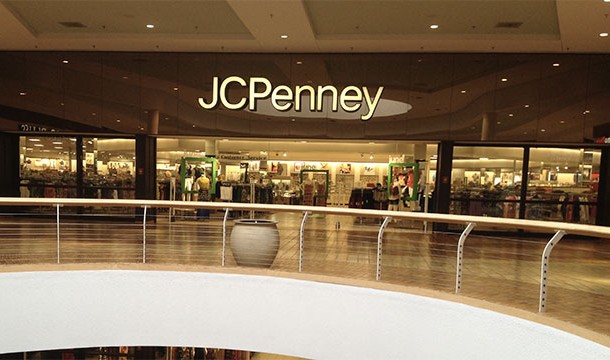
JCPenny. When JCPenny introduced its “fair and square” pricing, they removed all sales and sold products at their actual price. Apparently, however, customers like using coupons to buy artificially inflated products. In fact, many customers quit shopping at JCPenny because they felt like they weren’t getting good deals. Note: In case you didn’t know, this shows why deceptive pricing is standard in the retail industry. People like it.
Most Popular