These photos take you back to NASA in the 1960s, long before a single boot touched the Moon. Back then, everything was brand new: every rocket design, every test, every idea. NASA was racing the clock, racing the Soviets, and racing its own ability to figure things out fast. The agency went from early trial-and-error launches to building the massive Saturn V, the most powerful rocket the world had ever seen.
The decade was a blur of countdowns, test stands, blown fuses, long nights, and breakthroughs that came just in time. Engineers, astronauts, and crews were learning as they went, building confidence one mission at a time. Mercury proved humans could get to space. Gemini taught them how to work there. By the end of the ’60s, NASA had the pieces finally lined up.
Click through and see the raw, determined climb that made the Moon landing possible.
1
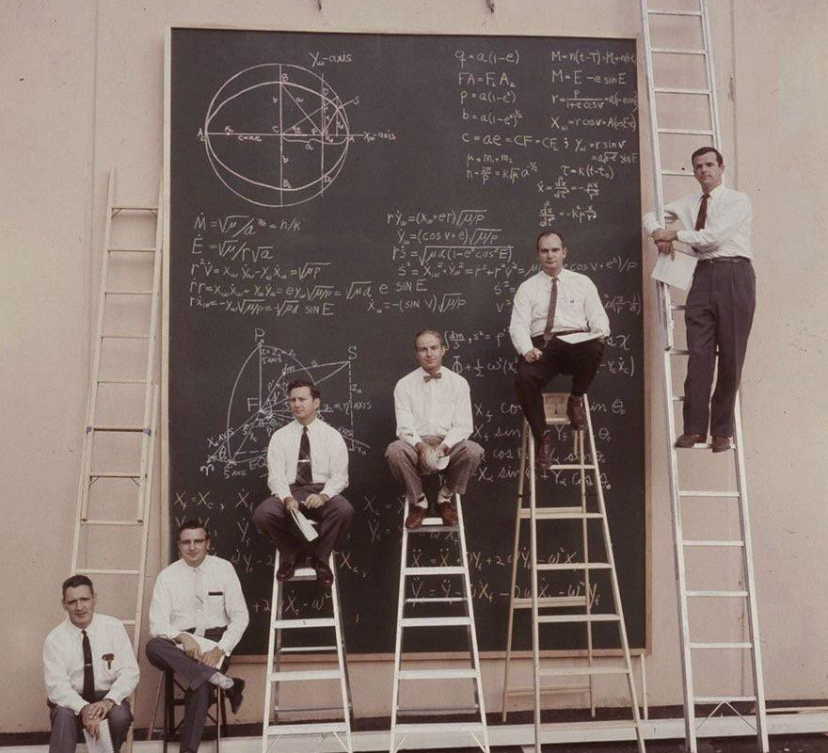
Pure Brainpower
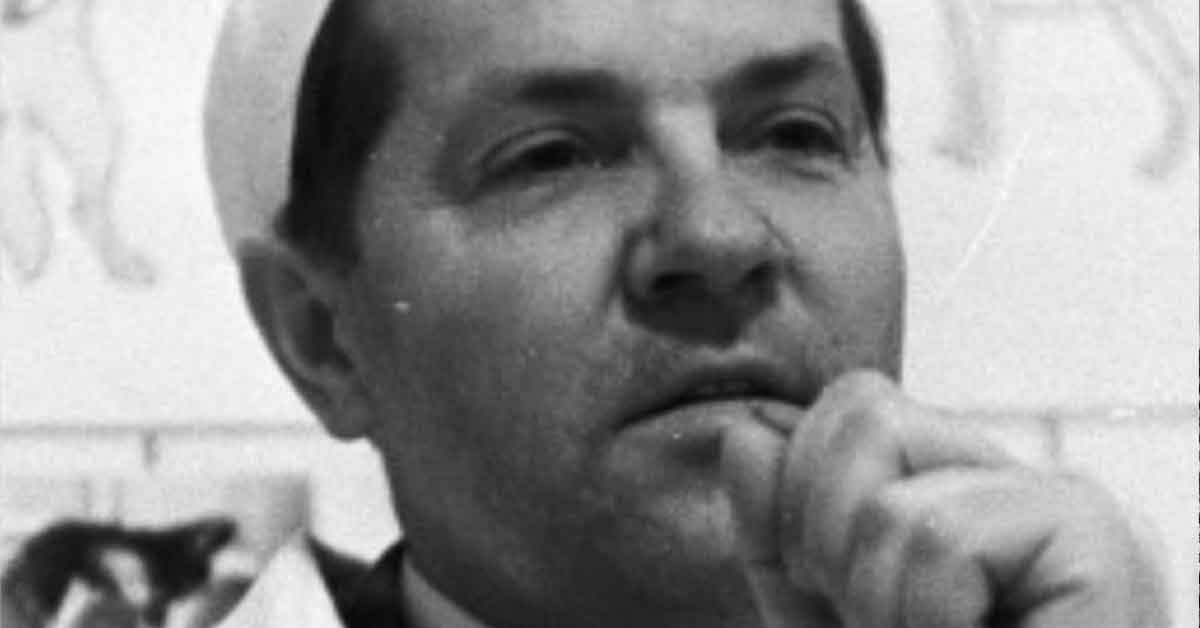
NASA before PowerPoint in 1961.
2
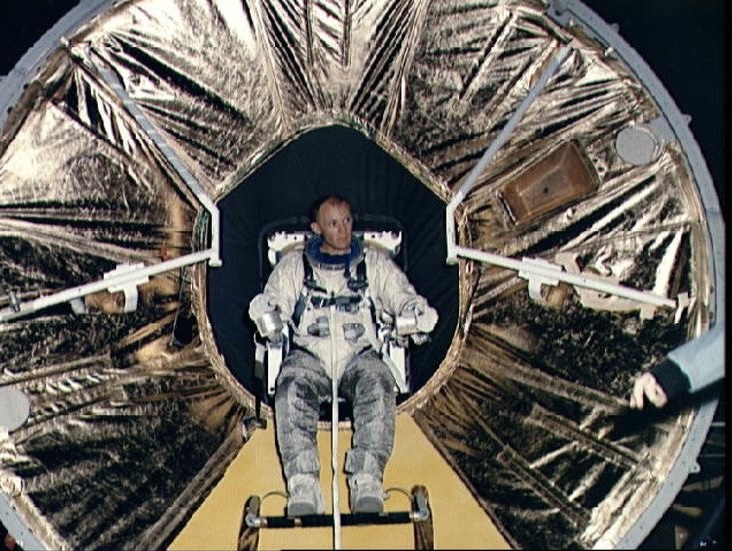
Buzz Aldrin Trains with the AMU
Astronaut Edwin E. Aldrin, backup crew pilot of the Gemini 9 space flight, practices donning the Astronaut Maneuvering Unit (AMU) backpack in Building 5 of the Manned Spacecraft Center, Houston.
3
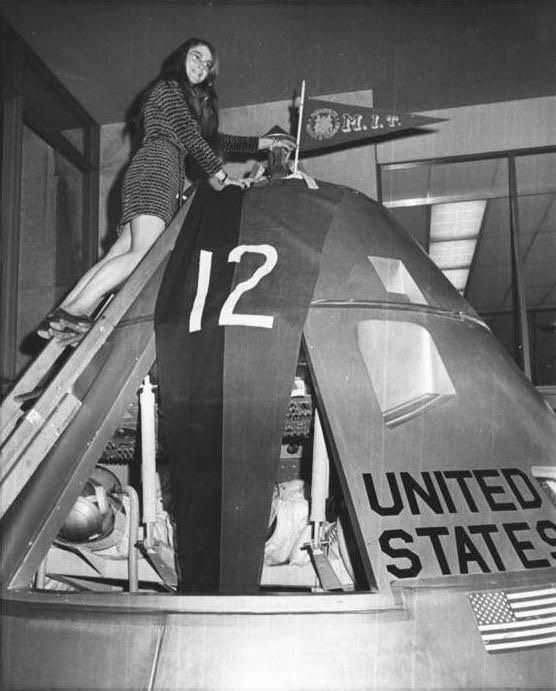
Margaret Hamilton
Margaret Hamilton led the software development for NASA’s command modules and lunar modules, 1960s.
4
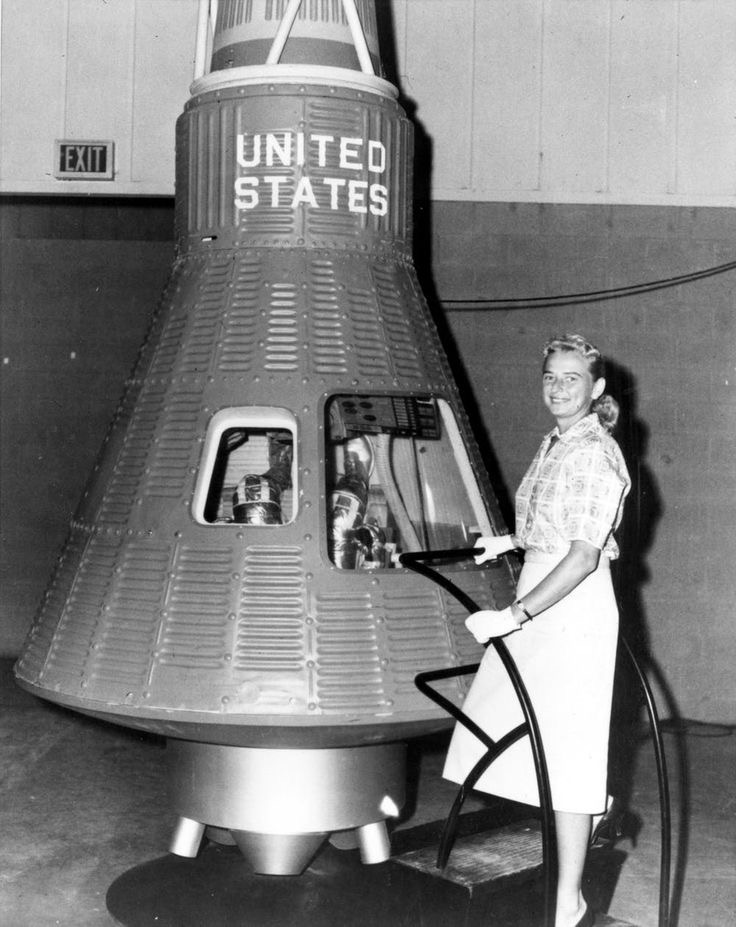
Jerrie Cobb
Jerrie Cobb, part of the unreleased 1960s female astronaut program.
5
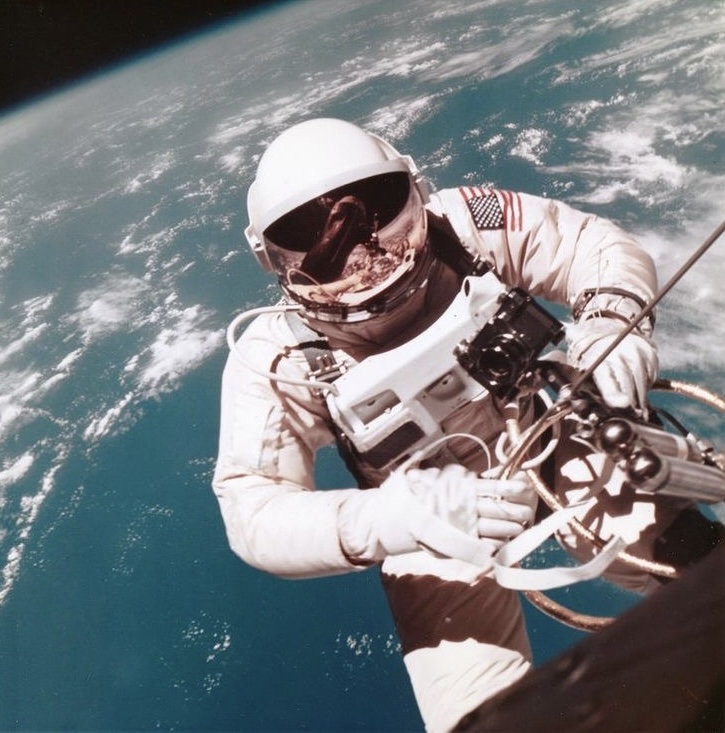
Gemini 4
Gemini 4: NASA astronaut Ed White in space above Hawaii.
6
Launchpads
Launchpads at Kennedy Space Center in the 1960s.
7
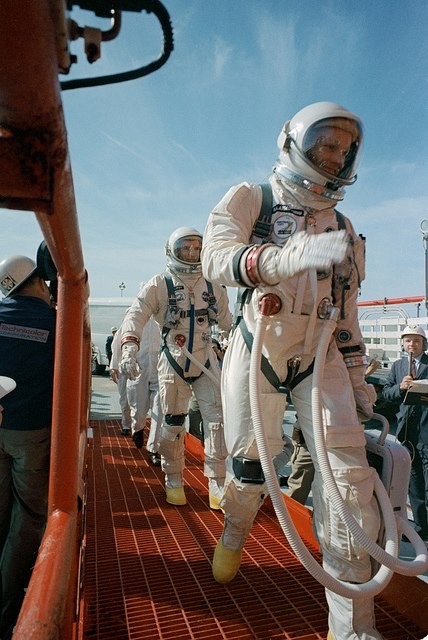
Two-Man Leap into the Unknown
1965. Astronauts John W. Young and Virgil Grissom preparing for the two-man Gemini space flight.
8
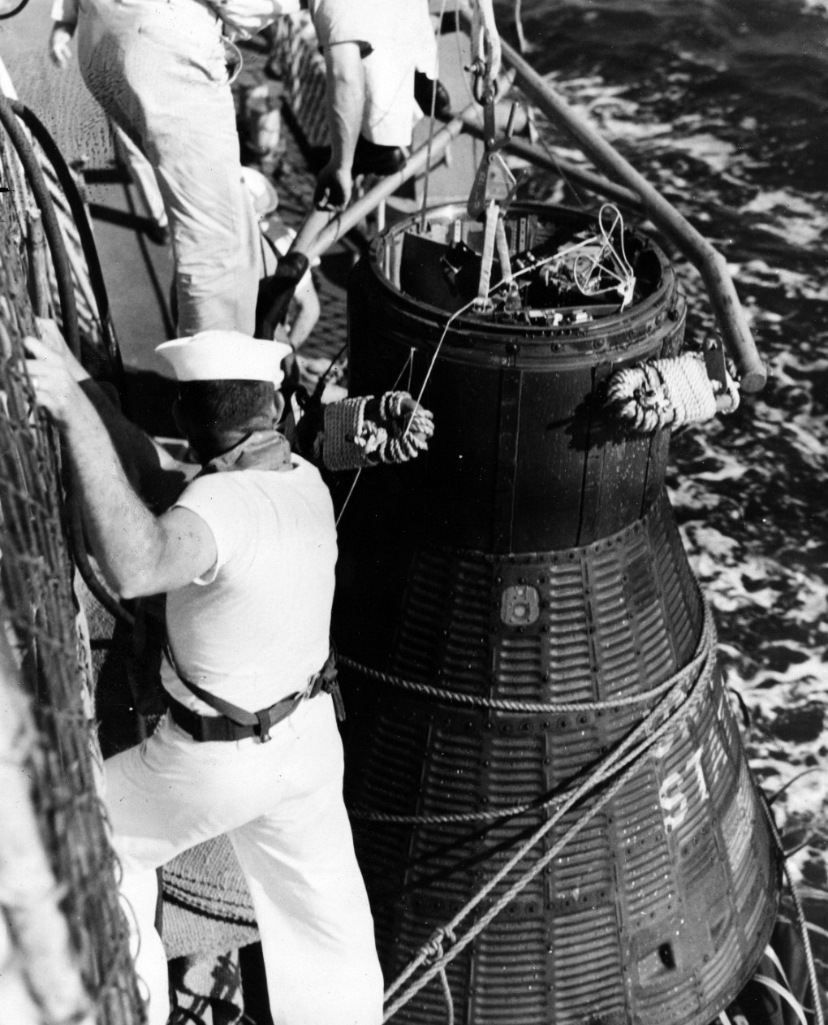
Friendship 7 Comes Home
Cape Canaveral, FL; astronaut John H. Glenn's spacecraft, Friendship 7, being brought alongside recovery ship USS Noa (DD-841) after his world orbital flight, February 20, 1962.
9
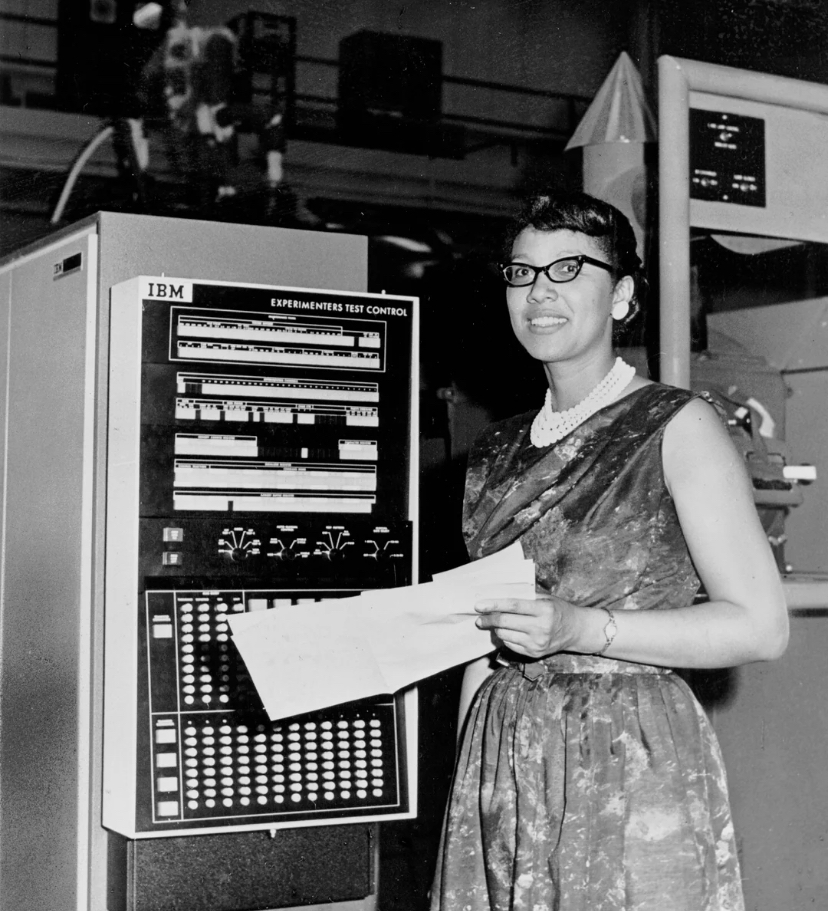
Katherine Johnson
A photo of mathematician Katherine Goble Johnson, whose calculations of orbital mechanics were critical to the success of NASA's manned space missions in the 1960s.
10
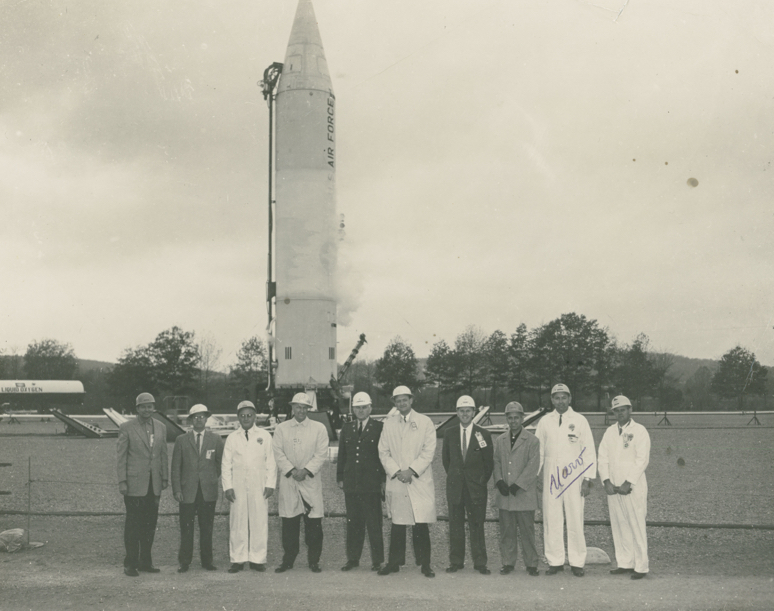
"My Grandpa and NASA"
"My grandpa working with NASA in its infancy (second from right), circa 1962."
11
Gemini 4
The Gemini 4 crew consisted of astronauts James McDivitt (command pilot) and Edward White (pilot). They were the crew for the second crewed mission of the Gemini program, which launched on June 3, 1965.
12
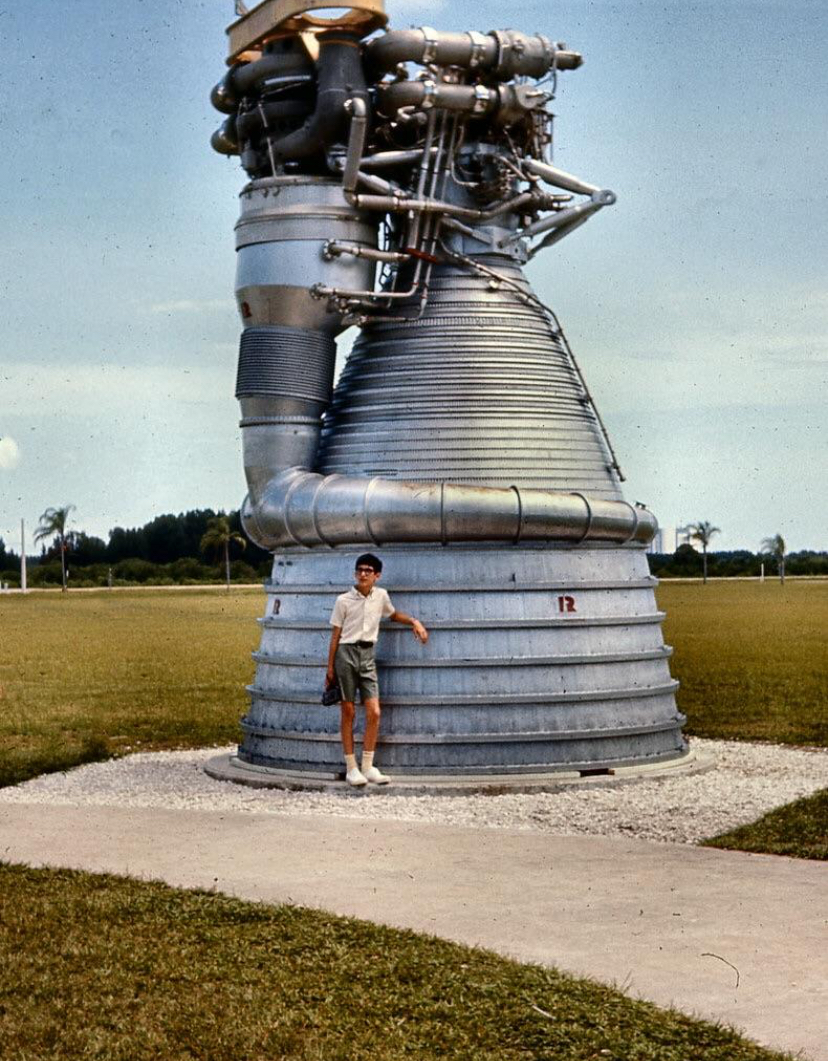
The Boom That Took Us to the Moon
Saturn V F-1 engine.
13
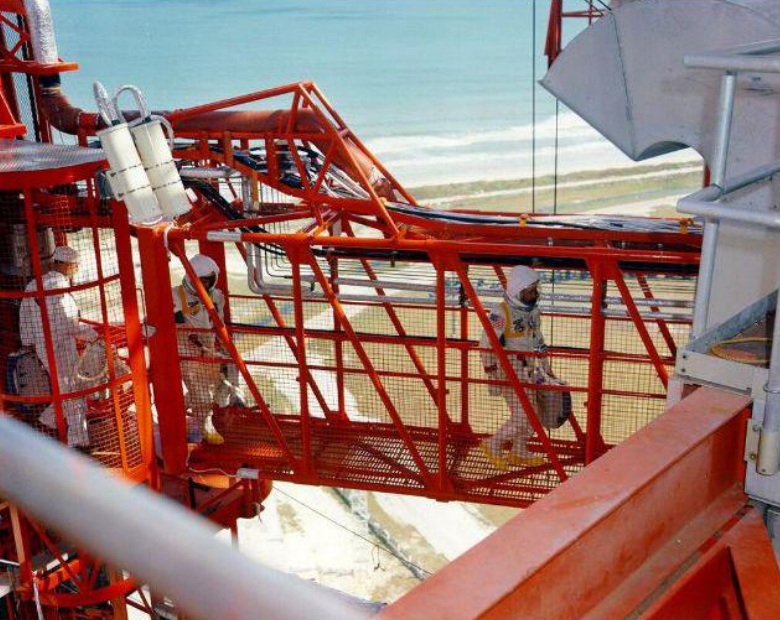
Apollo 1 Walks the Arm
The Apollo 1 crew crossing the access arm to the command module on January 27, 1967.
14
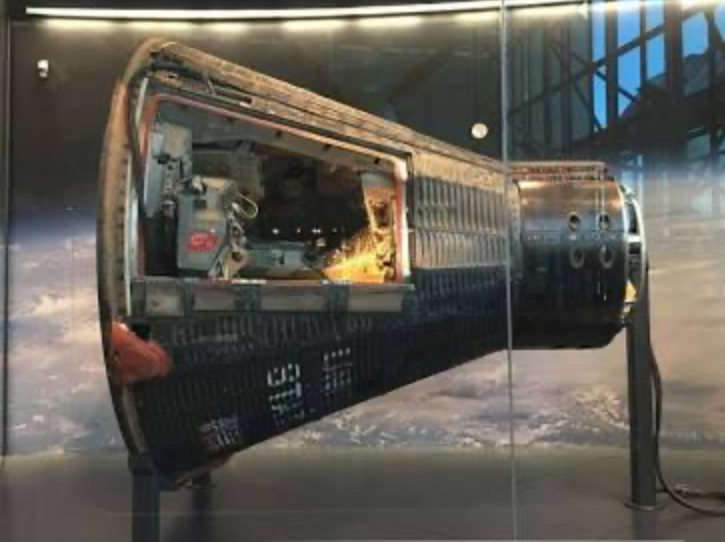
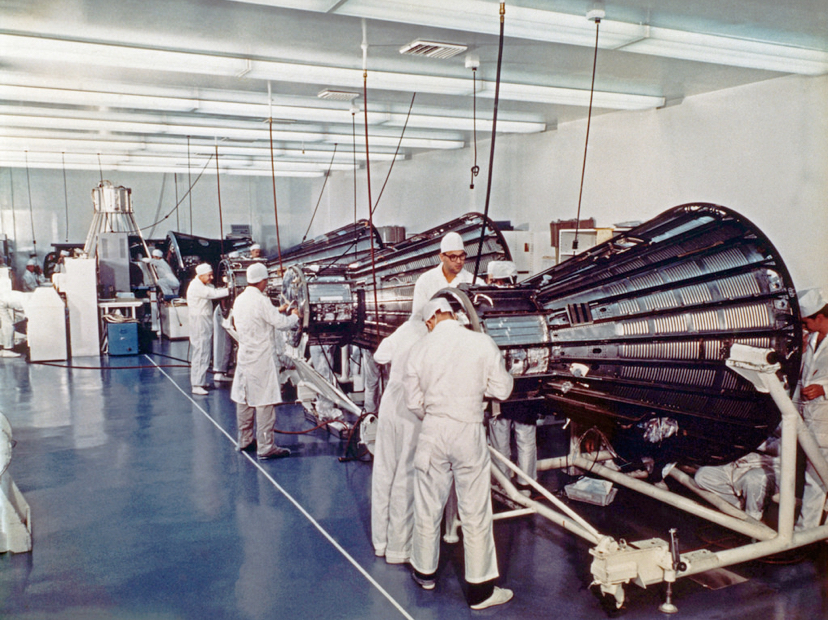
Project Mercury
Project Mercury spacecraft under construction at McDonnell Aircraft Corporation in St. Louis, Missouri (1960s).
15
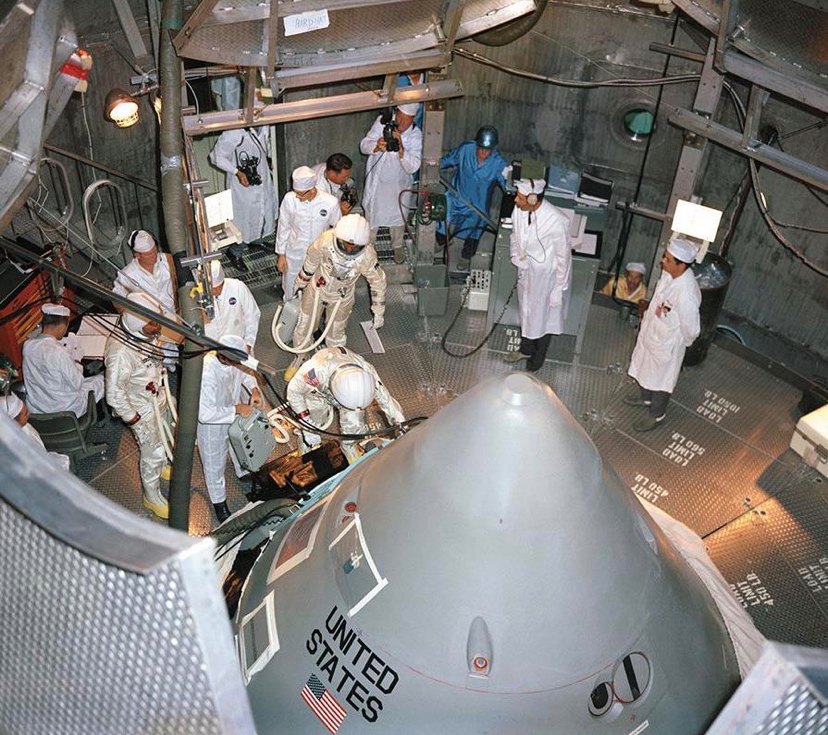
Apollo 1
"The crew of Apollo 1 during a training exercise. The man standing third from the right (in white with the headset on) is Pad Leader Donald Babbitt, my grandpa. He worked on the Gemini, Apollo, and Space Shuttle programs, and we are very proud of him."
16
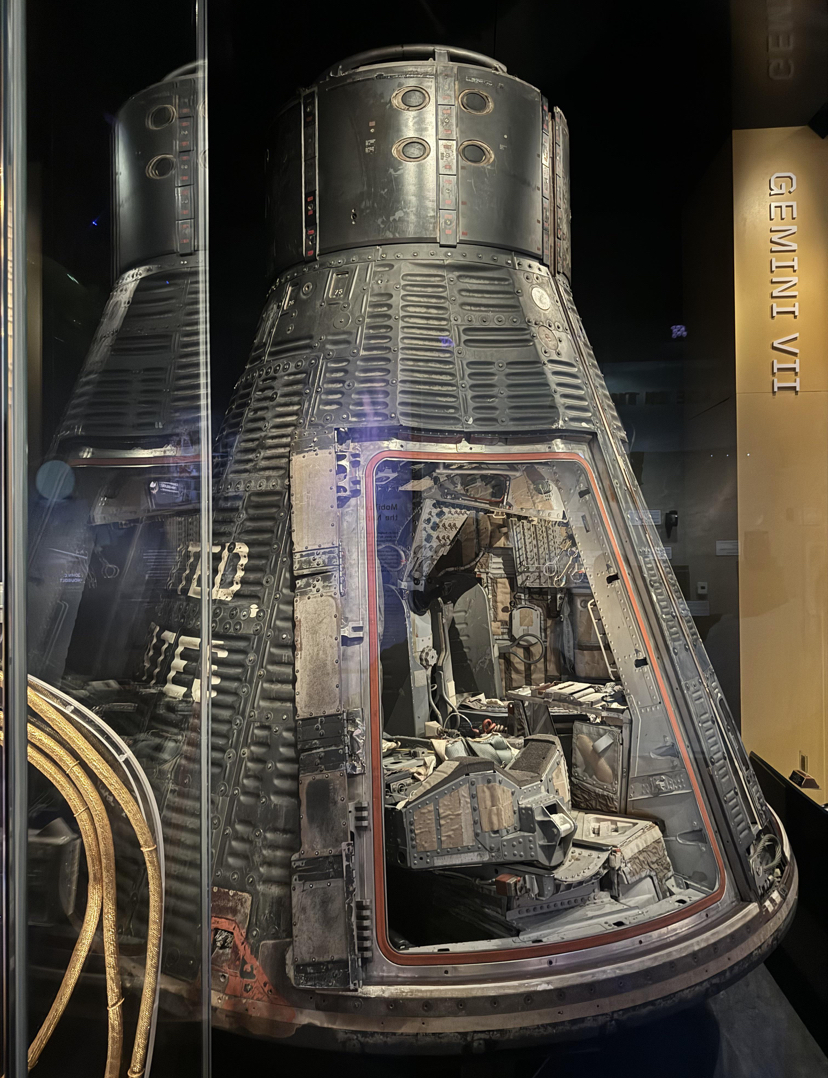
Two Seats, Zero Room, Endless Courage
Gemini VII.
17
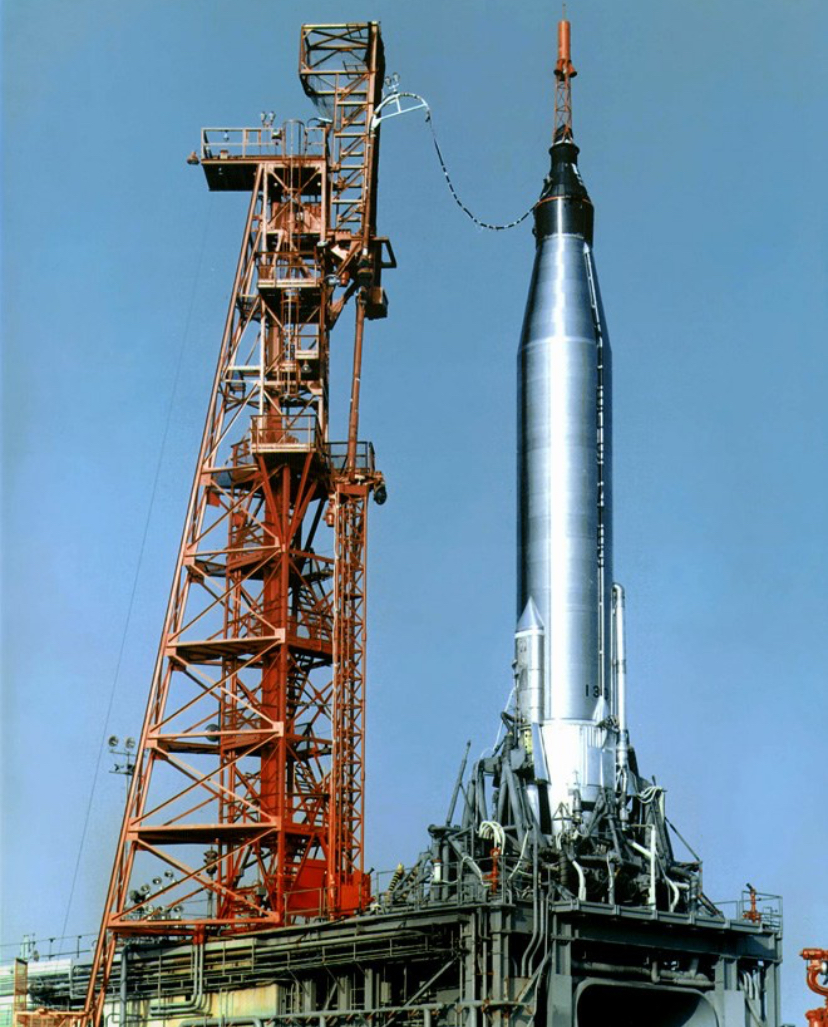
Mercury-Atlas 9
The stainless steel Mercury-Atlas 9 stands on its launch pad at Cape Canaveral, Florida, 1960.
18
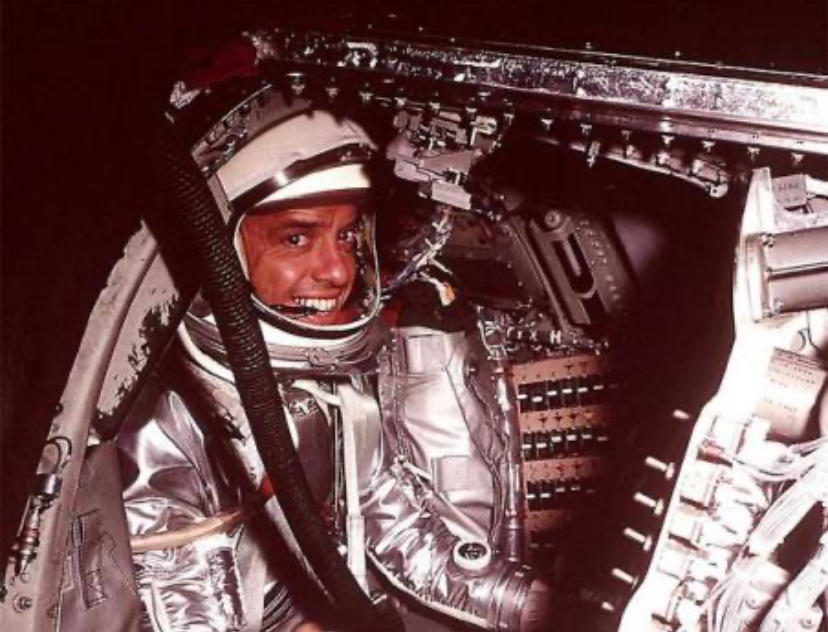
Al Shepard
In 1961, Al Shepard flew to space, becoming the first American to do so.
19
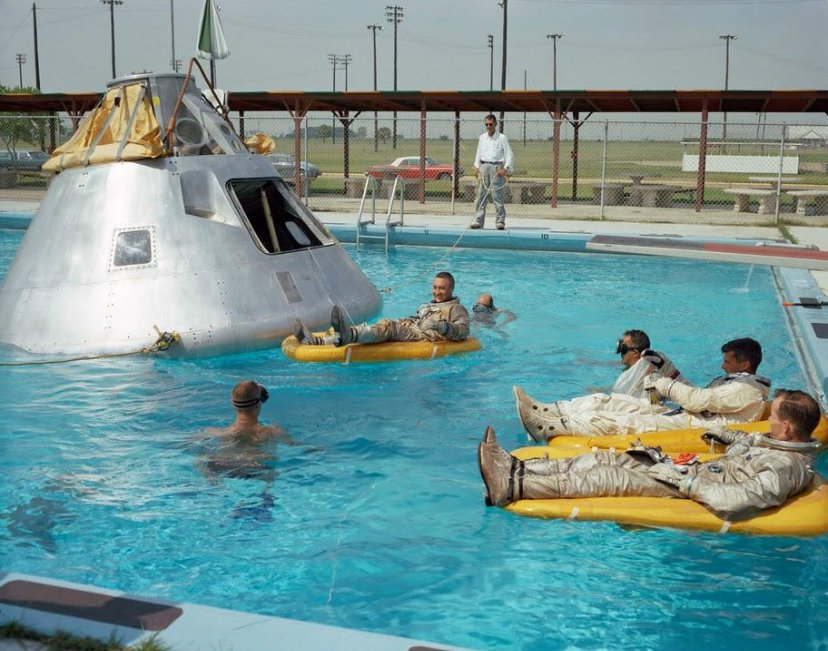
Poolside, Pre-Moon
The Apollo 1 crew relaxing in a pool during EGRESS training.
20
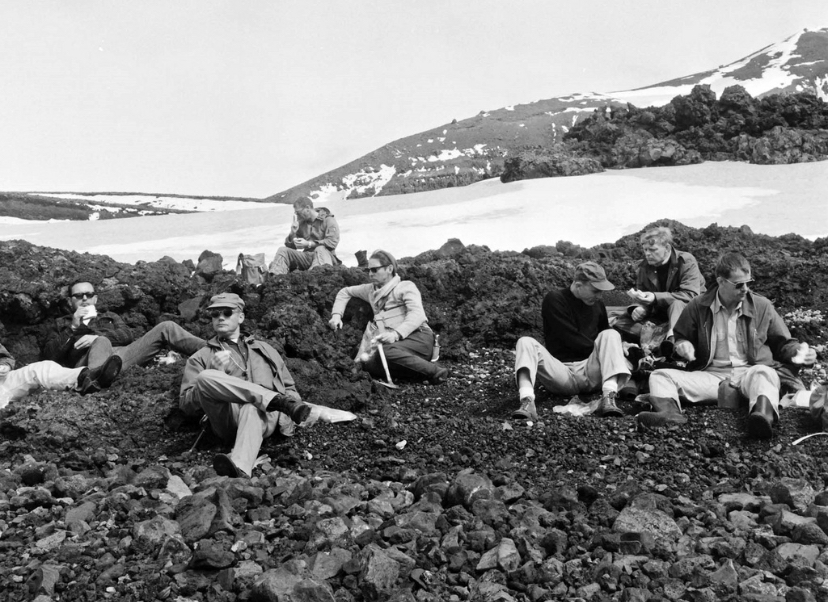
Iceland
Apollo astronauts visiting Iceland's Askja for geology training in the 1960s. Two trips were made: 1965 and 1967; Armstrong was in the 1967 group.