We wanted to bring you a nostalgic reminder from a time when mobile technology hadn’t yet agreed on what size a human hand actually is. These photos capture the experimental era of phones when designers either went “make it a brick” or “make it disappear,” with absolutely no middle ground.
On the oversized end, we have legends like the Motorola DynaTAC 8000X, a device less “phone” and more “portable home appliance.” Holding one made you look important, wealthy, and possibly involved in 1980s espionage. On the opposite extreme sits the Motorola PEBL, so compact and smooth it felt like a futuristic pebble you might accidentally lose in a pocket, a couch, or your own dignity.
Together, these phones prove one thing: before smartphones took over, engineers were guessing wildly. Big, small, heavy, tiny; every size was correct… briefly.
1
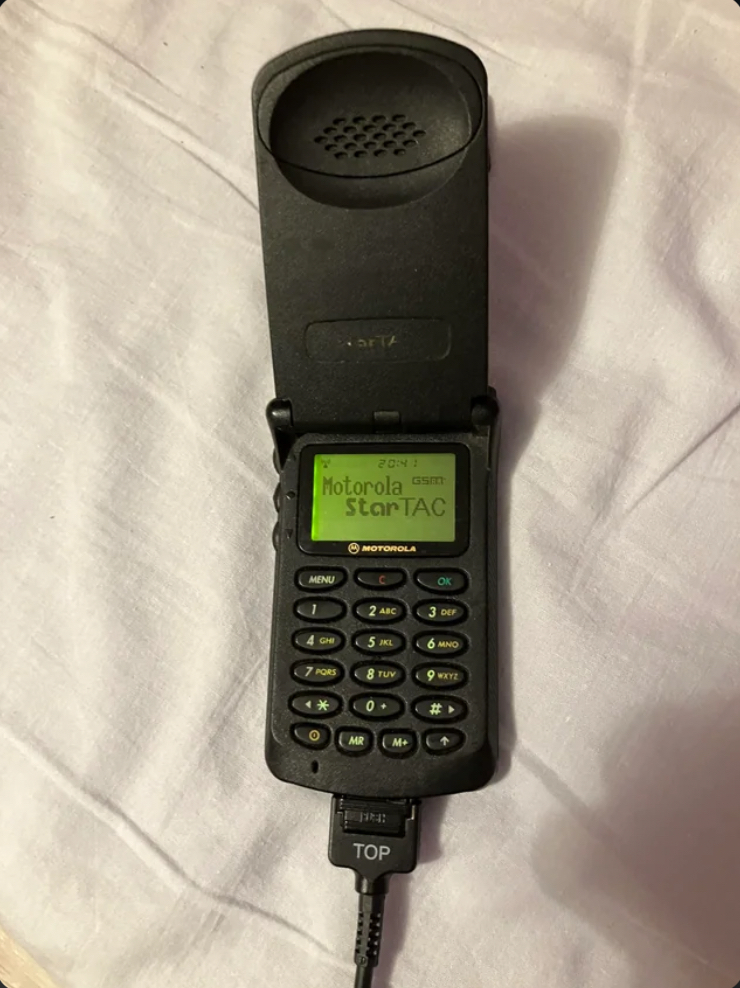
Motorola StarTAC (flip phone pioneer)
One of the first truly compact flip phones, inspired by sci-fi communicators. Revolutionary for fitting comfortably in a pocket.
2
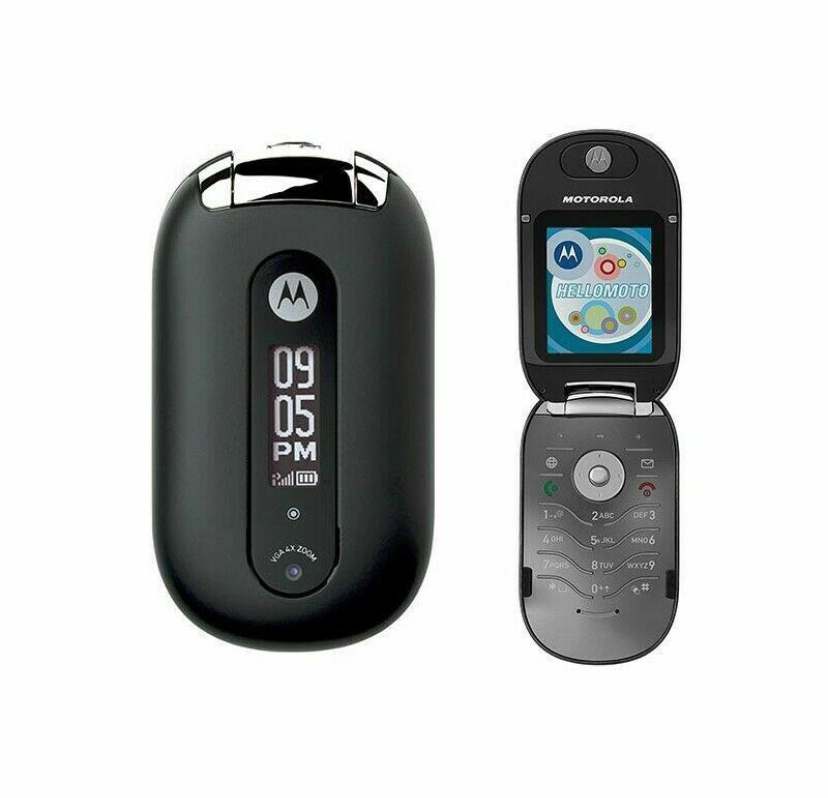
Motorola Pebl
Known for its smooth, pebble-like shape and compact size. A stylish phone that prioritized design and pocketability.
3
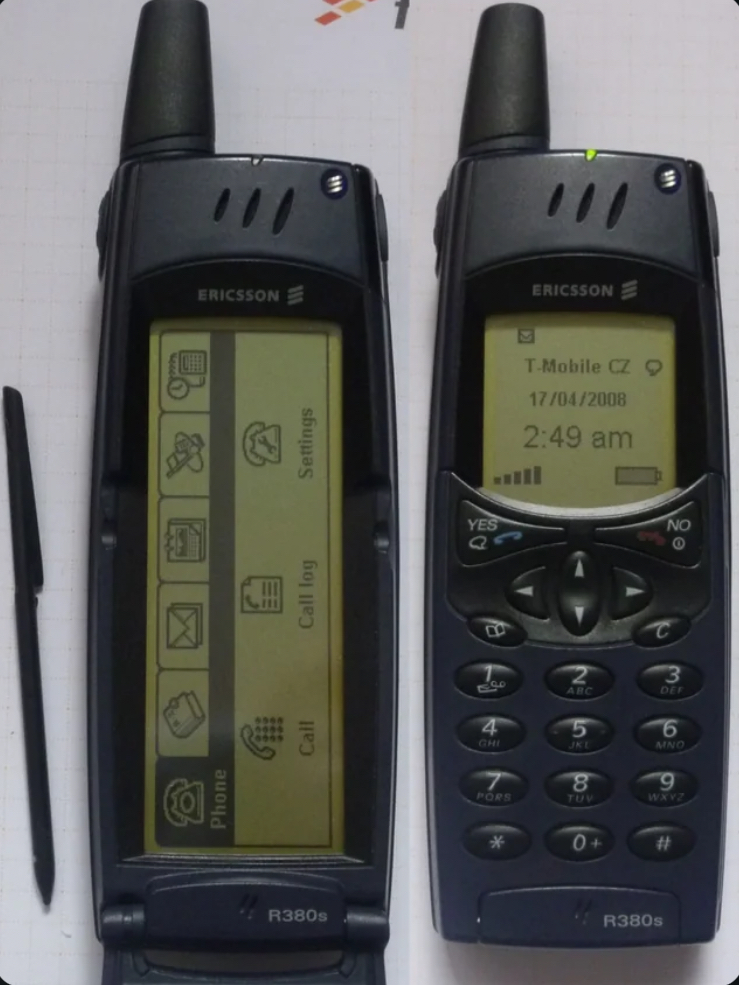
Ericsson R380s
An early “smartphone” with a hidden touchscreen under a flip keypad. Surprisingly compact considering its advanced capabilities.
4
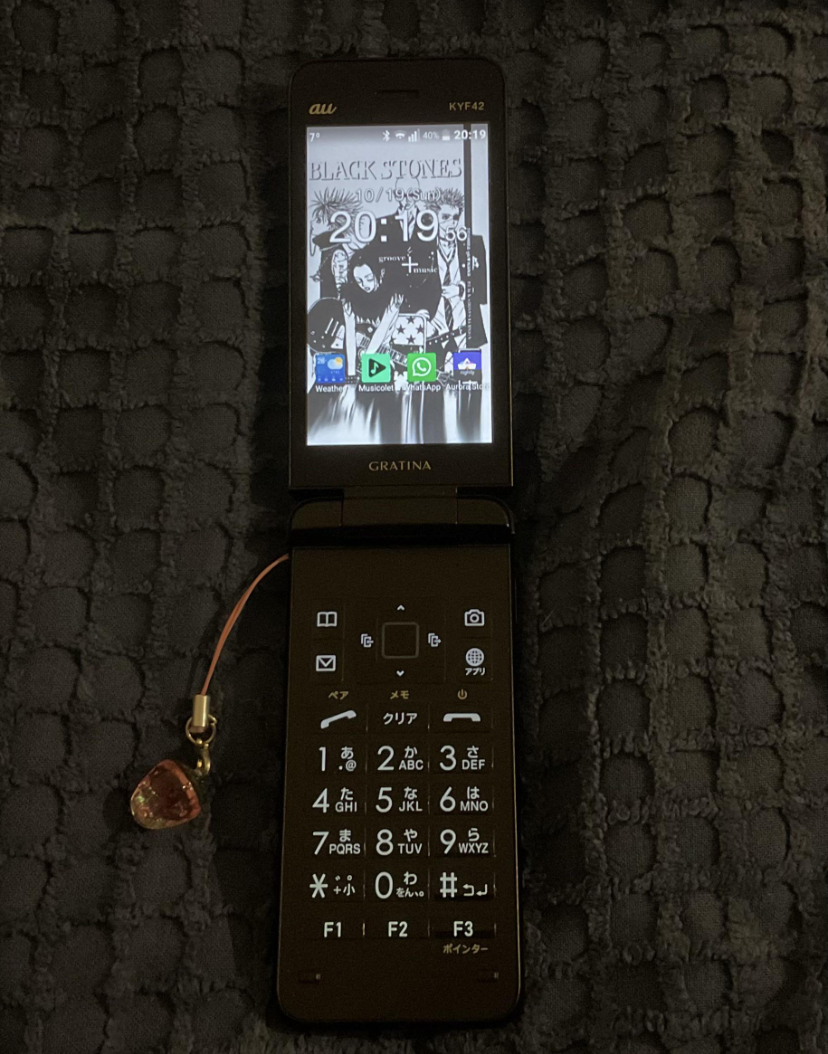
Kyocera KYF 42
A modern Japanese feature phone with a minimalist, compact design. Shows how small phones remained relevant even in the smartphone era.
5
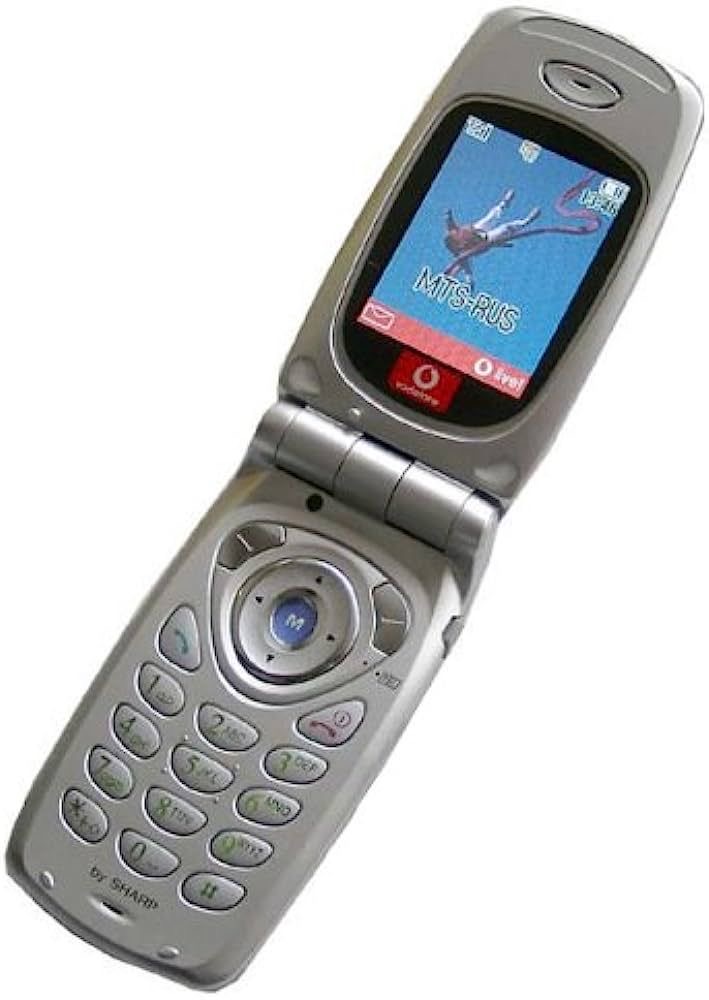
Sharp GX10 (tiny Japanese flip phone)
A compact clamshell phone from Japan, packed with features in a very small body. Early proof that phones could be powerful and tiny.
6
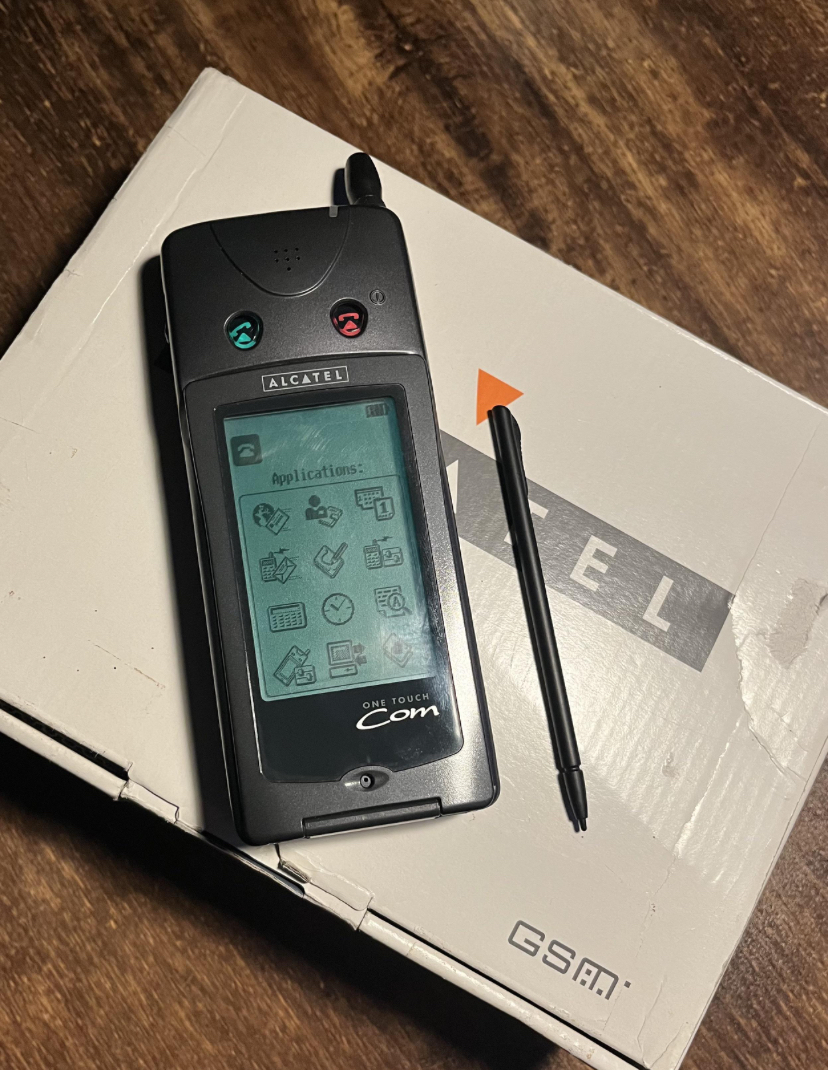
Alcatel One Touch Easy Mini (pocket-sized)
A simplified, shrunken version of a classic phone. Designed for basic calling in the smallest form possible.
7
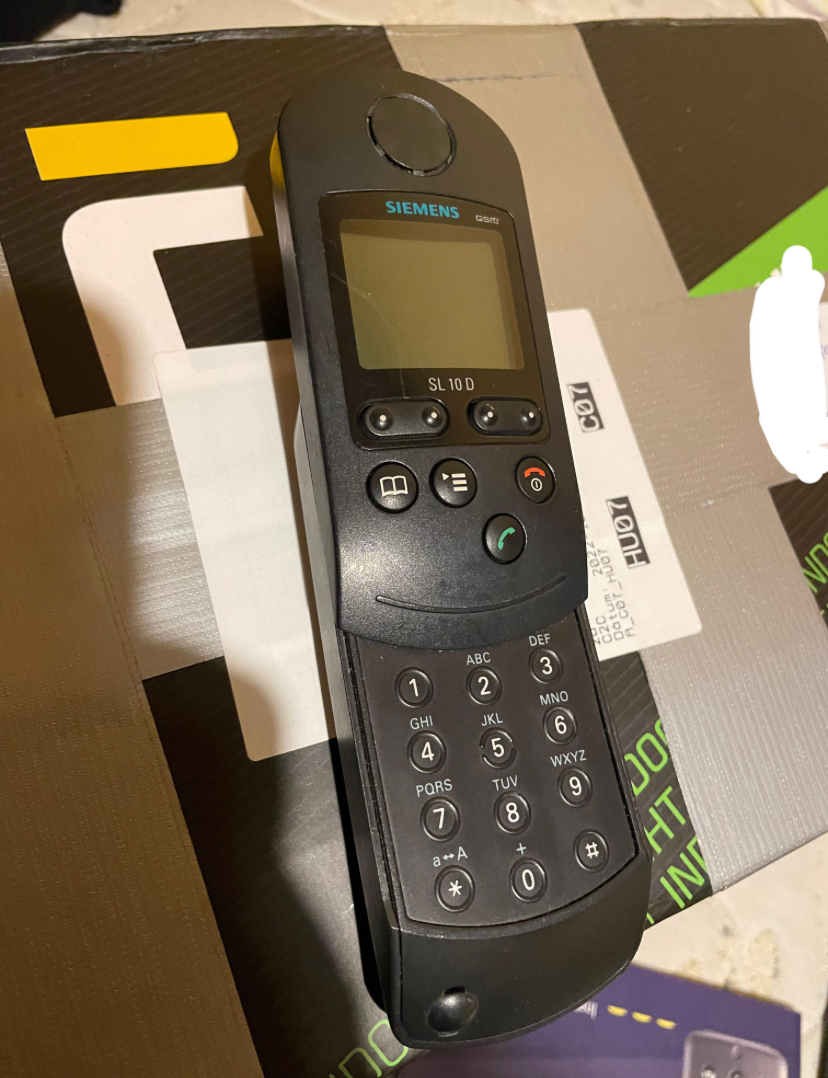
Siemens SL10 (ultra-thin flip phone)
A design-focused flip phone made to look fashionable and discreet. Tiny, lightweight, and ahead of its time.
8
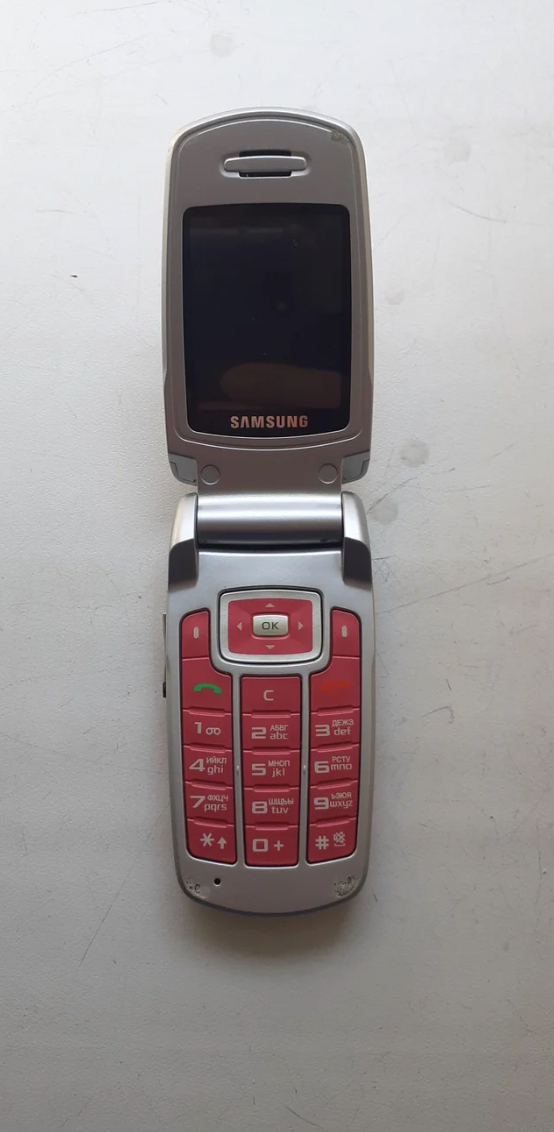
Samsung SGH-P300 (one of the first small sliders)
Ultra-thin and sleek, more like a calculator than a phone. Redefined how flat a mobile device could be.
9
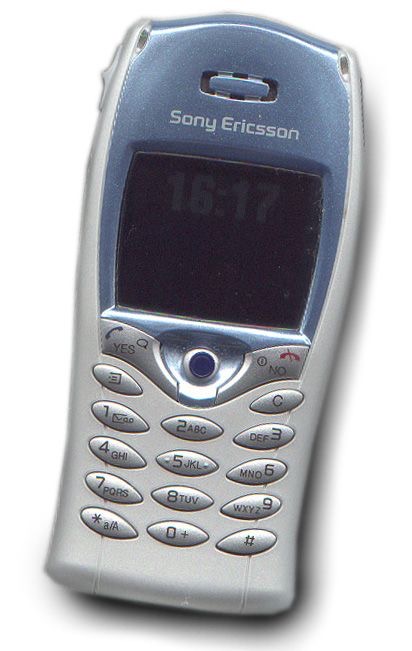
Sony Ericsson T68i (compact with tiny screen)
Slim and minimalist, featuring one of the earliest color screens. Small size, big influence on future phone design.
10
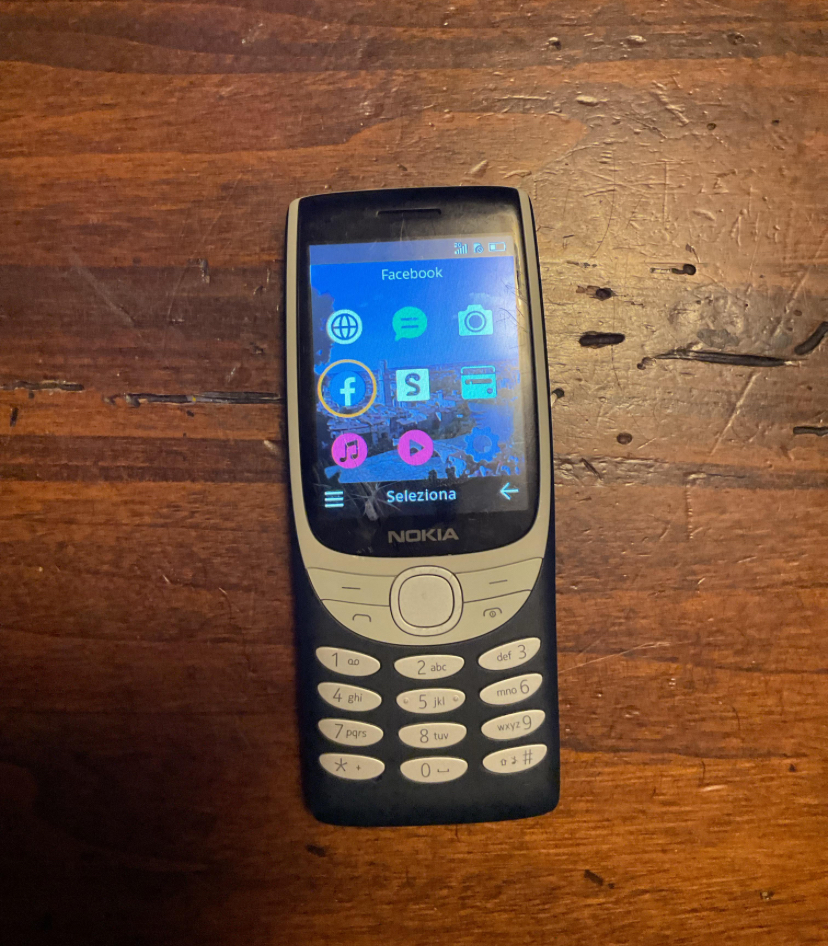
Nokia 8210 (tiny candybar phone)
Lightweight, colorful, and incredibly small for its era. A favorite for users who wanted style and portability.
11
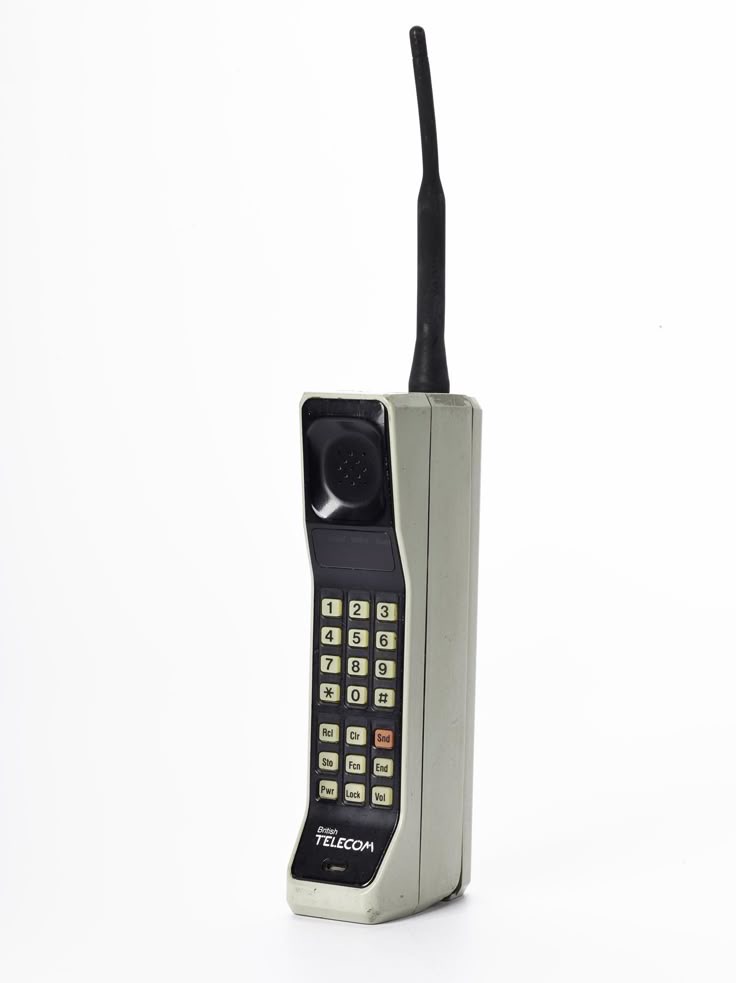
Motorola DynaTAC 8000X (The original “brick” phone)
The first commercially available handheld mobile phone, famous for its massive size, long antenna, and extreme weight. It symbolized wealth and futuristic tech in the 1980s.
12
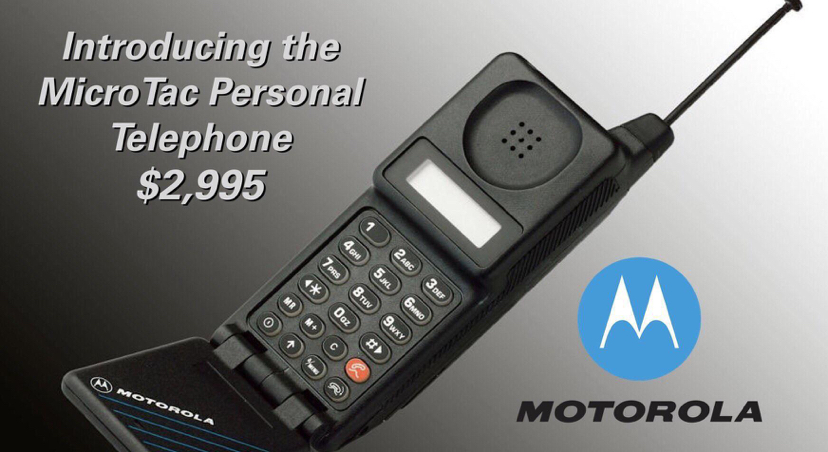
Motorola MicroTAC 9800X (smaller than DynaTAC, still huge by today’s standards)
A breakthrough clamshell design that reduced size while still feeling enormous. A major step toward true portability.
13
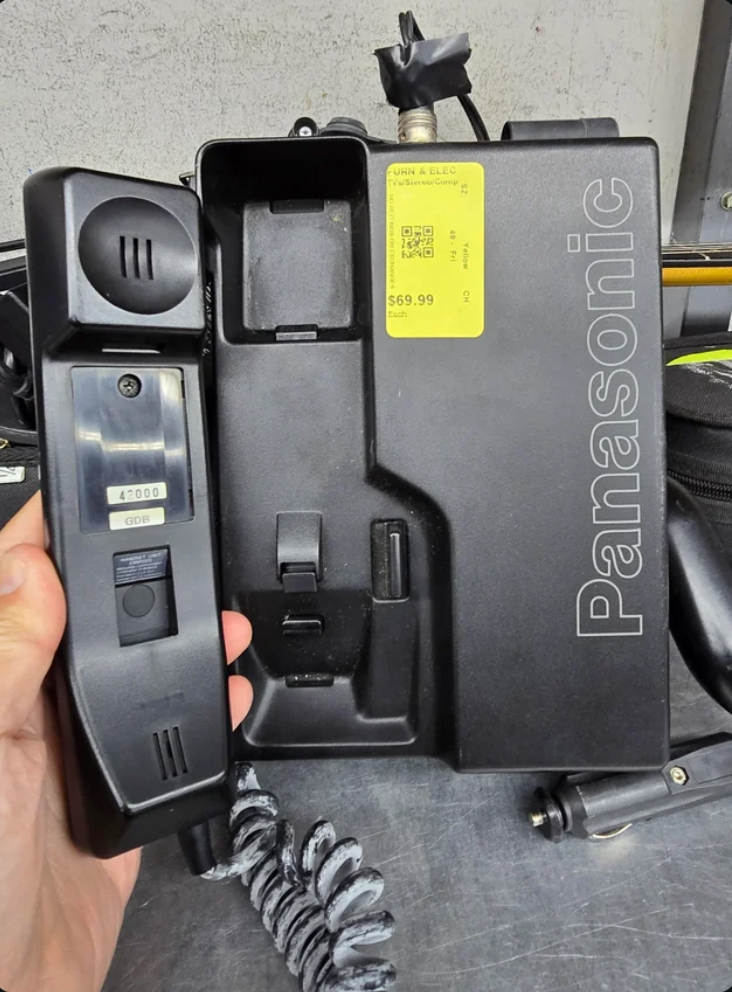
Panasonic EB-H100 (bag-style mobile)
Another shoulder-bag mobile phone combining a handset with a large external battery. Popular with professionals who needed coverage anywhere.
14
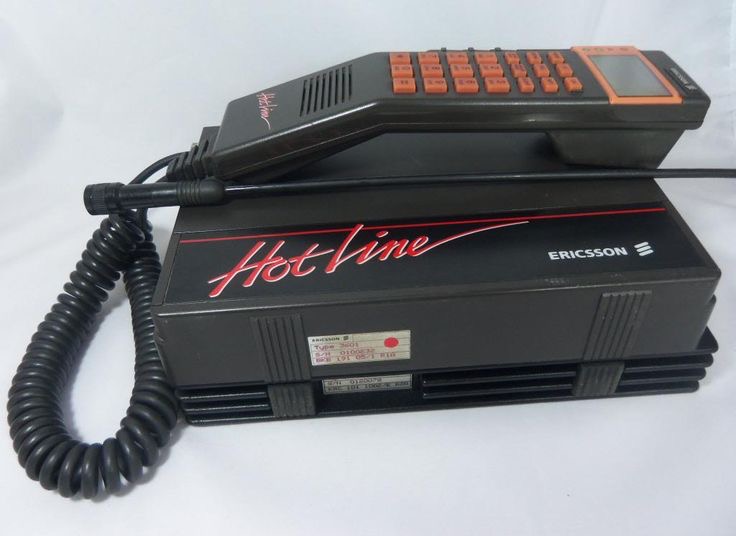
Ericsson Hotline (office phone that was almost a suitcase)
A massive mobile unit designed for office or vehicle use, with a size closer to luggage than electronics.
15
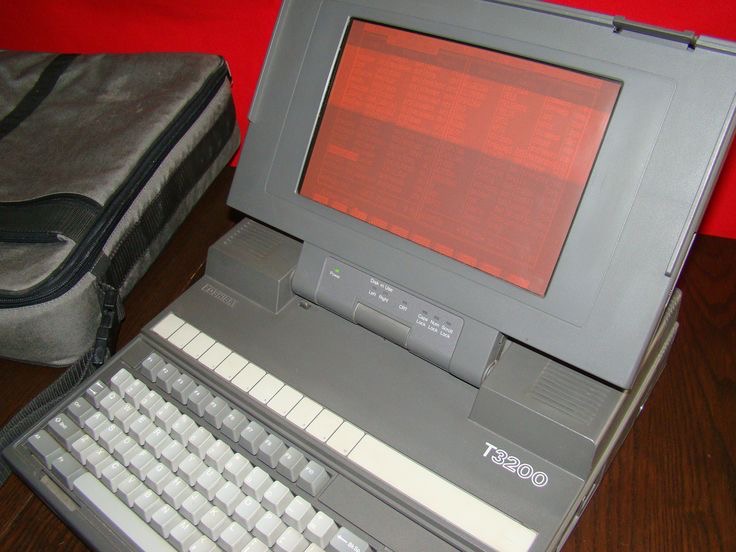
Toshiba T3200
A transportable, suitcase-sized electronic device often mistaken for a phone due to its era and bulk. It represents how large “portable” tech once was.
16
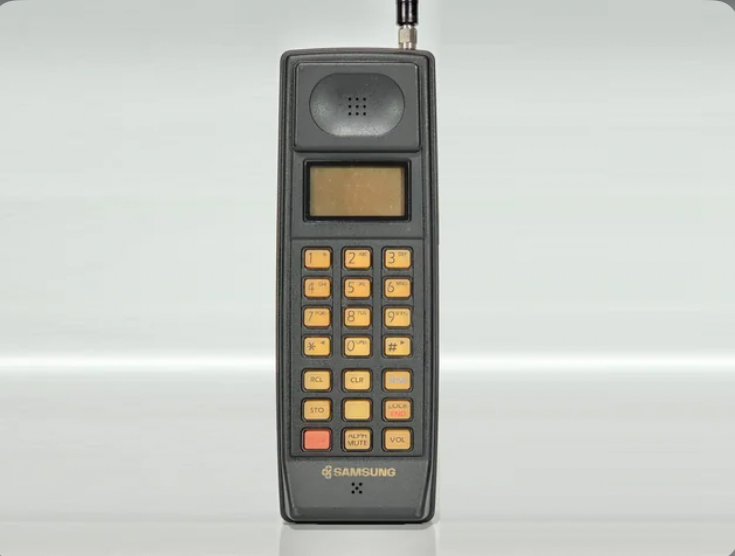
Samsung SH-100 (retro “block” phone)
Samsung’s first mobile phone, shaped like a solid brick with minimal controls. More industrial equipment than pocket gadget.
17
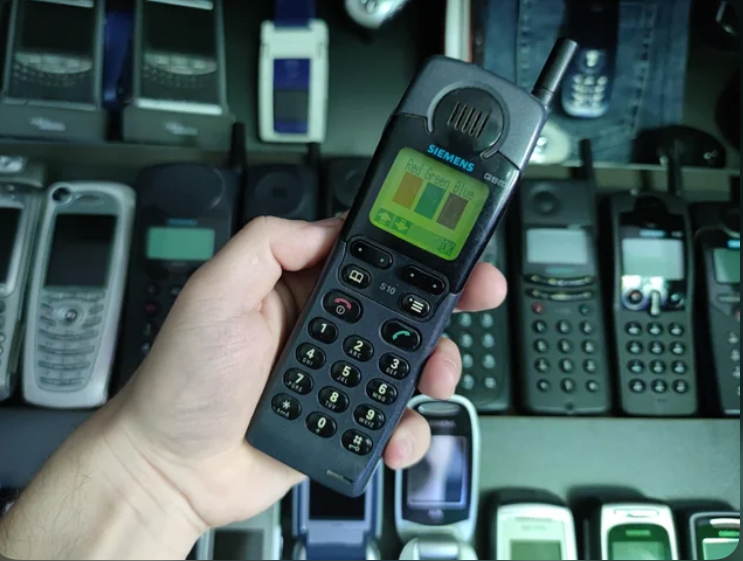
Siemens S10
A bulky early GSM phone best known for being one of the first with a color display. Chunky body, tiny screen, cutting-edge for its time.
18
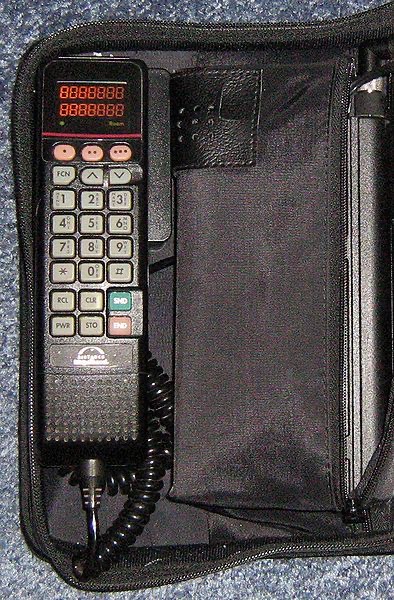
T&T Bag Phone (portable car/office combo)
Designed to move between a car and an office, this phone lived in a heavy bag with an external handset. “Portable” by 1980s standards.
19
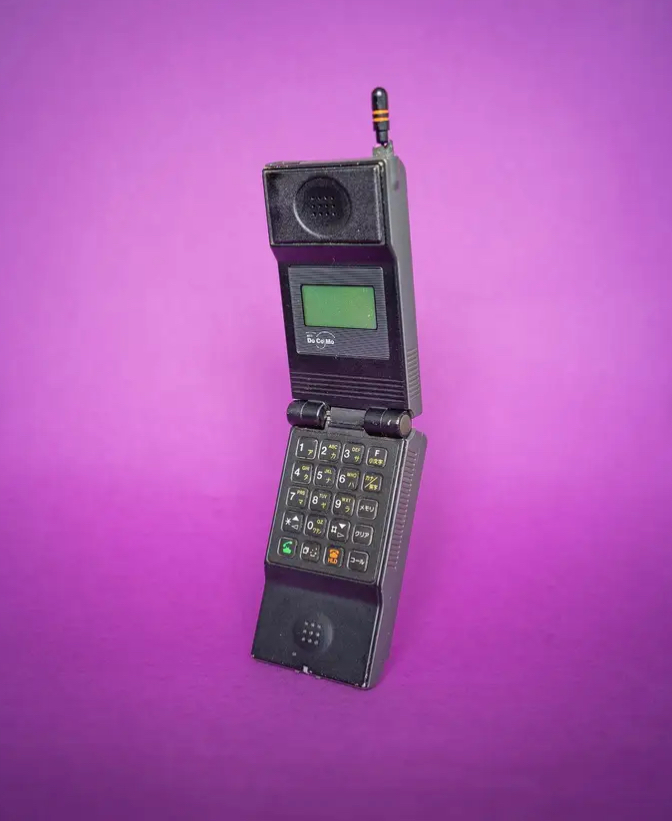
NEC TZ-8030 (large Japanese “bag phone”)
A transportable phone carried in a shoulder bag, popular in Japan before true handhelds became practical.
20
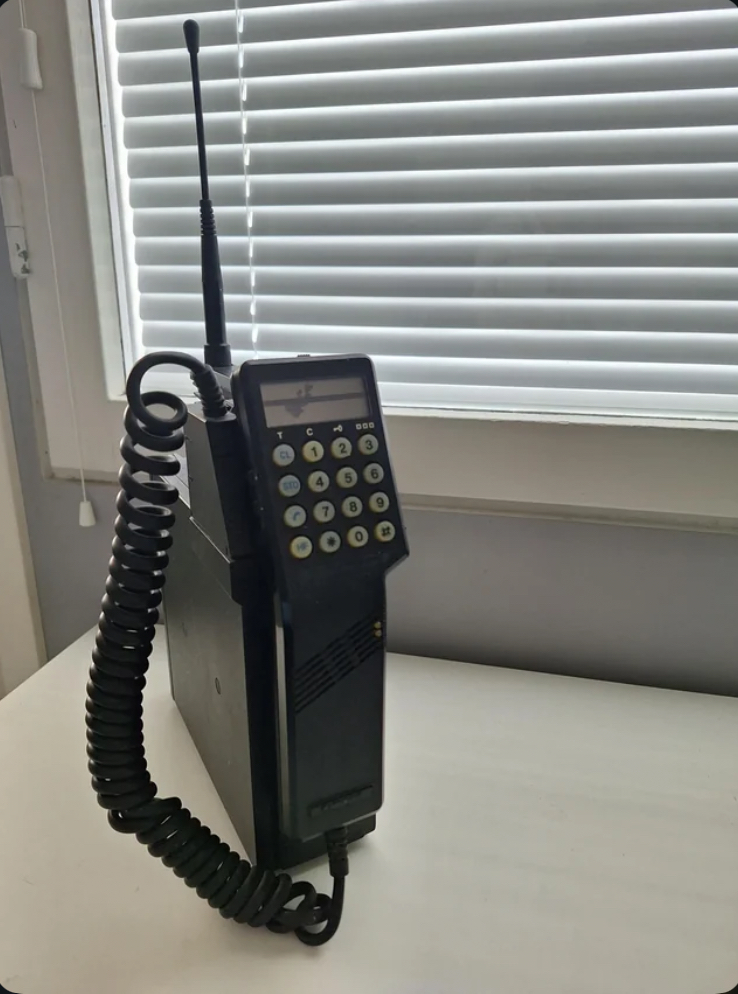
Nokia Mobira Senator (car phone from the 1980s)
A car-mounted phone that weighed over 20 pounds and required a vehicle for power. Truly mobile only if your car was involved.