Before Silicon Valley, people used typewriters. And behind those clacking keys? Visionaries who didn’t just imagine the future, they nailed it. Science fiction writers have been bending time and space for decades, and somehow they keep landing smack in the middle of our reality. It’s not just eerie, it’s genius.
These weren’t lucky guesses or wild dreams. These were blueprints hidden in paperbacks. Technologies we now depend on once just footnotes in their fiction. They saw beyond the now and deep into the “what if,” and that “what if” turned into what is. This isn’t just a slideshow, it’s a tribute to the minds who thought bigger, weirder, and more ahead of their time than anyone else.
If you've ever stared at your screen and thought: “How did we get here?” you’re about to meet the authors who already knew. Hit next, you’re one click away from a literary crystal ball.
1
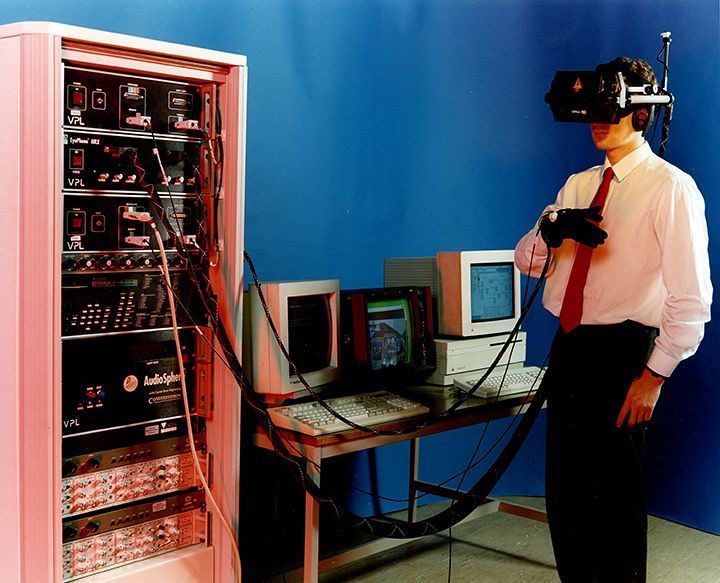
Stanislaw Lem: Virtual Reality and Brain-Computer Interfaces
In Summa Technologiae (1964), Lem explored VR, AI, and direct neural interfaces decades before tech caught up.
2
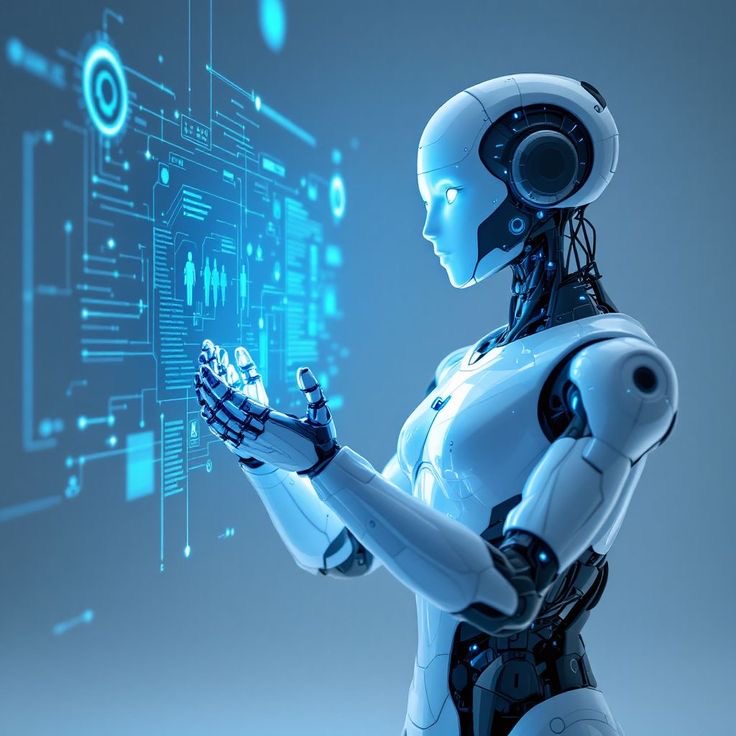
Vernor Vinge: Technological Singularity
In Marooned in Realtime (1986), Vinge theorized about runaway AI leading to a post-human future.
3
Cory Doctorow: Digital Rights Management and Data Privacy Conflicts
In Little Brother (2008), Doctorow tackled issues of surveillance, hacking, and digital resistance before they were mainstream concerns.
4
E.M. Forster: Video Calls and Internet-like Networks
In The Machine Stops (1909), Forster depicted people communicating via screens in isolated rooms; eerily like modern remote life.
5
Greg Bear: Nanotechnology in Medicine
In Blood Music (1985), Bear envisioned self-replicating nanobots manipulating biological systems; foundations for modern nanomedicine.
6
Poul Anderson: Space Mining
In The Man Who Counts (1955), Anderson described asteroid mining, a field now being explored by real companies like Planetary Resources.
7
John Brunner: Social Media, Search Engines, and Mass Surveillance
In Stand on Zanzibar (1968), Brunner imagined a hyperconnected society influenced by media overload and data tracking.
8
Douglas Adams: AI Language Translation Devices
In The Hitchhiker’s Guide to the Galaxy (1979), the “Babel Fish” foreshadowed instant translation apps like Google Translate.
9
Robert Heinlein: Mobile Phones and Remote Education
In Space Cadet (1948), Heinlein described portable communication devices and remote learning environments.
10
Frank Herbert: Smart Drugs and Environmental Tech
In Dune (1965), Herbert imagined mind-enhancing substances and ecological control on planetary scales.
11
Neal Stephenson: Metaverse and Avatars
In Snow Crash (1992), Stephenson popularized the term “Metaverse” and described immersive virtual worlds.
12
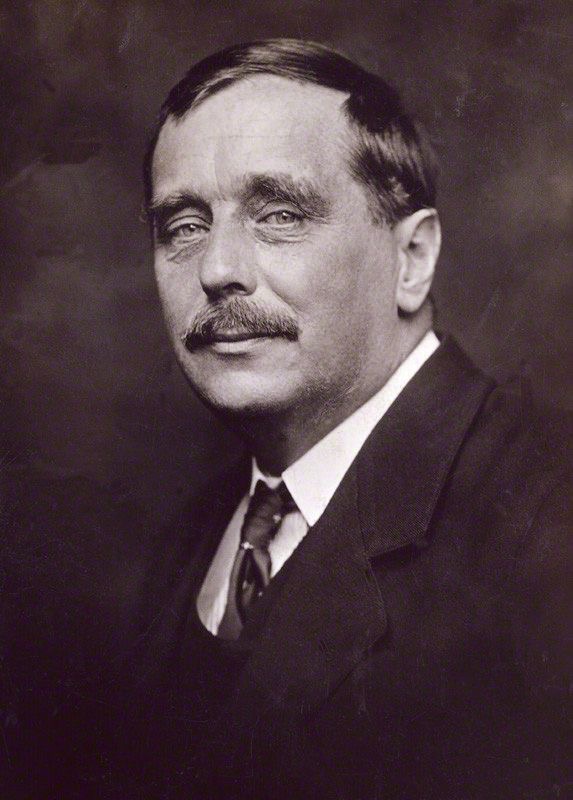
H.G. Wells: Atomic Bombs
In The World Set Free (1914) Wells described devastating "atomic bombs" long before nuclear weapons were developed.
13
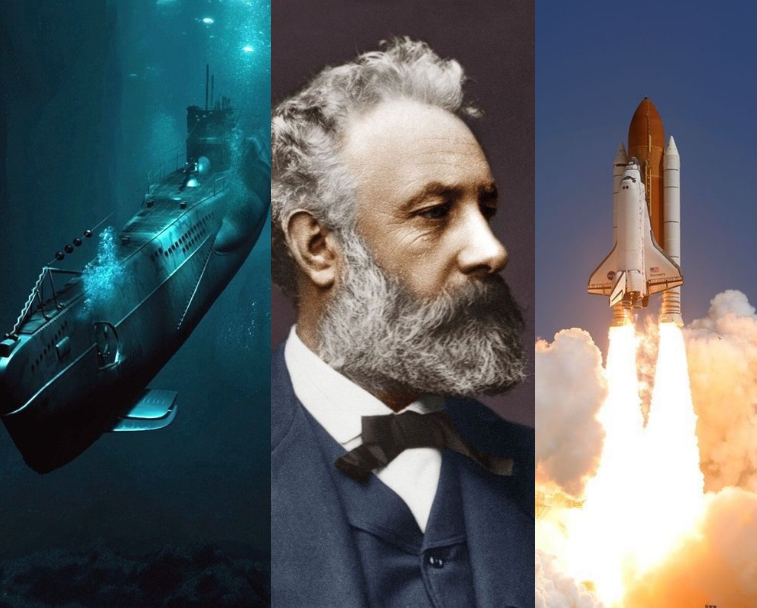
Jules Verne: Submarines and space travel
In 20,000 Leagues Under the Sea (1870), Verne imagined the Nautilus, a fully electric-powered submarine, decades before they were built. And in From the Earth to the Moon (1865) Verne envisioned a remarkably detailed and imaginative scenario for space travel, more than a century before the actual Moon landing.
14
Aldous Huxley: Genetic Engineering and Mood-Altering Drugs
In Brave New World (1932), Huxley foresaw bioengineering and widespread use of pharmaceuticals to control emotions.
15
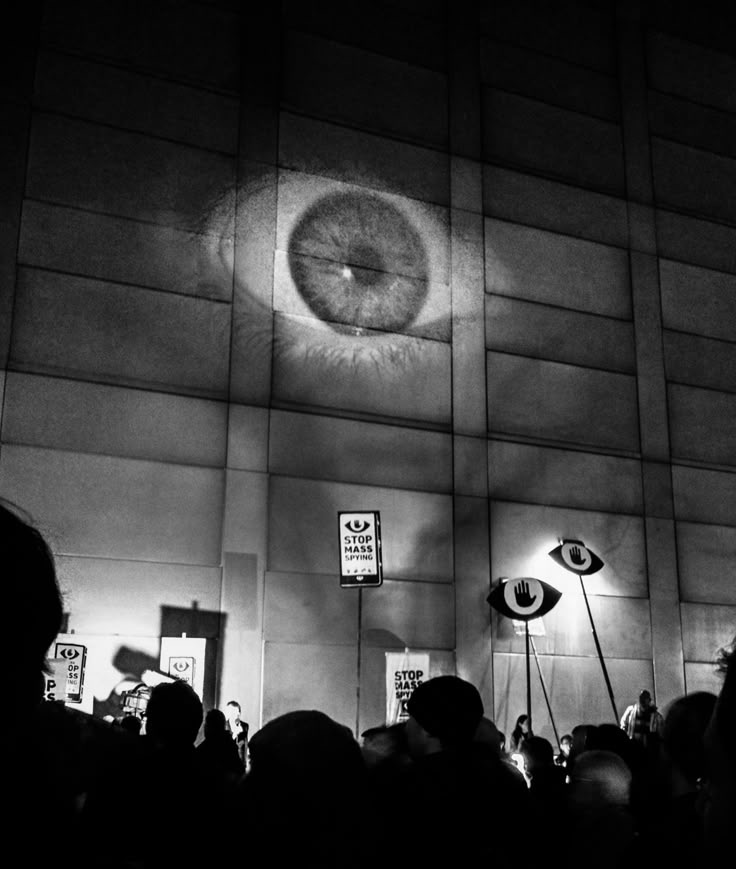
George Orwell: Mass Surveillance
In 1984 (1949), Orwell predicted a world of constant surveillance by authoritarian regimes.
16
William Gibson: The Internet and Cyberspace
In Neuromancer (1984), Gibson coined "cyberspace" and described a virtual world eerily like the modern web.
17
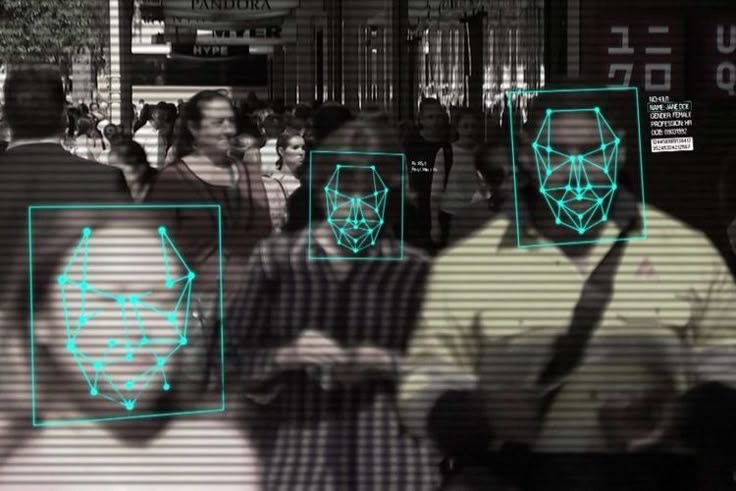
Philip K: Facial Recognition and Predictive Policing
In Minority Report (1956), Philip imagined tech that predicts crime and tracks people via biometric data.
18
Ray Bradbury: Earbuds and Voice-Controlled AI
In Fahrenheit 451 (1953) Bradbury envisioned "seashells" (earbuds) and interactive AI assistants in homes.
19
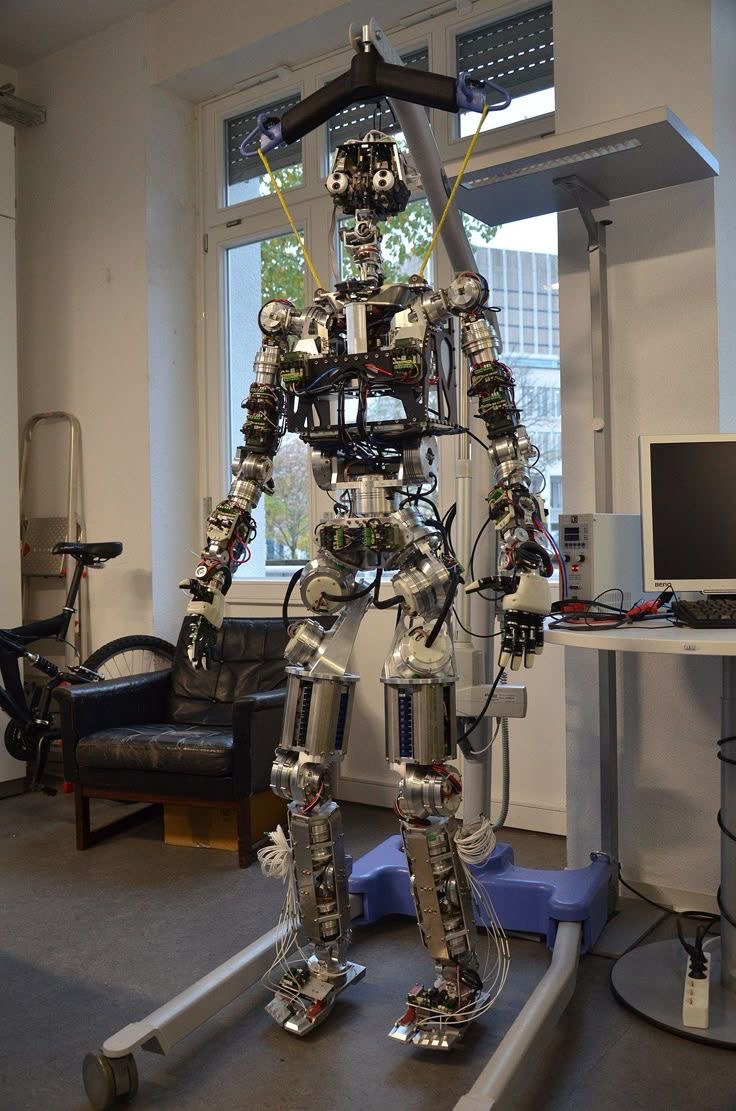
Isaac Asimov: Robotics and AI Ethics
In I, Robot (1950), Asimov's Three Laws of Robotics shaped early discourse on AI ethics and behavior.
20
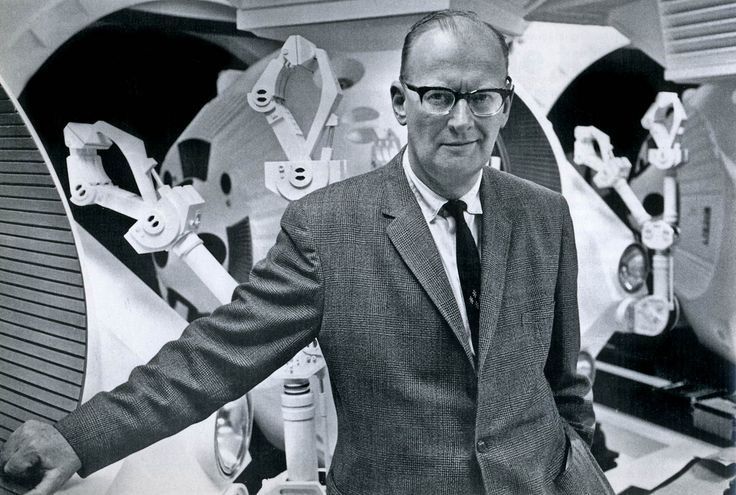
Arthur C. Clarke: Geostationary Satellites
In the Wireless World article (1945) and then expanded in 2001: A Space Odyssey, Clarke theorized communication satellites in orbit years before they became reality.