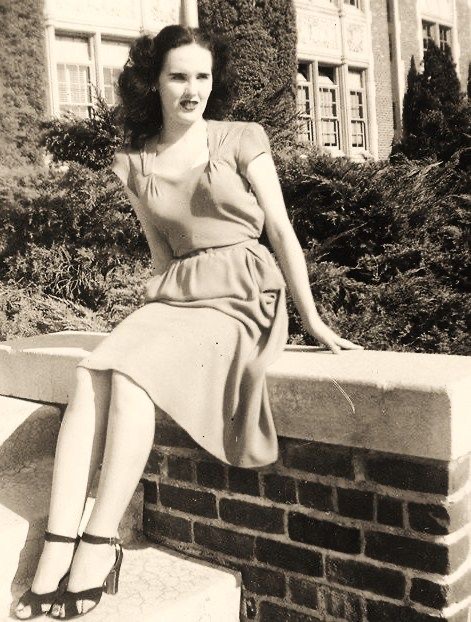
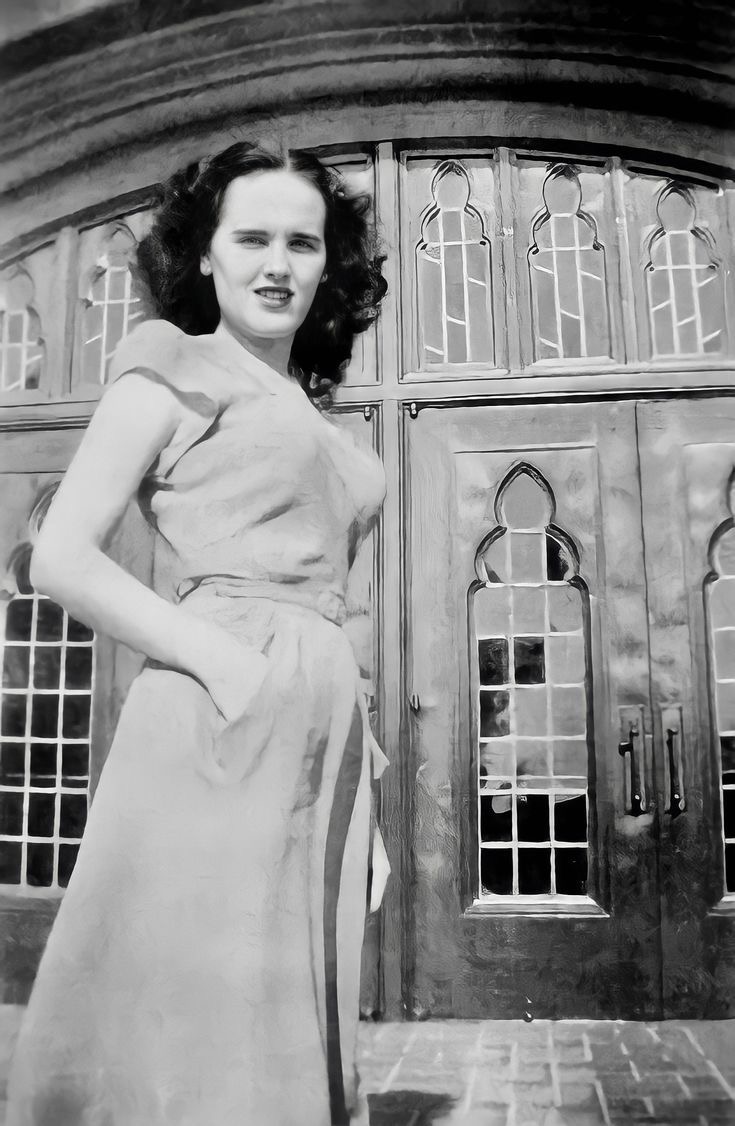
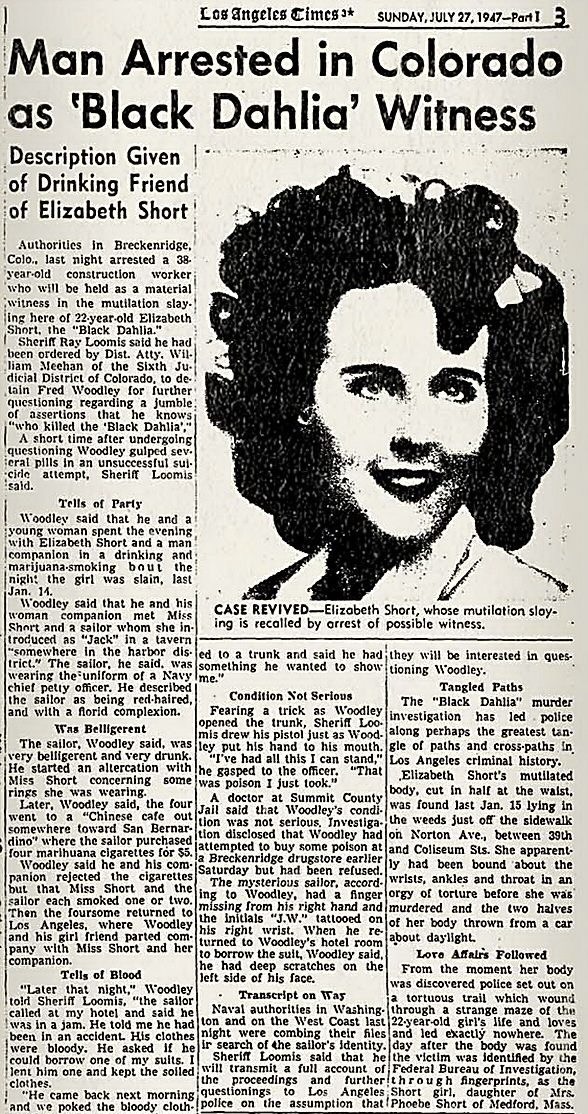
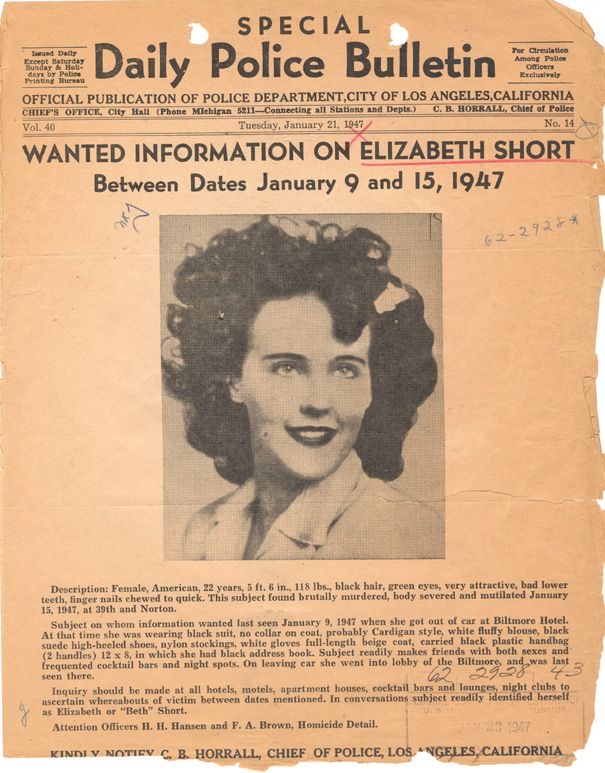
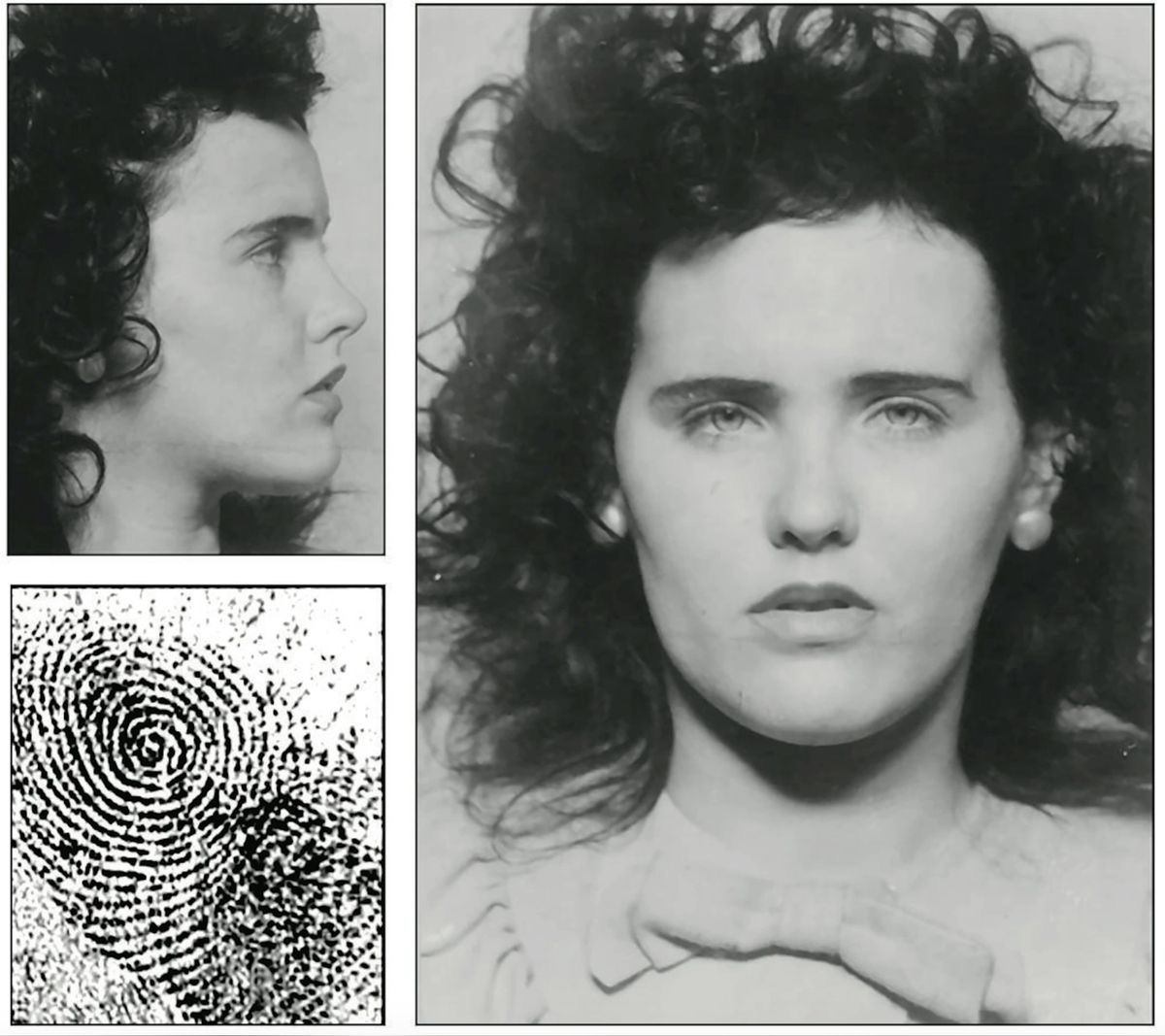
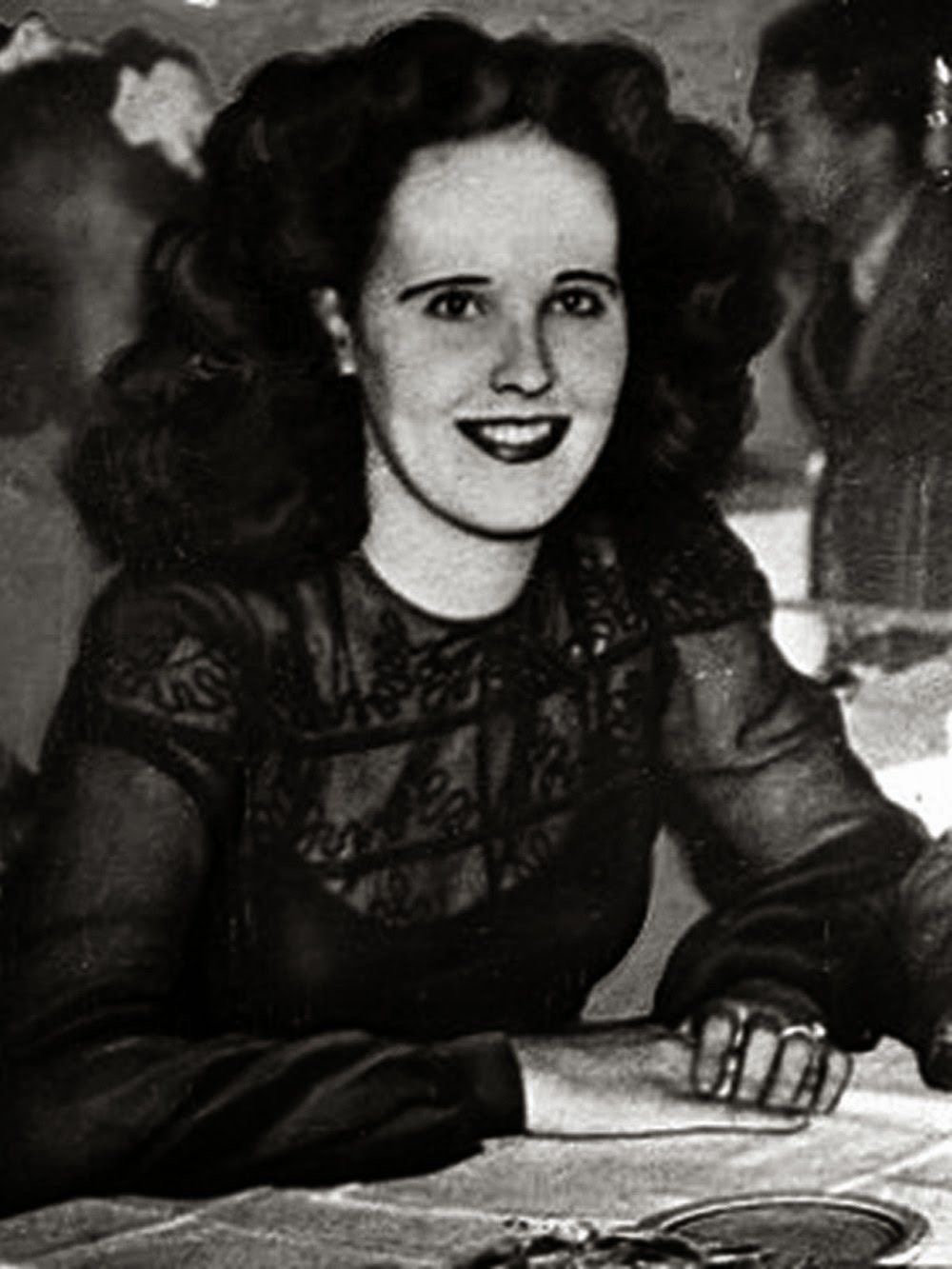
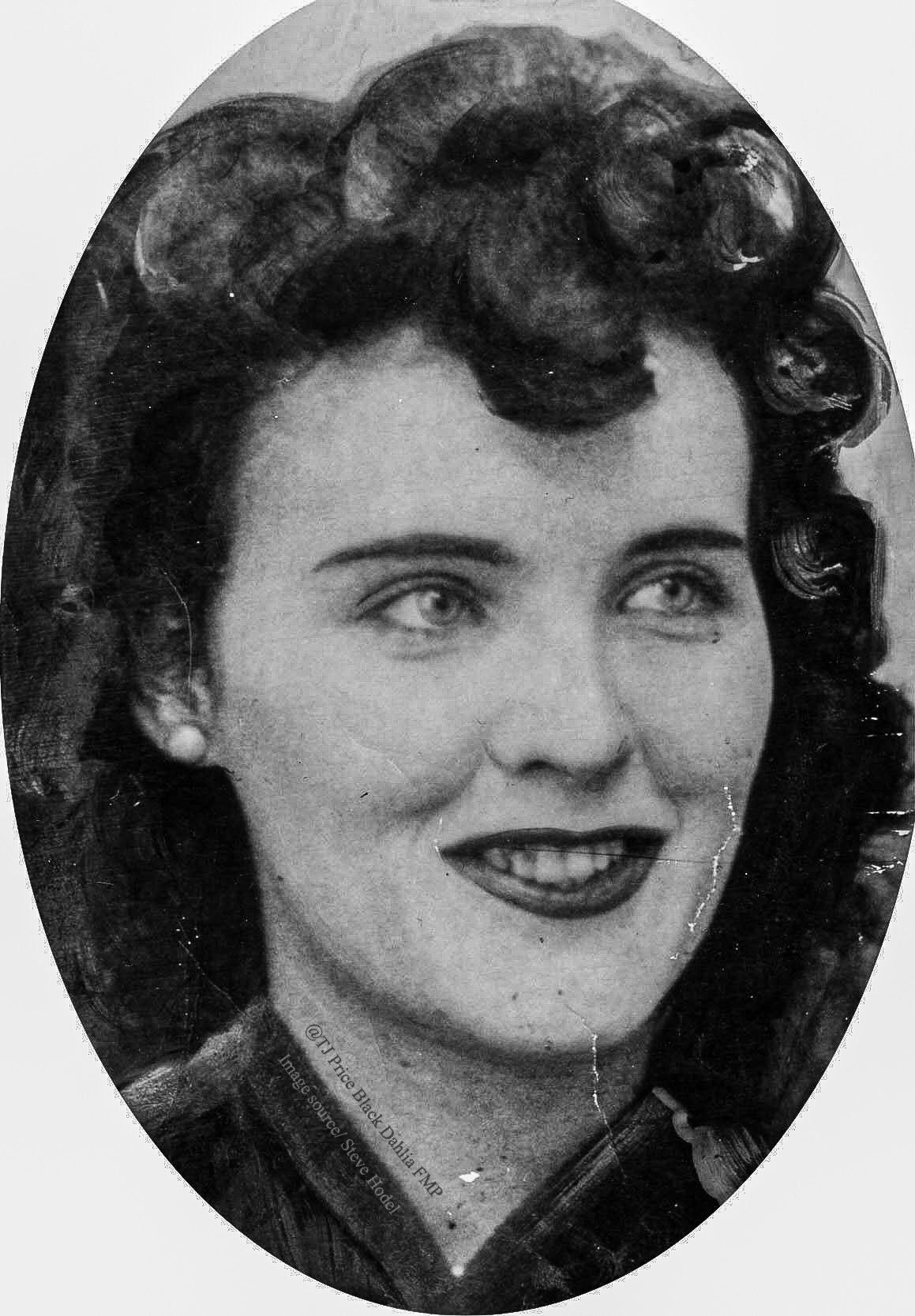
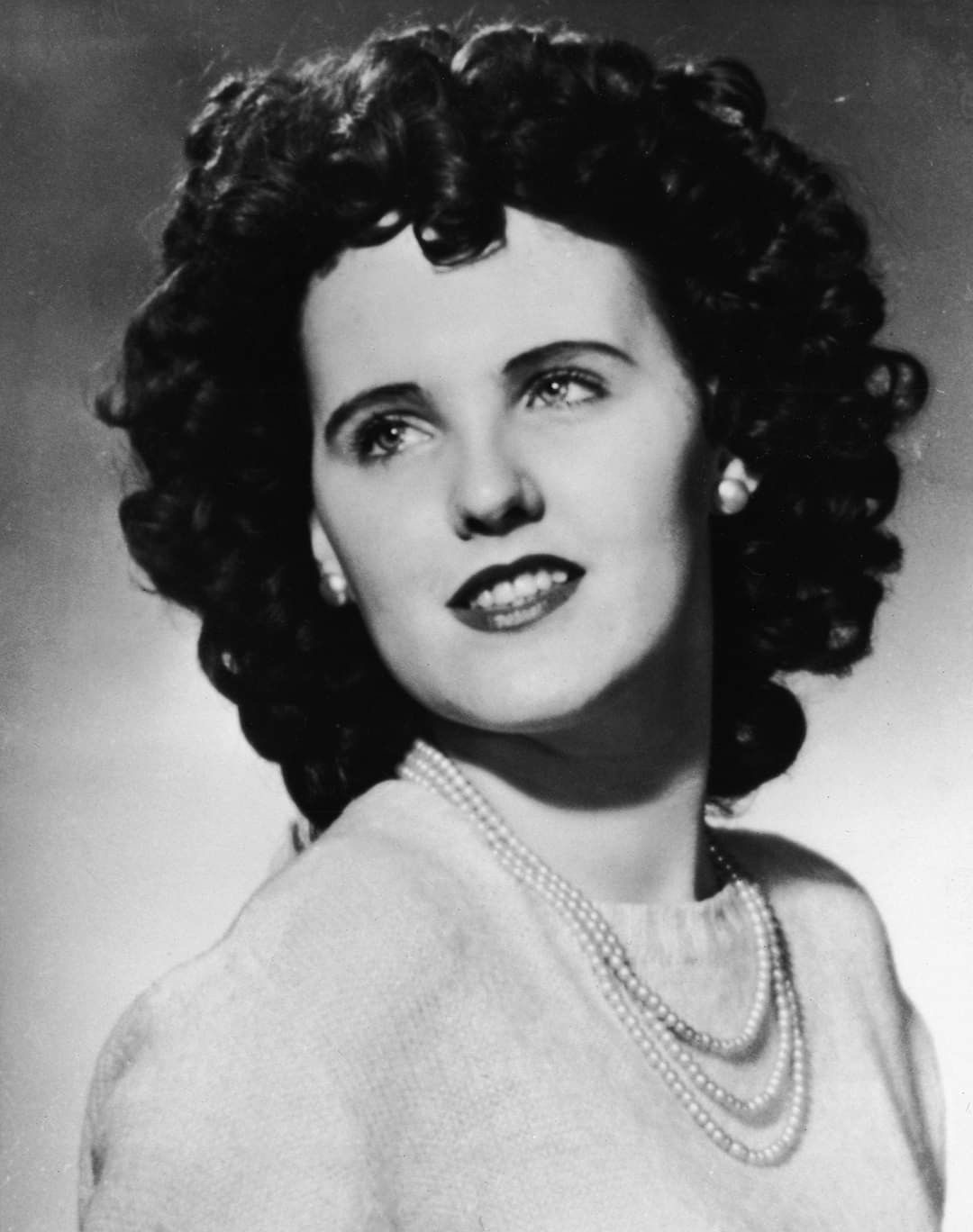
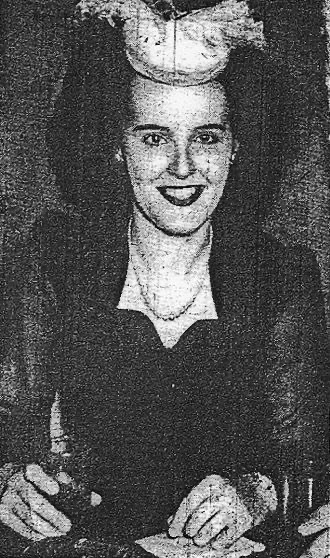
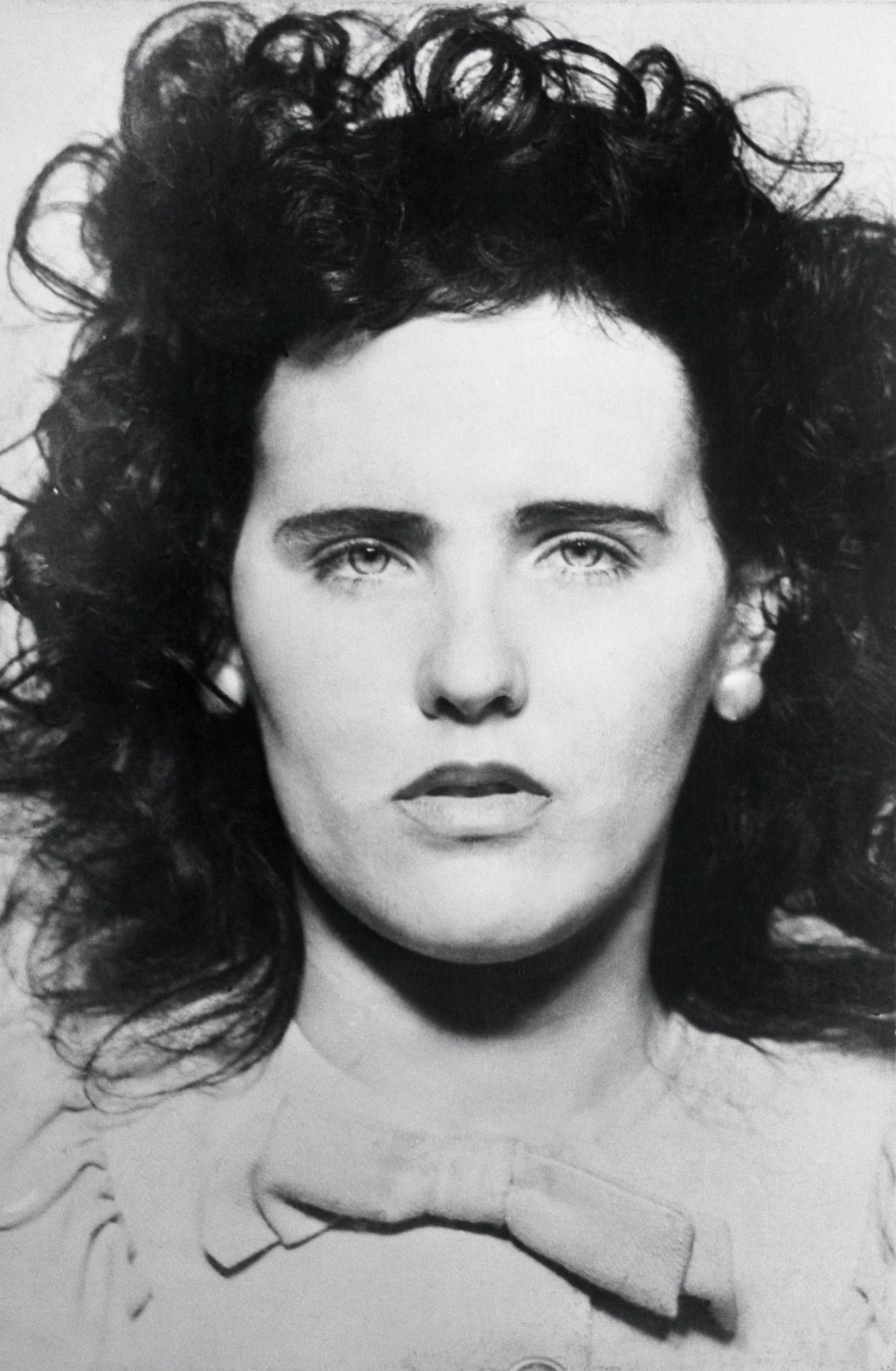
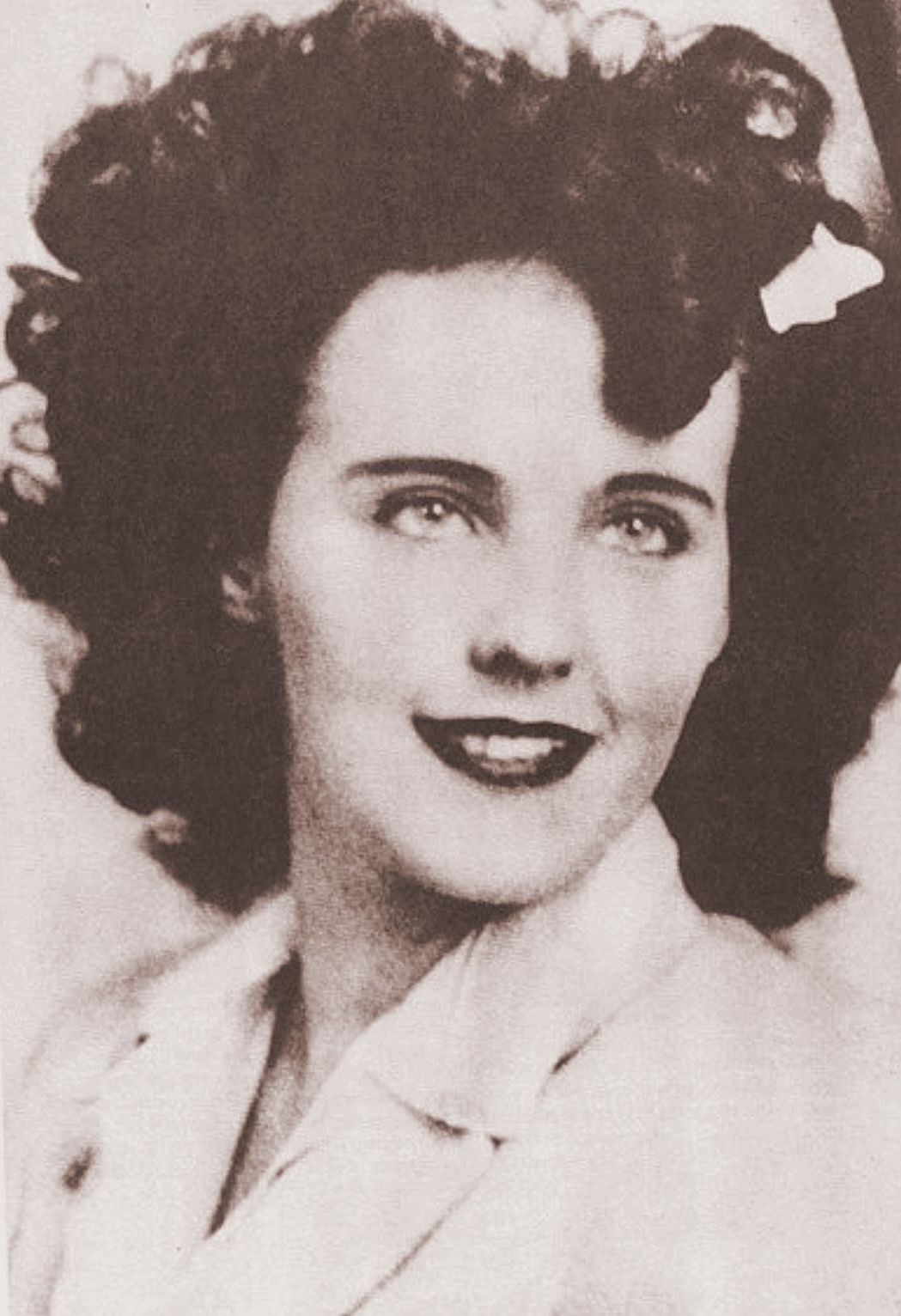
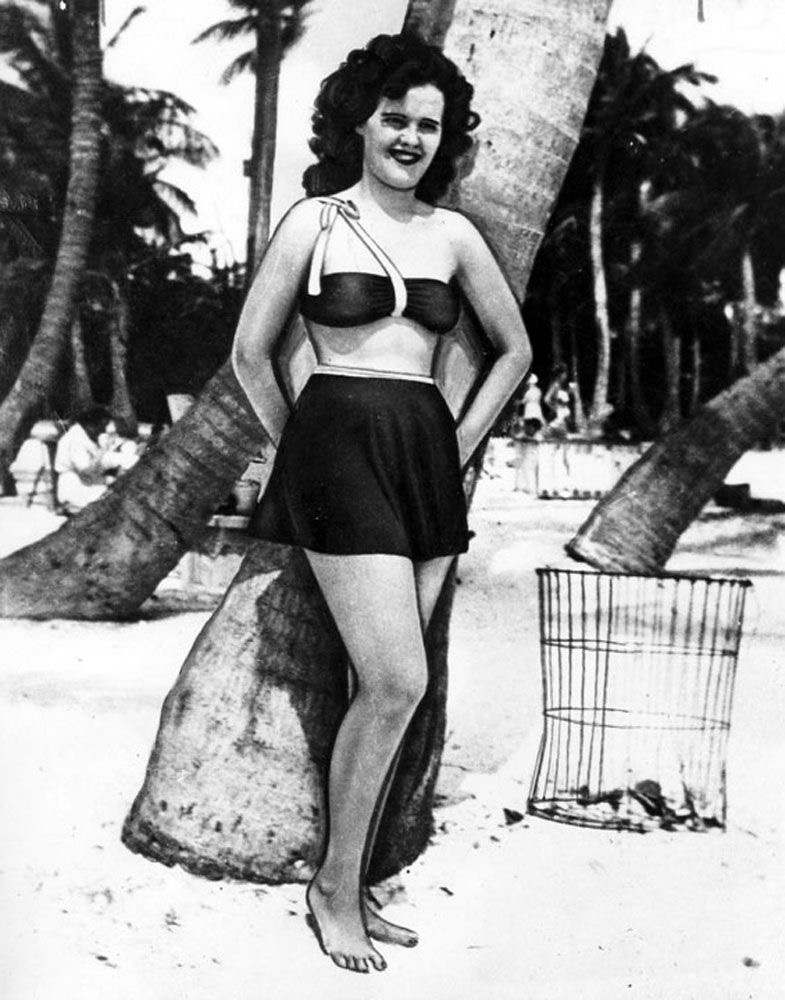
She was young, radiant, and chasing stardust in post-war Los Angeles. Elizabeth Short (forever frozen in time as the "Black Dahlia") became more than just a name in a headline. She became a legend wrapped in velvet shadows and unanswered questions. Beneath the tragic infamy lies a real woman with dreams, heartbreaks, and secrets the tabloids never touched.
This isn’t just another true crime tale. This is a walk down the smoke-filled alleys of 1940s L.A., a time when dames were dazzling, the men wore fedoras, and the city kept its darkest whispers just out of earshot.
Think you know her story? Think again. We’ve peeled back the pulp fiction, dodged the rumors, and dug up the story that even old Hollywood didn’t want you to know. Click through, if you dare. The truth is stranger, sadder, and more seductive than any script ever written.
1
Who Was Elizabeth Short?
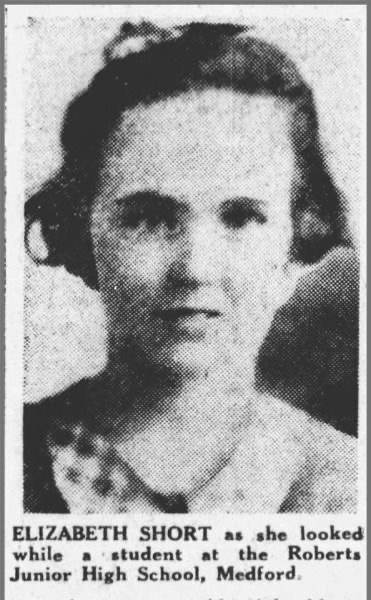
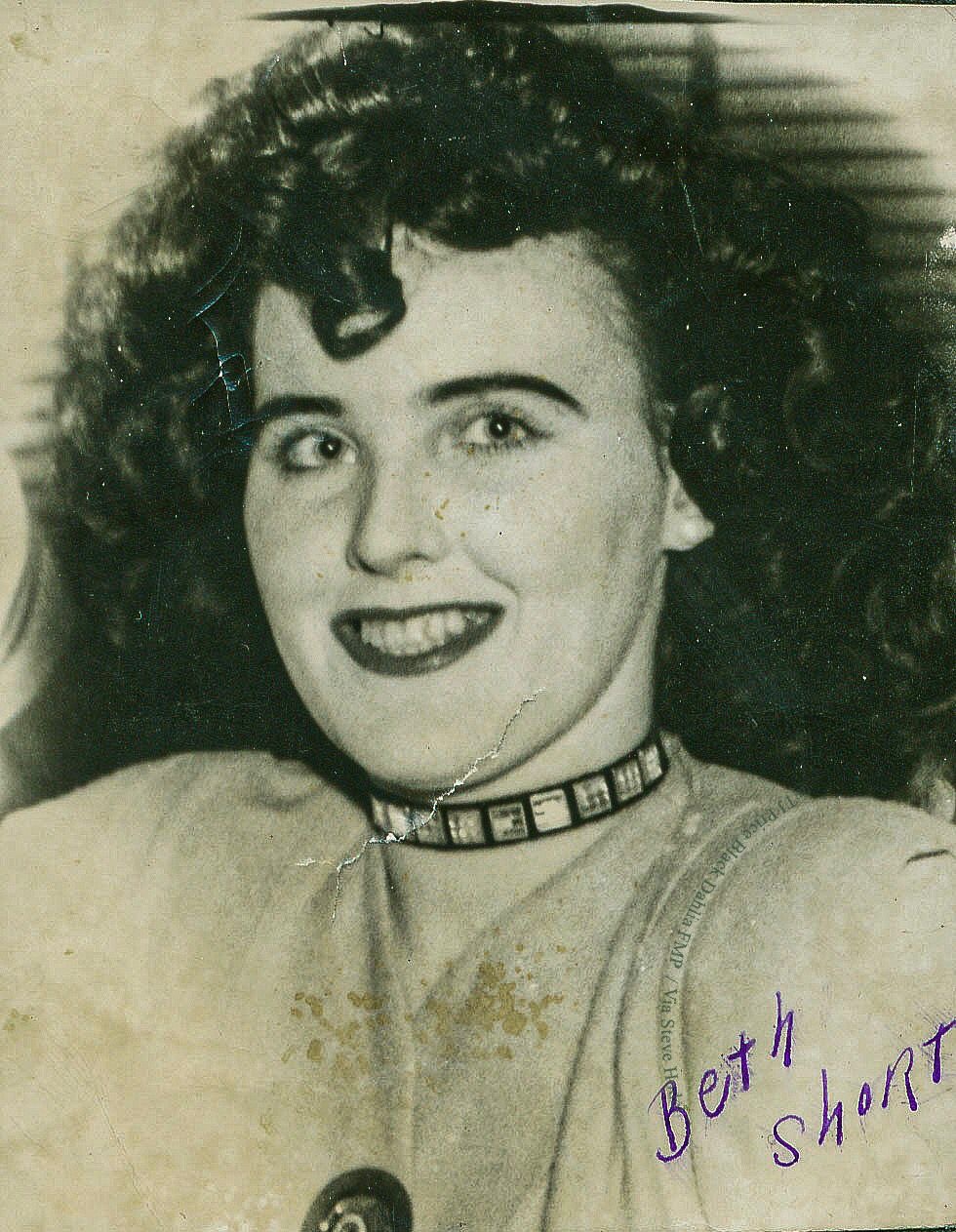
Born in Boston on July 29, 1924, Elizabeth Short was one of five daughters. She spent her youth between Massachusetts and Florida, eventually heading west with aspirations of becoming an actress.
2
Dreams in the City of Angels
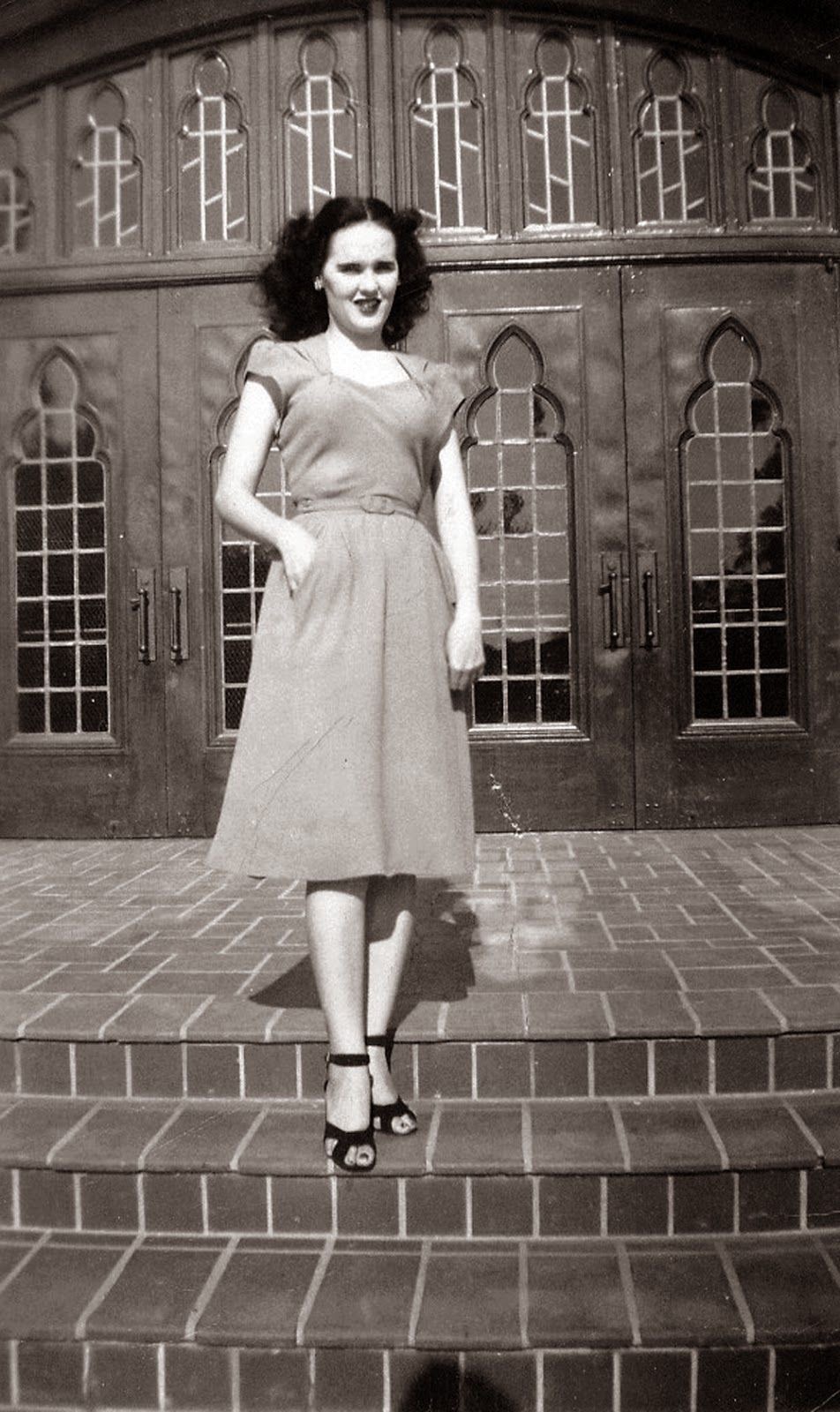
Elizabeth arrived in Los Angeles in her early twenties, drawn by the promise of Hollywood. She was known for her striking style, graceful demeanor, and polite charm, though she never landed a film role.
3
A Disturbing Discovery
On the morning of January 15, 1947, a local woman in Los Angeles discovered Elizabeth’s body in an empty lot. The unusual condition in which it was found immediately drew public and police attention.
4
A Nickname is Born
After her death, the press gave her the nickname “The Black Dahlia.” It was inspired by her preference for black clothing and a popular film noir of the time called The Blue Dahlia.
5
Media Sensation
The case quickly made national headlines. Newspapers published speculative and often exaggerated reports, turning Elizabeth’s story into a media spectacle. Many articles focused more on scandal than facts.
6
The Police Investigation Begins
LAPD detectives launched one of the largest investigations in the city’s history. Over 150 suspects were questioned. Detectives followed thousands of leads in hopes of solving the case.
7
Misdirection and False Leads
The intense media attention led to numerous people falsely confessing or sending misleading letters to authorities. Some even claimed to be the killer, adding confusion to an already difficult case.
8
George Hodel: A Key Figure
Decades later, suspicion would fall on Dr. George Hodel, a wealthy Los Angeles physician. He had a complex and controversial history. His son, Steve Hodel, a former LAPD detective, later accused him of involvement.
9
Secret Surveillance
In the 1950s, George Hodel’s home was secretly bugged by LAPD during an unrelated investigation. Some of the recorded conversations appeared suspicious, but no charges were ever filed.
10
Public Reaction and Pressure
The public was both fascinated and horrified. Pressure mounted on the LAPD, and the media continued to publish new theories. The investigation suffered from both overexposure and under-resourcing.
11
The Woman Behind the Headlines
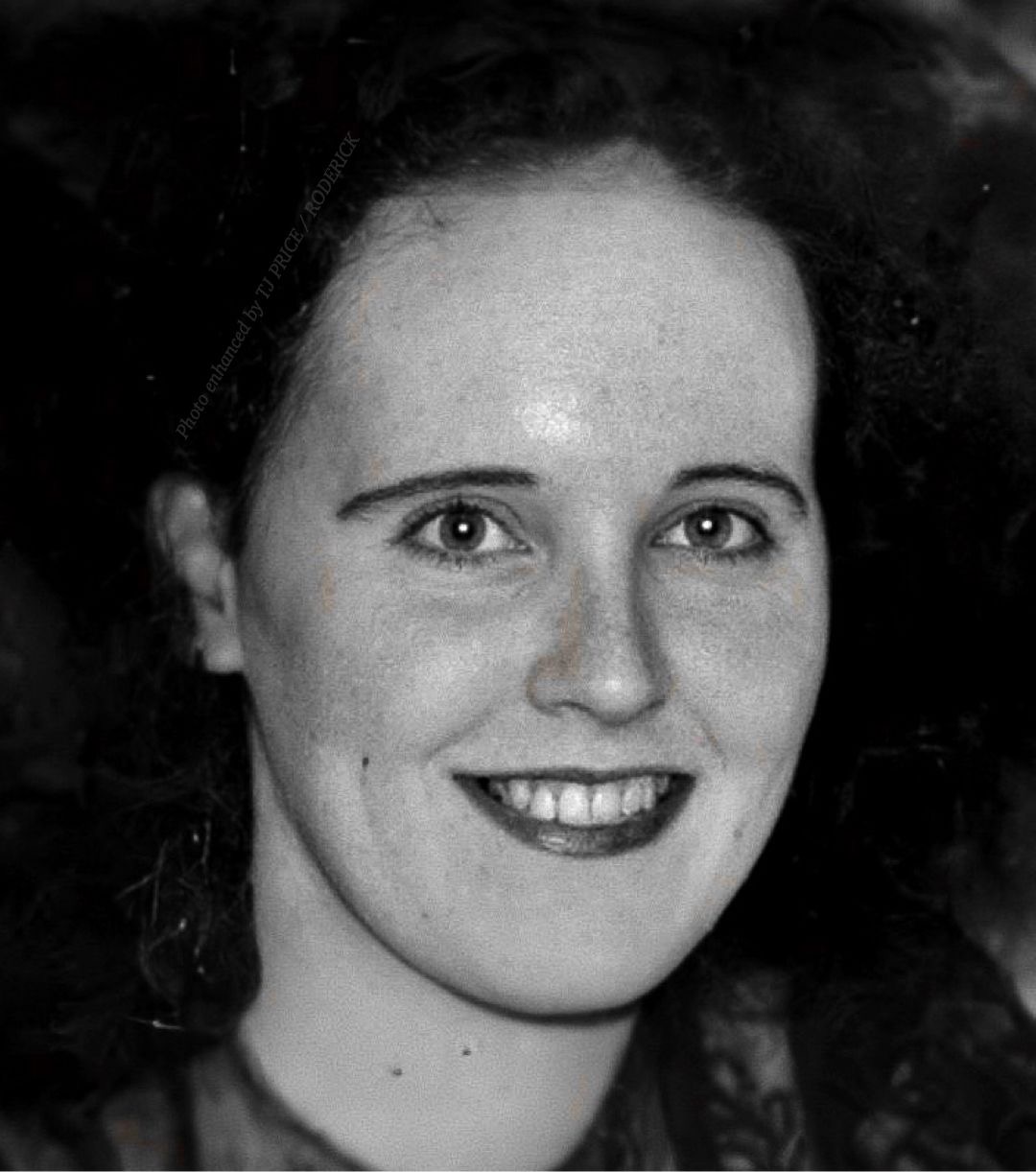
In life, Elizabeth was known for her soft-spoken nature and gentle personality. She kept in touch with her family and friends and often spoke about her dreams and future. She was more than the image created by the media.
12
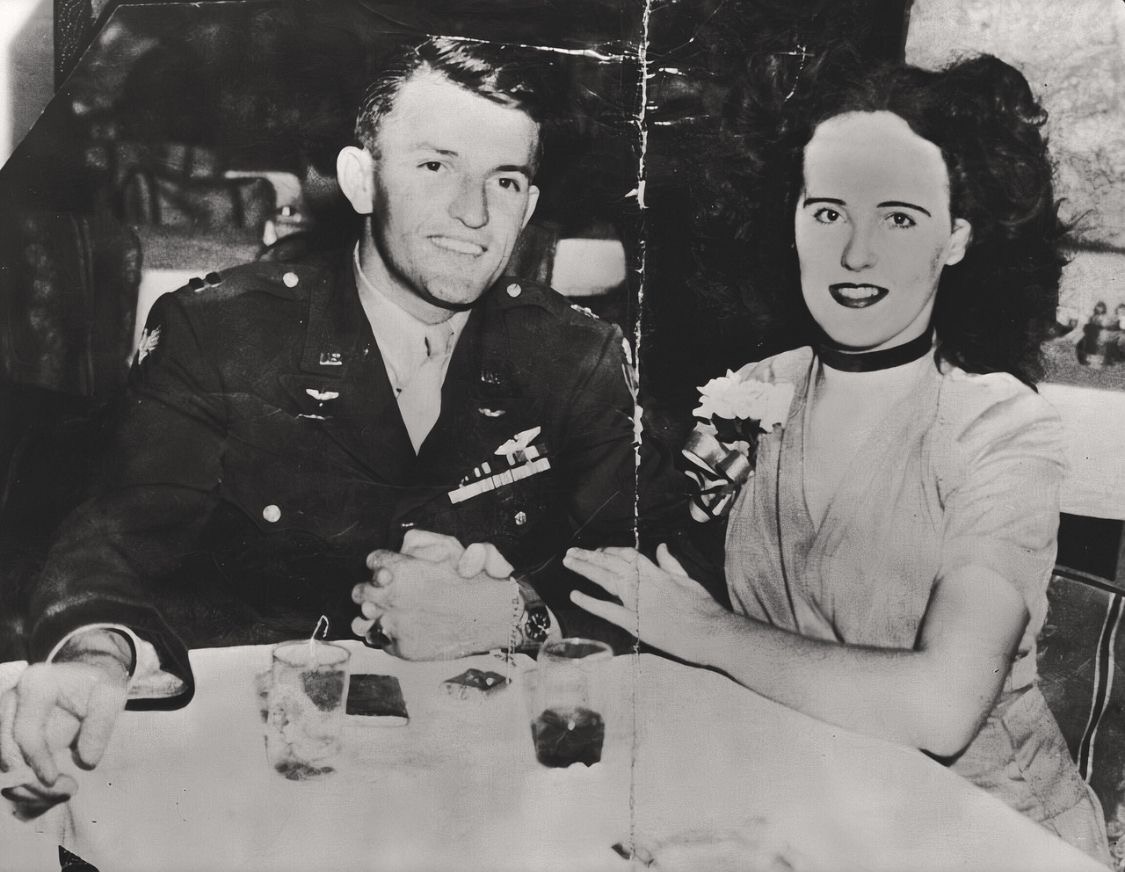
Her Romantic Life
Elizabeth had several boyfriends over the years. She was romantically involved with a few servicemen, including a pilot who passed away during World War II.
13
Was Elizabeth Ever in Jail?
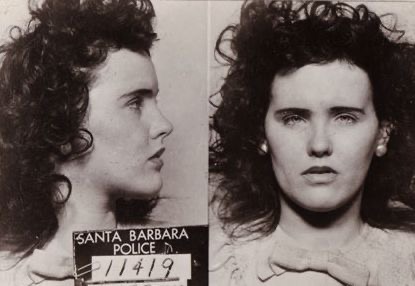
She was once briefly detained in Santa Barbara in 1943 for underage drinking at a bar, a common offense among young people during wartime. She was sent back to live with family in Massachusetts afterward.
14
Did She Have Secrets?
Like many young women trying to make it on their own, Elizabeth faced struggles. She often moved between cities, stayed with friends or acquaintances, and sometimes told small untruths; possibly to protect herself or make a good impression.
15
Her Life Was Not Glamorous
Contrary to the image painted by newspapers, Elizabeth did not live a glamorous life. She often had little money, relied on the kindness of others for a place to stay, and faced the same challenges many young women did while trying to find work and security in post-war America.
16
A Cold Case
Despite early efforts, the case gradually went cold. Elizabeth Short’s death was never officially solved, and her file remains open to this day. It is considered one of LA’s most famous cold cases.
17
Hollywood and the Black Dahlia
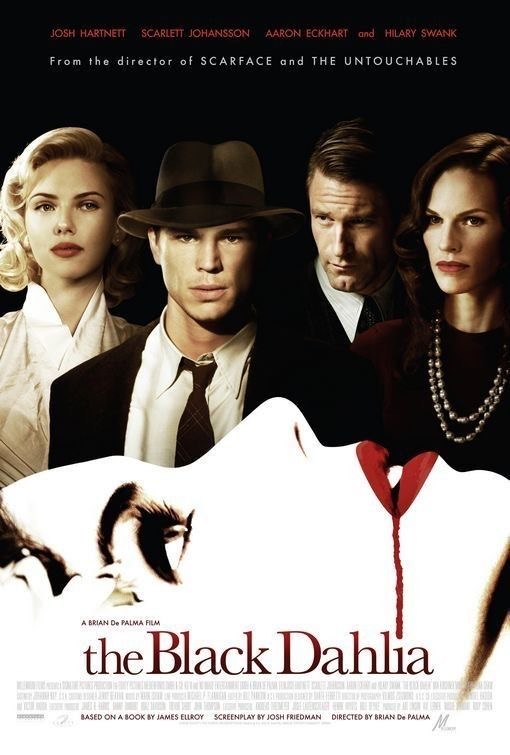
Elizabeth’s story became woven into the fabric of Hollywood’s darker history. Her case has been referenced in countless films, books, and shows, often blending fact with fiction.
18
Other Suspects and Theories
Over the years, dozens of theories emerged ranging from individual suspects to conspiracy-based ideas involving organized crime or corruption. None have been definitively proven.
19
Impact on Law Enforcement
The Black Dahlia case highlighted major gaps in crime-solving and evidence preservation at the time. It also revealed the dangers of media interference and public pressure on investigations.
20
In Memory of Elizabeth Short
Though the mystery remains, Elizabeth’s story reminds us to seek truth with integrity, to treat every life with dignity, and to never forget the real person behind the headlines.