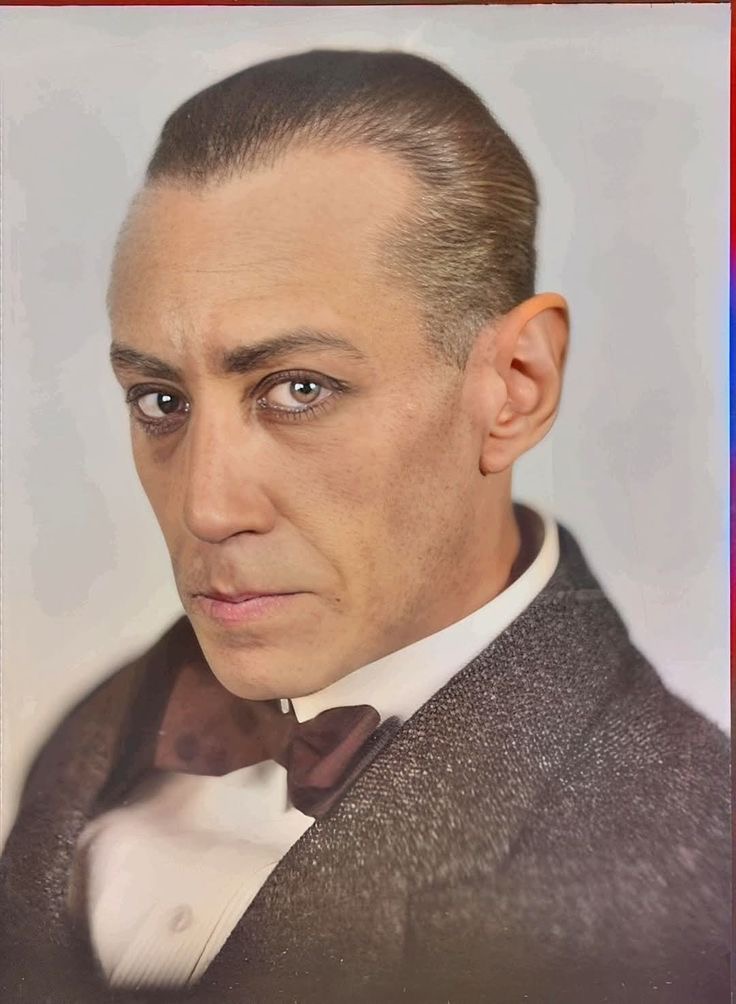
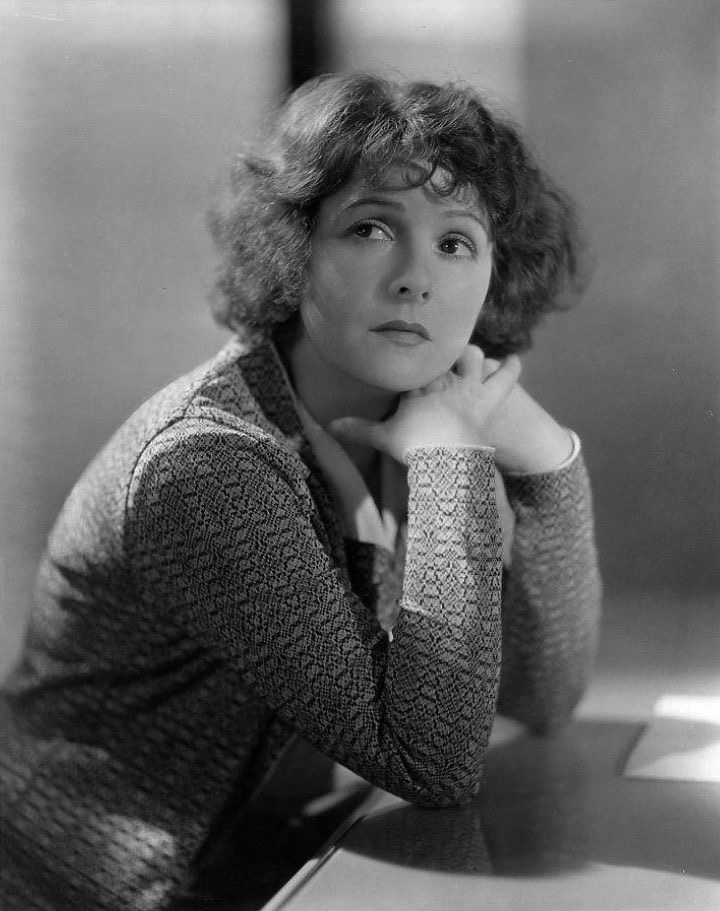
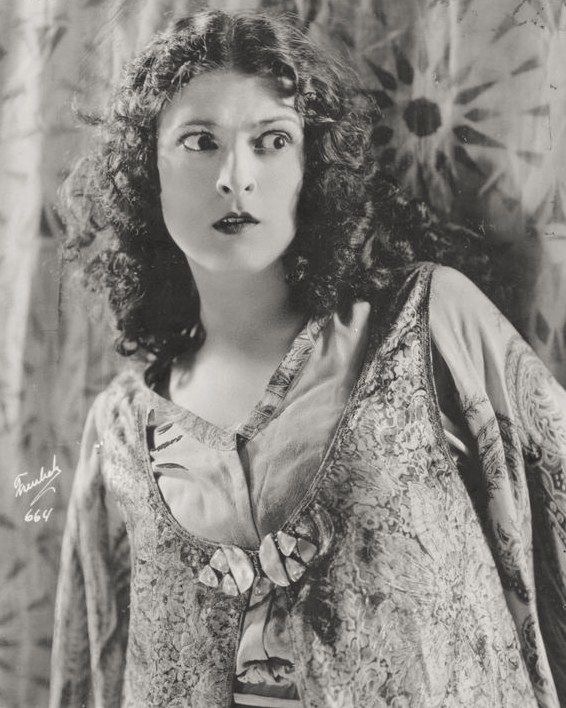
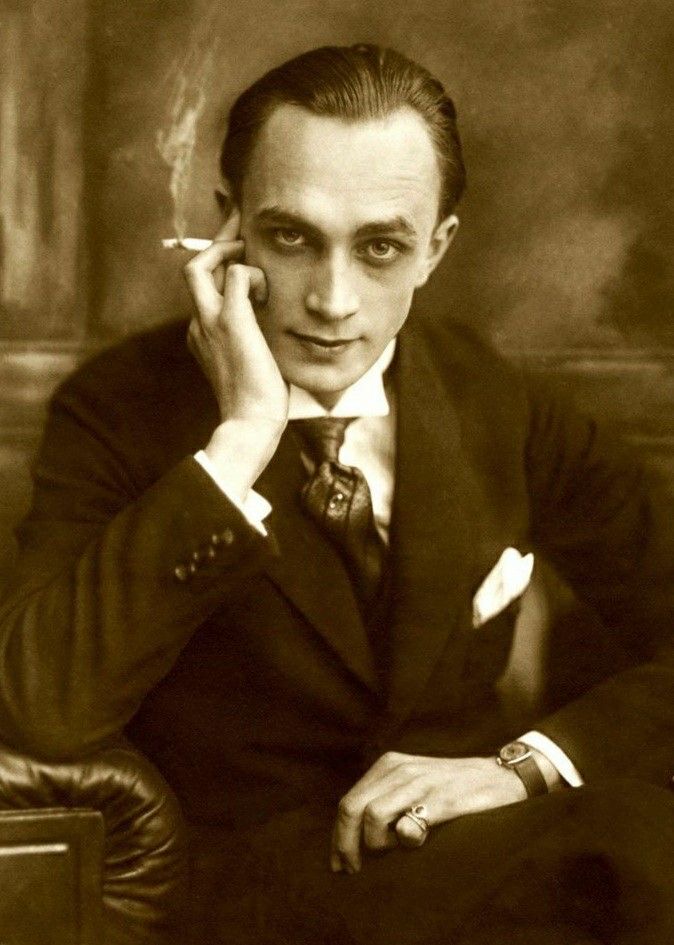
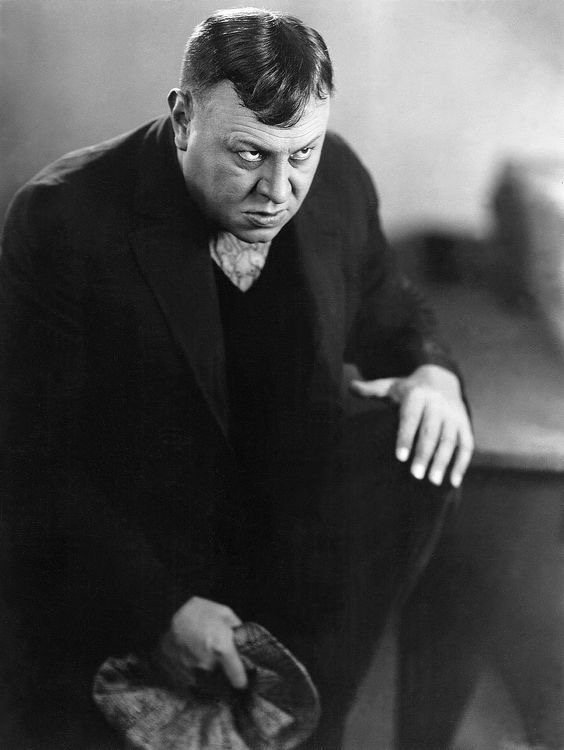
Before synchronized sound transformed cinema, silent film actors relied entirely on physical expression to convey character and emotion. Among their most powerful tools were their eyes, able to reveal fear, passion, humor, or mystery in a single unforgettable look. This slideshow celebrates the performers whose gazes shaped early film history.
Actors like Lon Chaney, with his haunting, transformative stare, Louise Brooks, whose cool, intelligent gaze defined 1920s modernity, and Conrad Veidt, whose piercing eyes became the visual heart of German Expressionism, used their faces as instruments of storytelling. Without words, they built characters that felt vivid and alive, influencing the language of cinema for generations.
As you move through these slides, you’ll discover how each star turned a simple glance into a moment of drama, seduction, or mystery; proof that, in the silent era, eyes truly spoke louder than words.
1
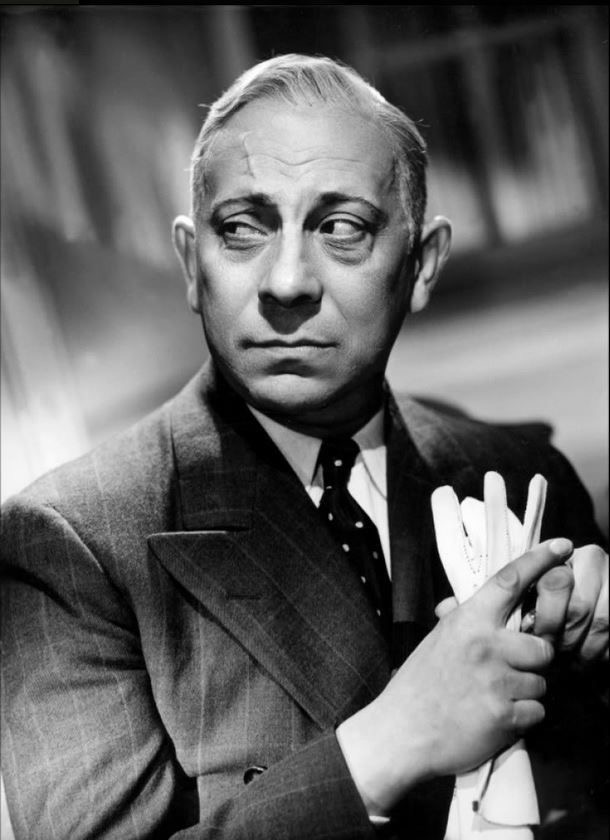
Erich von Stroheim
Actor and director known for playing calculating villains and aristocrats, von Stroheim had a commanding, hawk-like gaze. His intense stare underscored his roles’ cruelty, precision, and dark magnetism.
2
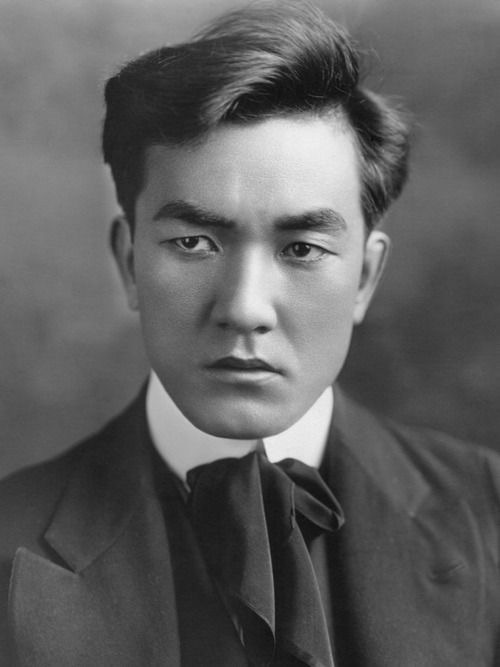
Sessue Hayakawa
One of Hollywood’s first international superstars, Hayakawa projected quiet intensity and emotional nuance. His soulful eyes gave depth to his romantic and dramatic roles, challenging stereotypes of early cinema.
3
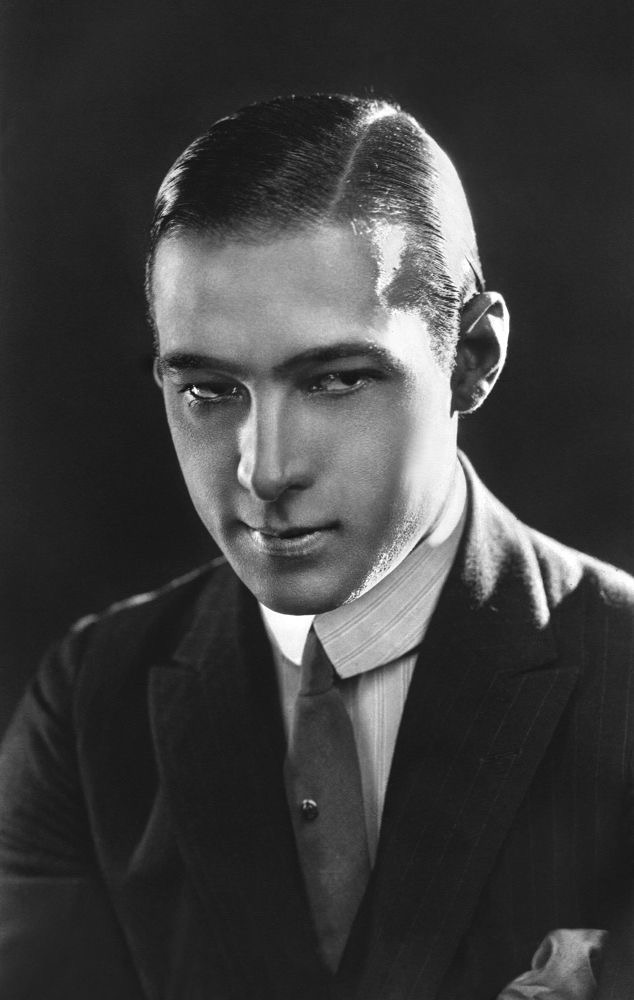
Rudolph Valentino
The original matinee idol, Valentino electrified audiences with his romantic screen persona. His brooding, seductive eyes turned films like The Sheik into cultural phenomena and made him an enduring icon.
4
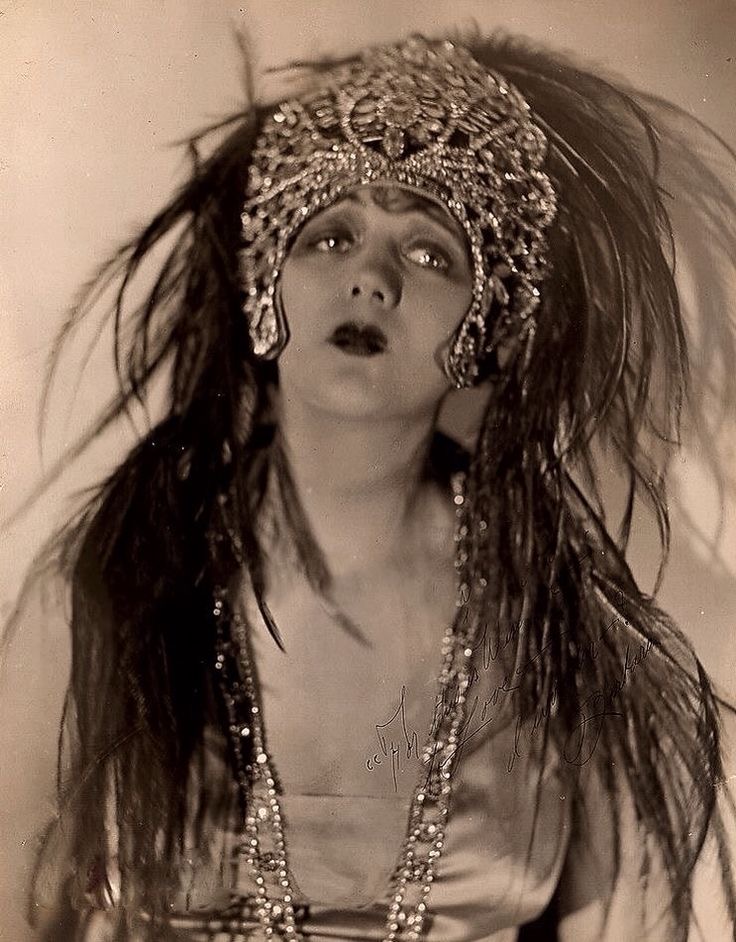
Barbara La Marr
A glamorous star nicknamed “The Girl Who Is Too Beautiful,” La Marr brought dramatic fire and sensuality to the screen. Her striking, intense eyes helped define her tragic, alluring screen persona.
5
Max Schreck
The mysterious actor behind Nosferatu’s Count Orlok, Schreck used his eerie, otherworldly eyes to create one of horror cinema’s most iconic monsters. His performance remains chilling nearly a century later.
6
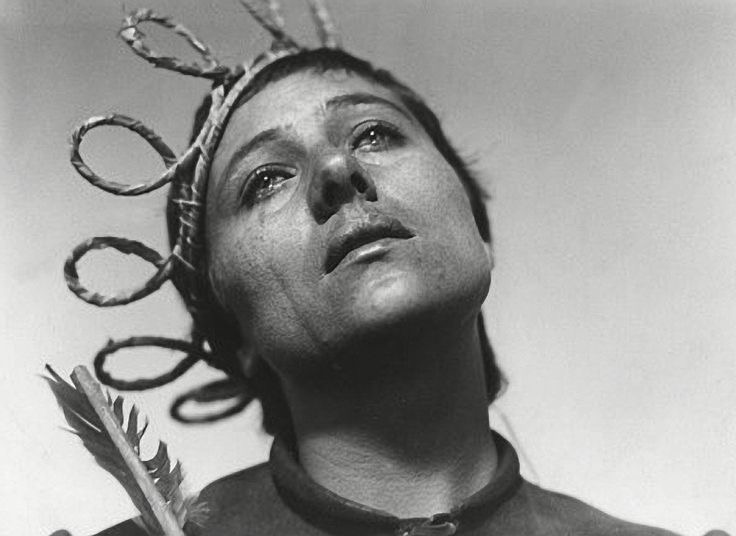
Maria Falconetti
Best known for her transcendent performance in The Passion of Joan of Arc, Falconetti delivered one of cinema’s greatest portrayals. Her eyes carried the entire emotional weight of the film with astonishing intensity.
7
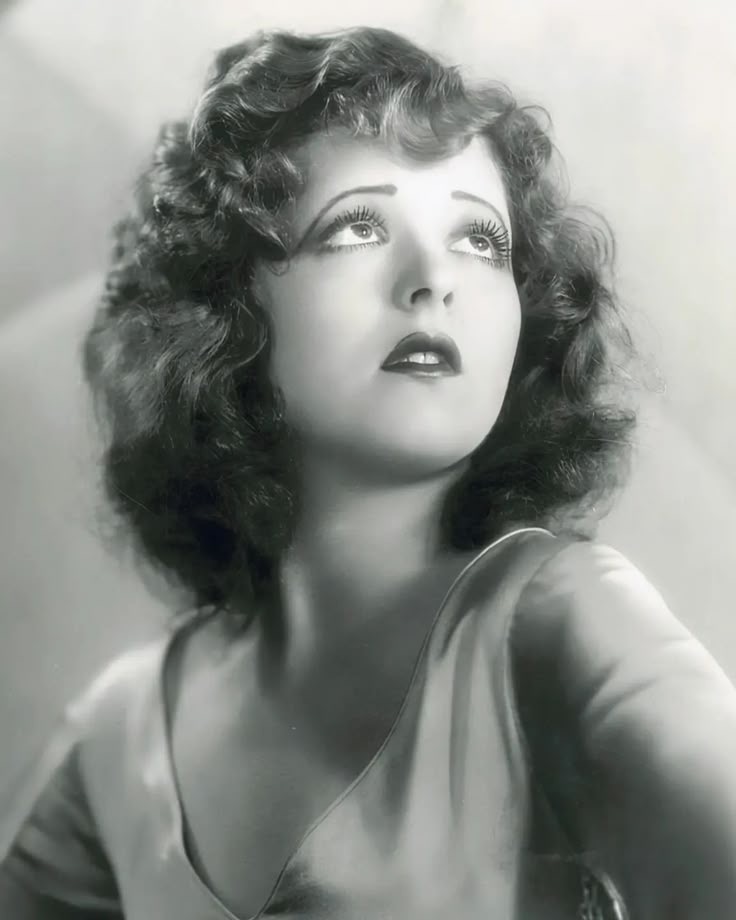
Clara Bow
The quintessential “It Girl,” Bow embodied the energy and spirit of the Roaring Twenties. Her fiery eyes and electric expressions made her a natural comedic and dramatic performer in the late silent era.
8
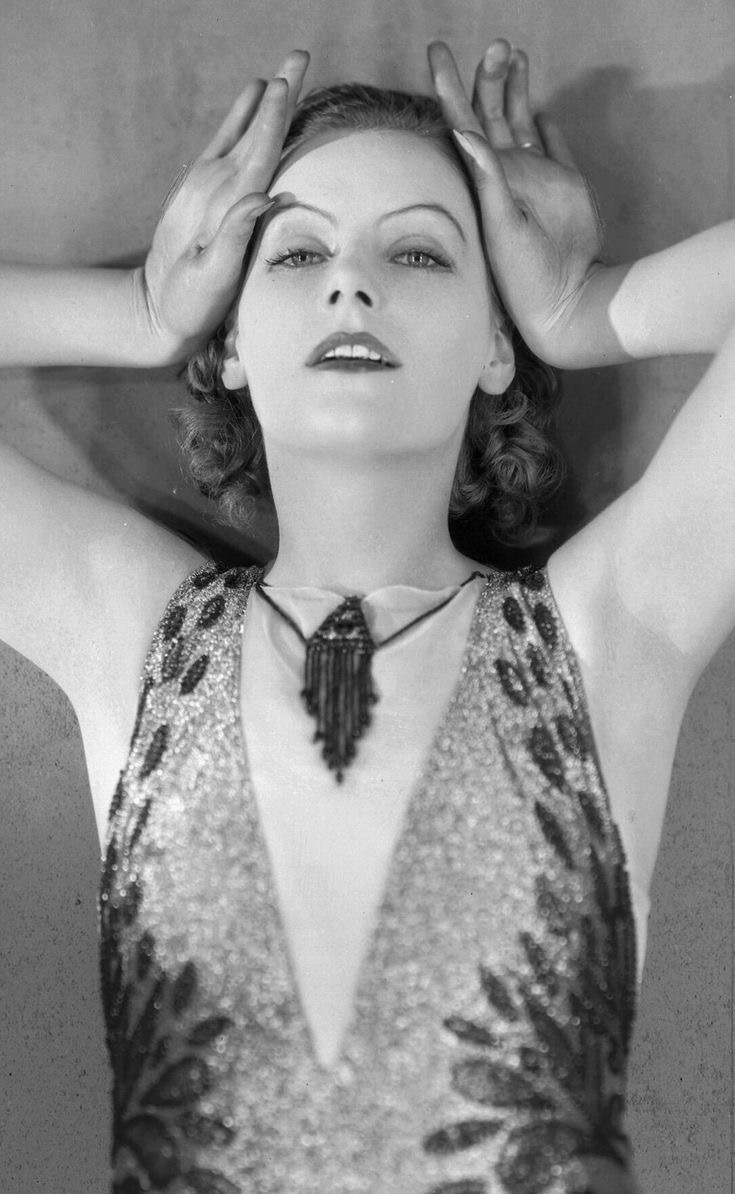
Greta Garbo
Beginning in the silent era, Garbo’s enigmatic beauty and dreamy, introspective eyes made her one of cinema’s greatest stars. She mastered screen stillness, turning close-ups into pure emotional poetry.
9
Norma Talmadge
A leading dramatic actress of the 1910s and 1920s, Talmadge was known for her emotional range. Her expressive eyes brought sophistication and subtlety to the melodramas that made her a box-office titan.
10
Priscilla Dean
A tough, dynamic actress who played rebellious, streetwise heroines, Dean brought fierce energy to the screen. Her wide, expressive eyes added emotional depth and wild charisma to her performances.
11
Conrad Veidt
German Expressionist icon best known for The Cabinet of Dr. Caligari, Veidt brought a haunting, angular intensity to the screen. His piercing eyes became symbols of the unsettling beauty of Weimar-era cinema.
12
Emil Jannings
One of the silent era’s most powerful dramatic actors, Jannings excelled in tragic and tormented roles. His heavy, sorrowful eyes made him unforgettable in films like The Last Laugh.
13
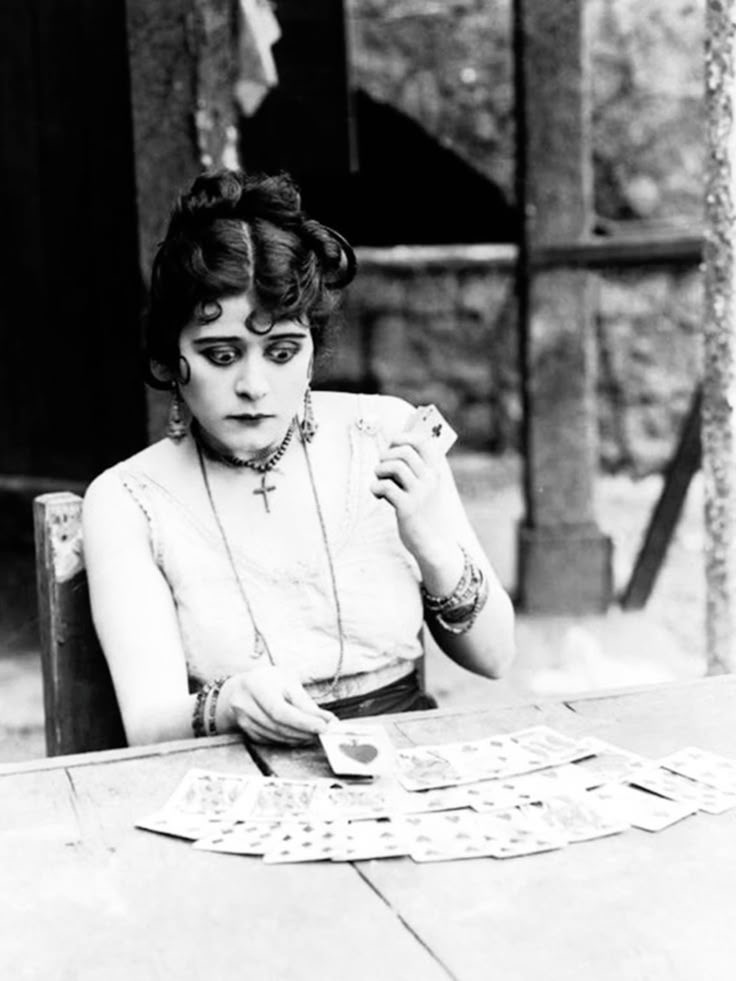
Theda Bara
One of Hollywood’s earliest s*x symbols, Bara crafted the image of the seductive “vamp.” Her heavily lined, smoldering eyes helped define the era’s fascination with dangerous femininity and exotic glamour.
14
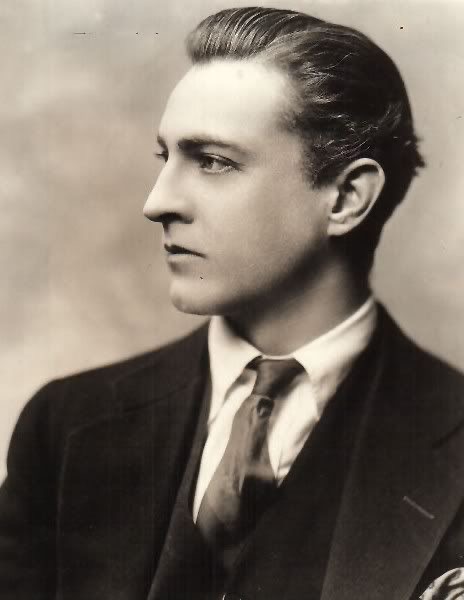
John Barrymore
A major stage and film star known as “The Great Profile,” Barrymore brought dramatic intensity and screen presence to silent classics. His penetrating eyes anchored his roles in early romantic dramas and horror films.
15
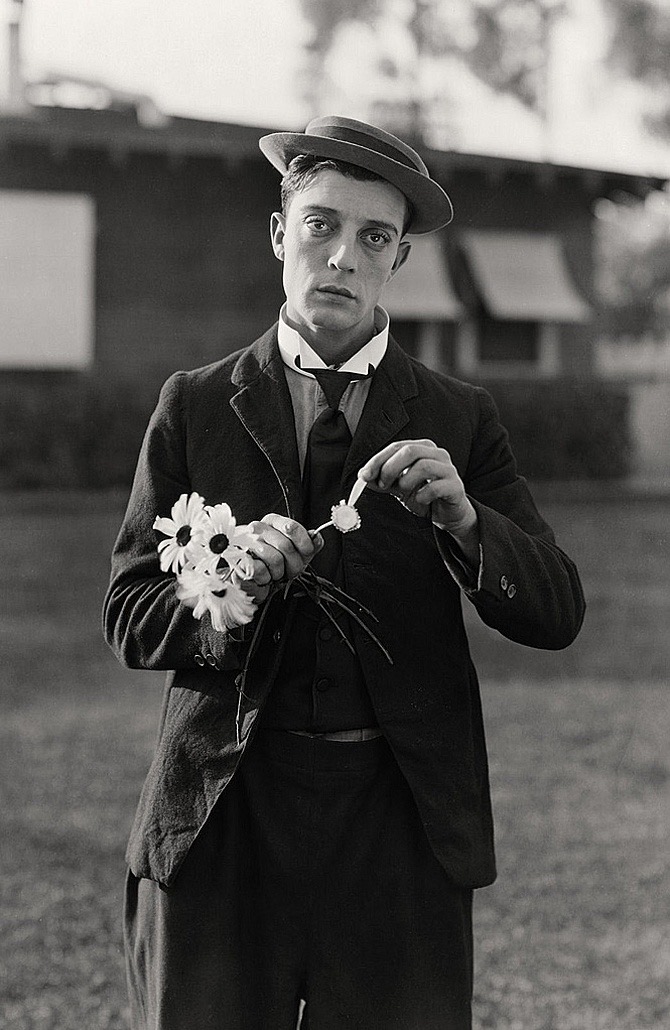
Buster Keaton
The great deadpan comedian of the silent era, Keaton used his famously expressionless “Stone Face” to brilliant effect. His still, focused eyes made his acrobatic stunts and visual humor even more striking.
16
Lillian Gish
Often called the “First Lady of American Cinema,” Gish mastered delicate, emotional storytelling. Her large, luminous eyes conveyed vulnerability, strength, and deep inner life in classics like Broken Blossoms.
17
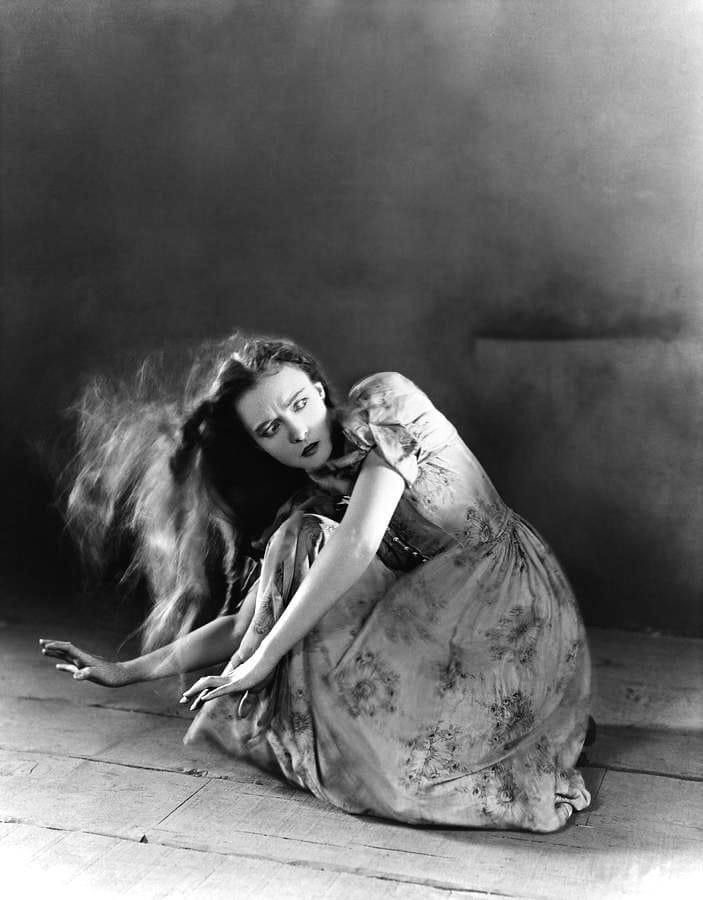
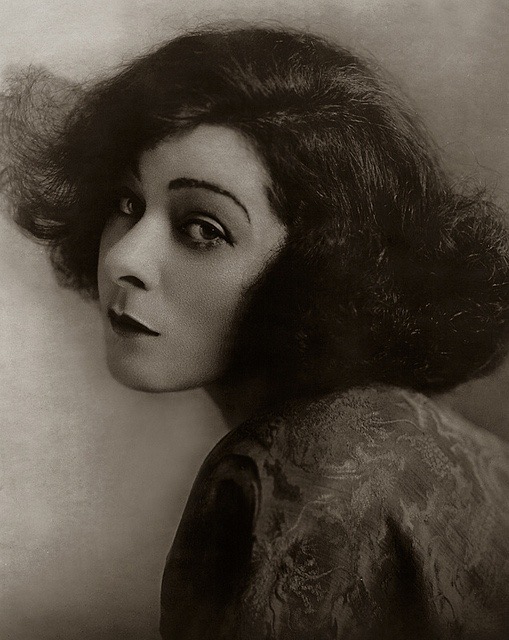
Alla Nazimova
A theatrical genius and avant-garde film star, Nazimova brought an almost mystical intensity to her silent performances. Her expressive eyes enhanced her daring, often experimental roles and productions.
18
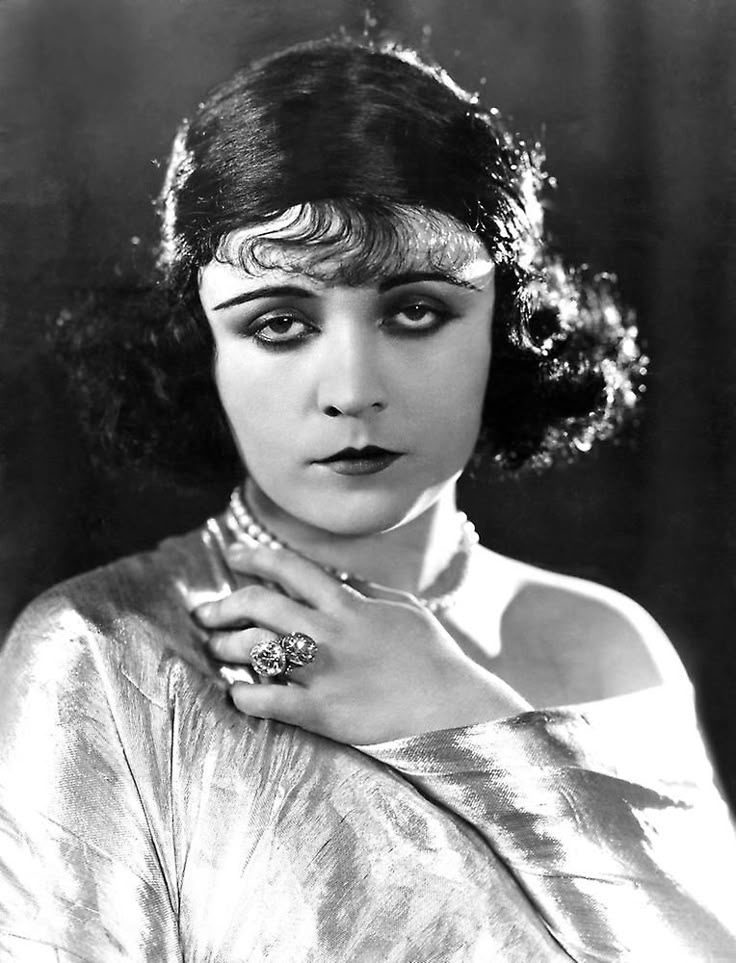
Pola Negri
Polish-born superstar of both European and Hollywood cinema, Negri embraced dramatic, femme-fatale roles. Her sultry, expressive eyes helped establish the template for glamorous foreign stars of early film.
19
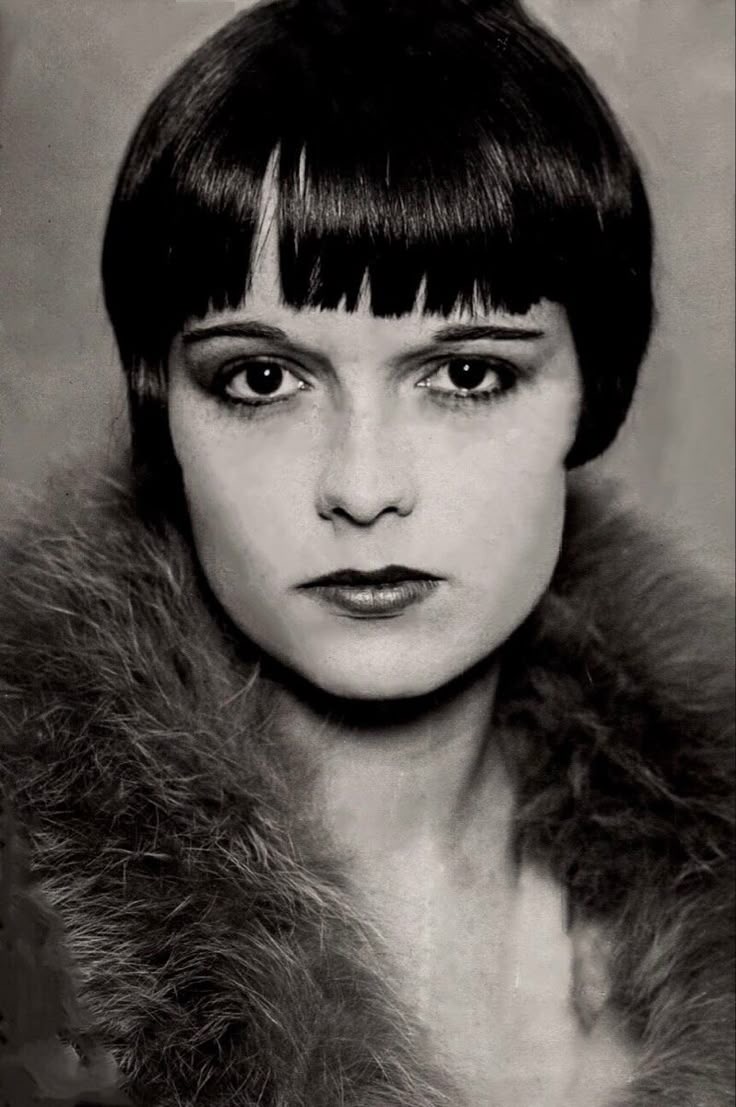
Louise Brooks
An American actress who became the face of 1920s modernity, Brooks is most famous for Pandora’s Box. Her cool, intelligent gaze and iconic black bob turned her into an enduring symbol of silent-era sophistication.
20
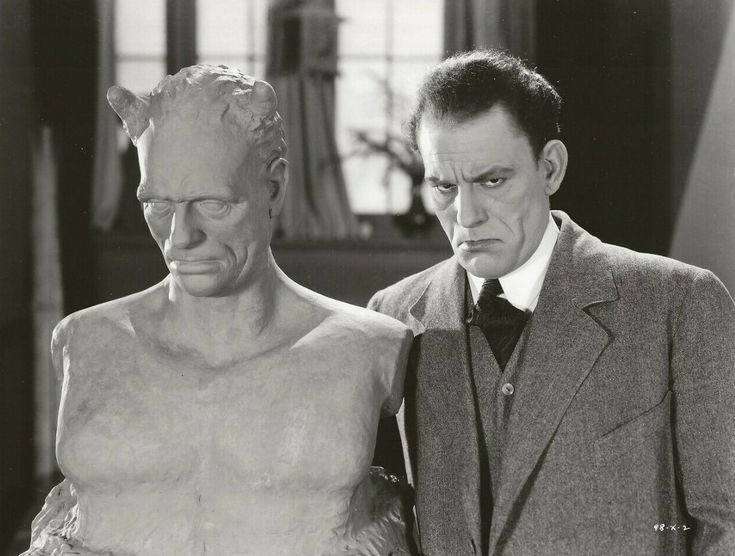
Lon Chaney
Legendary “Man of a Thousand Faces,” Chaney revolutionized screen acting with extreme makeup, physical transformation, and emotionally powerful performances in films like The Phantom of the Opera.