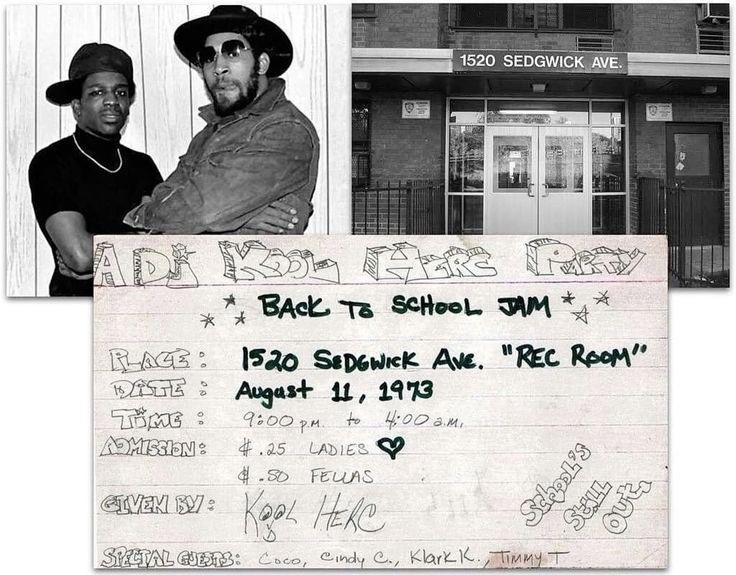
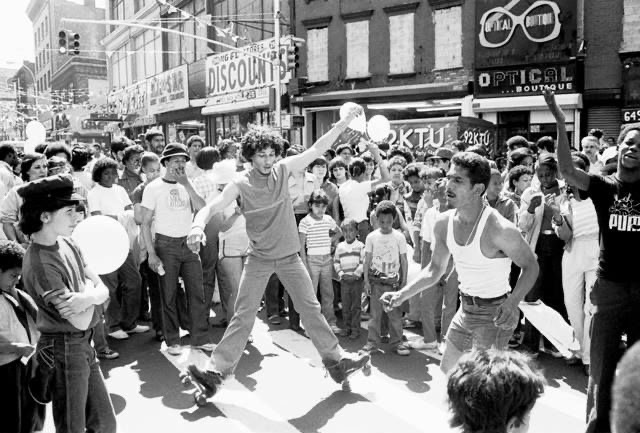
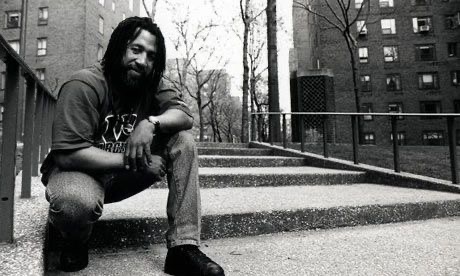
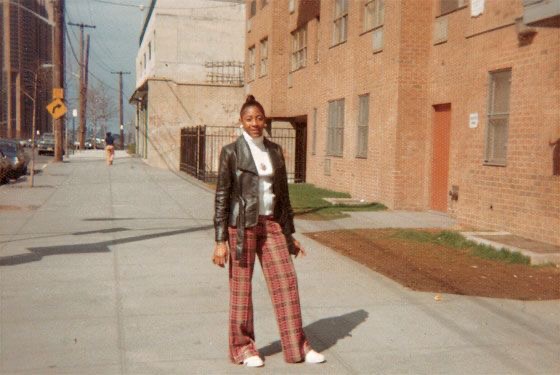
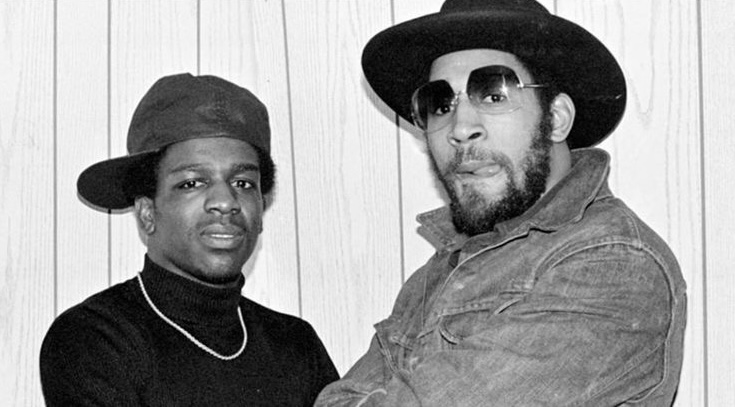
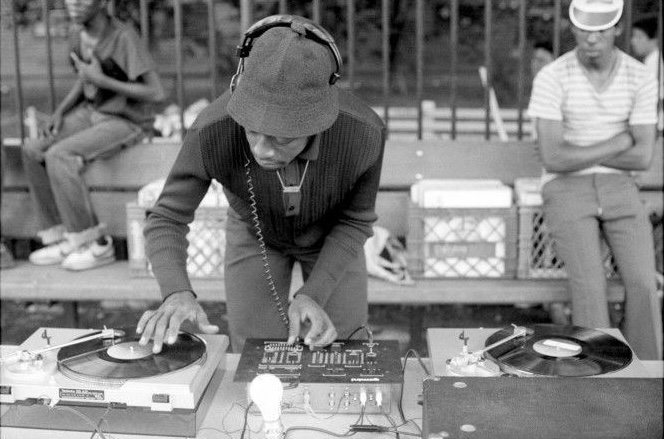
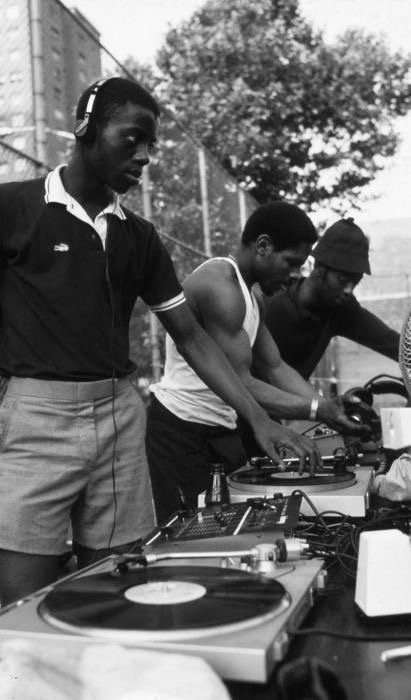
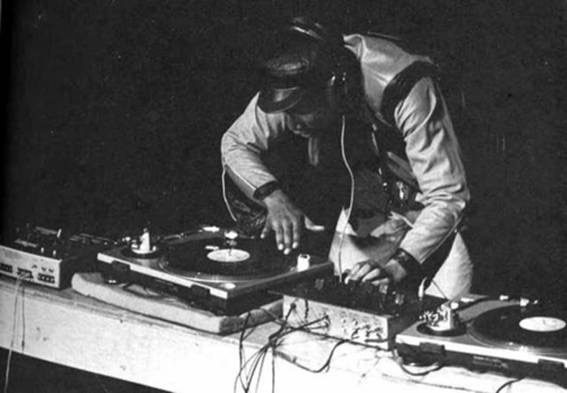
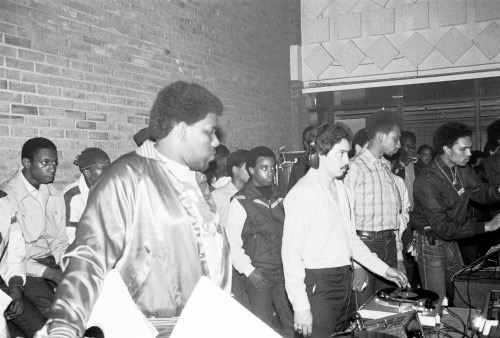
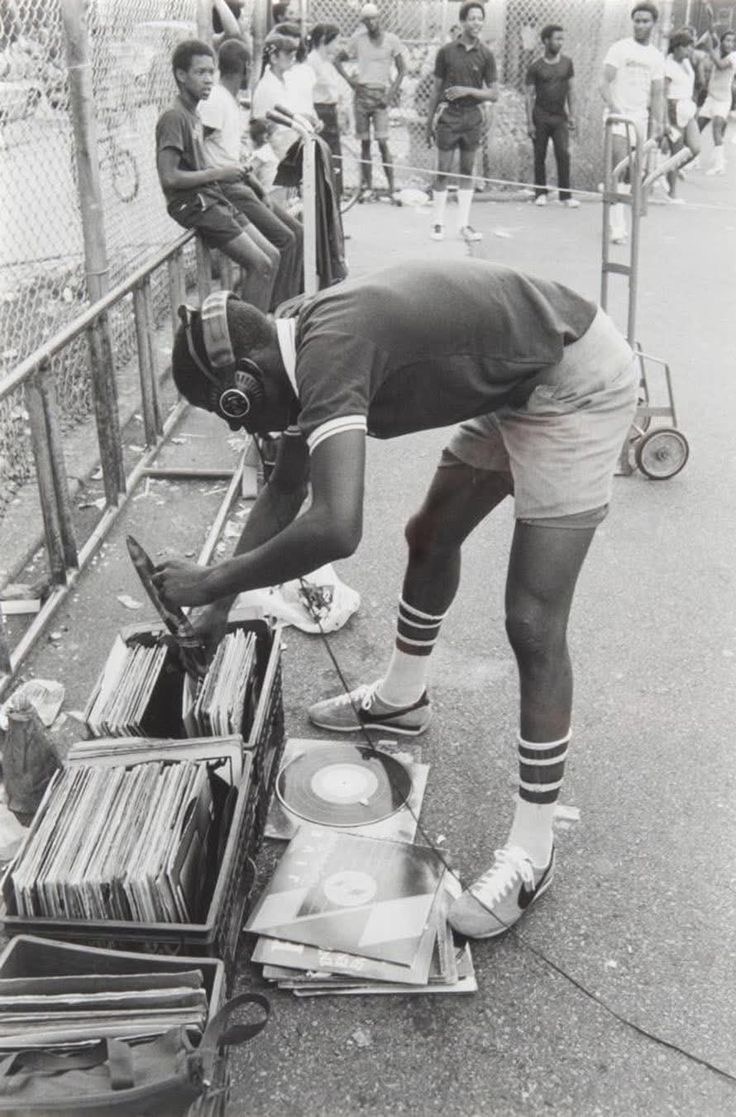
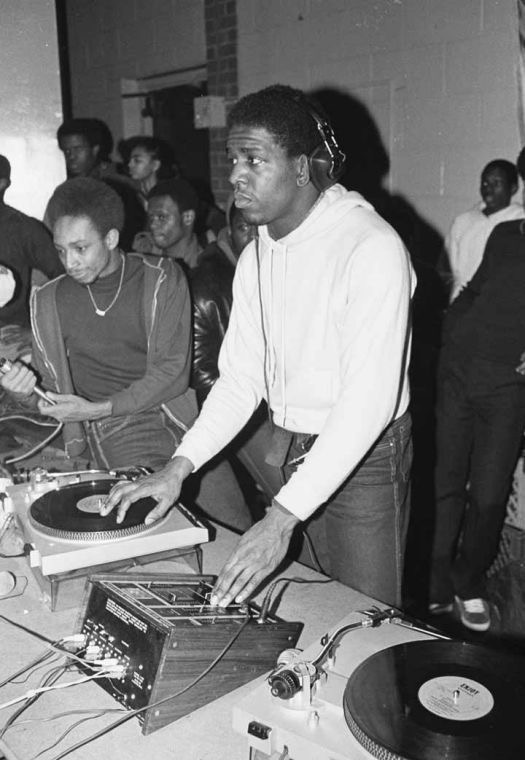
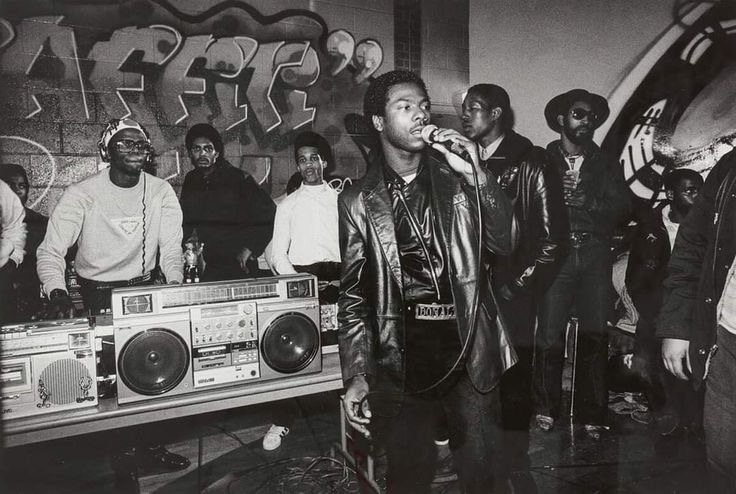
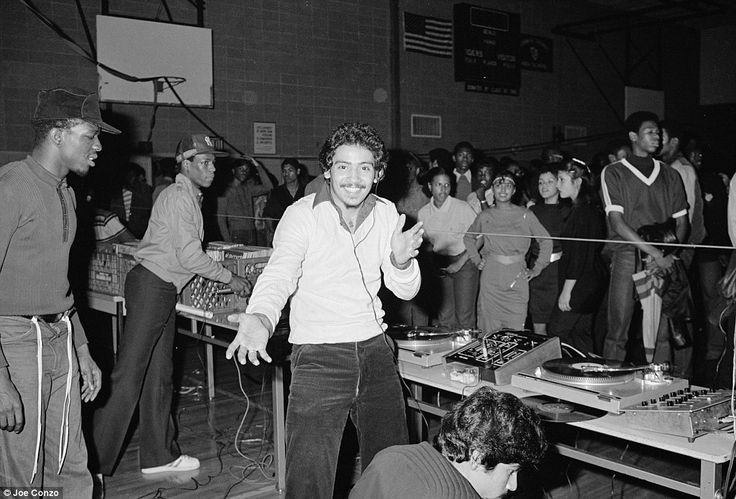
It’s August 11, 1973. You walk into 1520 Sedgwick Avenue, the rec room is humid, the crowd’s electric, and the beat? Unstoppable.
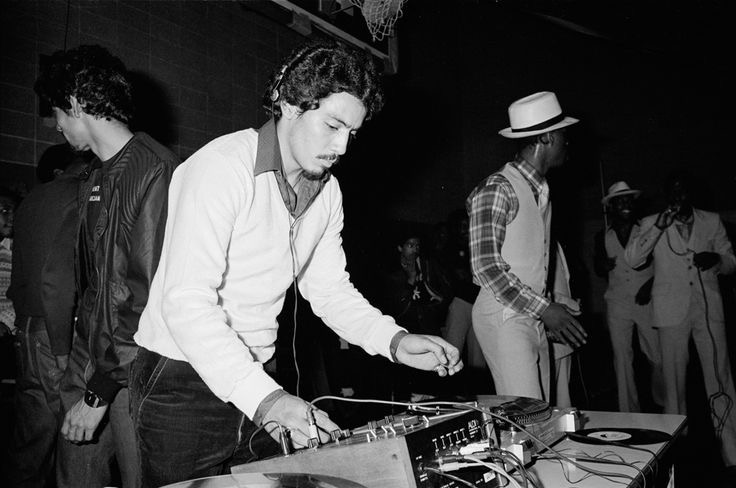
No one knows it yet, but DJ Kool Herc’s about to flip the world upside down with two turntables, a killer breakbeat, and a vibe so fresh it makes disco look like your dad’s music. No Spotify. No auto-tune. Just raw speakers, scratched vinyl, and rhymes born from street corners, block parties, and boom boxes the size of small cars.
This wasn’t just a party, it was the Big Bang of a global movement. The Bronx was burning… with genius.
Step inside. The clothes are wild, the energy’s contagious, and the music? It’s not even called hip hop yet, but it’s already rewriting the rules. You coming or what?
1
A Movement Begins in the Bronx
On August 11, 1973, a modest back-to-school party at 1520 Sedgwick Avenue marked a turning point in American music and youth culture.
2
New York City in Crisis
In the early 1970s, the Bronx faced widespread poverty, arson, and economic abandonment; but young people found new ways to resist and create.
3
Meet Clive “DJ Kool Herc” Campbell
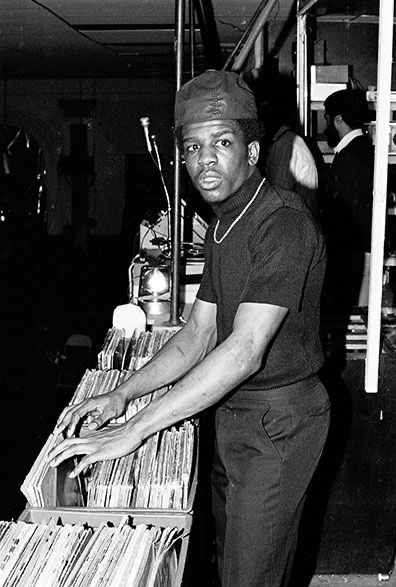
A Jamaican-born teenager with a deep love for records, Herc brought sound system culture to the Bronx and reimagined what a DJ could do.
4
The Party at 1520 Sedgwick Avenue
Hosted by Herc’s sister, Cindy Campbell, the event was a community gathering in a recreation room; not a concert, but something new.
5
The Breakbeat Revolution
Herc’s innovation: isolating the instrumental “breaks” of funk and soul records, and playing them back-to-back to extend the most danceable parts.
6
Birth of the B-Boy and B-Girl
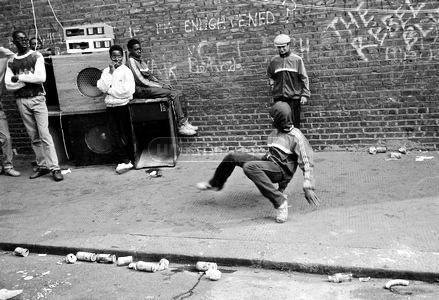
Dancers responded to Herc’s extended breaks with athletic, rhythmic moves: forming the early foundations of breakdancing.
7
Borrowing from Jamaican Sound Systems
Herc’s booming speakers and emphasis on rhythm mirrored the party culture of Kingston, where DJs held street dances and MCs hyped the crowd.
8
The First Emcees
Friends like Coke La Rock began speaking over Herc’s mixes; not full verses, but rhythmic shout-outs and rhymes to energize the party.
9
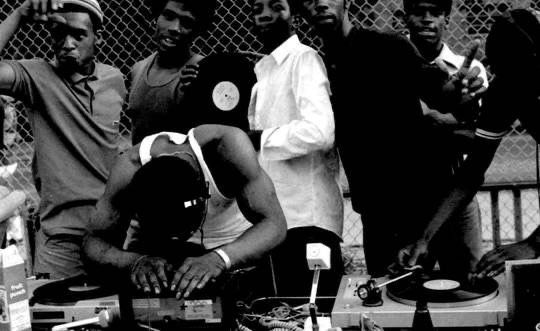
Park Jams and Block Parties
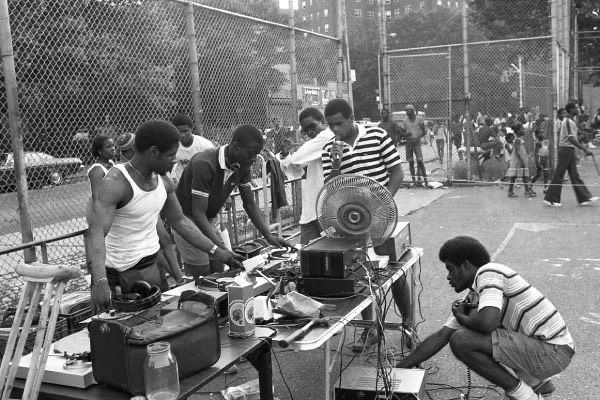
Soon, DJs took their setups outdoors, throwing massive free parties in Bronx parks: accessible to anyone and powered by ingenuity.
10
Music as Resistance
In a city that had abandoned them, youth in the Bronx created a new form of expression; born from resourcefulness, not record deals.
11
Grandmaster Flash Raises the Bar
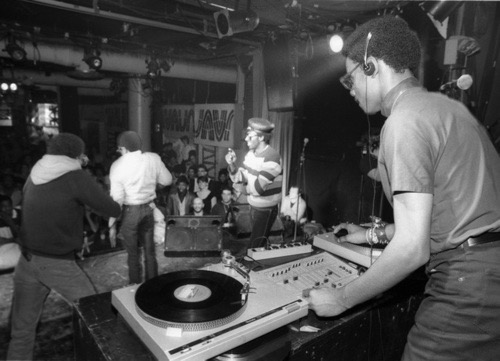
Building on Herc’s foundation, Flash introduced precision techniques like cutting, backspinning, and mixing; changing DJing forever.
12
Afrika Bambaataa and the Zulu Nation
A former gang leader turned cultural organizer, Bambaataa used music to promote peace and unity; helping define hip hop’s core elements.
13
Graffiti: Writing the Culture on the City
While DJs rocked the parties, writers claimed space through graffiti: another youth-driven expression of identity, rebellion, and style.
14
The MC Becomes the Main Event
What began as party talk evolved into rhythmic storytelling. Emcees started developing verses, punchlines, and flows; laying the groundwork for rap.
15
Spreading Beyond Sedgwick
The new sound (part funk, part invention) spread rapidly through neighborhoods and boroughs, long before it reached radio or record stores.
16
Mixtapes and Word of Mouth
Homemade tapes of live parties circulated through the city, building hype and influence for DJs and MCs before any formal recordings existed.
17
A Culture Takes Shape
By the late 1970s, four elements were recognized: DJing, MCing, breakdancing, and graffiti; distinct yet interconnected practices.
18
From Local to Global
What began as a hyper-local scene would eventually become a global movement influencing language, fashion, politics, and pop culture.
19
The Founding Figures
Kool Herc, Grandmaster Flash, and Afrika Bambaataa are now recognized as the architects of early hip hop, each playing a distinct role in its evolution.
20
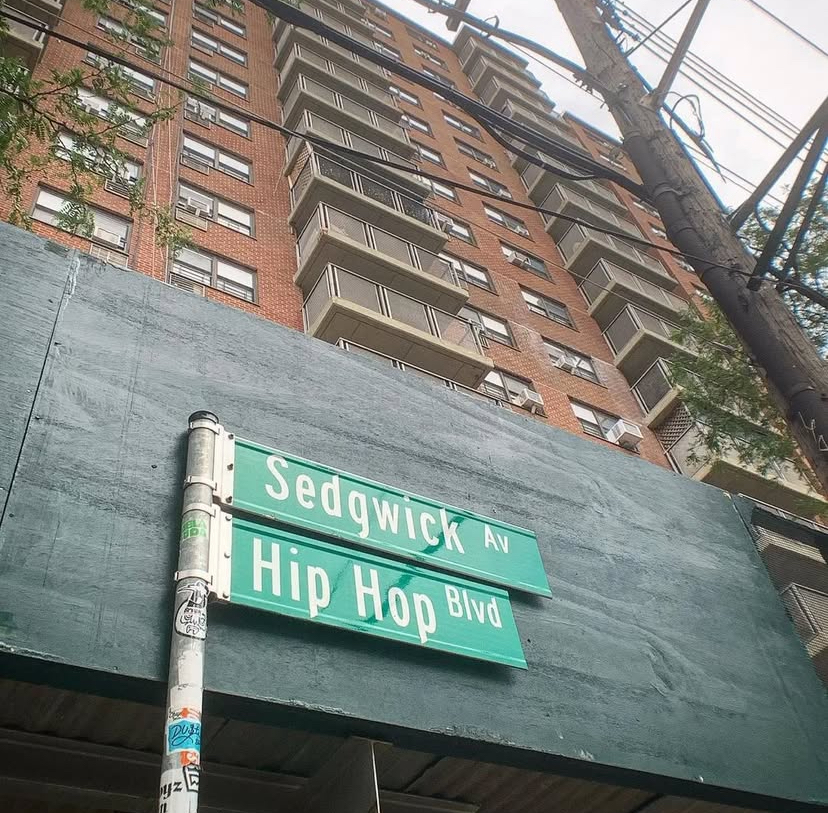
1520 Sedgwick: A Landmark in Sound
Now recognized by historians and the city as the “birthplace of hip hop,” that Bronx apartment building helped give rise to one of the most influential cultural movements of the 20th century.