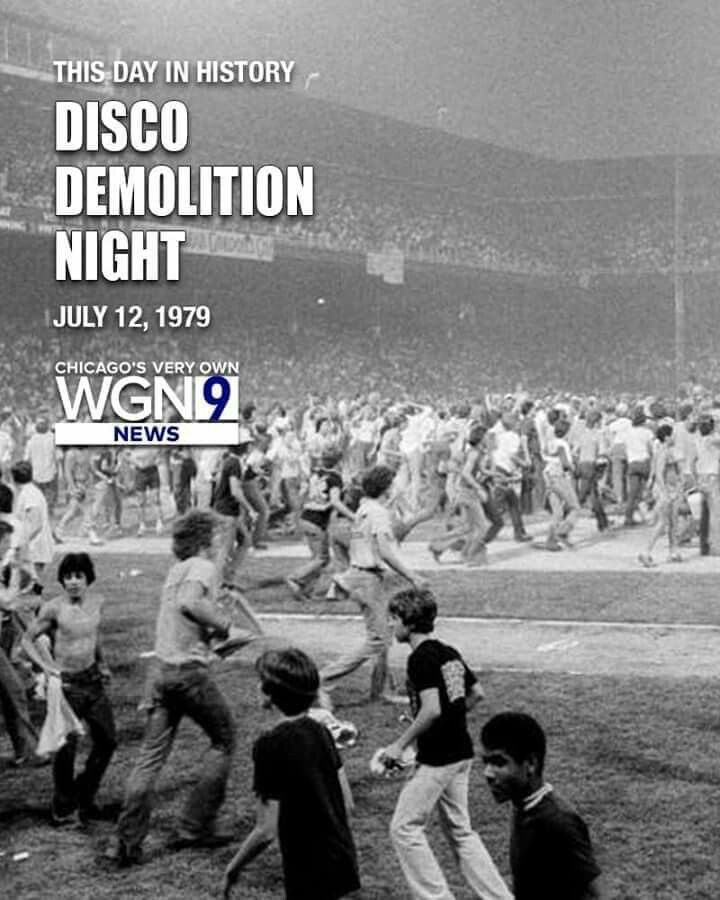
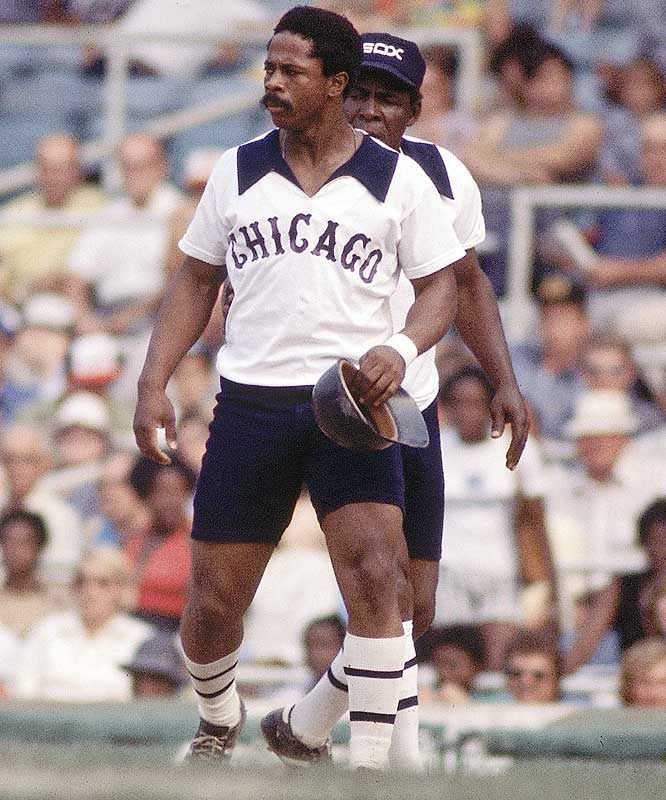
It was July 12, 1979: Disco Demolition Night. A baseball stadium, a crate full of vinyl, and a crowd too wild for the music to keep up with. What started as a radio stunt turned into a riot, a cultural coup, and the symbolic assassination of an entire era glittering with sequins, sweat, and Saturday nights.
But was it really just about the music? Or was disco hated because it was too fabulous, too Black, too Latino, too queer, too liberating for a world clutching its rock records like holy scripture?
This wasn’t just a genre getting scratched, it was a revolution getting shut down. But disco didn’t die quietly. It slipped underground, rewired pop forever, and dared to rise again: louder, prouder, and fiercer.
Slide in. The beat’s still alive. The night’s still young. And the story? It’s got soul.
1
July 12, 1979: A Night That Changed Music History
What started as a baseball promotion turned into a cultural flashpoint that marked the beginning of disco’s decline.
2
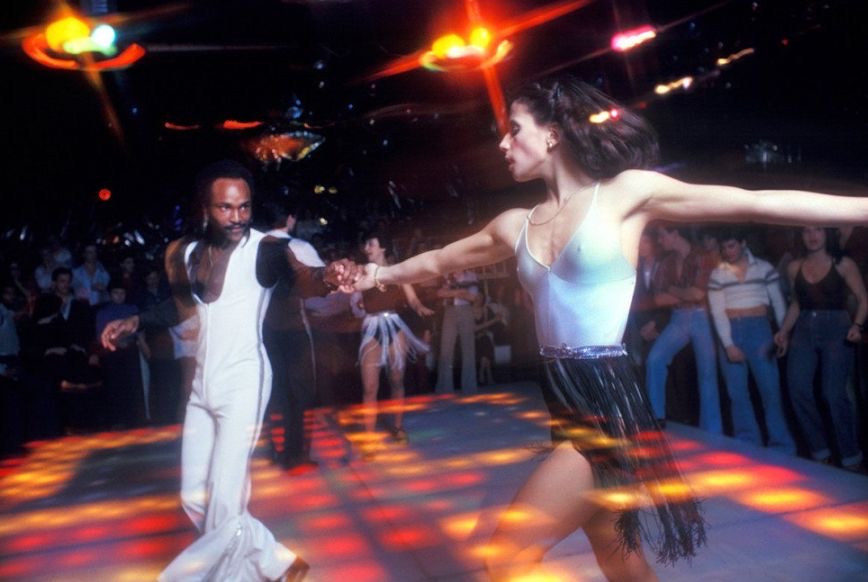
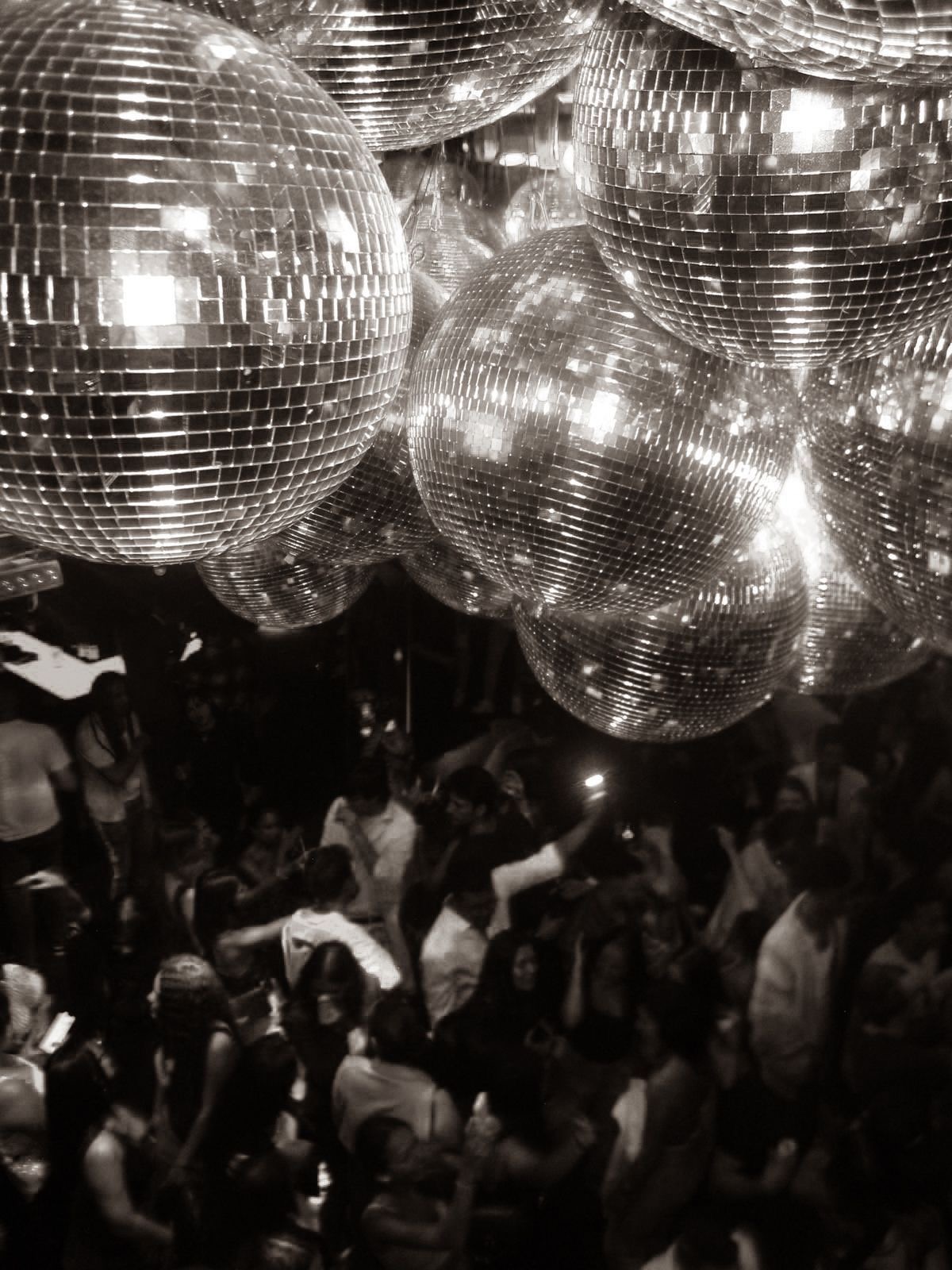
Disco Fever Takes Over
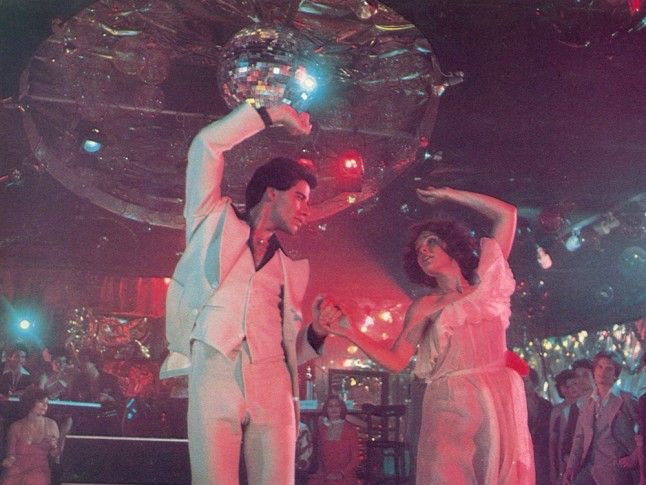
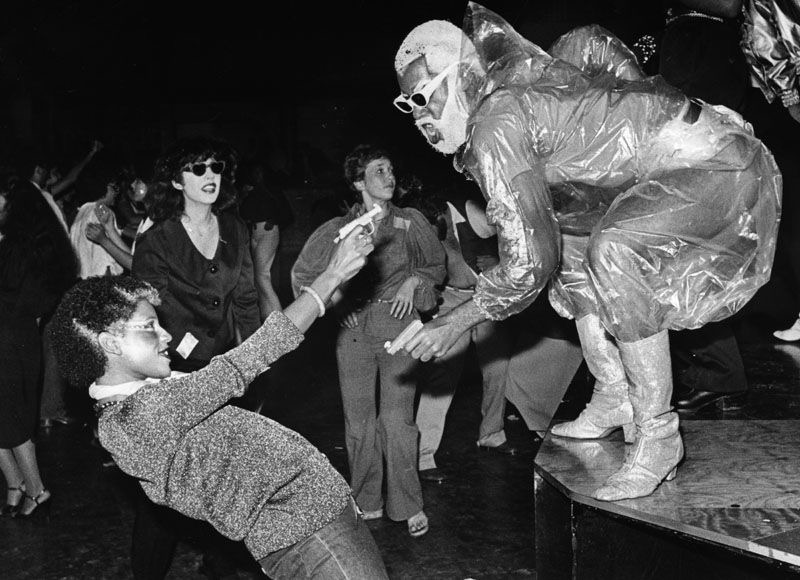
In the late '70s, disco dominated the charts, clubs, and fashion: a sound of joy, identity, and rhythm.
3
Not Everyone Was Dancing
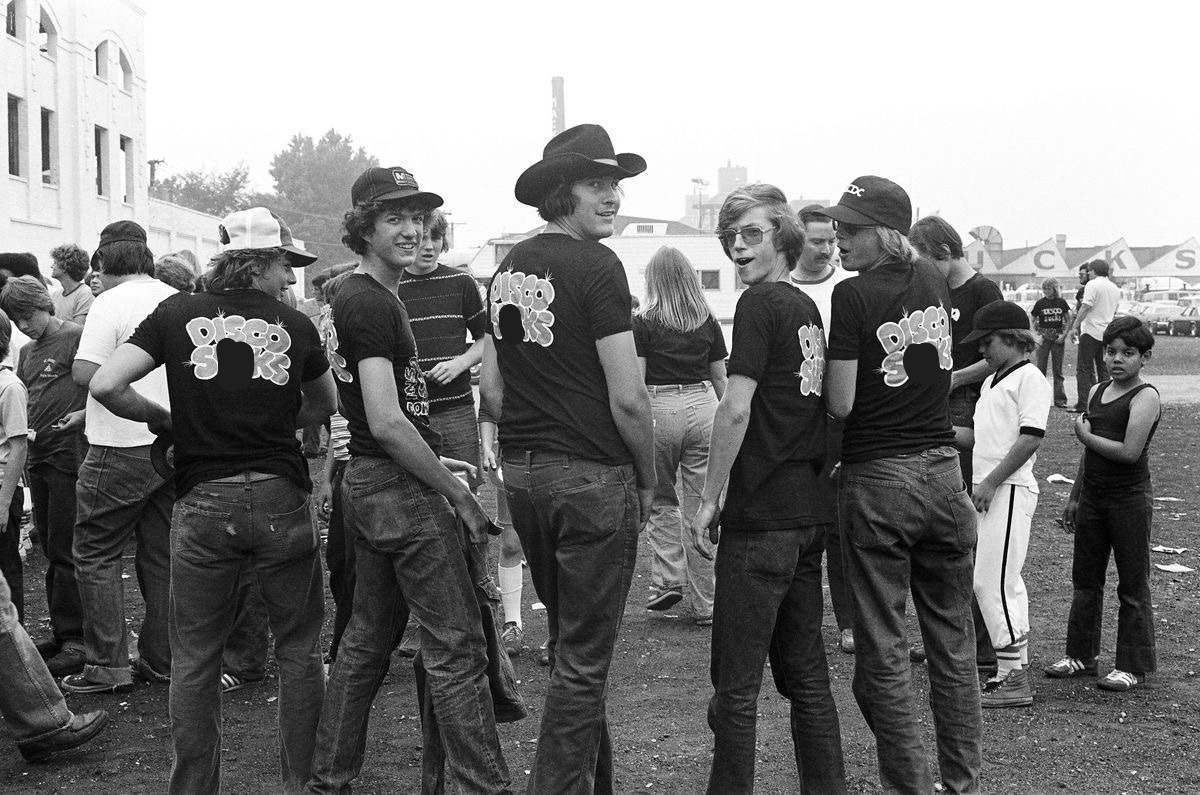
As disco rose, so did resistance. Some rock fans felt pushed aside by the genre’s popularity and visibility.
4
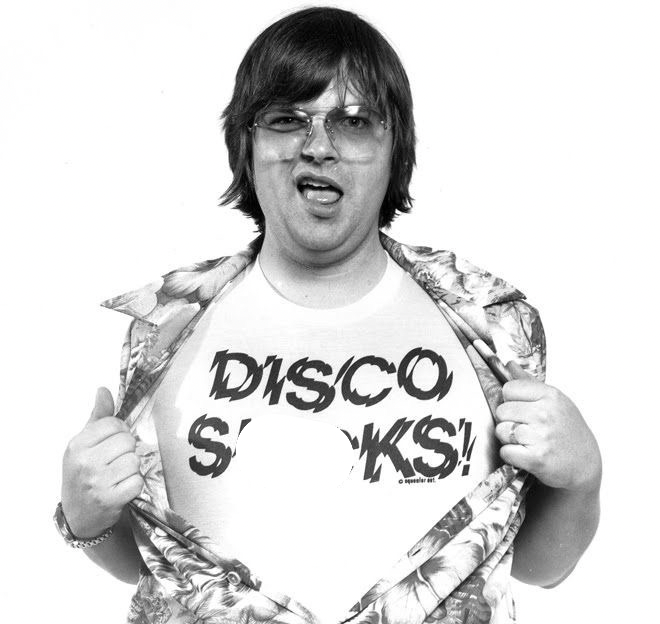
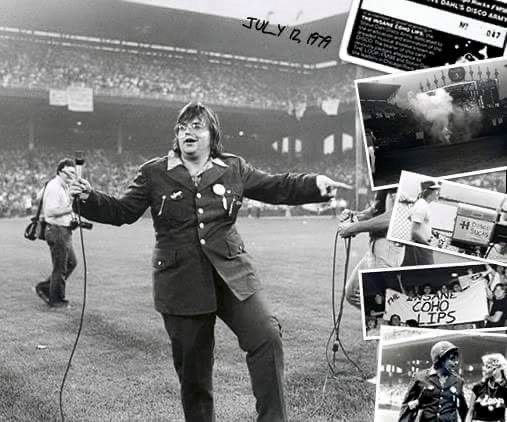
Enter Steve Dahl
A Chicago radio DJ who disliked disco, Dahl became the voice of the anti-disco movement, using humor and protest to rally fans.
5
The Idea: Blow Up Some Disco Records
Dahl teamed up with the Chicago White Sox for a wild promotion between games of a doubleheader. The plan? Destroy disco albums on the field.
6
Comiskey Park: The Stage Is Set
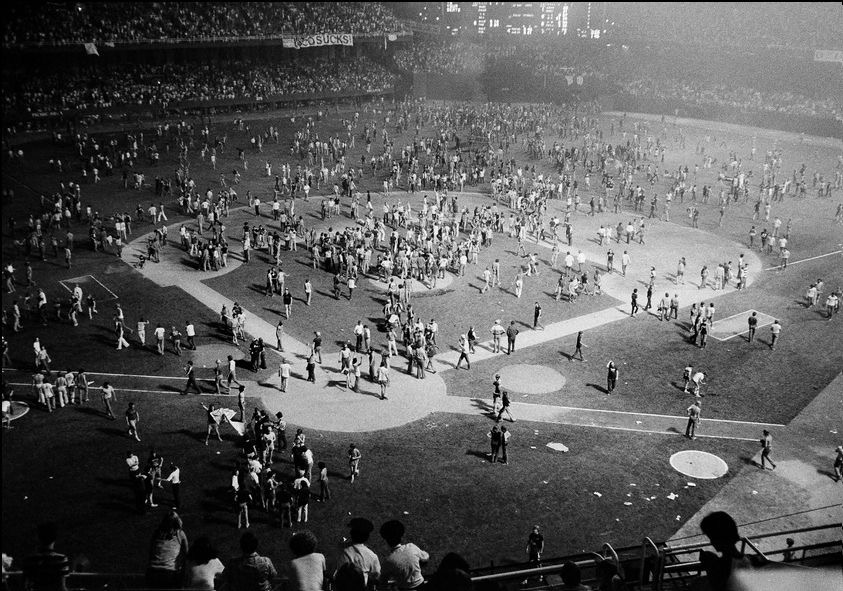
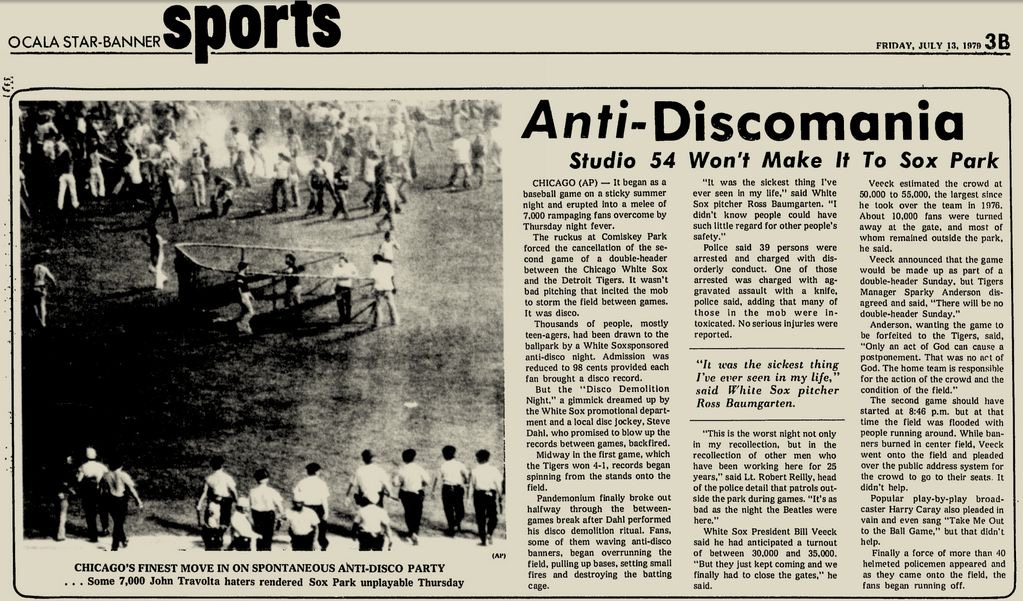
On July 12, 1979, over 50,000 people packed into the stadium; most not for baseball, but for the spectacle.
7
The “Bring a Record, Get in Cheap” Deal
Fans were encouraged to bring disco records in exchange for discounted tickets. Thousands did, many more came just for the chaos.
8
A Crowd Beyond Control
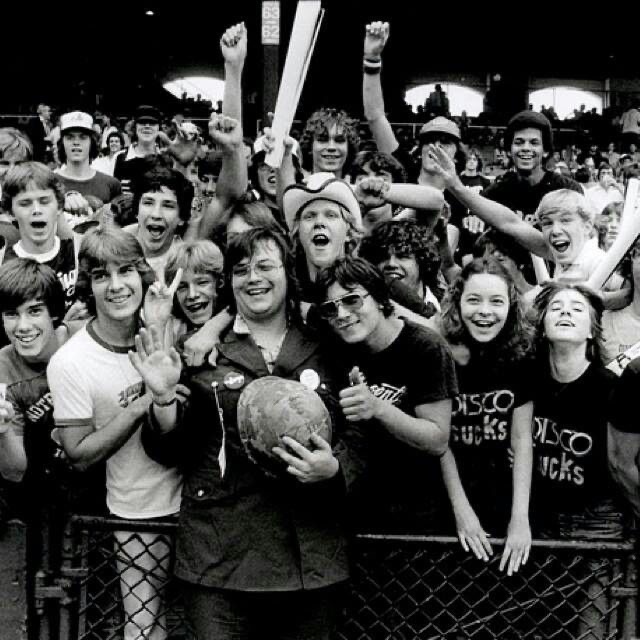
As fans poured in, the crowd quickly grew larger and more energetic than expected. Stadium security was overwhelmed.
9
Tensions on the Rise
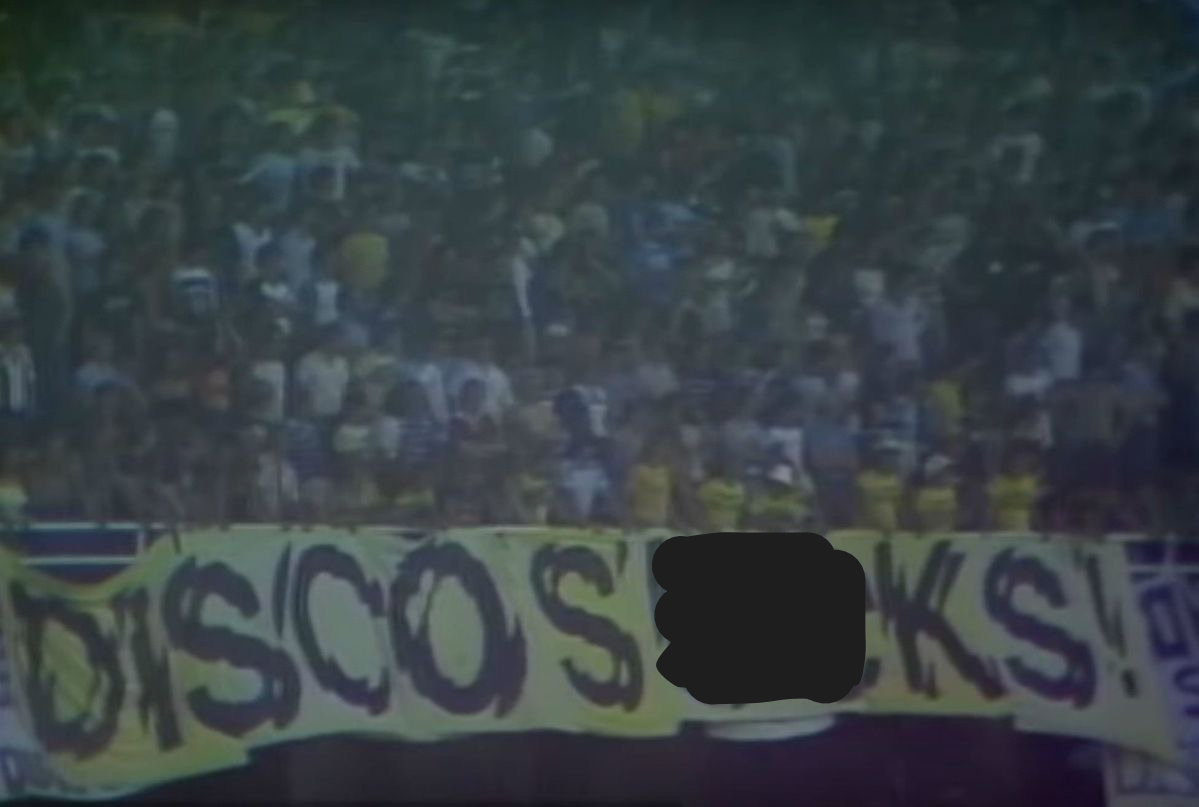
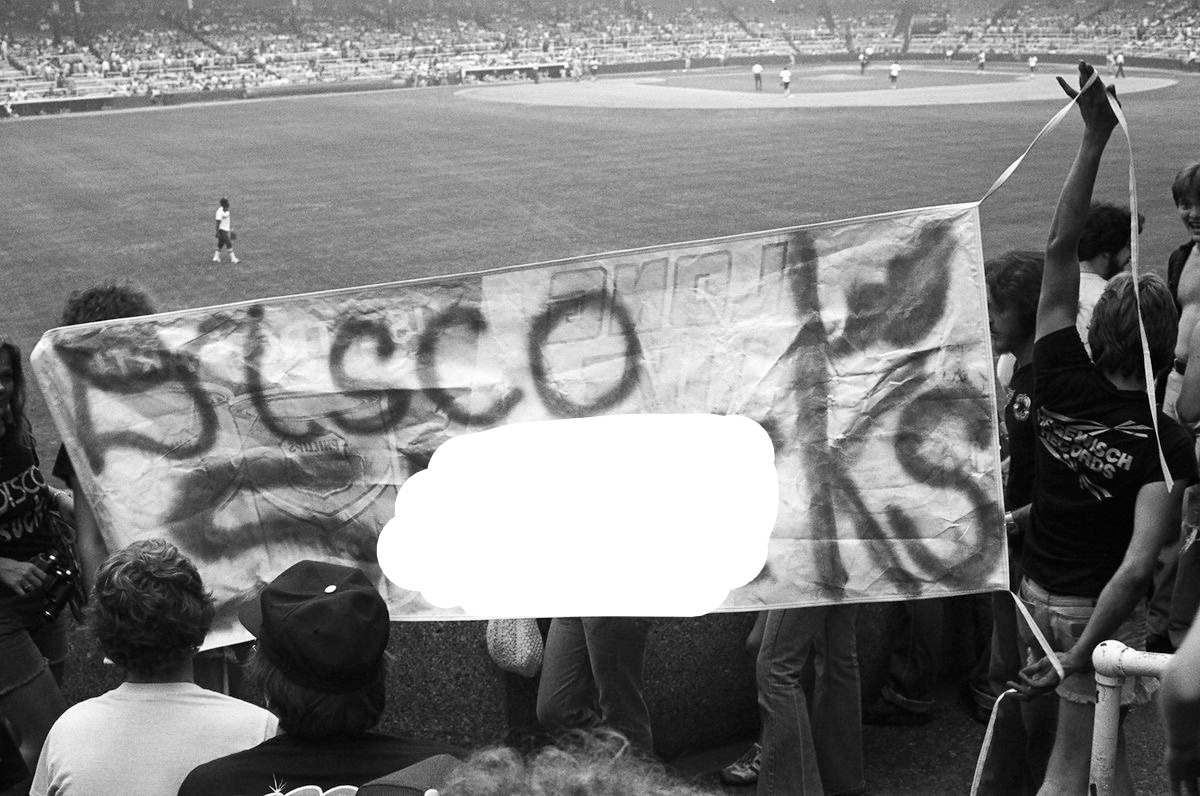
Booing, chanting, and signs against disco filled the stands. The mood was more rowdy than festive.
10
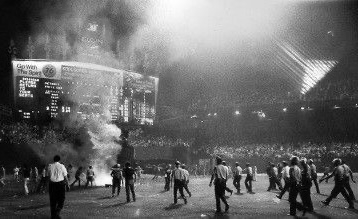
The Explosion at Center Field
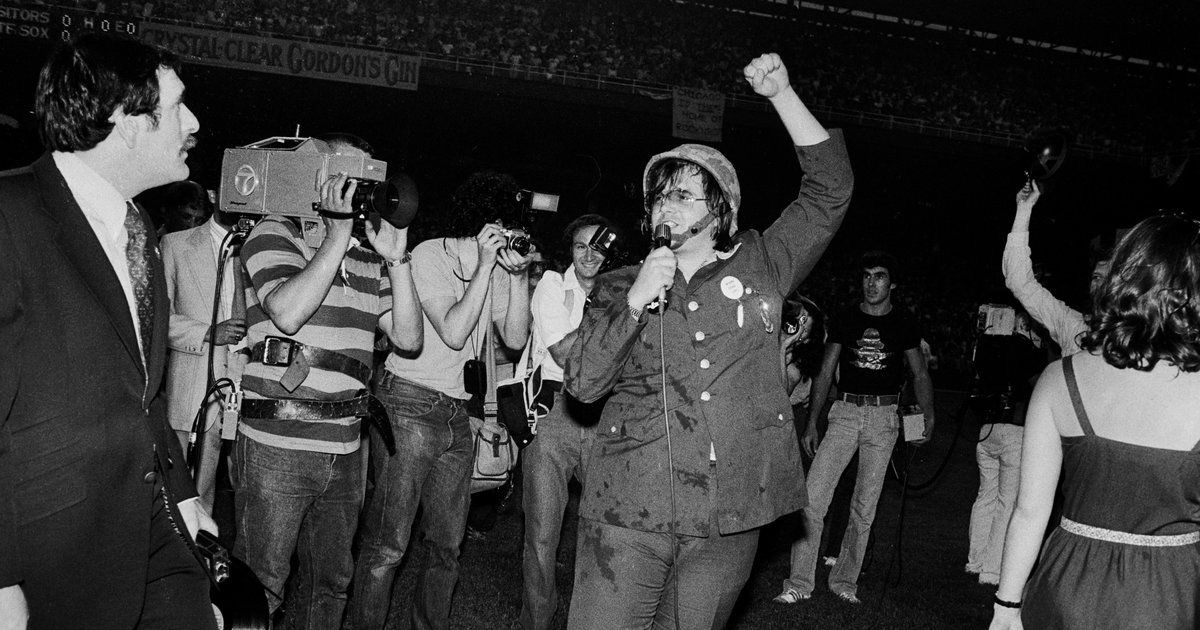
Between games, Dahl blew up a box of disco records on the field. The crowd erupted and not in applause.
11
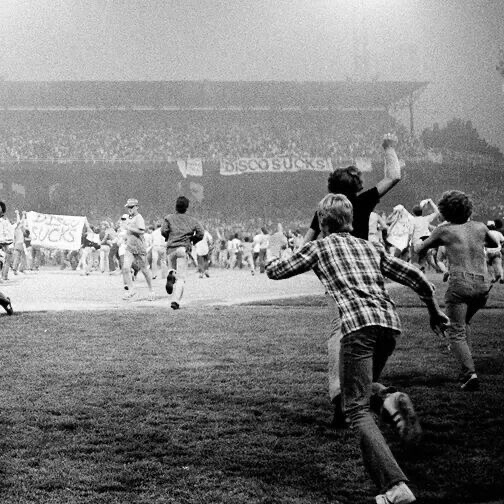
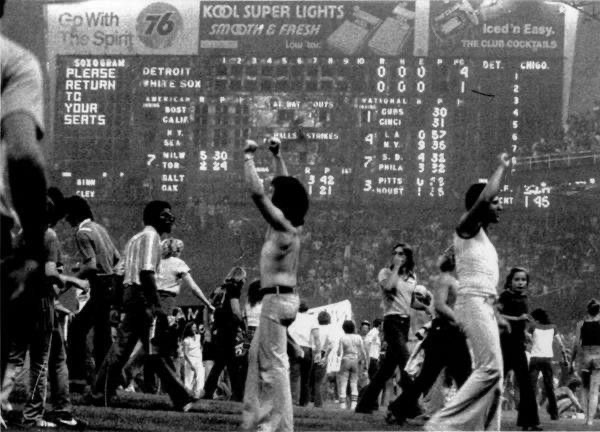
The Field Becomes a Free-For-All
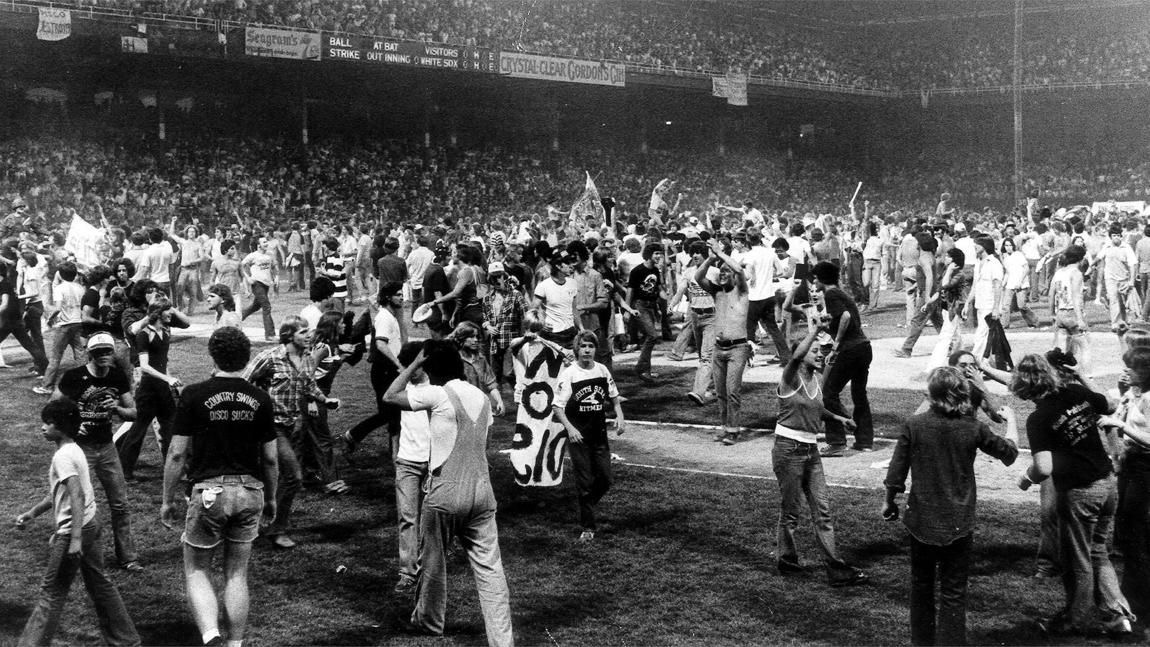
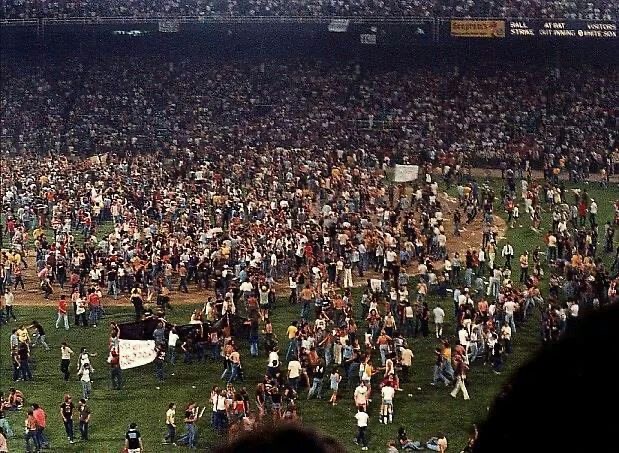
After the explosion, thousands stormed the field. Fires were lit, bases stolen, and the field left in disarray.
12
Game Canceled, Stadium Emptied
The second game of the doubleheader was called off. The White Sox were forced to forfeit, a rare move in baseball history.
13
Was It Just About Music?
Many began to question whether the event was really about music; or about race, class, and culture.
14
Disco Was More Than a Genre
For many, disco represented inclusion rooted in Black, Latinx, and LGBTQ+ communities who had shaped its sound and style.
15
Critics Call It a Backlash Against Progress
Commentators pointed out that the anti-disco movement seemed to reflect deeper social tensions, not just musical preferences.
16
The Fallout in Music and Media
After Disco Demolition Night, disco quickly lost its mainstream hold. Radio stations changed formats almost overnight.
17
The Day the Music Didn’t Die
While the night was chaotic, disco never truly disappeared; it evolved into house, dance, pop, and more.
18
Looking Back: Symbol or Stunt?
Some view the event as a marketing gimmick gone wrong. Others see it as a reflection of the era’s social undercurrents.
19
A Legacy Reconsidered
Today, Disco Demolition Night is studied in music history, pop culture, and sociology classes for its lasting implications.
20
Disco Lives On
The beat never stopped. Disco's influence is still alive in sound, in fashion, and in the freedom it helped inspire.