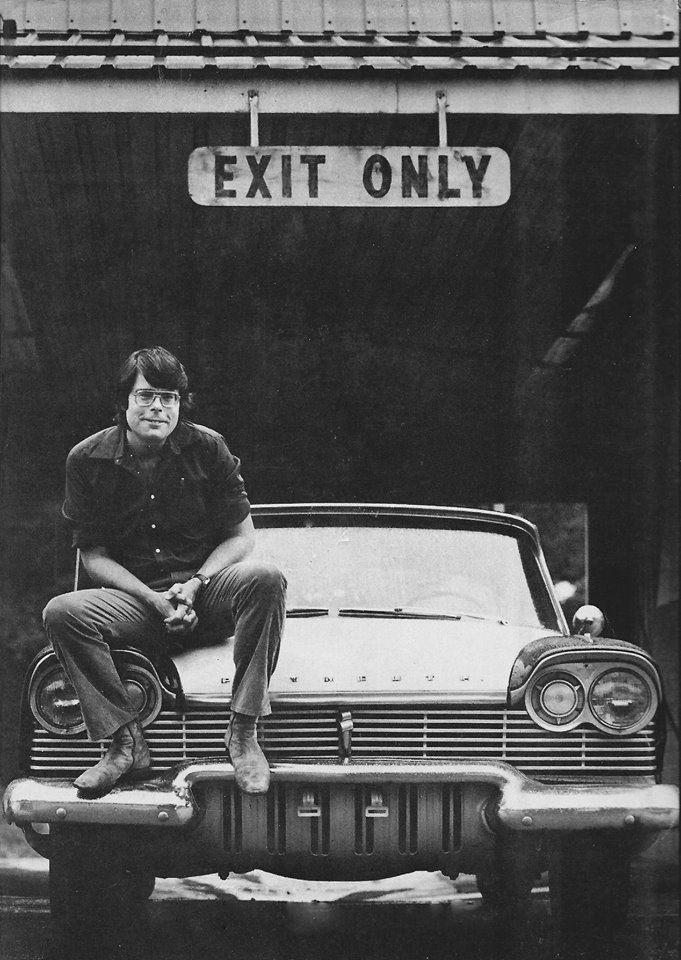
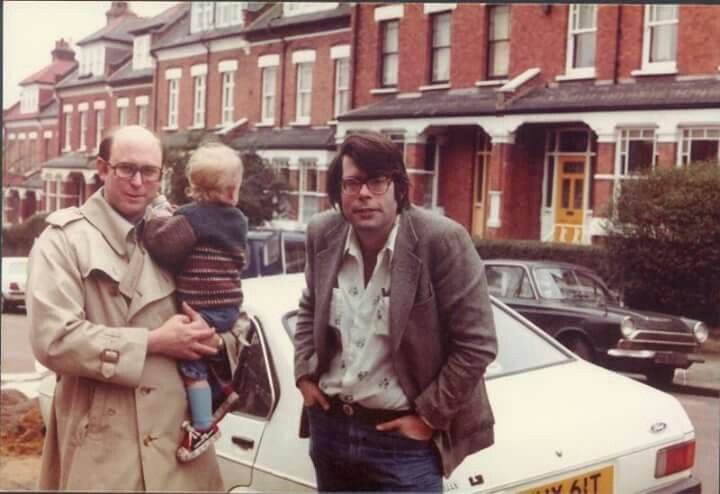
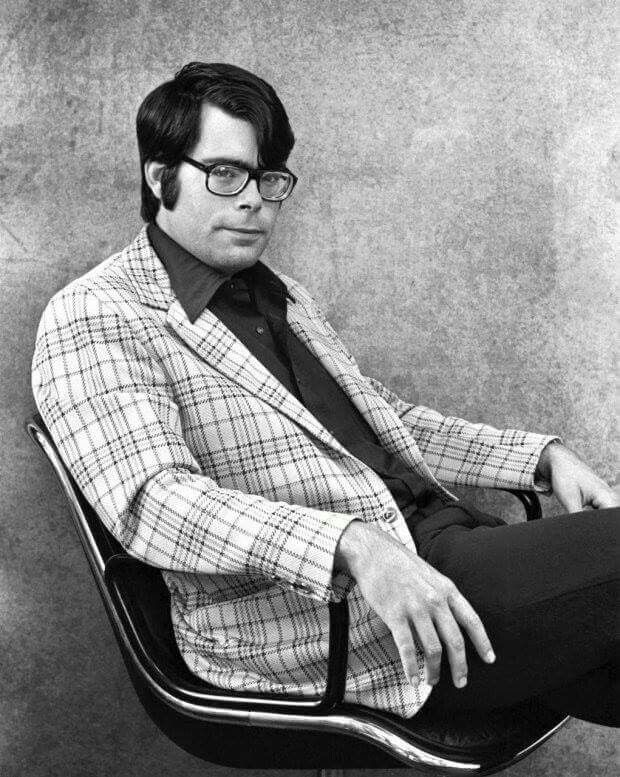
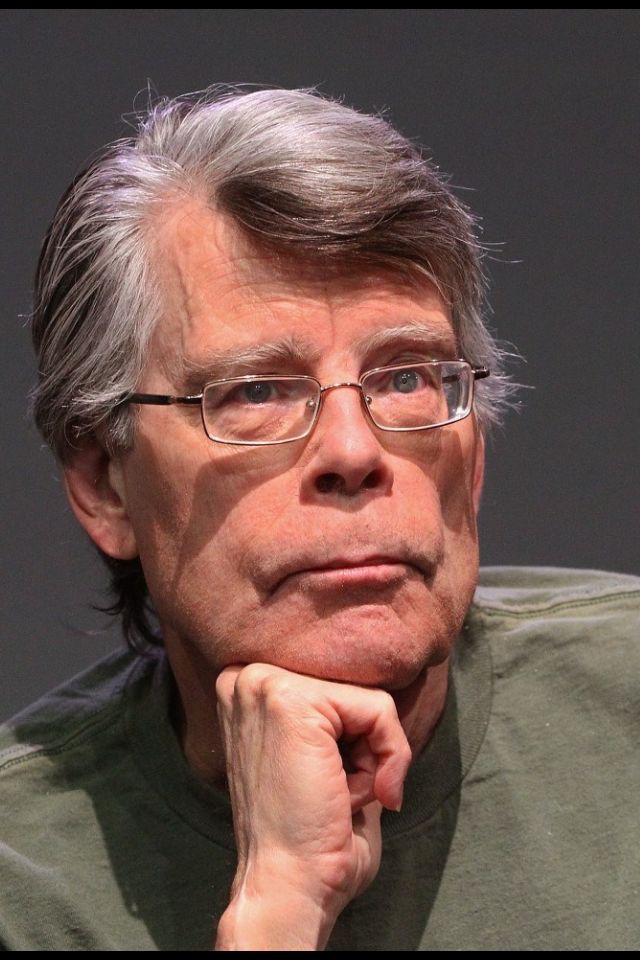
He’s the king of creepy, but Stephen King's real life might just out-weird his wildest plots.
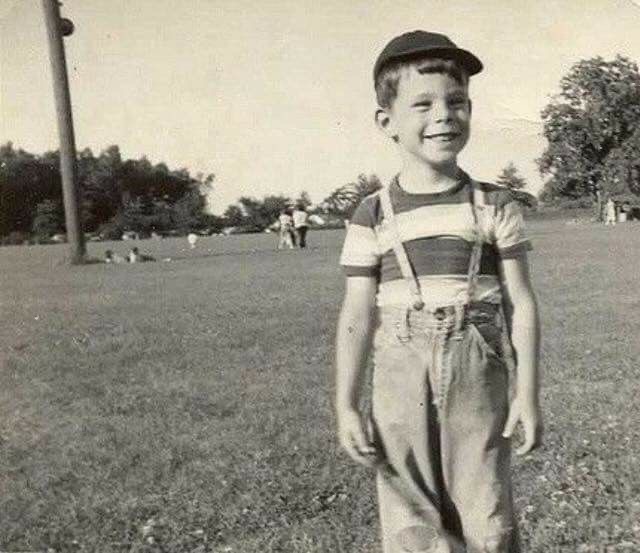
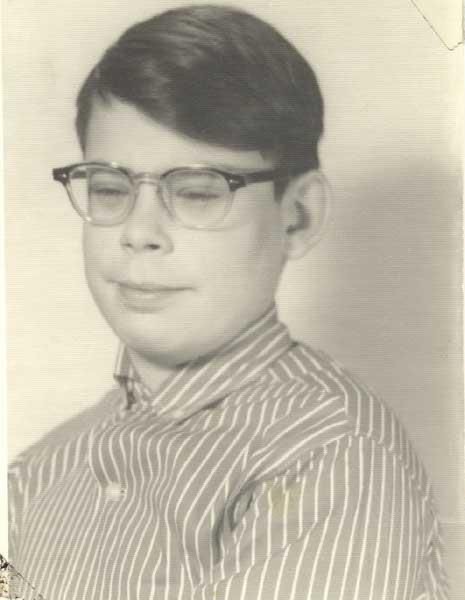
Before he haunted our dreams with killer clowns and possessed Plymouths, he was a lonely kid scribbling nightmares on scraps of paper. From a near-fatal accident eerily echoing his own fiction to writing Carrie in a trailer with beer cans and diapers piling up, King’s journey is pure, strange magic.
This isn’t just the story of a horror legend, it’s a rollercoaster of bizarre twists, cosmic coincidences, and a whole lot of heart. Grab your popcorn: Stephen King’s life is way stranger than his stories.
1
The Maine Monster: King’s Hometown Roots
Born and raised in Portland, Maine, Stephen King’s intimate knowledge of small-town life and New England’s eerie landscapes became the foundation for many of his stories, including It and The Dead Zone. The foggy forests and quiet streets inspired settings both comforting and terrifying.
2
A Childhood Shadowed by Tragedy
King’s father abandoned the family when he was just two, leaving his mother to raise him and his brother on her own. These early experiences with loss and uncertainty seeped into his themes of resilience and fear.
3
Carrie: The Book That Almost Didn't Exist
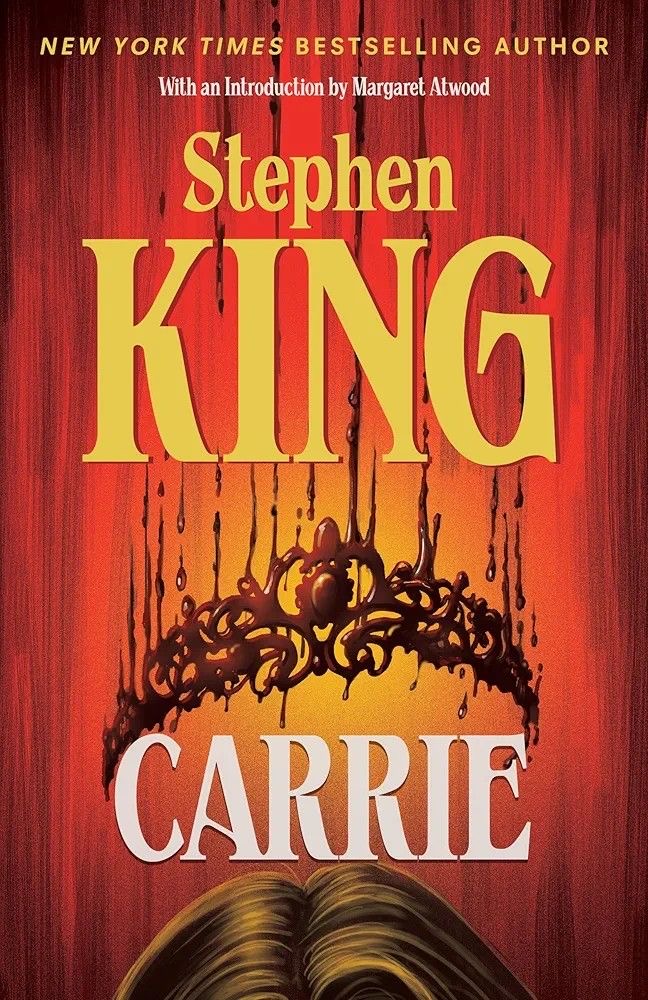
Rejected 30 times before publication. Carrie was initially tossed in the trash by King himself, only to be saved by his wife Tabitha. It became his breakout novel and introduced the world to his knack for blending supernatural horror with real human emotions.
4
Pennywise and the Fear of Clowns
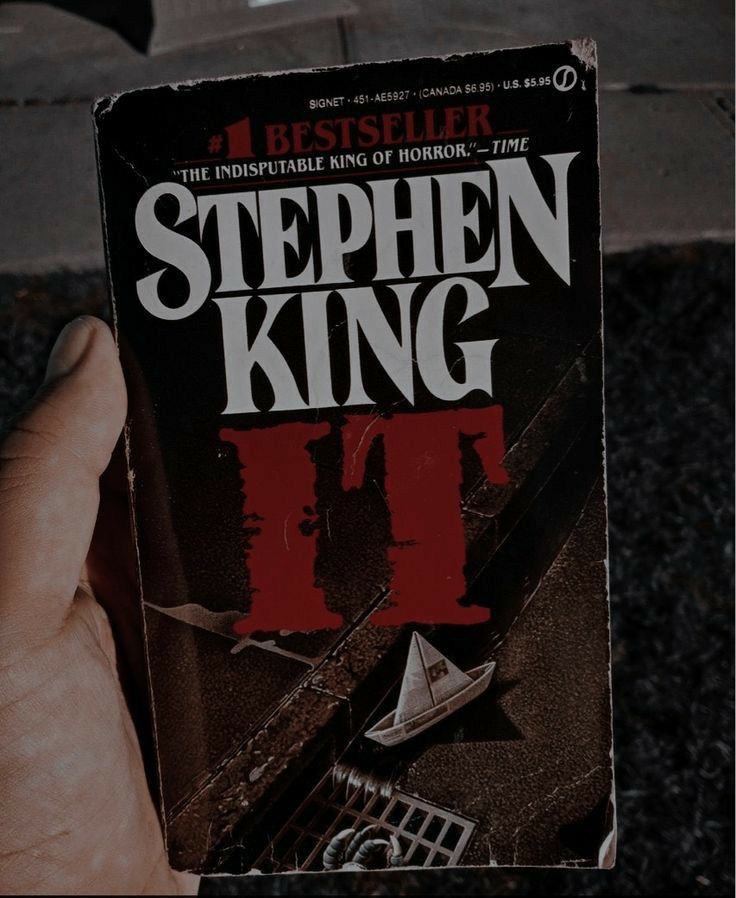
The terrifying clown in It was inspired by Stephen King’s own childhood fear of clowns and his fascination with the evil lurking behind innocent faces, a motif that taps into a deep psychological fear many share.
5
Near-Death Experience: The 1999 Accident
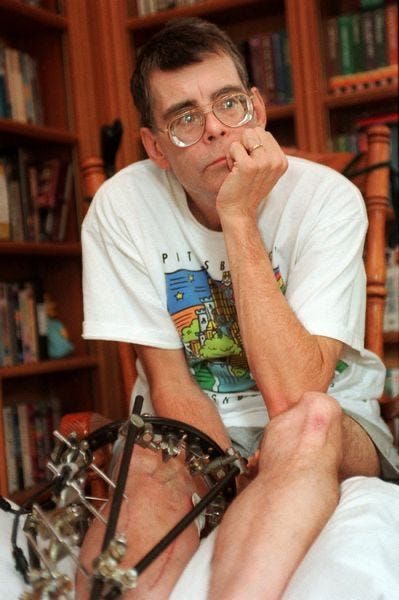
King’s life nearly ended when he was struck by a van while walking near his home. His recovery was long and painful, but this experience profoundly influenced his later works, including Lisey’s Story, which deals with trauma and healing.
6
From Typewriter to Bestseller
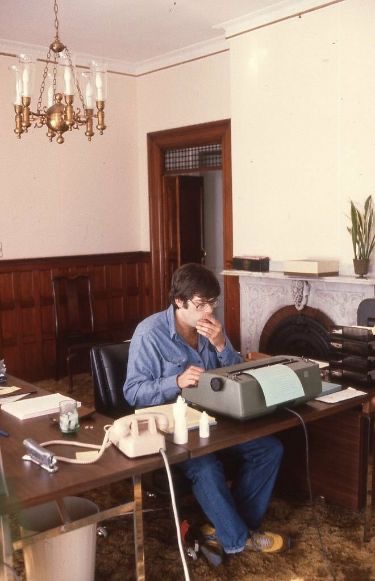
Stephen King started with a manual typewriter in a trailer he shared with his wife. He wrote every day, sometimes 2,000 words or more, proving that discipline beats inspiration alone in the craft of writing.
7
Tabitha King: The Queen Behind the King
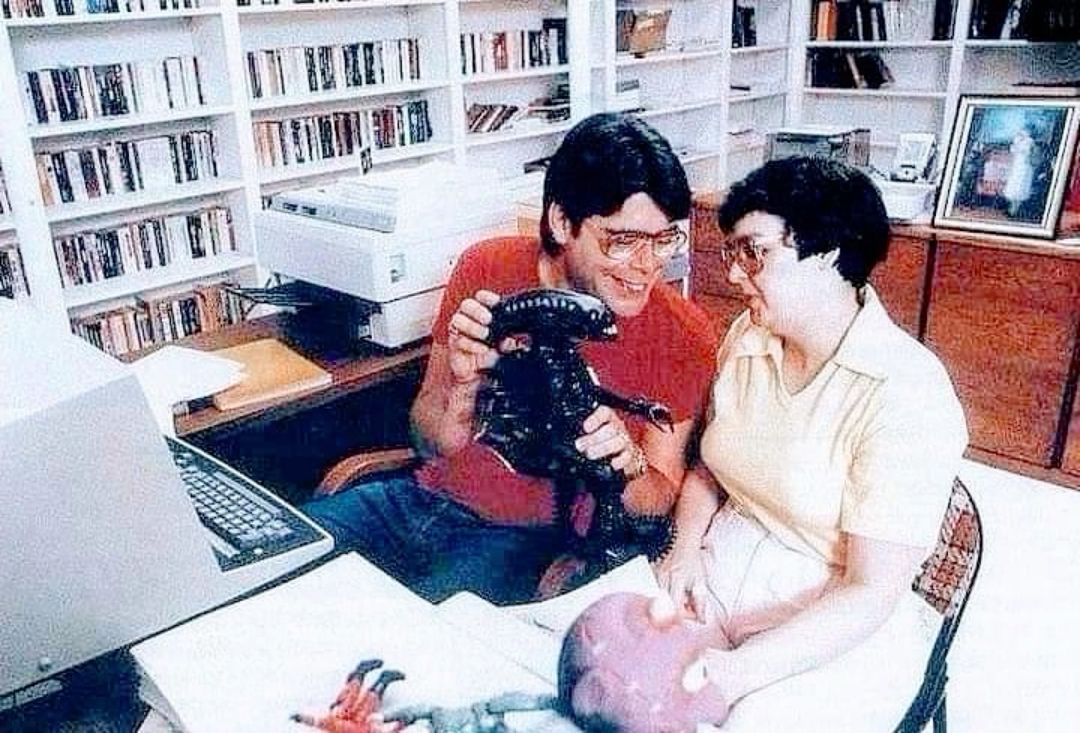
Tabitha, an accomplished author herself, not only supported King’s early career but also became a key literary partner. She helped polish Carrie and encouraged King through the toughest writing moments.
8
The Dark Tower: A Life’s Work
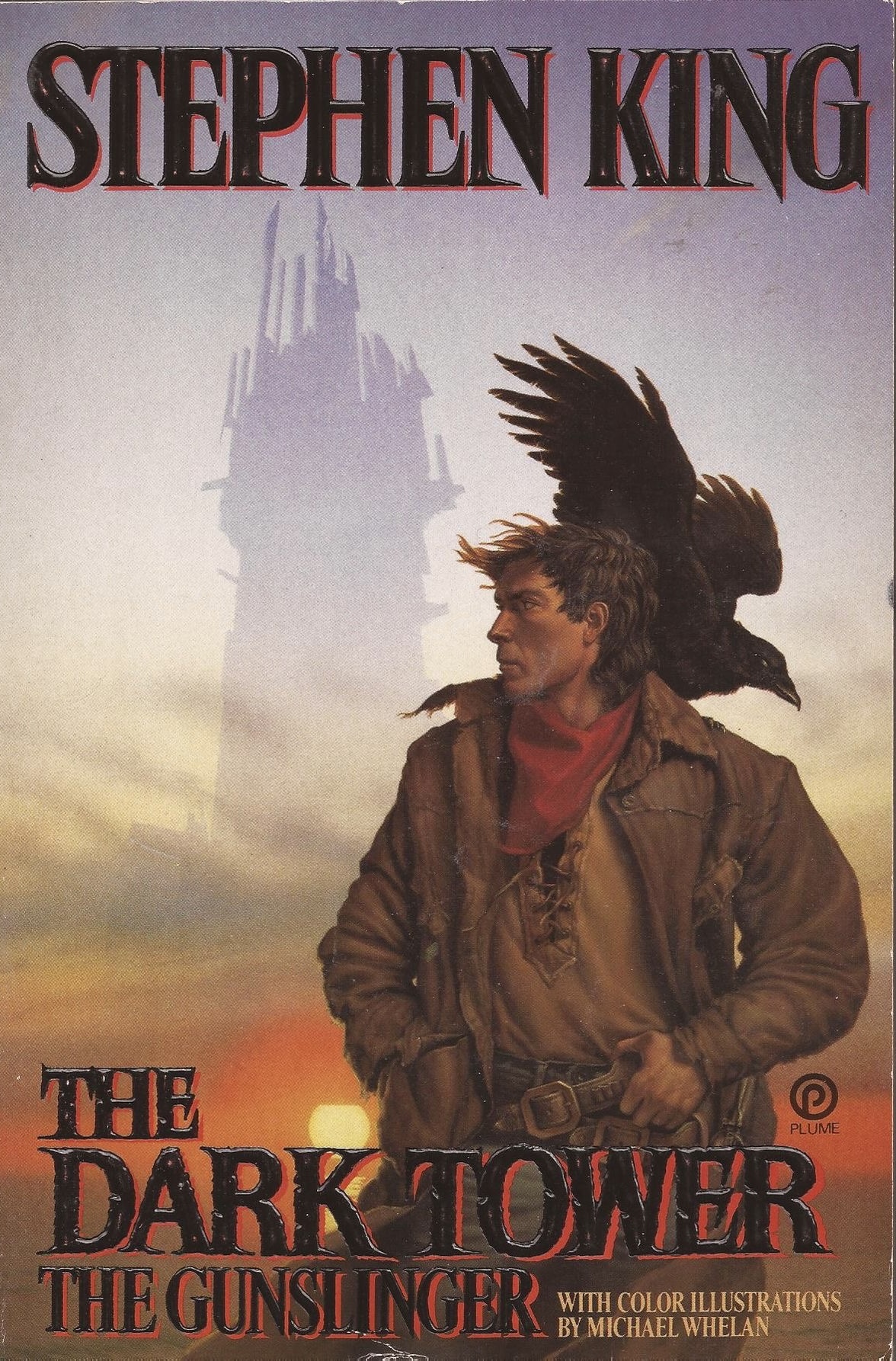
King’s Dark Tower series took over 30 years to complete and spans multiple genres: from fantasy to western to horror, showcasing his epic storytelling ambition and weaving a complex multiverse unlike anything else.
9
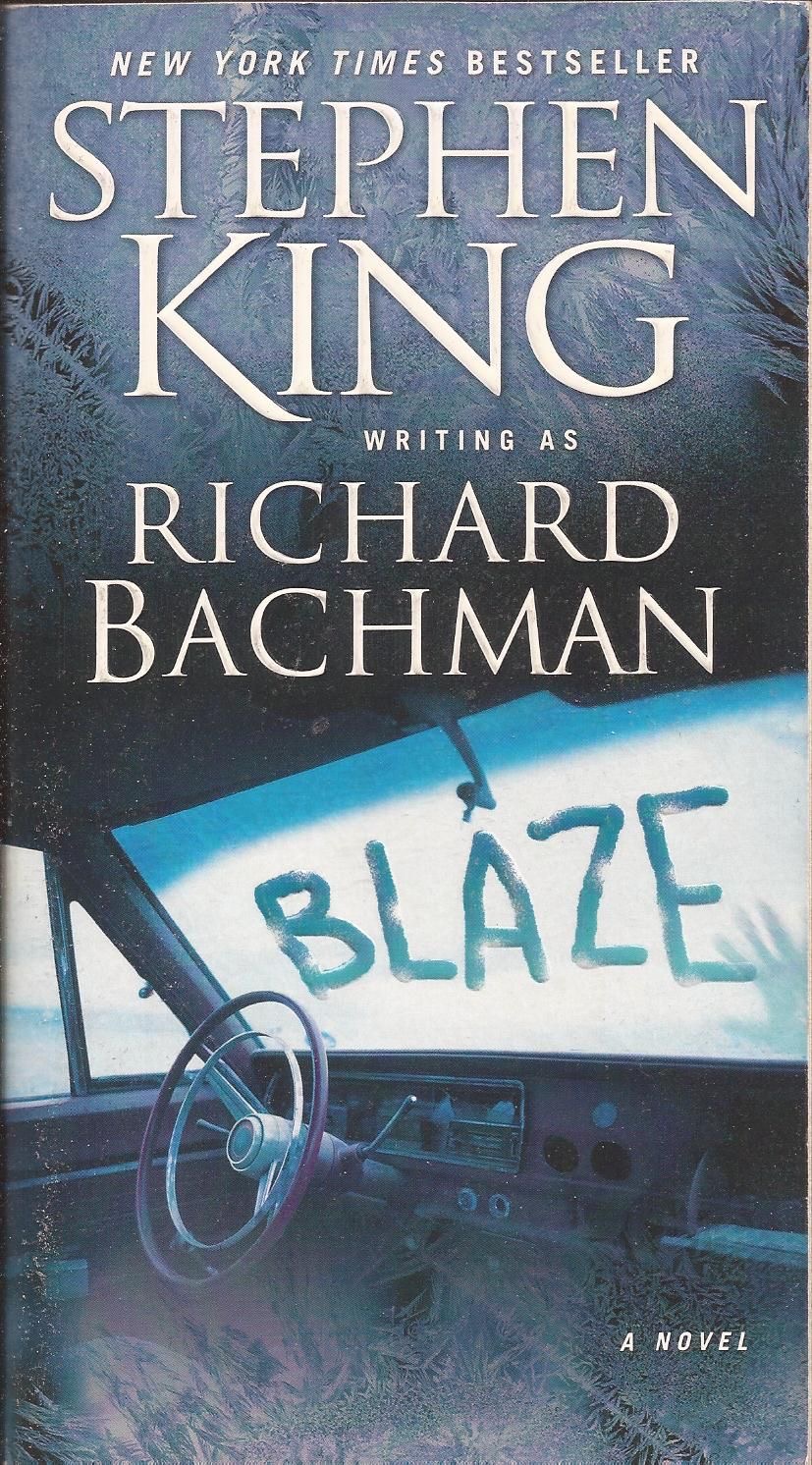
Richard Bachman: The Secret Identity
To prove his success wasn’t a fluke, King published several novels under the pseudonym Richard Bachman. When Bachman’s identity was revealed, it raised questions about fame and creativity in the literary world.
10
Hollywood’s Favorite Horror Writer
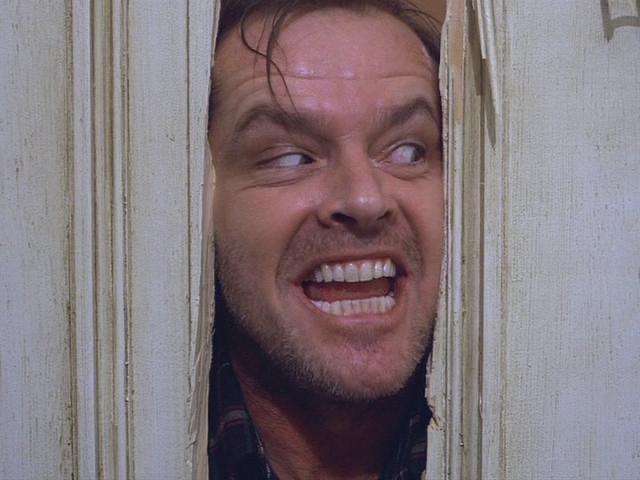
King’s books have been adapted into over 60 films and TV shows, including iconic titles like The Shining, Misery, and It. His influence shaped the horror genre in Hollywood like no other author.
11
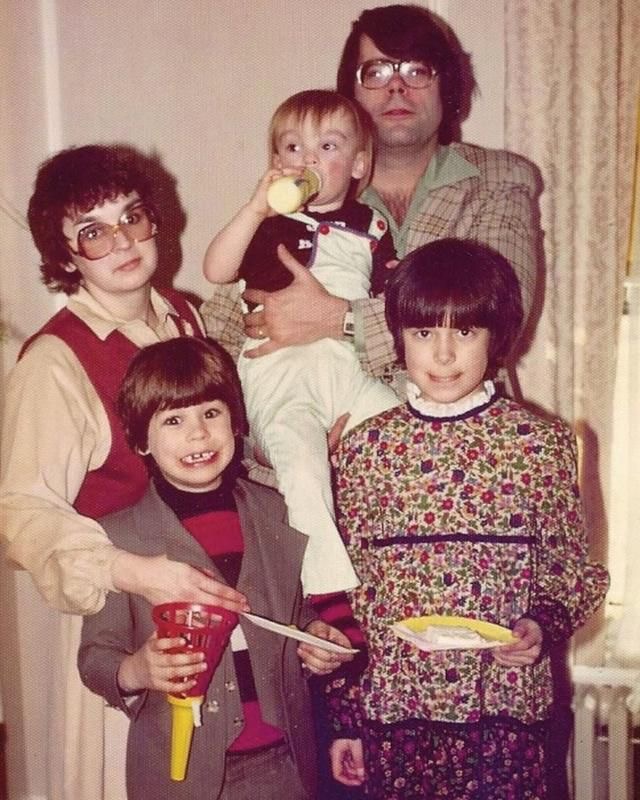
Raising a Literary Family
Stephen and Tabitha King’s children followed creative paths: Joe Hill and Owen King are successful writers, proving that storytelling runs in the family DNA.
12
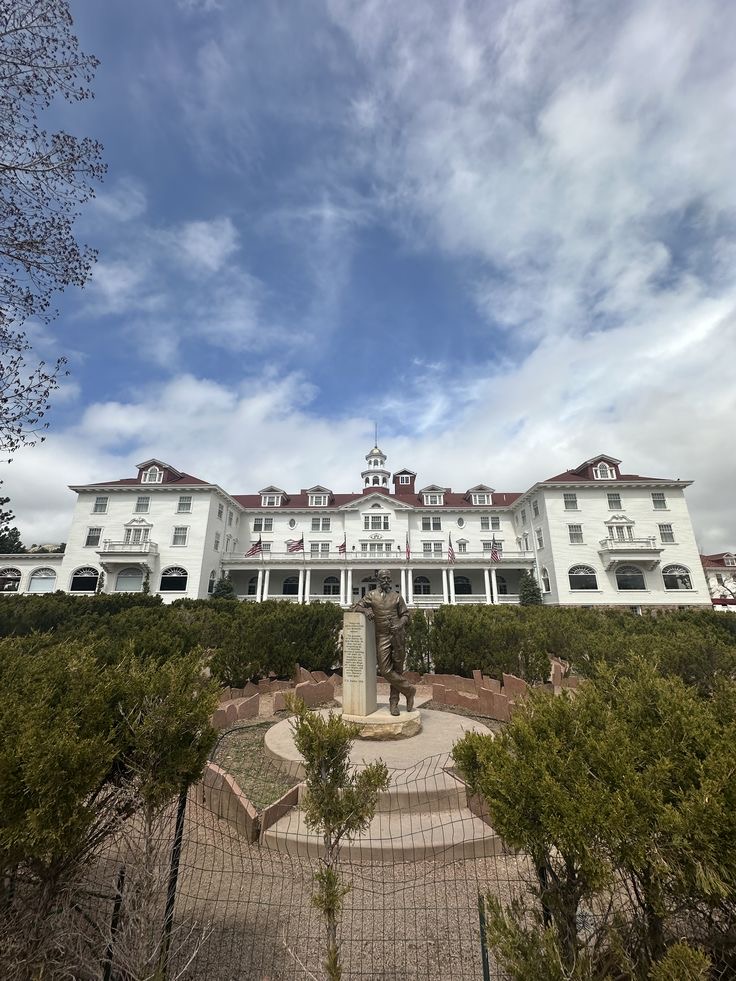
The Overlook Hotel: More Than Fiction
King’s stay at the Stanley Hotel in Colorado inspired The Shining. He reportedly felt a chilling presence there, which fueled the haunted hotel’s eerie atmosphere in the novel.
13
The Man Who Faces His Fears on Paper
King’s writing often confronts his personal fears (death, addiction, failure) turning them into compelling narratives that resonate with millions.
14
Overcoming Addiction
King struggled with alcohol and drug addiction in the 1980s, which affected his personal and professional life. His sobriety since 1987 helped revitalize his creativity and focus.
15
Why Small Towns Scare Him
King often writes about small towns, not just for nostalgia but to explore how hidden darkness can lurk beneath idyllic facades; showing that terror can be found anywhere.
16
The King’s Writing Ritual
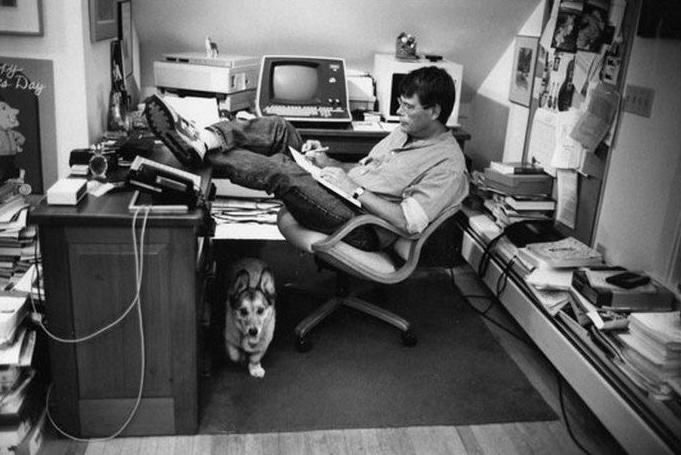
King writes every day, aiming for 2,000 words and rarely deviating. This intense routine highlights how consistency and perseverance fuel creativity.
17
Stephen King’s Political Voice
Beyond horror, King is an outspoken advocate on social and political issues, often weaving commentary into his stories or speaking out in interviews.
18
Friendships with Fellow Writers
King’s close friendships with writers like Peter Straub and Richard Matheson led to collaborations, showing how community shapes creativity.
19
The Power of Fear in King’s Work
King believes fear is the most primal human emotion, and his stories tap into it to explore deeper themes of courage, survival, and morality.
20
What’s Next for the Master of Horror?
Still writing into his seventies, King continues to push boundaries, reminding us that the greatest stories come from the strangest lives.