Urban subways are transportation systems, but also they’re living records of how cities grow, modernize, and reinvent themselves. Here we will explore the evolution of some of the world’s most iconic transit networks through striking historical and contemporary images.
You’ll see the ornate early stations of Buenos Aires in the mid-20th century, the bustling underground arteries of New York City at its 1904 opening and the elegant Art Nouveau entrances of Paris in the 1930s, each system began with its own distinct character and technological ambitions. Over time, these networks have expanded into complex, high-capacity systems filled with modern trains, digital signage, and redesigned platforms.
While you scroll through these before-and-after comparisons, you’ll see how public transit reflects the spirit of its city: its challenges, its creativity, and its ever-changing identity.
1
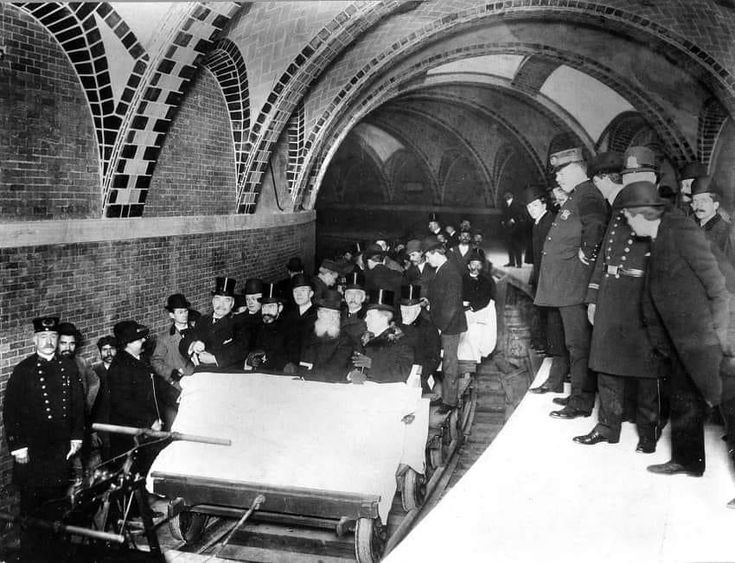
NYC Subway, Then
1904. The New York City Subway opens with its first underground line, featuring tile-lined stations and wooden cars running beneath Manhattan.
2
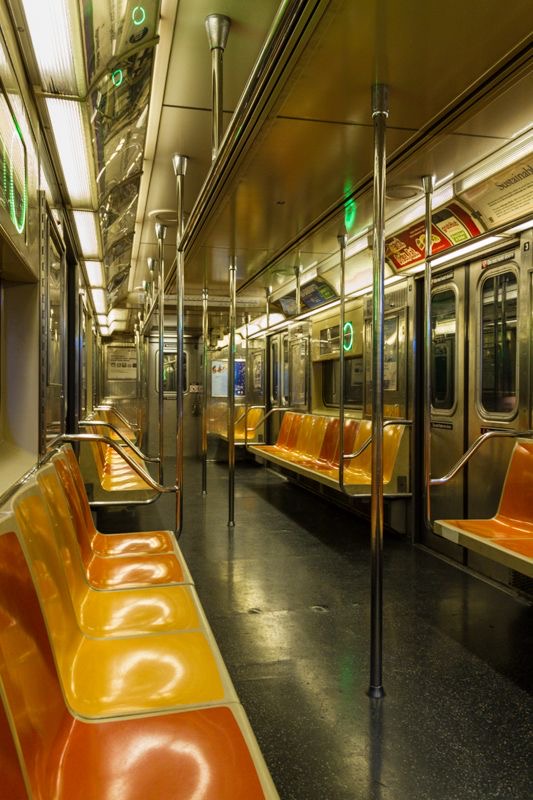
NYC Subway, Now
Today the NYC Subway is a massive 24/7 network with over 470 stations, modernized cars, digital signage, and ongoing upgrades to signals and accessibility.
3
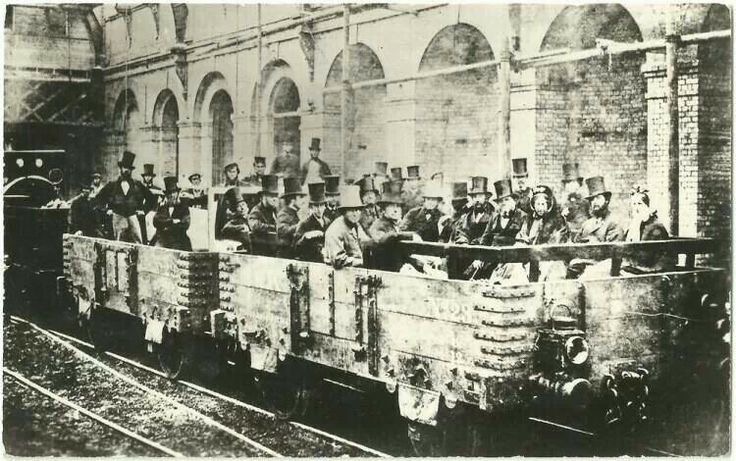
London Underground, Then
1863. The world’s first subway, the Metropolitan Railway, opens with steam-powered trains running through gas-lit tunnels beneath London.
4
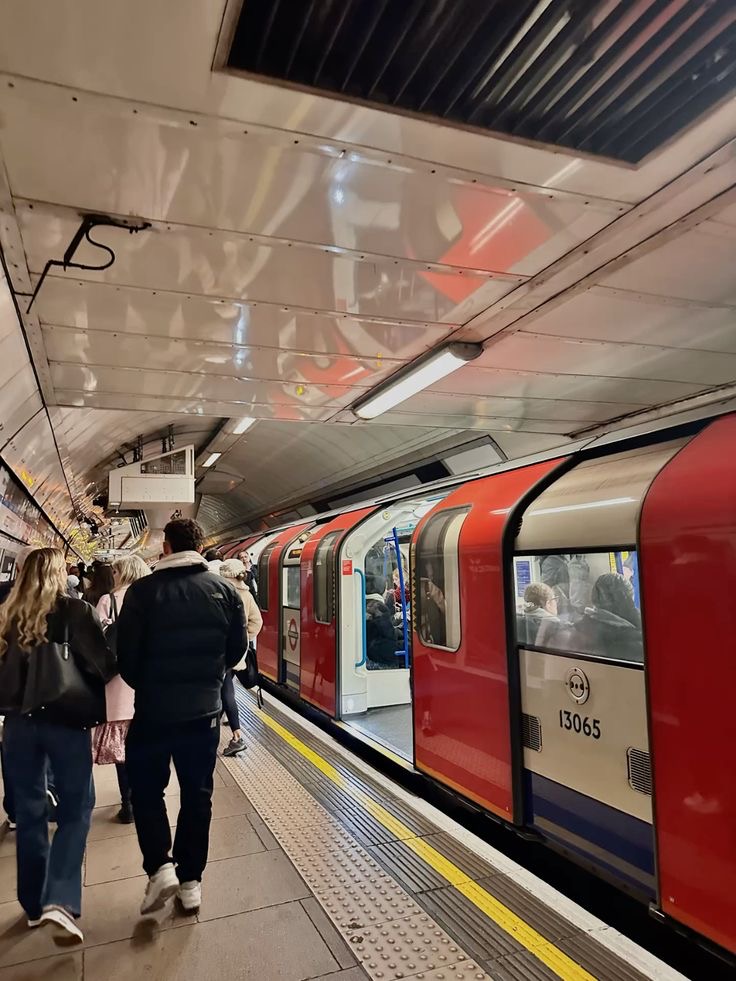
London Underground, Now
In 2025 the London Underground is a fully electrified, digitally managed system with modern rolling stock, upgraded stations, and the Elizabeth line integrated into the network.
5
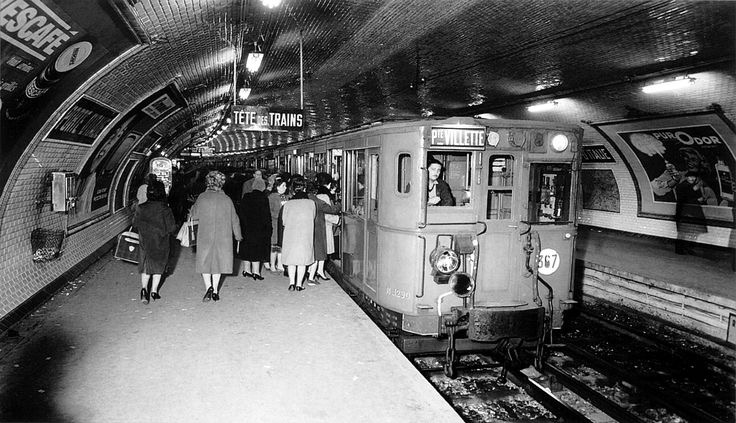
Paris Métro, Then
1930s. The Paris Métro features its classic Art Nouveau entrances, early rubber-tired trains, and dense lines connecting the rapidly growing city.
6
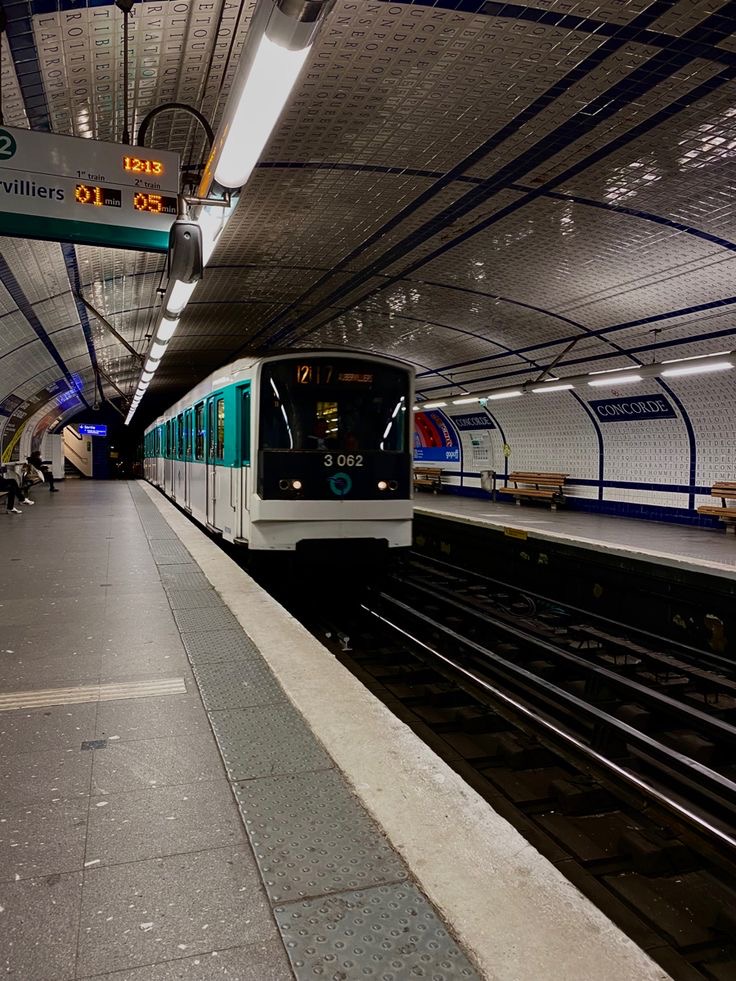
Paris Métro, Now
Today Paris’s subway is known for automation, sleek renovated stations, and modern rolling stock while still preserving its historic design style.
7
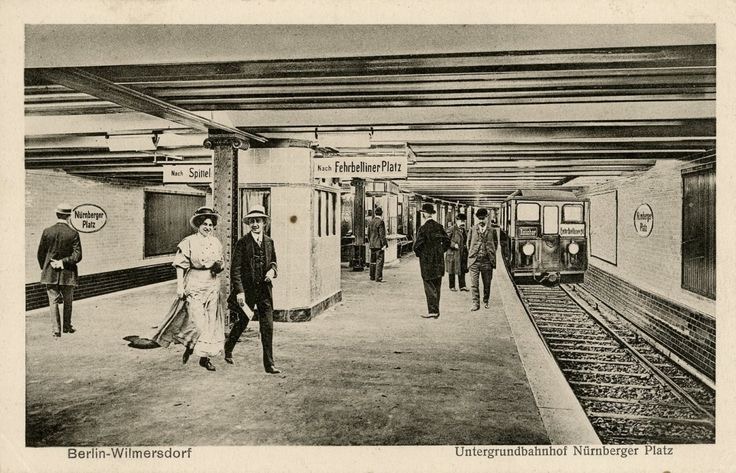
Berlin U-Bahn, Then
1902. Berlin’s U-Bahn begins service with elevated and underground tracks, early electric trains, and Jugendstil-influenced station architecture.
8
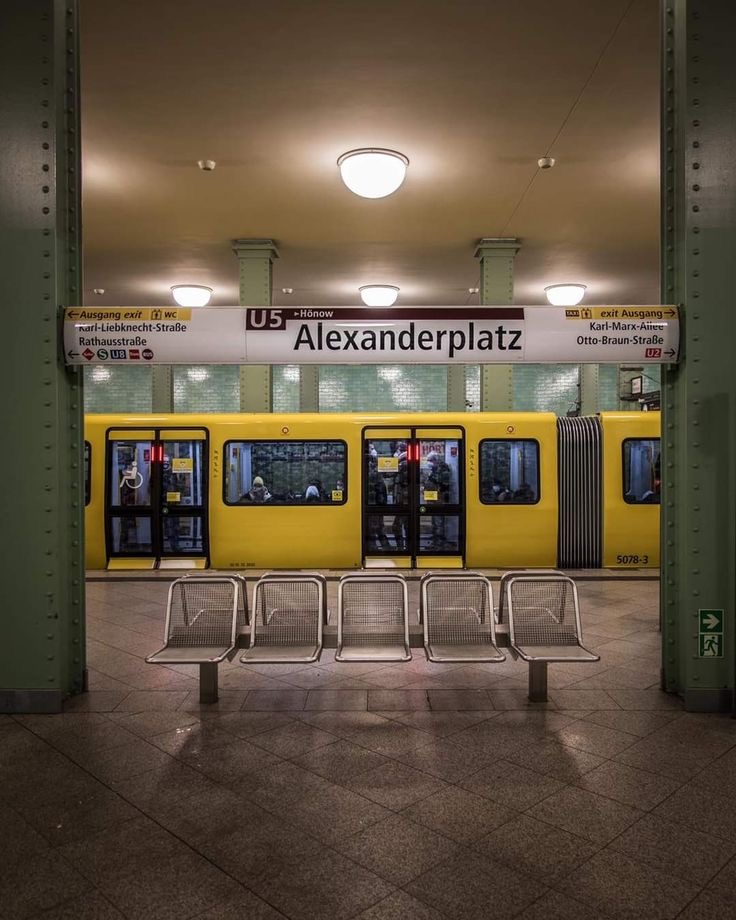
Berlin U-Bahn, Now
Now the U-Bahn is a fast, efficient system with redesigned stations, modern trains, and extensive connectivity across reunified Berlin.
9
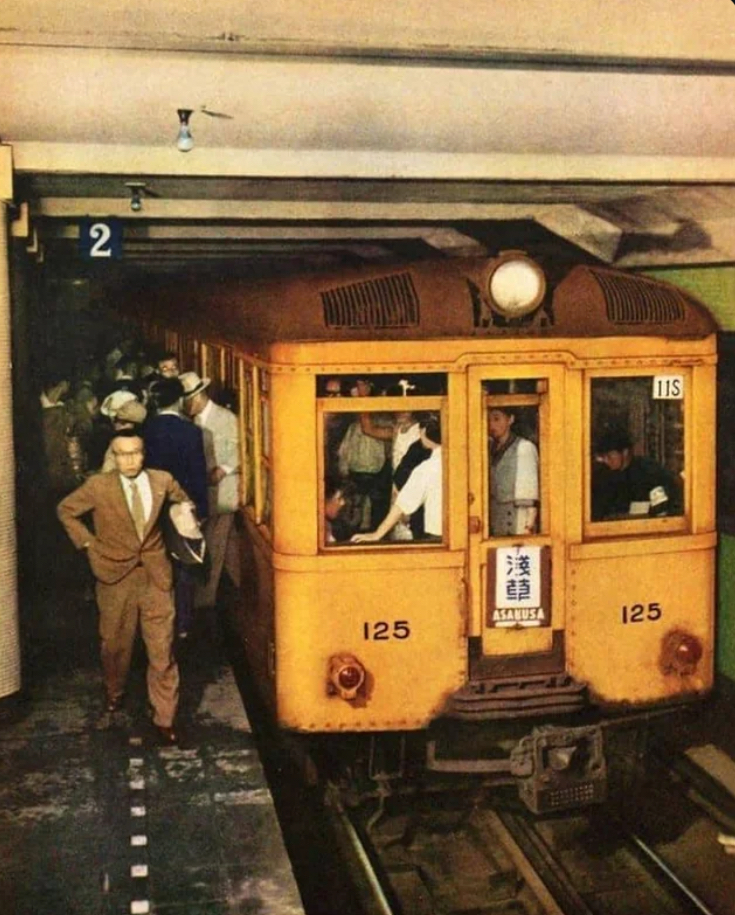
Ginza Station, Then
1930. Early Ginza Line stations showcase Japan’s first subway era, with simple platforms, tiled walls, and small electric cars.
10
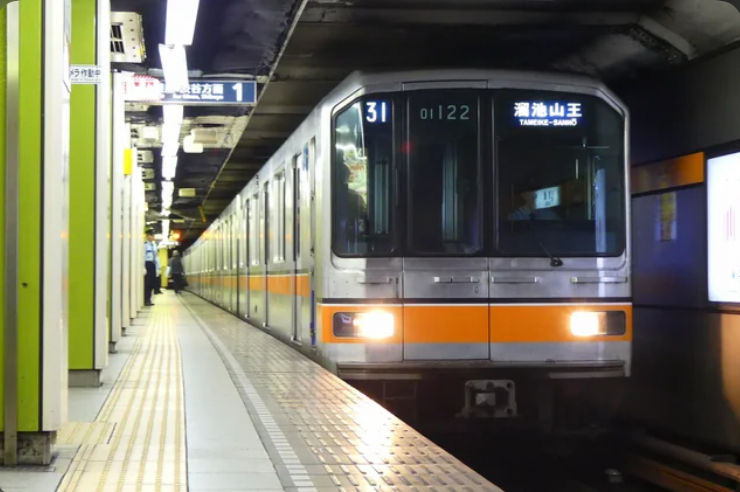
Ginza Station, Now
Today Ginza Station is a polished, high-tech hub with LED signage, modern trains, and some of the busiest commercial surroundings in Tokyo.
11
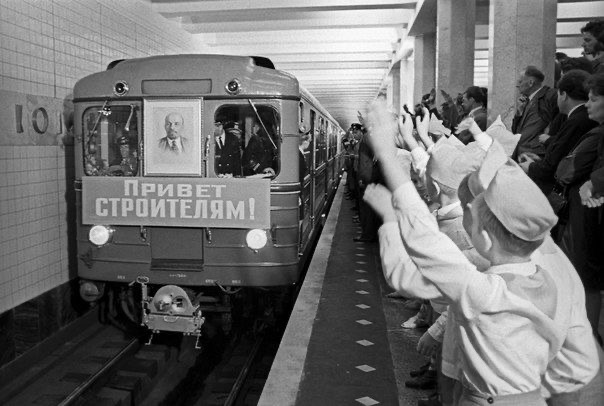
Moscow Station, Then
1969. Soviet-era stations feature ornate marble halls, mosaics, and grand chandeliers, designed as “palaces for the people.”
12
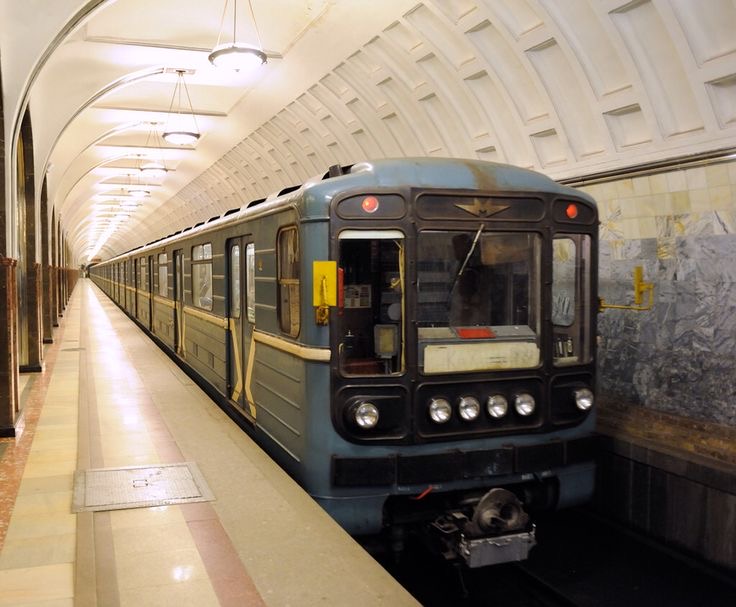
Moscow Metro, Now
The Moscow Metro today blends its famous palace-style stations with modern extensions, updated trains, and widely expanded suburban lines.
13
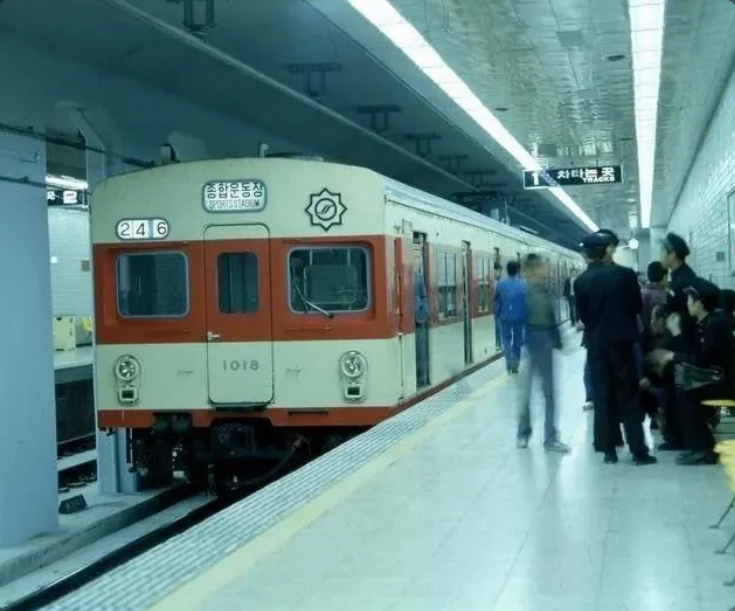
Seoul Metro, Then
1970s. Seoul’s first metro lines open with basic platforms, simple infrastructure, and early rolling stock reflecting rapid modernization.
14
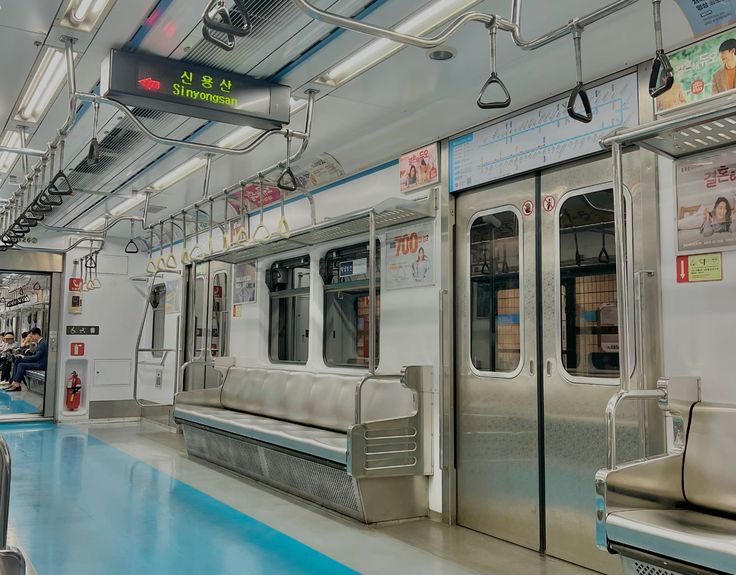
Seoul Metro, Now
Now Seoul’s subway is one of the world’s most advanced, featuring screen doors, high-tech stations, real-time digital navigation, and impeccably clean trains.
15
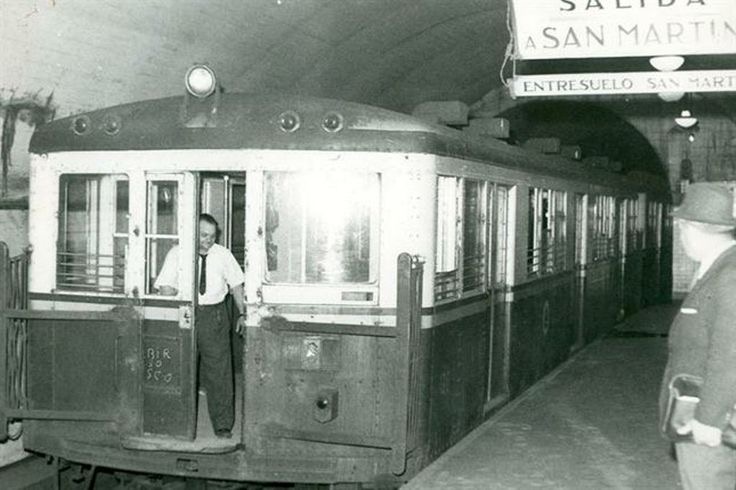
Buenos Aires Subte, Then
1966. The Subte still operates iconic wooden La Brugeoise cars on Line A, preserving early 20th-century design in daily service.
16
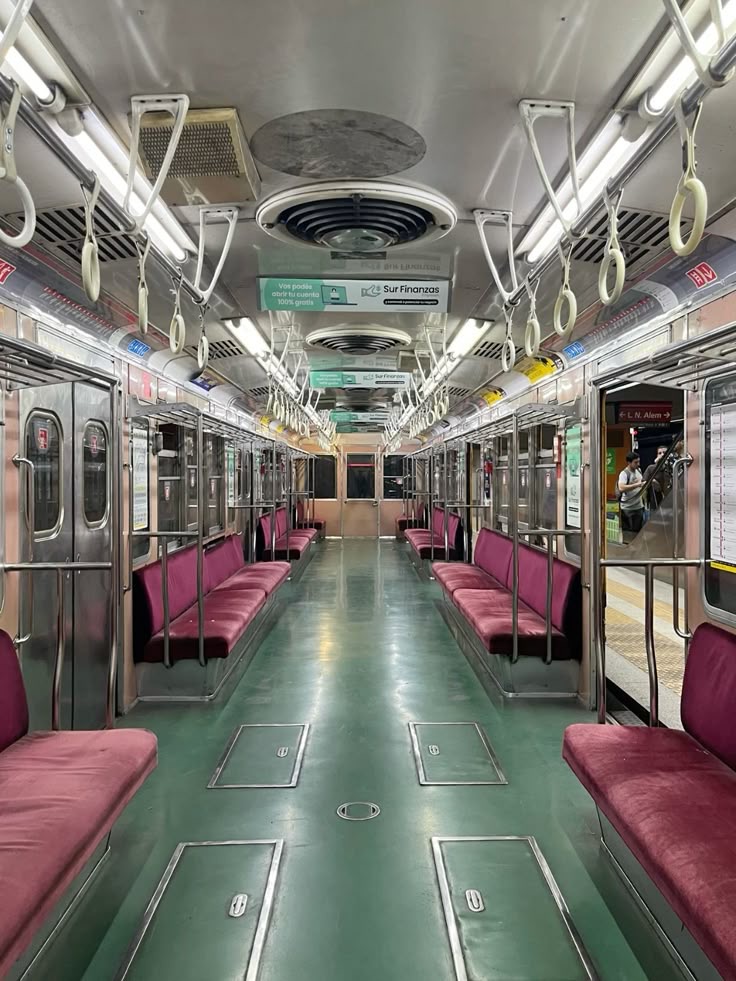
Buenos Aires Subte, Now
Today the Buenos Aires Subte uses modern trains and expanded lines, combining historic stations with ongoing renovation across the network.
17
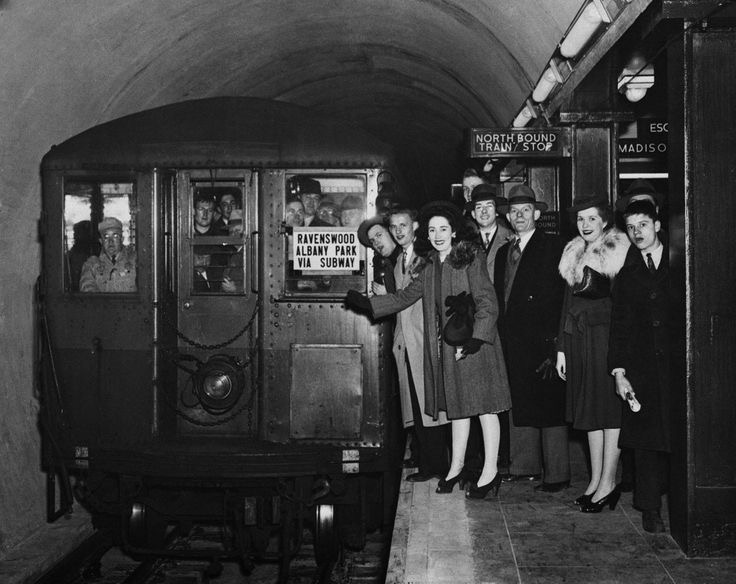
Chicago ‘L’, Then
1892. Chicago’s elevated trains debut with steel trestles, wooden cars, and early electric traction forming the backbone of the city’s rapid transit.
18
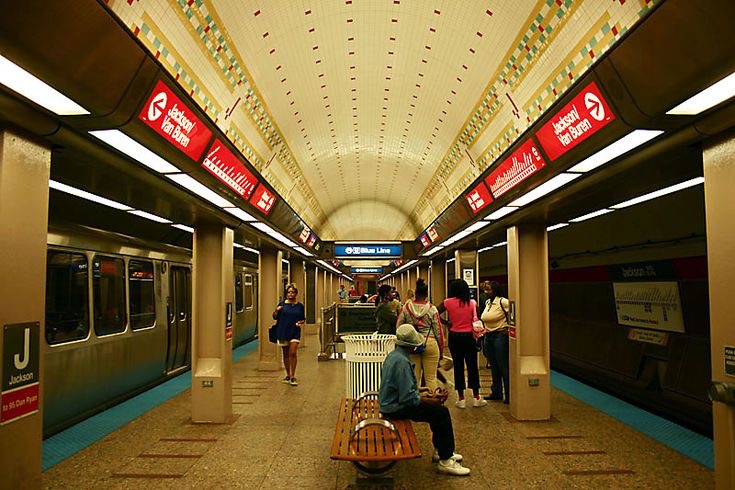
Chicago ‘L’, Now
Now the Chicago ‘L’ features upgraded tracks, new-generation trains, digital systems, and extensive service across the city and suburbs.
19
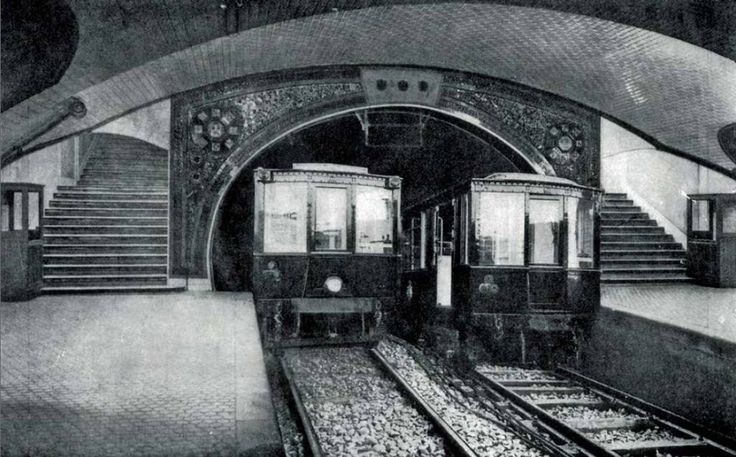
Madrid Metro, Then
1919. Madrid opens its first metro line from Sol to Cuatro Caminos, featuring narrow platforms, early electric trains, and simple tile stations.
20
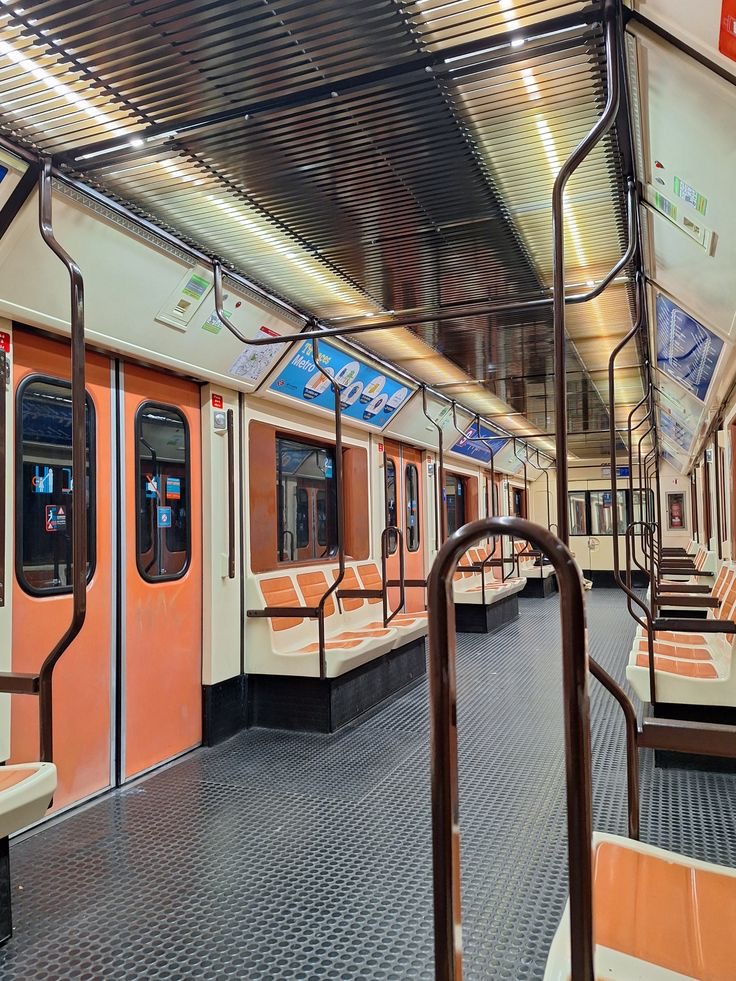
Madrid Metro, Now
Today the Madrid Metro is one of Europe’s largest, with expansive modern stations, updated rolling stock, and fast connections throughout the region.