The ’60s blasted the doors open with colors loud enough to wake the neighbors.
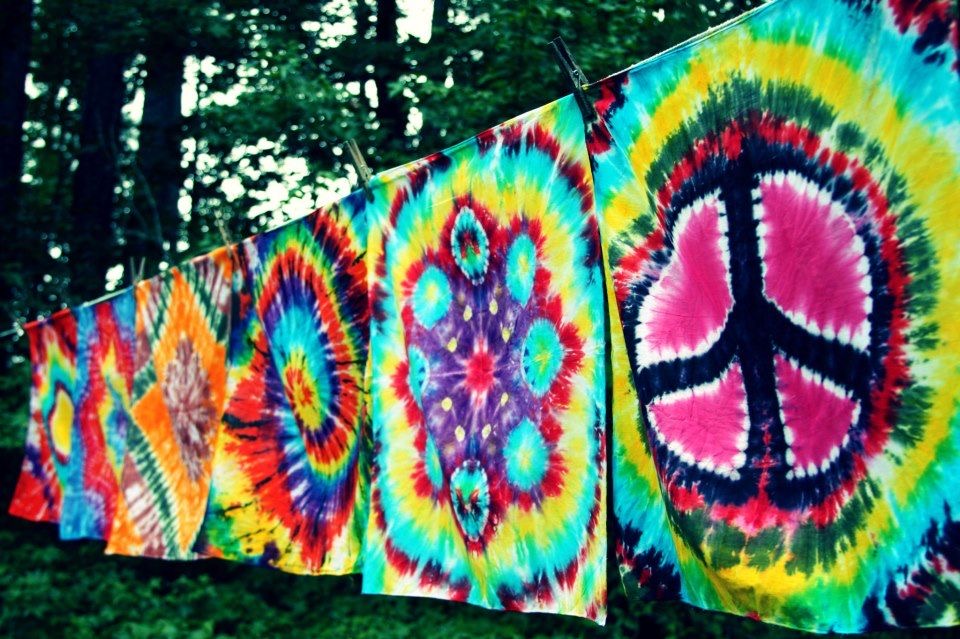
Psychedelic concert posters became their own universe: melting letters, swirling shapes, designs that looked like they were breathing if you stared long enough. Tie-dye took over every closet, turning shirts into spinning galaxies you could wear to school, to a show, or straight into a drum circle. And of course, the hippies: peace signs, flower crowns, bare feet, and a lifestyle that made the rest of the country raise an eyebrow while secretly wishing they had the guts to join in.
These fads were unforgettable. They rewired style, music, and attitudes in ways we still feel today. Get ready to scroll through the wild, colorful, wonderfully bizarre trends that turned a decade into a full-blown trip. Let’s dive in.
1
Psychedelic Fashion
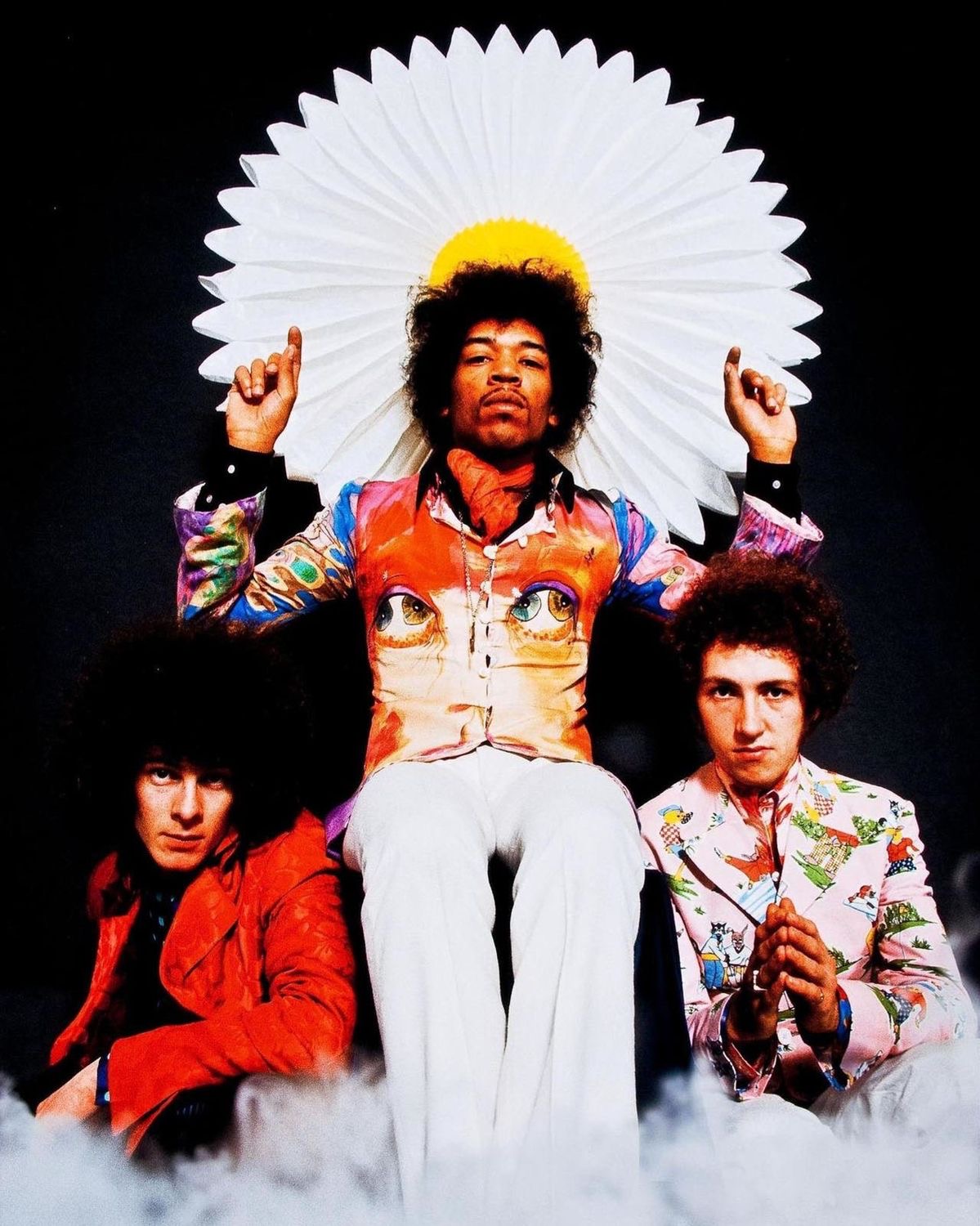
Bold, trippy prints and a break from conventional silhouettes: tie-dye, paisley patterns, colorful beads & fringe, etc. Designers like Ossie Clark and boutiques in London’s Carnaby Street helped spread the look.
2
Psychedelic Rock
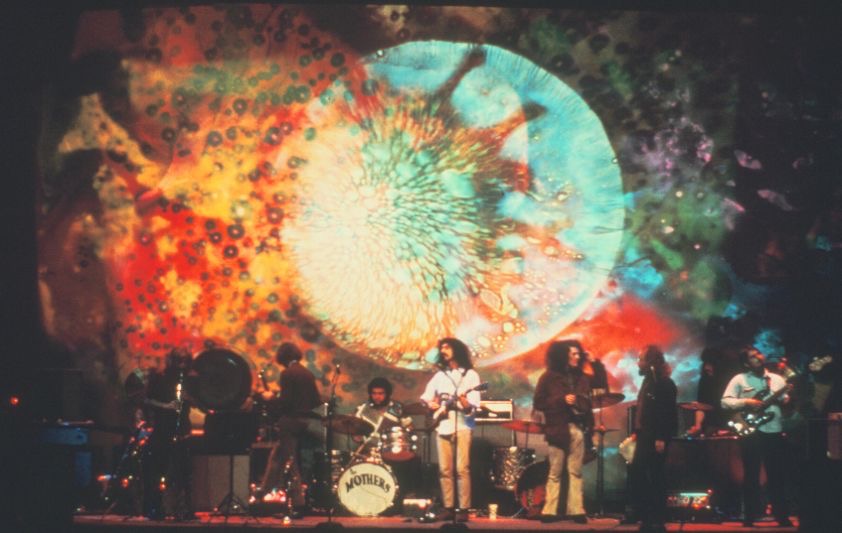
A new music genre blending experimental sounds, distortion, Eastern instruments, and surreal lyrics. Bands like The Jimi Hendrix Experience, Pink Floyd, etc. are examples. Concerts often included light shows, projections, and improvisational jams, creating full sensory experiences.
3
Mind-expanding Spirituality & “New Age” Currents
The counterculture blended psychedelic experiences with: Eastern religions (Hinduism, Buddhism), meditation, the rise of gurus (e.g., Maharishi Mahesh Yogi) and communal living.
4
The Poster & Handbill Craze
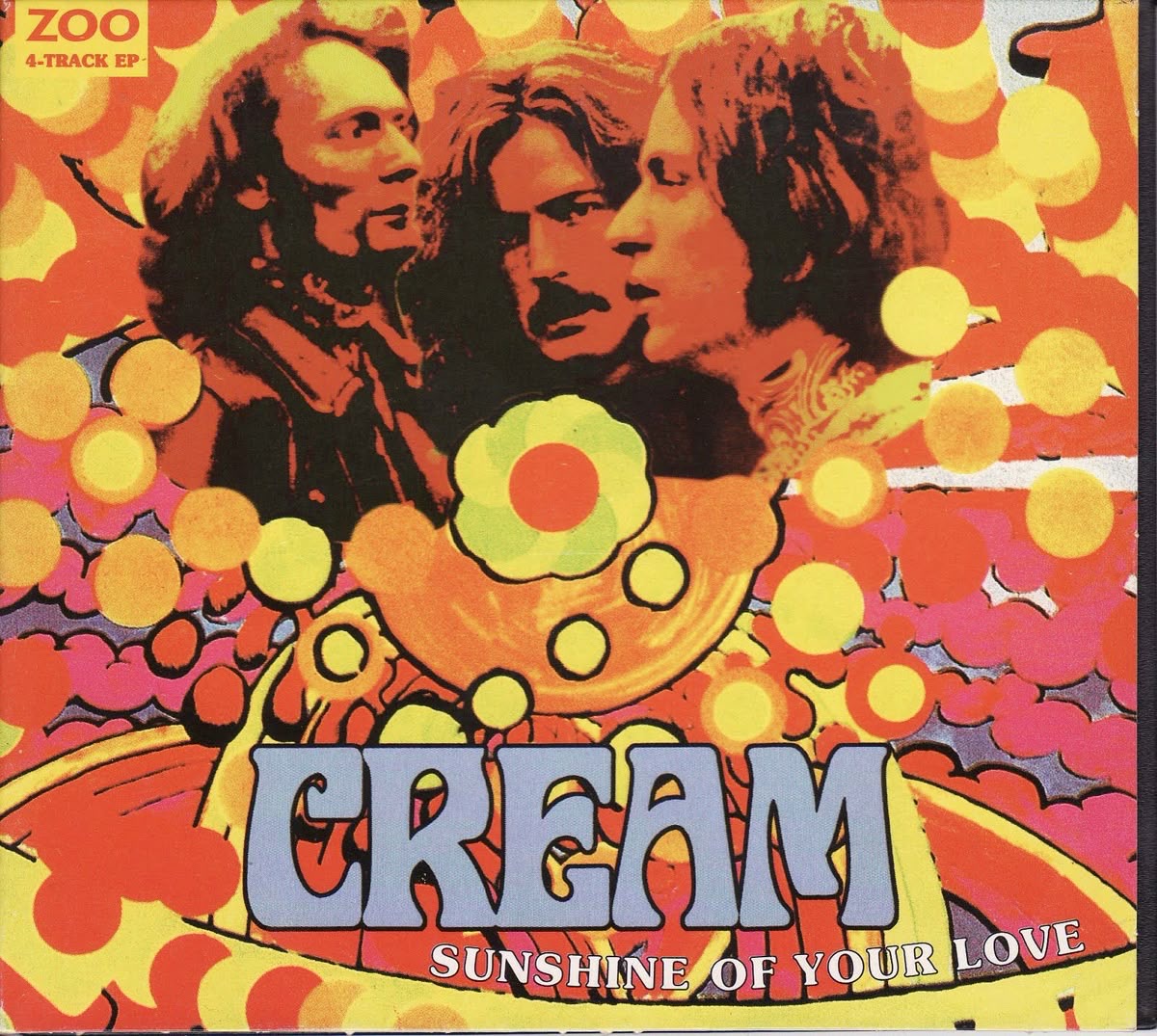
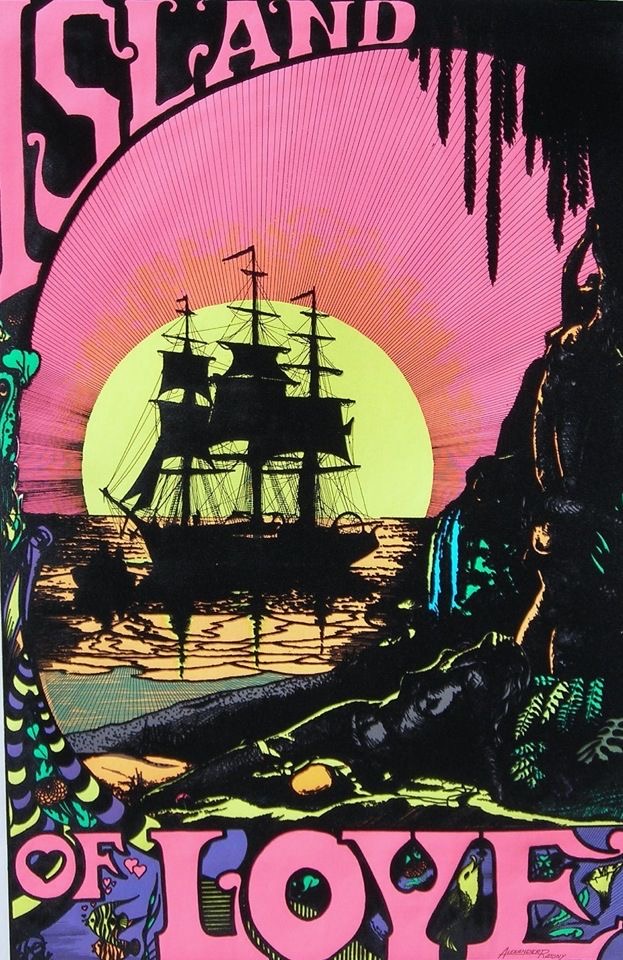
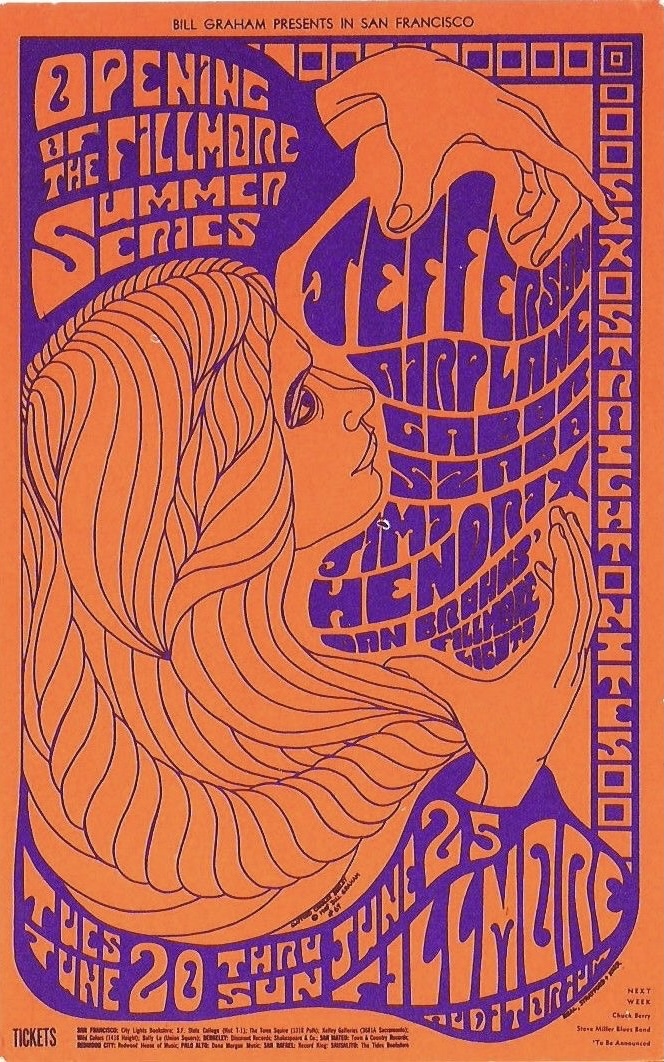
Collecting psychedelic concert posters became a cultural phenomenon among the youth. The hyper-vibrant posters advertised bands like Cream, The Doors, and Big Brother & the Holding Company.
5
Psychedelic Film & Animation
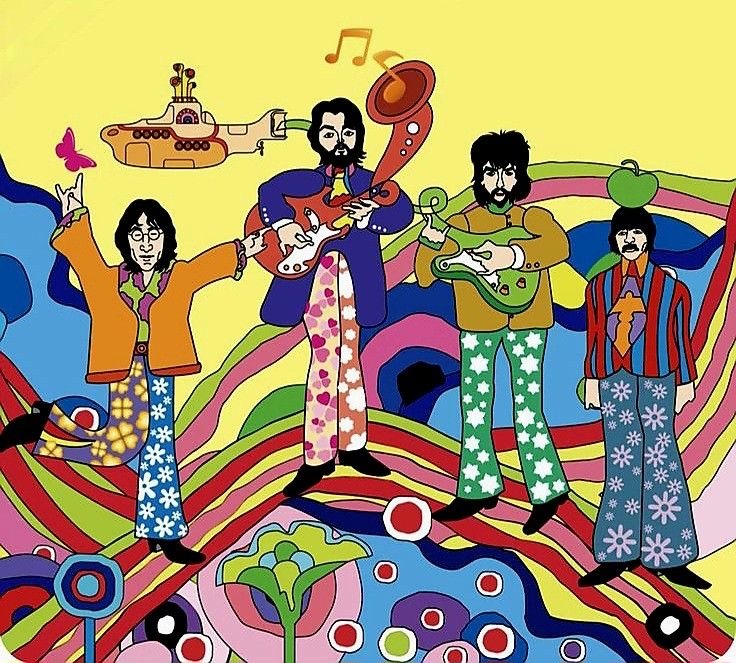
Surreal, non-linear film styles gained popularity, like Yellow Submarine (1968). Experimental underground films by artists like Stan Brakhage.
6
The Hippie Movement
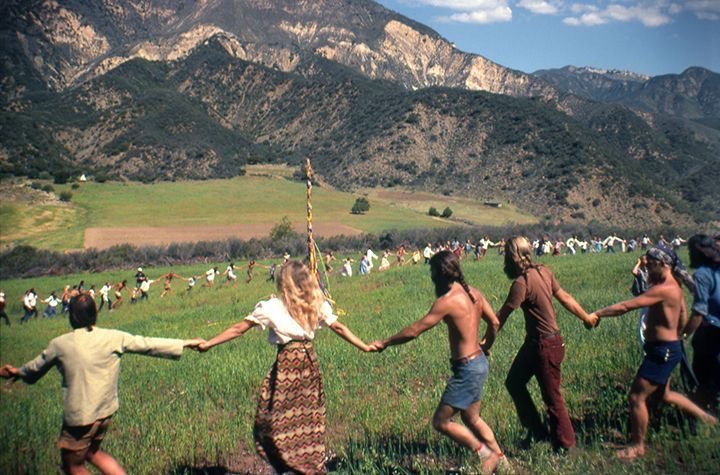
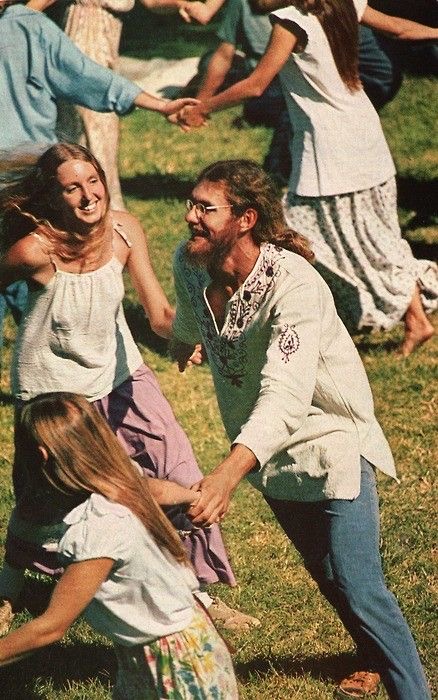
The broader hippie lifestyle became synonymous with psychedelic culture. This included: communal households, anti-war protests, free love, natural foods and outdoor festivals (Monterey Pop Festival, Woodstock).
7
Light Shows & Multimedia “Happenings”
Concerts and parties used projectors, oils, colored gels, and strobes to create immersive sensory events. Groups like The Joshua Light Show became famous for this.
8
Psychedelic Literature
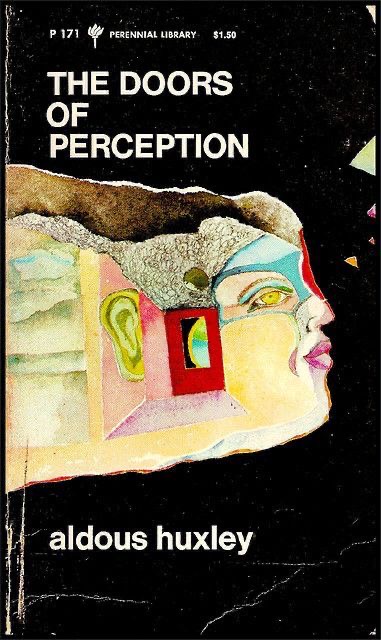
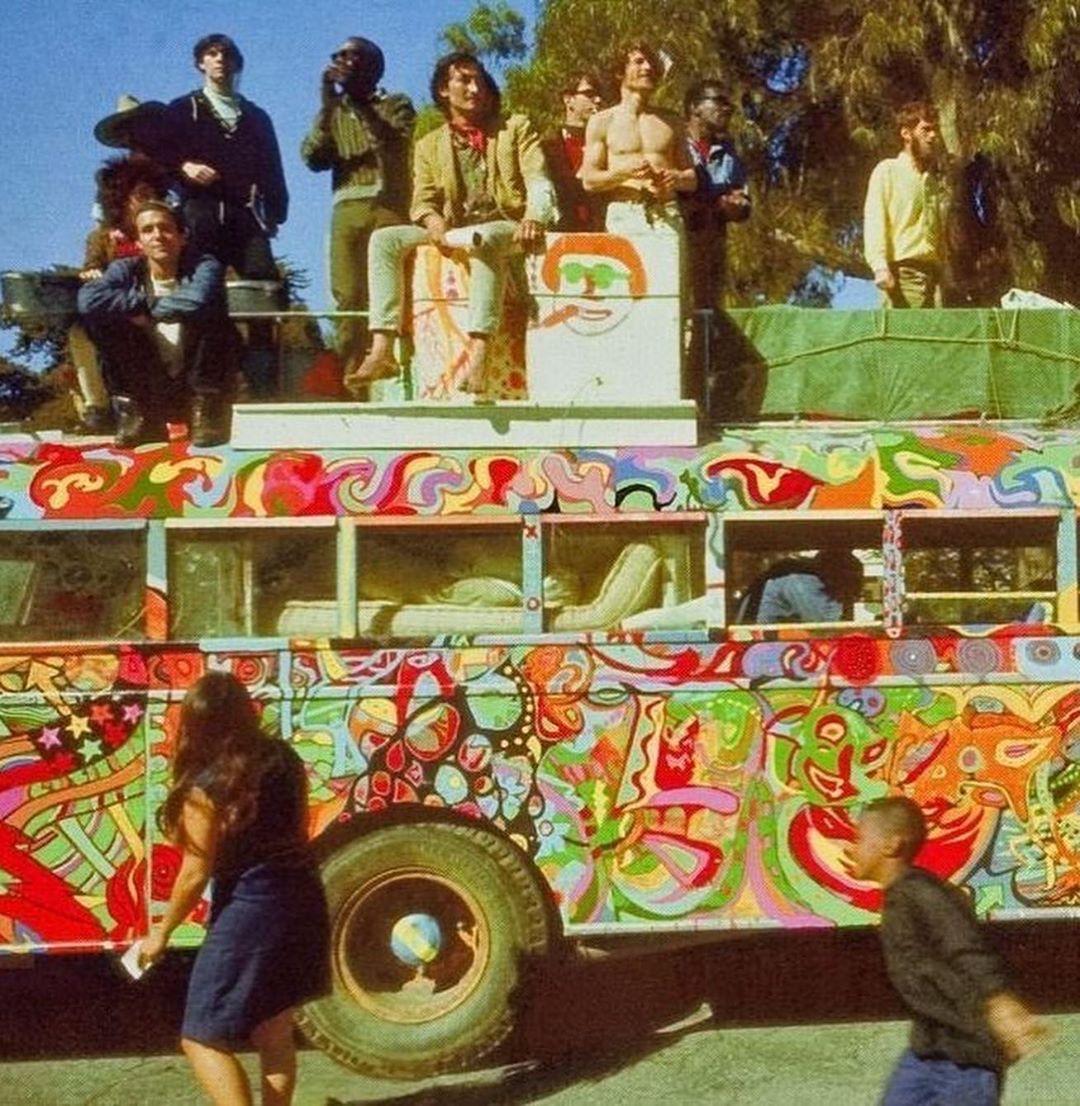
Authors influenced by or exploring altered states gained prominence: Aldous Huxley (The Doors of Perception), Timothy Leary, Ken Kesey (One Flew Over the Cuckoo’s Nest, and the Merry Pranksters), Tom Wolfe (The Electric Kool-Aid Acid Test).
9
Psychedelic Home Décor
Bright, swirling interiors became trendy, especially among young adults and college students. Common features: Lava lamps, Blacklight posters, UV-reactive paints, Fluorescent bead curtains, Geometric or paisley wallpaper. These created “trippy” ambient rooms meant to mimic or complement psychedelic visuals.
10
Psychedelic Science & Parapsychology Craze
Before research restrictions, psychedelics sparked public fascination with: ESP and telepathy, altered states of consciousness, sensory deprivation, expanded consciousness; Books, magazines, and TV specials explored these ideas, often mixing science with speculation.
11
Op Art (Optical Art) Explosion
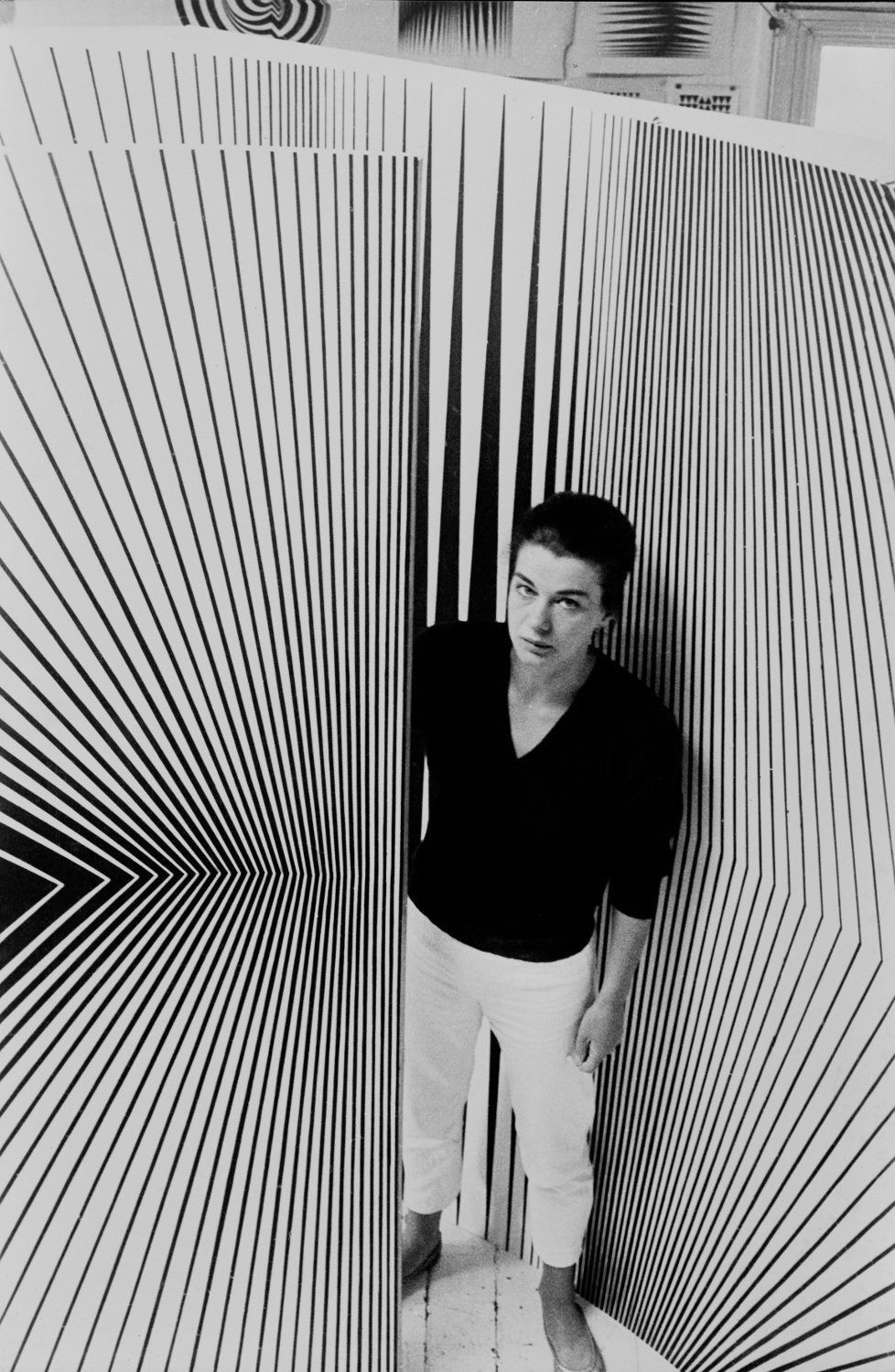
Though not inherently drug-related, op art aligned perfectly with psychedelic aesthetics and quickly became part of the fad. Artists like Bridget Riley and Victor Vasarely created eye-bending, vibrating patterns that appeared to move or pulse.
12
Psychedelic Radio & “Freeform” FM
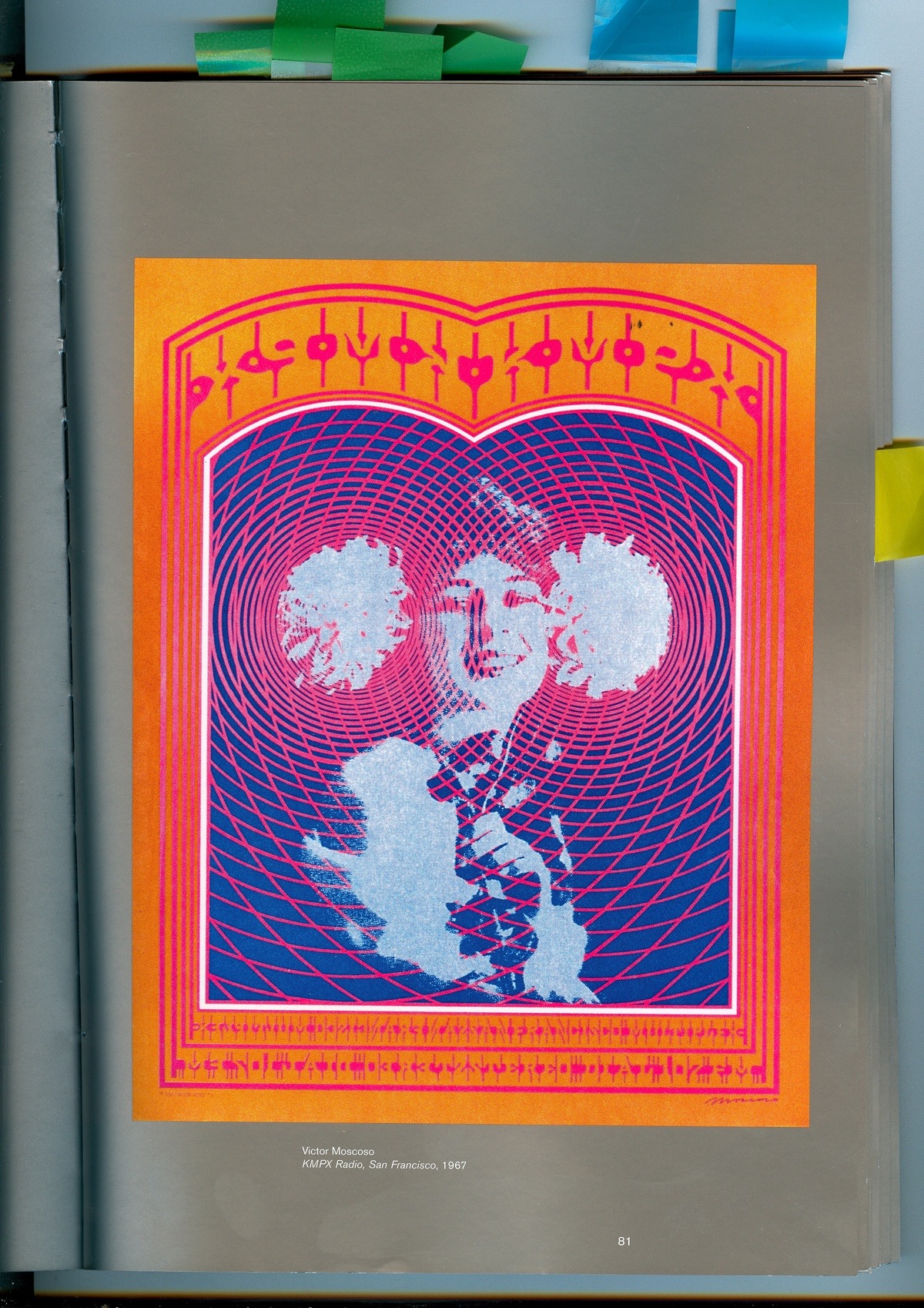
FM radio shifted from rigid playlists to freeform shows where DJs played long tracks, experimental music, and full album sides. Stations like KMPX and KSAN in San Francisco helped spread counterculture sounds.
13
Prankster Culture & “Happenings”
Immersive, chaotic events intended to break down social norms. These included: The Merry Pranksters’ “Acid Tests”, spontaneous street performances, multimedia art-spectacle gatherings. They were part theater, part party, part psychedelic experiment.
14
Psychedelic Ecology & Back-to-the-Land Ideals
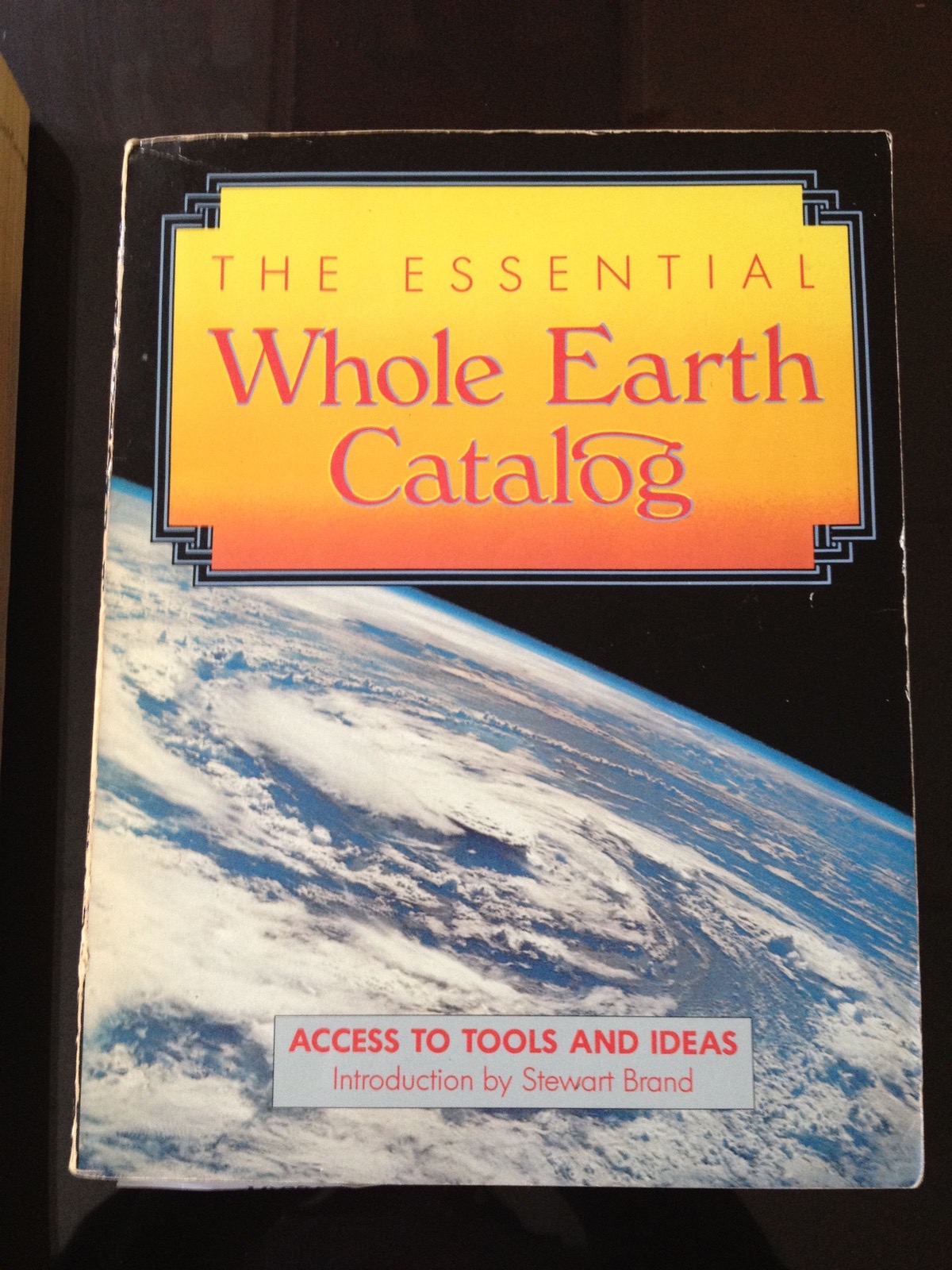
Psychedelic culture inspired a renewed reverence for nature. Common expressions: organic gardening and communal farms, natural food diets (macrobiotics, vegetarianism), “living lightly” experiments, ecological art and Earth-focused spirituality. The Whole Earth Catalog (1968) became a bible for DIY, eco-conscious living.
15
Psychedelic Art
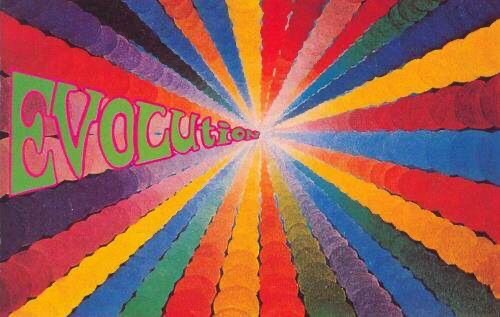
Highly saturated colors, swirling patterns, kaleidoscopic imagery, and distorted typography defined this visual revolution. Artists like Wes Wilson, Victor Moscoso, and Rick Griffin became icons.