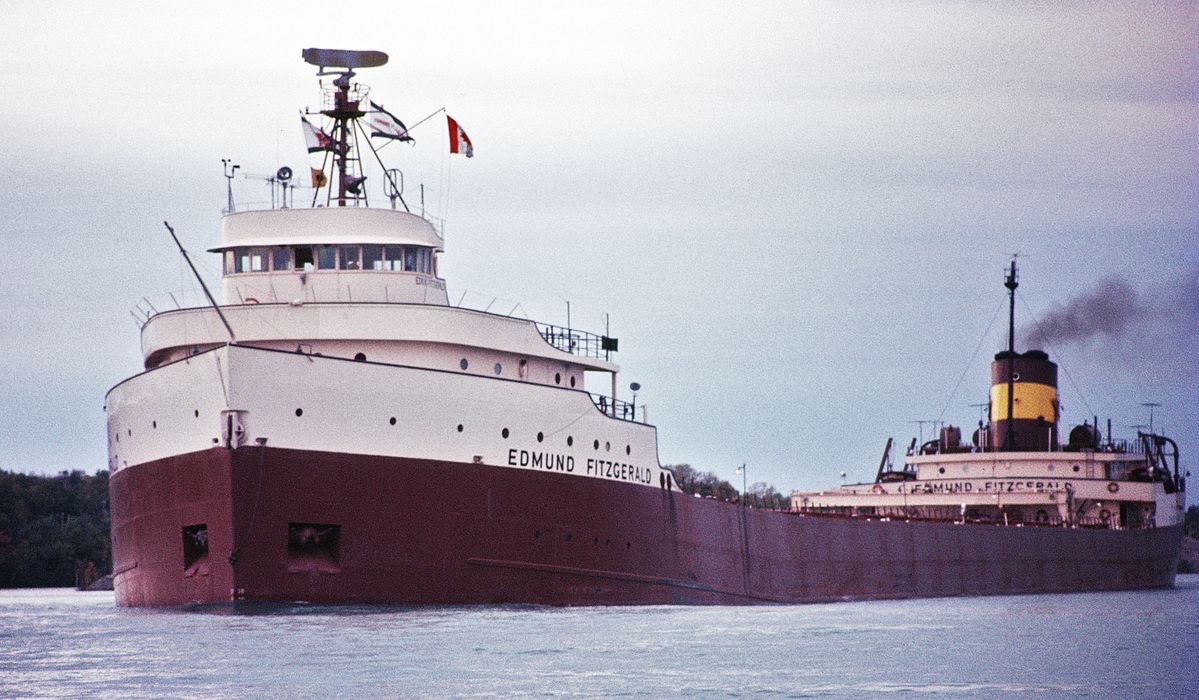
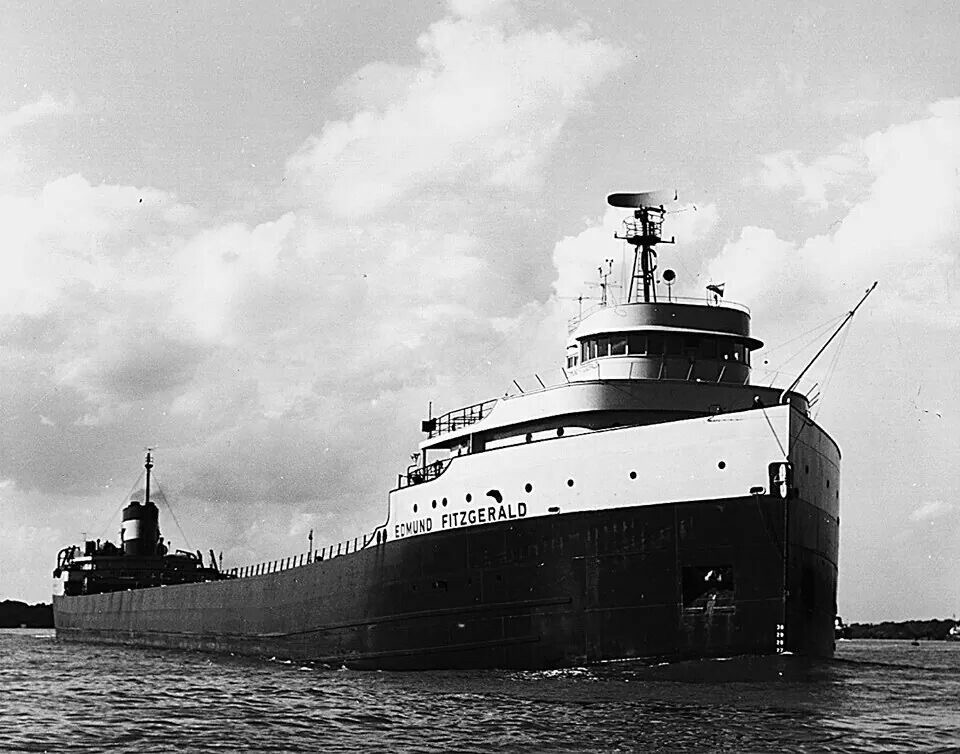
On November 10, 1975, the SS Edmund Fitzgerald, (a 729-foot Great Lakes freighter once hailed as the “Queen of the Great Lakes”), vanished beneath the icy waters of Lake Superior. All 29 crew members were lost. In the decades since, journalists, divers, and maritime historians have pieced together the ship’s final hours through official reports, survivor testimonies from nearby vessels, and underwater expeditions.
The Fitzgerald departed Superior, Wisconsin, on November 9, 1975, under the command of Captain Ernest M. McSorley, carrying over 26,000 tons of taconite pellets. Less than 24 hours later, battered by 25-foot waves and hurricane-force gusts, the ship made her final radio call: “We are holding our own.” Minutes later, she disappeared from radar.
This slideshow retraces the ship’s final voyage, the search that followed, and the haunting legacy that still resonates across the Great Lakes.
1
The Wreck of the Edmund Fitzgerald Told
On November 10, 1975, the Great Lakes claimed one of their most famous ships, and 29 men, in a tragedy that still echoes through song and story today.
2
The “Mighty Fitz” Sets Sail
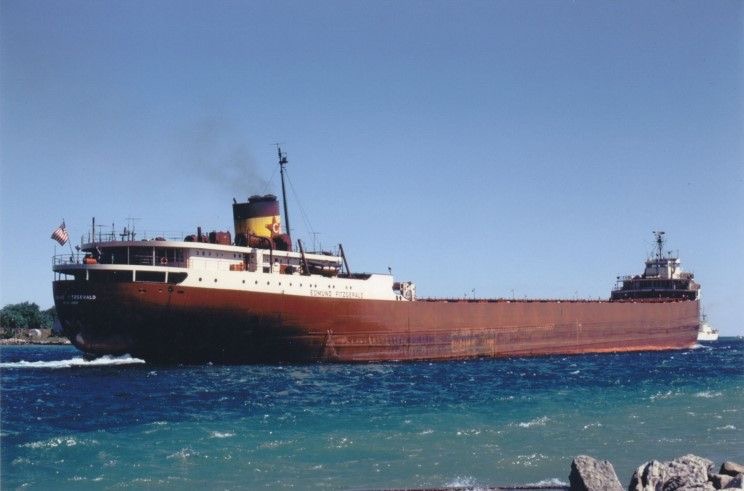
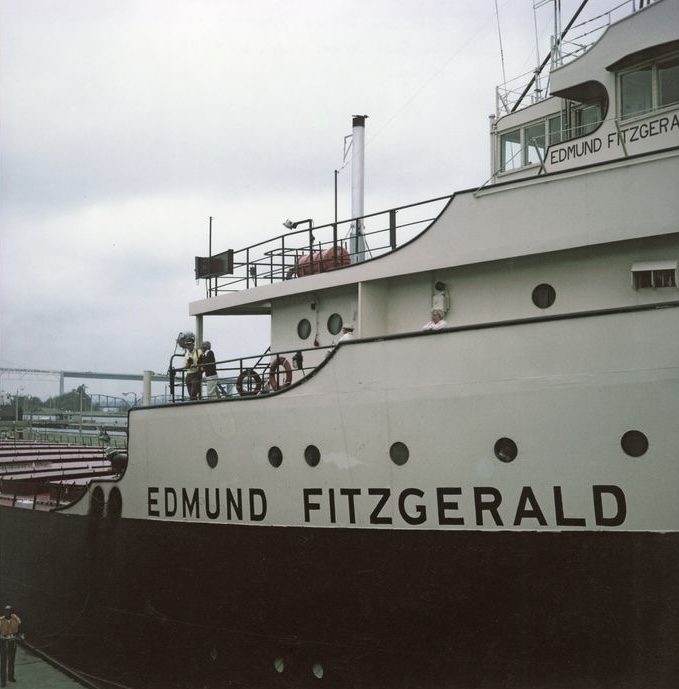
Launched in 1958, the SS Edmund Fitzgerald was the largest ship on the Great Lakes. 729 feet long, built to haul taconite iron ore from Duluth, Minnesota, to steel mills across the Midwest.
3
The Storm That Changed Everything
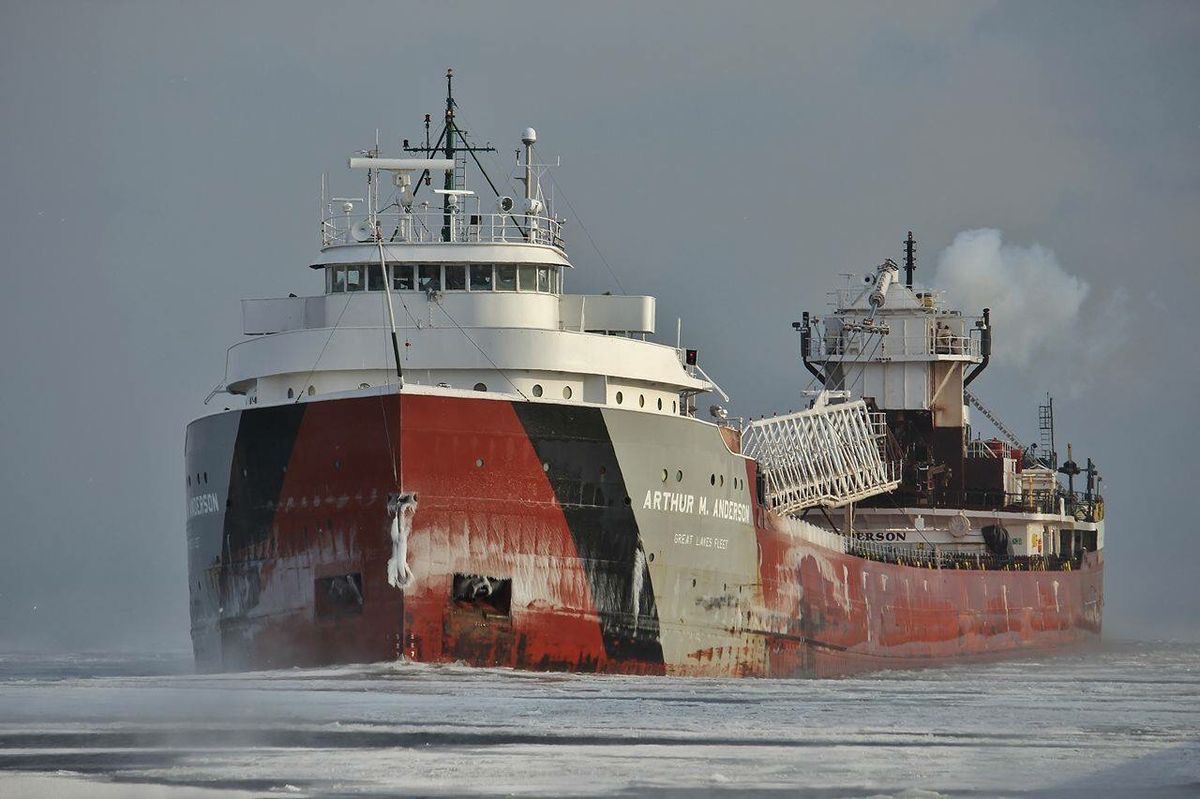
On November 9, 1975, the Fitzgerald departed Superior, Wisconsin, alongside the Arthur M. Anderson. Weather forecasts warned of a growing gale, but storms were part of life on the Lakes.
4
The Storm Intensifies
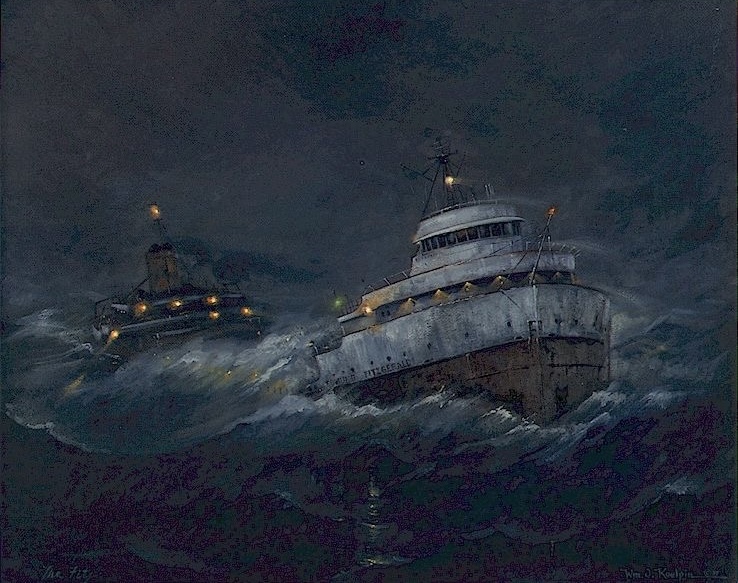
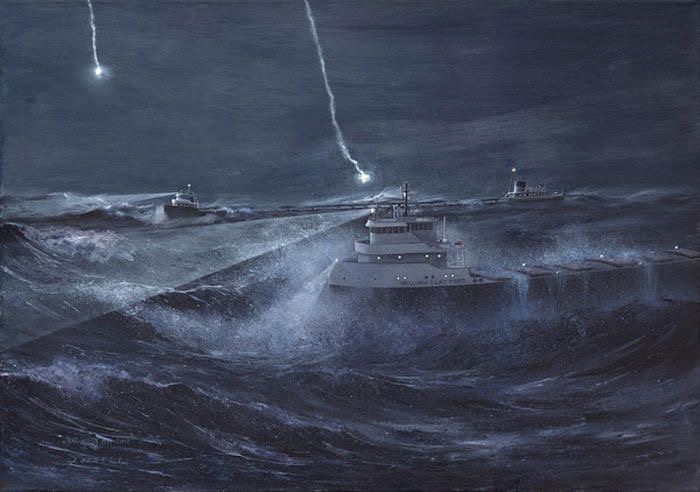
By the afternoon of November 10, the Fitzgerald was caught in hurricane-force winds and 25-foot waves. Radio contact crackled as McSorley reported: “We are holding our own.”
5
Hard Work and High Spirits
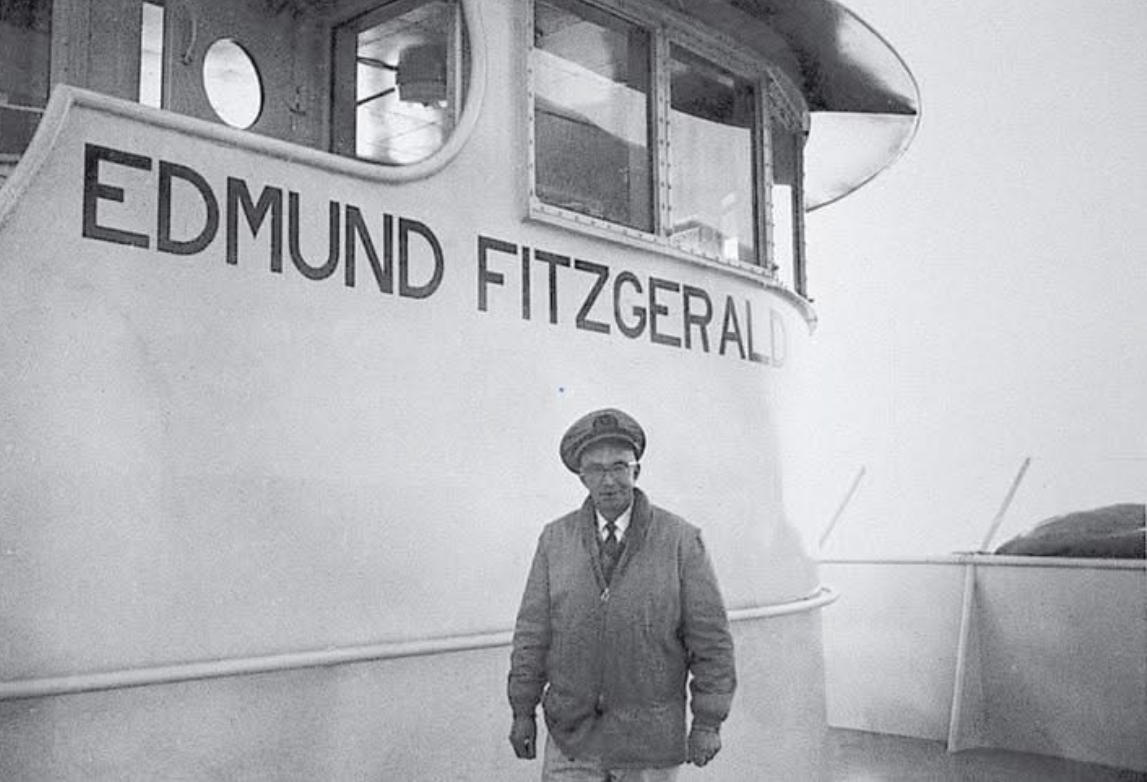
Captain Ernest M. McSorley led a crew of 29 seasoned sailors, men accustomed to the challenges of Lake Superior, unaware that their final voyage was ahead.
6
“We’re Holding Our Own” The Final Words
At 7:10 p.m., the Arthur M. Anderson lost radar contact. Moments earlier, McSorley had given his last transmission. Within minutes, the Fitzgerald disappeared beneath Lake Superior. (Painting: "Where Are They?" by Doris Sampson)
7
Darkness, Snow, and Silence
The Coast Guard and nearby ships battled freezing snow and towering waves to find survivors, but none were ever found. Debris and oil slicks were all that remained.
8
The Wreck Found in Two Pieces
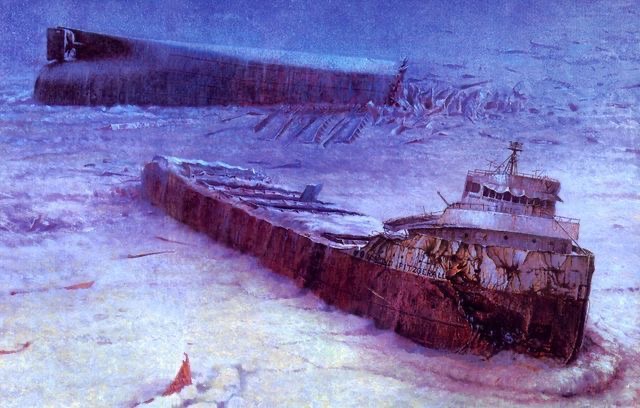
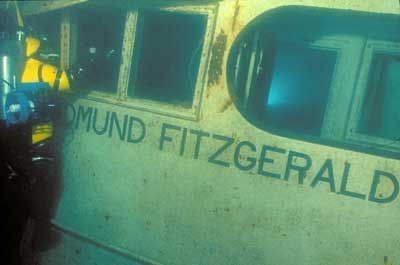
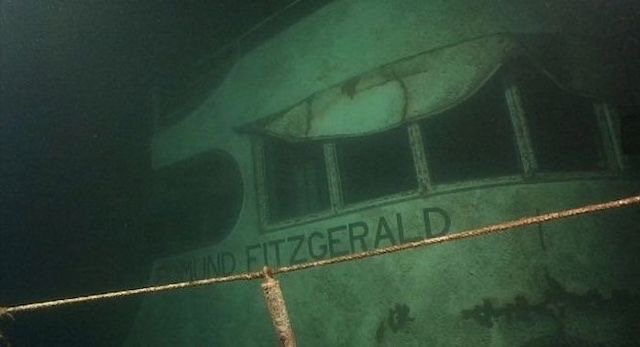
In May 1976, sonar revealed the Fitzgerald in 530 feet of water broken in two, lying quiet on the cold floor of Lake Superior. The cause of her sinking remains debated to this day.
9
What Brought the Fitz Down?
Was it a rogue wave? Structural failure? Hatch cover damage? Theories abound, but the truth lies sealed in Superior’s icy depths.
10
Gordon Lightfoot’s Lament
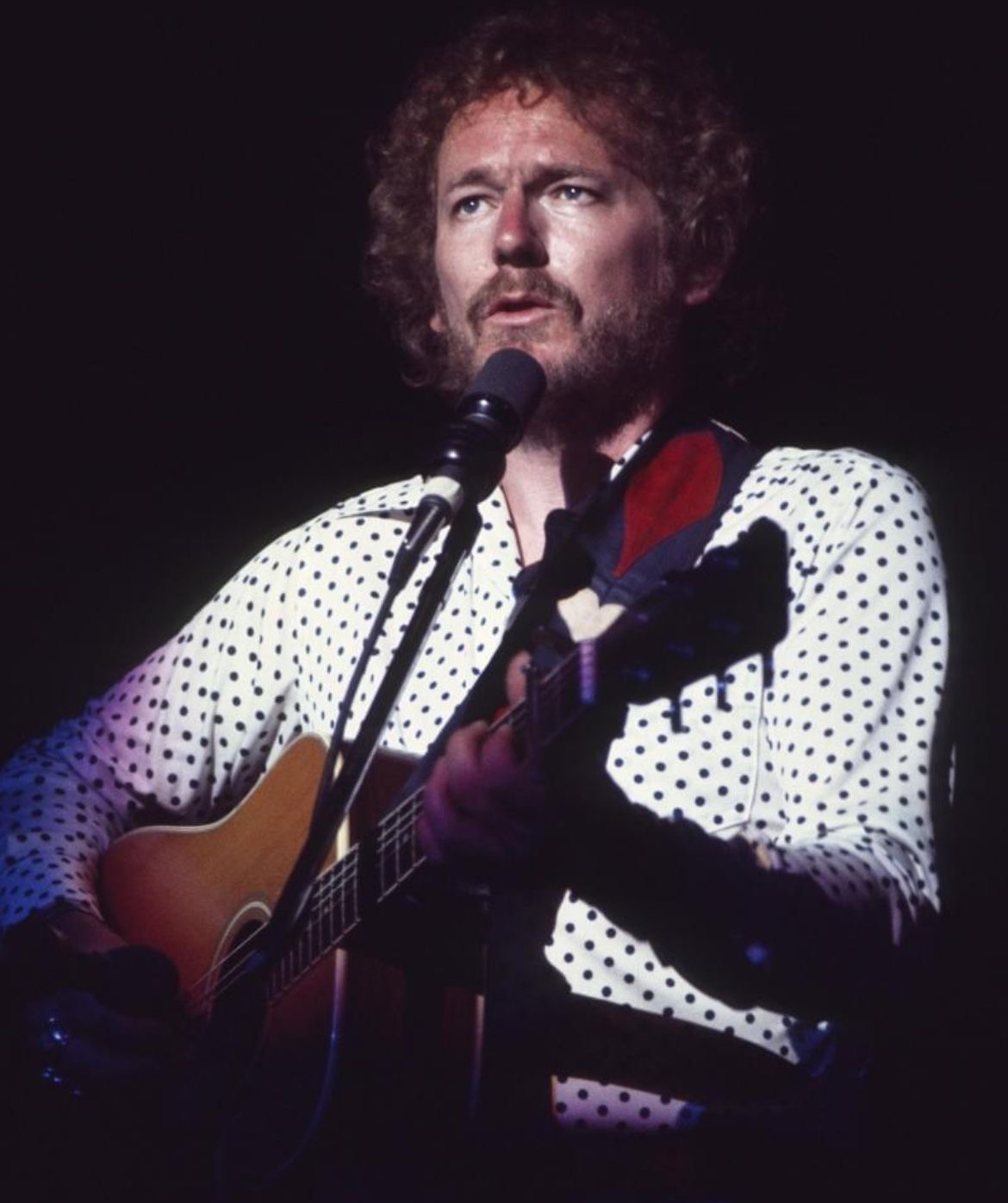
In 1976, Canadian songwriter Gordon Lightfoot released “The Wreck of the Edmund Fitzgerald.” The haunting ballad transformed tragedy into timeless tribute, ensuring the ship’s story would never fade.
11
Names Etched in Memory
Every November 10, at the Mariners’ Church of Detroit, the ship’s bell tolls 29 times; once for each man lost, and once more for all who have perished on the Great Lakes.
12
The Legend Lives On
With the 50th anniversary, the story of the Edmund Fitzgerald remains a symbol of human courage, nature’s power, and the enduring pull of the Great Lakes’ mysteries.