Then and now
Some of the very first of its kind and the best of today
Published 11 years ago
1
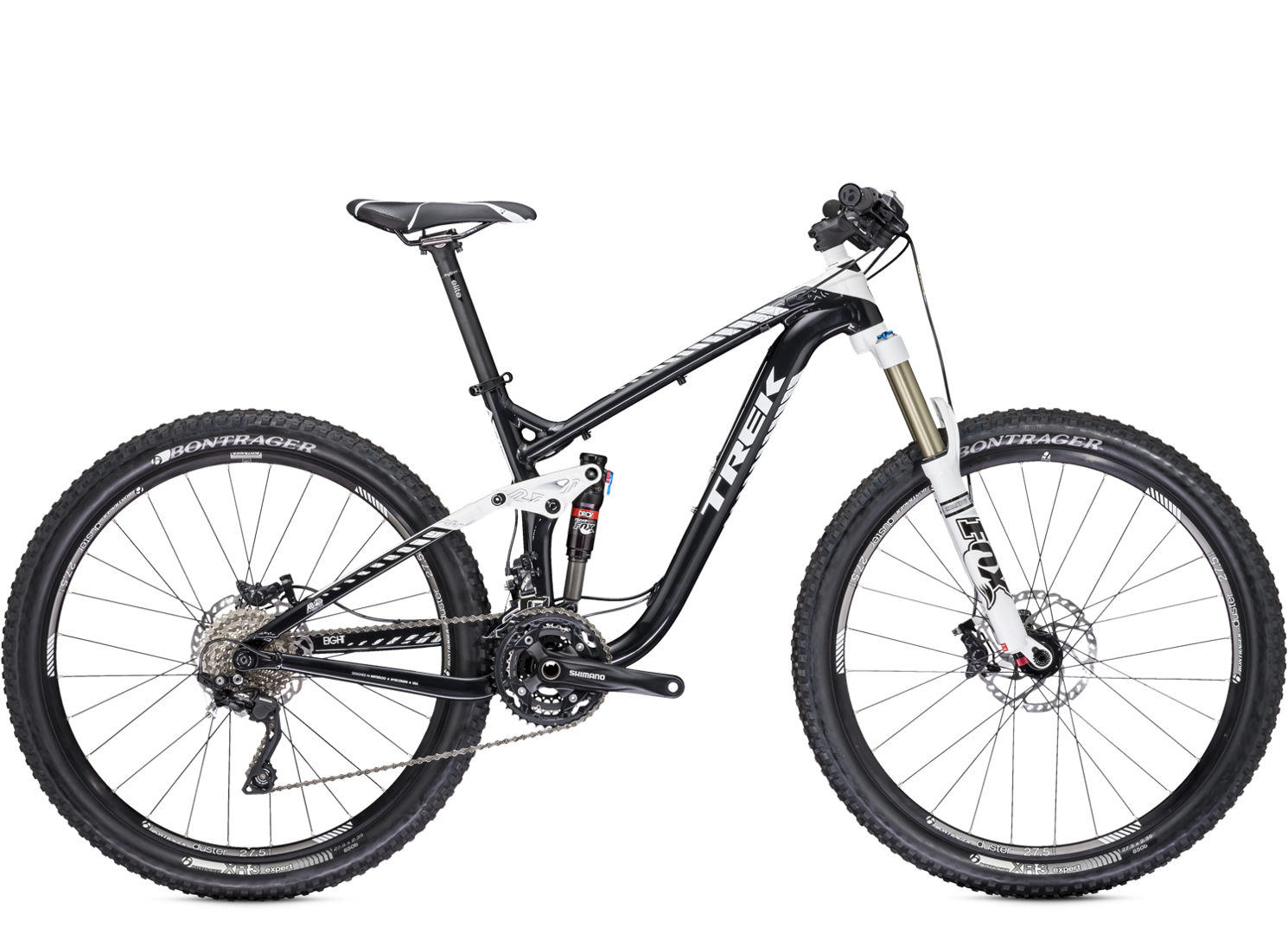
In recent years, the aluminium stick, as well as its wooden counterpart, have largely been replaced by more advanced composite designs. Common building materials include fiberglass and carbon fiber, and some manufacturers have even explored using materials such as kevlar. Composite sticks generally weigh less than their aluminum forebears
3
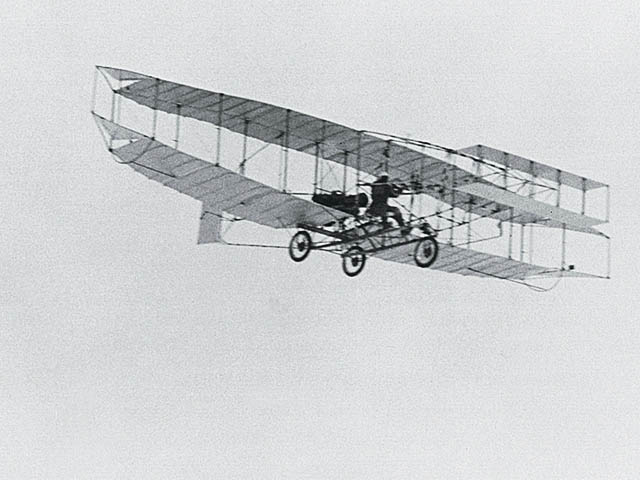
On December 17, 1903, Orville Wright piloted the first powered airplane 20 feet above a wind-swept beach in North Carolina. The flight lasted 12 seconds and covered 120 feet. Three more flights were made that day with Orville's brother Wilbur piloting the record flight lasting 59 seconds over a distance of 852 feet.
9
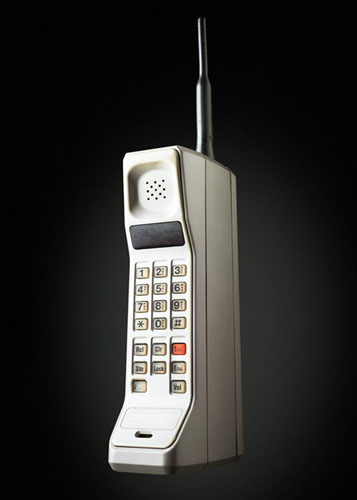
Prior to 1973, mobile telephony was limited to phones installed in cars and other vehicles. Motorola was the first company to produce a handheld mobile phone. On 3 April 1973 when Martin Cooper, a Motorola researcher and executive, made the first mobile telephone call from handheld subscriber equipment, placing a call to Dr. Joel S. Engel of Bell Labs
11
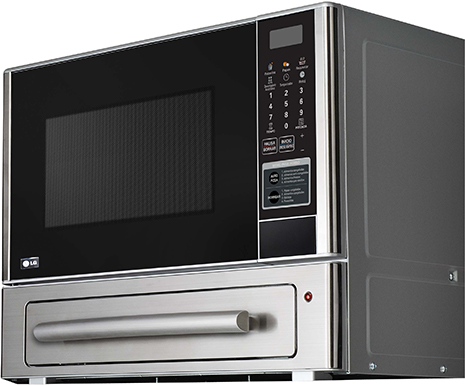
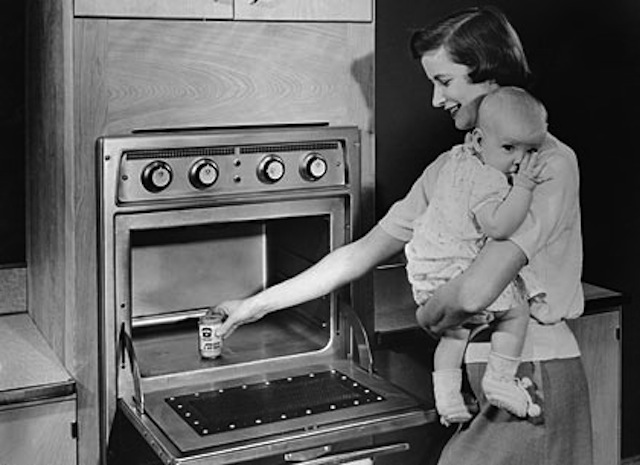
In 1945 the specific heating effect of a high-power microwave beam was accidentally discovered by Percy Spencer, an American self-taught engineer from Howland, Maine. Employed by Raytheon at the time he noticed that microwaves from an active radar set he was working on started to melt a candy bar he had in his pocket. The first food deliberately cooked with Spencer's microwave was popcorn, and the second was an egg, which exploded in the face of one of the experimenters
13
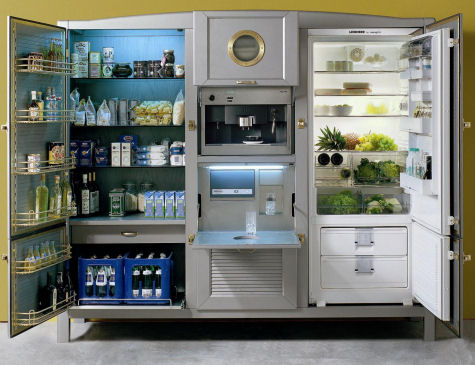
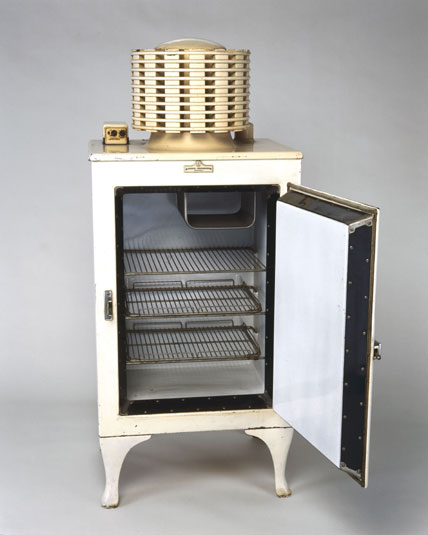
As the refrigerating medium, these refrigerators used either sulfur dioxide, which is corrosive to the eyes and may cause loss of vision, painful skin burns and lesions, or methyl formate, which is highly flammable, harmful to the eyes, and toxic if inhaled or ingested. Many of these units are still functional today
16
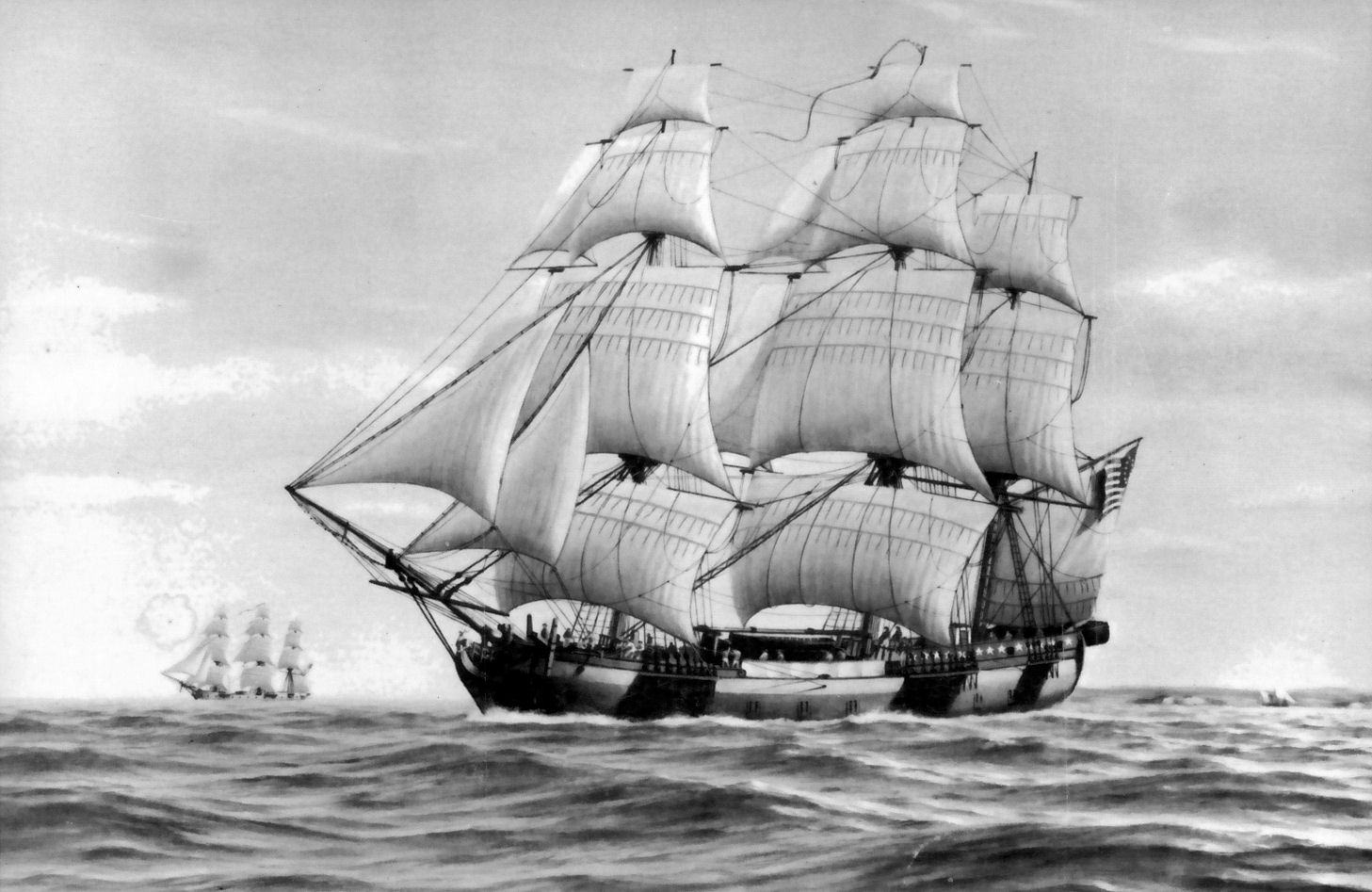
Continental Navy Ship Alfred, December 1777. Raleigh is visible in the distance. From a painting by Colonel Phillips Melville USAF, published in Alfred: The First Continental Flagship, 1175-1778. Author John J. McCusker notes she is shown against the Brittany coast as she sailed for home in December 1777. This is a modern, although carefully researched, interpretation.
19
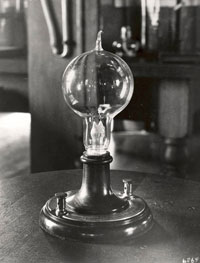
Edison was able to produce over 13 continuous hours of light with the cotton thread filament, and filed his first light bulb patent on January 27, 1880. Later, he and his researchers found that the ideal filament substance was carbonized bamboo, which produced over 1,200 hours of continuous light. The first large-scale test of Edison's lights occurred September 4, 1882 when 25 buildings in New York City's financial district were illuminated.
26
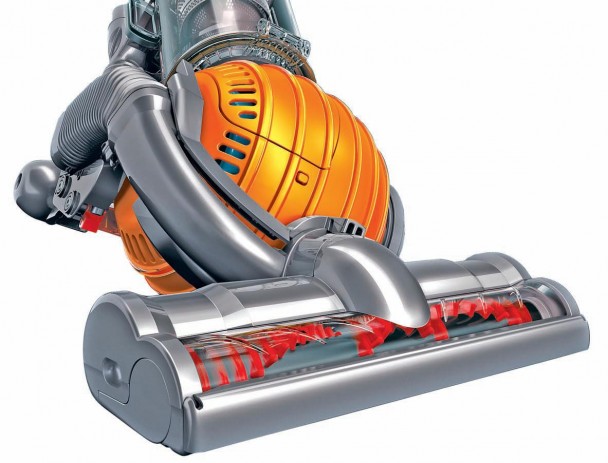
Ordinary vacuum cleaners rely on bags and filters to trap dust and dirt. Air is meant to flow through tiny holes, leaving dust and dirt behind. The problem is that these tiny holes quickly clog up with particles of dust. This chokes the flow of air, so the vacuum cleaner loses suction. Dyson vacuum cleaners don't rely on bags to trap dust and dirt. They use patented Root Cyclone technology, which spins the air at incredibly high speeds. The cyclones inside a Dyson vacuum cleaner generate centrifugal forces many thousands of times the force of gravity. Dust, dirt and pet hair are flung out of the airflow and straight into the clear bin. No bags, no loss of suction.
27
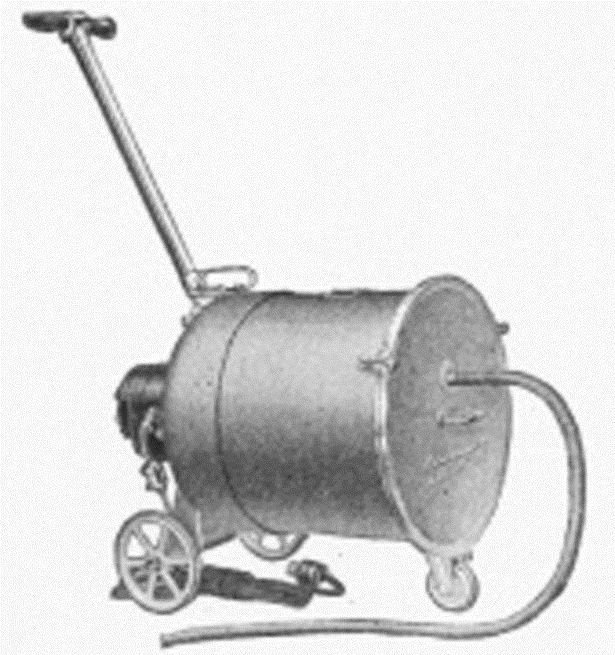
The world's first vacuum cleaner was invented in 1866. A man named Ives W. McGaffney created this manual vacuum that worked by using a hand crank attached to bellows to suck the air from a tube. The atmospheric pressure pushed air on the surface up into the tube due to the difference in air pressure caused by the cranking. While the vacuum worked to pick up dirt and debris from the floor at the end of the hose, the debris was simply redistributed out of a vent on the device. This method of "cleaning" remained the standard in vacuuming until the vacuum filter was introduced by Hubert Cecil Booth in 1901.
28
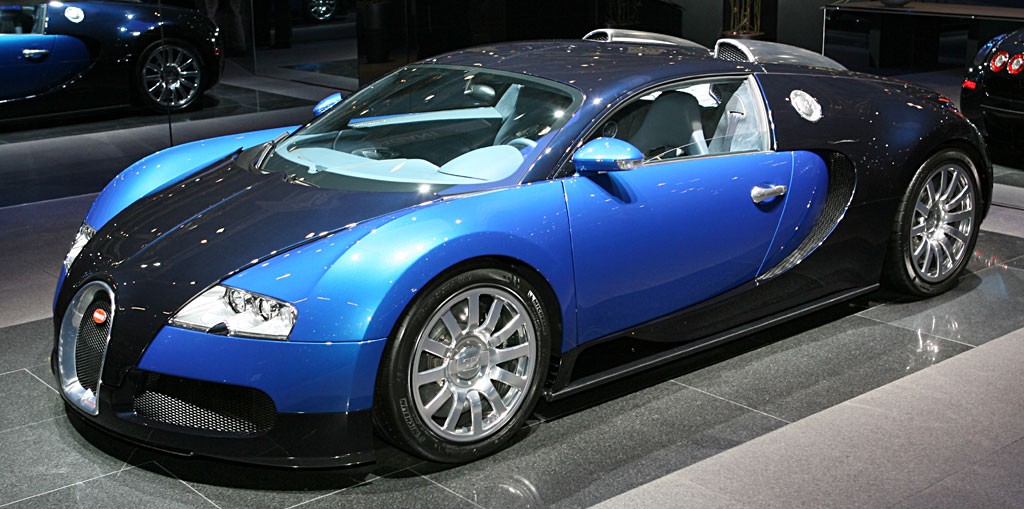
PerformanceTop speed408.47 kmh 253.81 mph averageSuper Sport:431.072 kmh 267.856 mph average0100 kmh 0.062.1 mph2.46 seconds0240 kmh 0.0149.1 mph9.8 seconds0300 kmh 0.0186.4 mph16.7 secondsSuper Sport:14.6 seconds0400 kmh 0.0248.5 mph55 secondsStanding quarter-mile 402 m10.2 seconds standard, 9.9 secondsBraking31.4 m from 100 kmh to 0
29
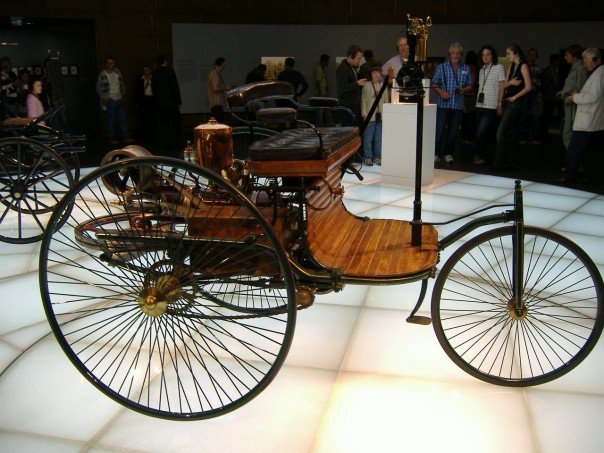
Karl Benz introduced the first ever vehicle powered by an internal combustion engine in 1885, and got a patent for it in the following year. Benz's invention was powered by a four-stroke cycle gasoline engine. A self propelled vehicle with an internal combustion engine! Doesn't that qualify to become the first car ever made? While many people regard Benz's invention as the first car invented


Most Popular