Things you didn't know about boobs
Interesting facts about boobs
Published 12 years ago
5
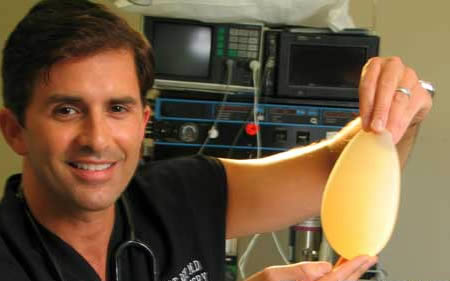
since 2006, with approximately 296,000 breast augmentation surgeries in 2010 a two per cent increase from the year before. Interestingly, more than 170,000 of those were breast reduction and lift surgeries. Breast reconstruction surgery was also up in 2010, with more than 93,000 procedures performed.
7
No news here. Research conducted at the Victoria University of Wellington showed that breasts are often the first thing men look at, and for a longer time than other body parts. Nothing to be ashamed of since another study said that staring at women's breasts for just minutes a day can improve a man's health and add four to five years to his life
8
Women who get breast implants are at least three times more likely to commit suicide, a risk that increases with time. As the August 2007 Annals of Plastic Surgery reported, it's unlikely that silicone toxicity causes the correlation. It's more probable that women who undergo breast augmentation are more apt to have an underlying psychiatric problem that predisposes them to suicide
9
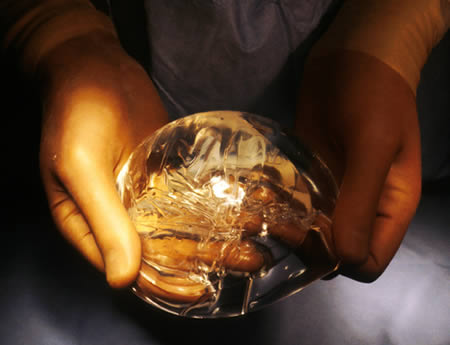
Big breasts miraculously saved an Israeli woman from death at the hands of a Lebanese paramilitary organization. The incident occurred during a Hezbollah rocket attack. The victim got a boob job two years ago. During the war, she was wounded in the chest by shrapnel but survived because of her implants. While the patient is fine, the implant, unfortunately, did not survive
12
In your 20s, your boobs are made up of fat, milk glands and collagen -- the connective tissue that keeps them firm. But as you age, the glands and collagen shrink and are replaced by more and more fat. Instead of making your bra size go up, however, the added flab can send breasts down, closer to the floor, if you catch our drift
13
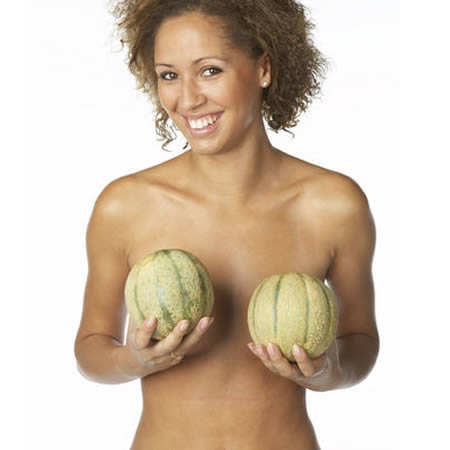
According to the fashion industry newspaper Womens Wear Daily, the average breast size among women in the United States has evolved over time, from a 34B to a 36C to within the last decade a 36DD! The reasons for this arent scientifically documented, but experts believe it may be due in part to increased rates of obesity.
16
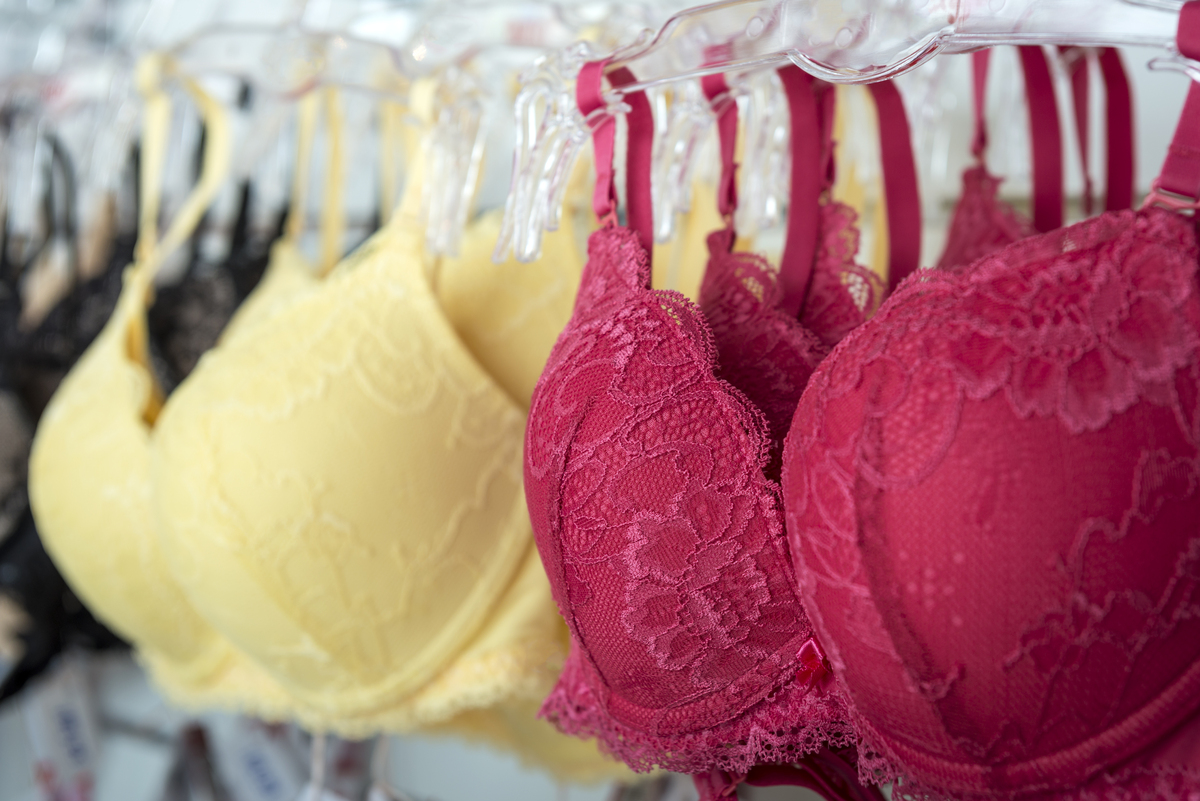
Before the late 19th century, women used a corset, a tightly fitting undergarment extending from below the chest to the hips, to elevate their breasts and accentuate the waist. During the early 20th century, garments more closely resembling contemporary bras became available, with large-scale production starting in the 1930s
17
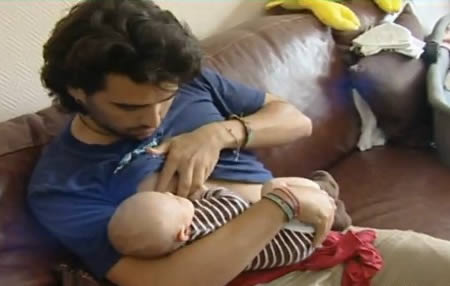
According to the Centers for Disease Control and Prevention, breastfeeding rates have increased from 2007: Five per cent more women are breastfeeding their babies three months of age, and four per cent more are still doing it at six months. Other stats show that more black women, women with higher incomes, and women 30 years and older are breastfeeding.
19
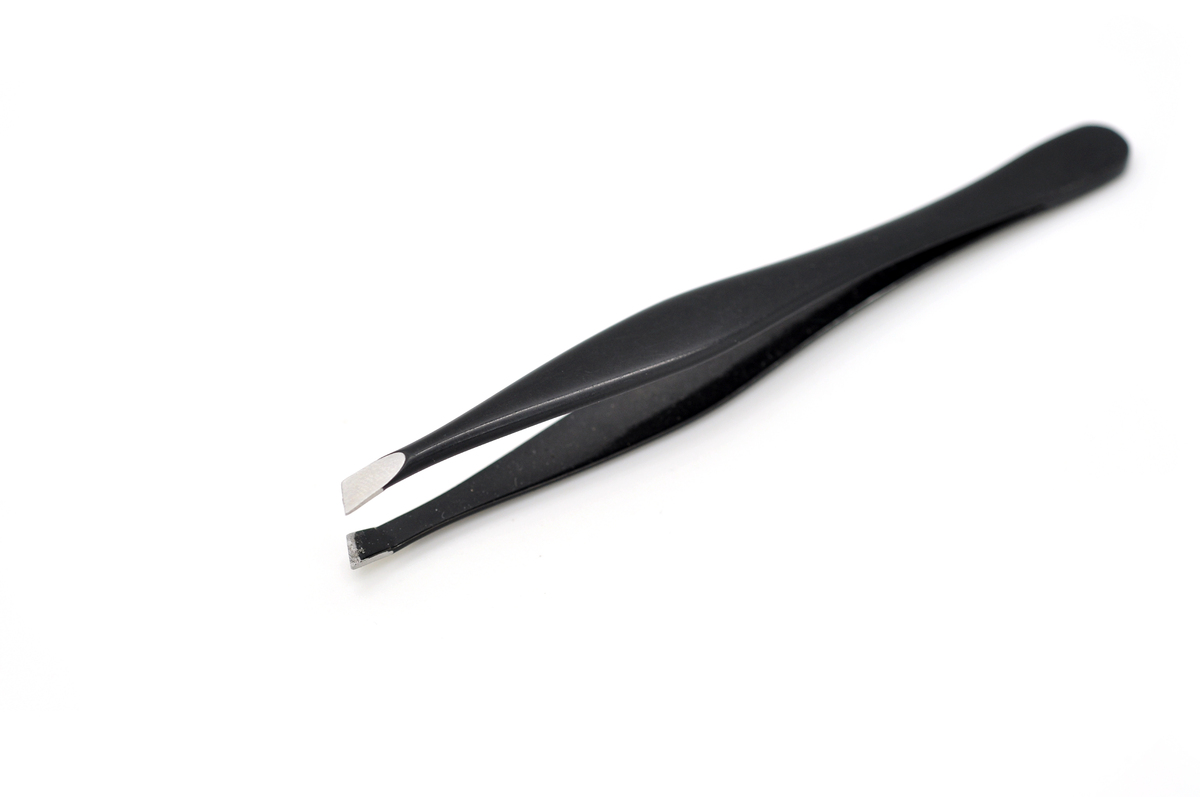
Not everyone has nipple hair, but it is very common, Streicher says. The more hair a woman has all over her body, the more likely she is to have hairs around her nipples. Just like pubic hair, it will be the same color as your natural head hair color, she adds. These hairs are rarely cause for concern
20
ts not a myth! Supernumerary nipple, also known as extra nipples, can grow on places other than your breasts and may even develop breast tissue. In fact, extra nipples are the most common congenital abnormality of the breast and can occur in both girls and boys. Some celebrities, including Lily Allen and Mark Wahlberg, are rumored to have them.
23
Trying to have a baby? Your breasts may show your pregnancy even before your stomach does. Very early in the first trimester, healthy breasts become extremely tender and start growing. Why? Your body is preparing your breasts for breastfeeding. Youll probably notice a sizable increase during the first three months of pregnancy.








Most Popular