You May Not Be Eating What You Think You Eat
Give these items a second thought before you order them.
Published 8 years ago in Wow
1
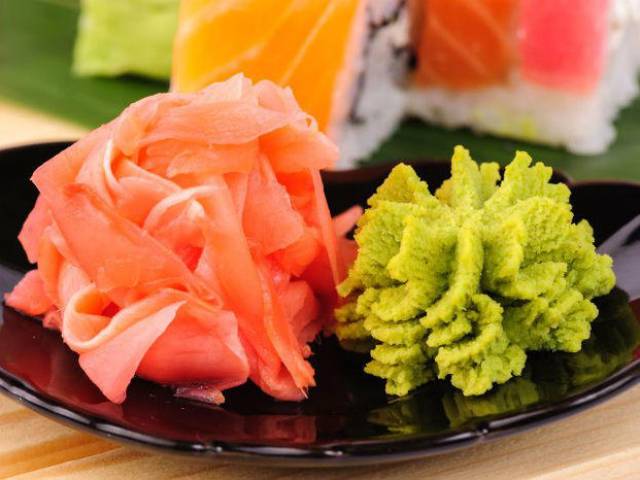
About 99% of all wasabi sold in the US is fake, reports The Washington Post. The vast majority of wasabi consumed in America is simply a mix of horseradish, hot mustard, and green dye. True wasabi is difficult to grow and extraordinarily expensive, costing $160 a kilogram at wholesale prices. If you're eating real wasabi, you're consuming the stem of a plant, grated and pulverized into a spicy paste. It reportedly has a more complex taste, but needs to be eaten immediately — within 15 minutes, the freshly grated wasabi begins to lose its signature flavor.
2
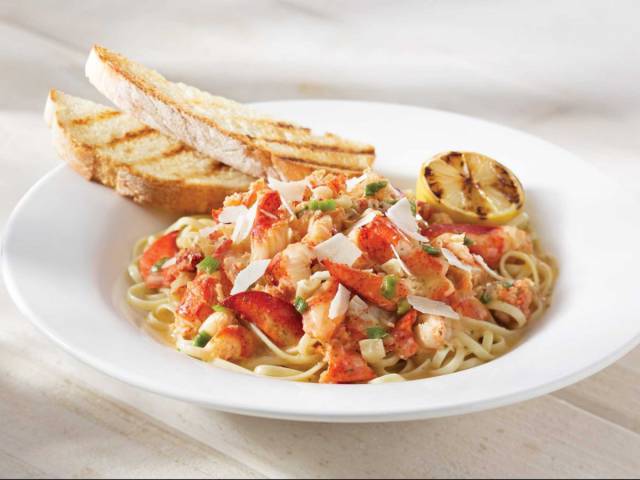
Lobsters More than one-third of restaurants, including Red Lobster, swap out lobster for more inexpensive substitutes in their dishes, reports Inside Edition. In February, the news organization ran DNA tests on lobster dishes from 28 restaurants across the country. Thirty-five percent of the samples contained cheaper seafood, such as whiting and langostino. While langostino means "little lobster" in Spanish, the crustacean is more similar to a hermit crab — and less expensive than American lobsters.
3
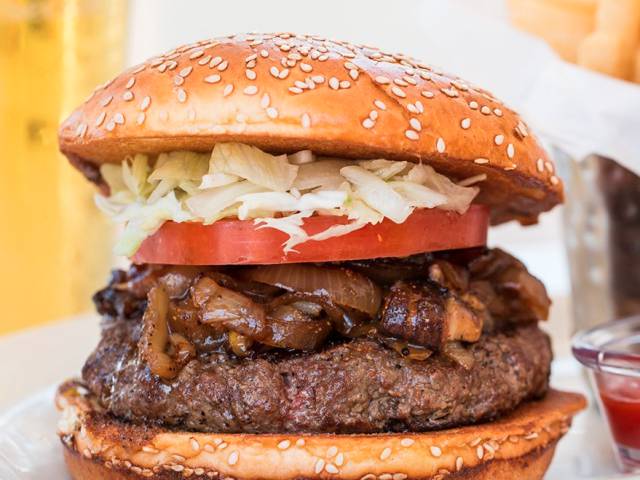
Kobe beef While restaurants across the US offer menu items like the Cheesecake Factory's "Kobe burgers" and pricey "Kobe steaks," the vast majority of these claims are false. Only eight restaurants in the entire US serve real Kobe beef. Since Kobe beef costs more than $20 an ounce, if you're purchasing something that is supposedly made of Kobe beef and isn't absurdly expensive, you're probably being scammed.
4
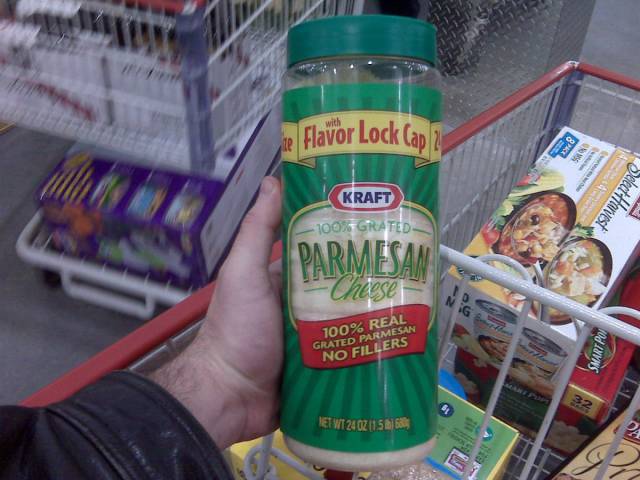
Parmesan cheese In February, Bloomberg News tested store-bought grated cheeses for cellulose, revealing that all of the cheeses — called 100% Grated Parmesan Cheese — tested contained the anti-clumping additive made of wood pulp. While cellulose is a safe additive, an acceptable level is 2% to 4%, according to cheese technologist Dean Sommer. Cheese makers often mix in higher levels of the wood pulp when making cheese because it is less expensive than pure Parmesan.
5
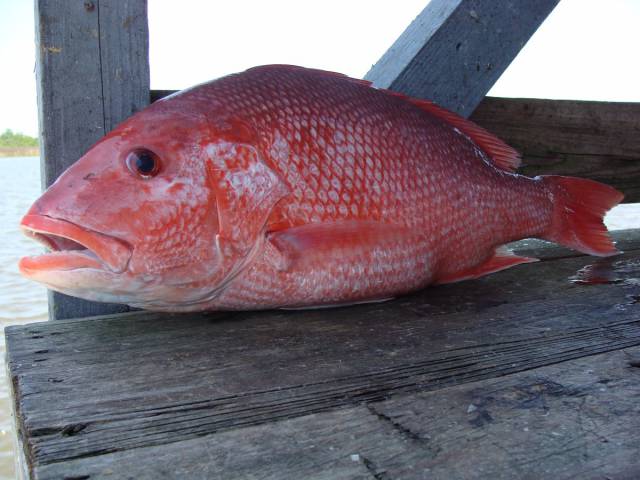
Red snapper According to an expert involved in DNA species testing, 94% of the time you order fish labeled red snapper, it is actually a different fish. A rule of thumb: If the fish is expensive and you haven't seen it displayed whole, there's a good chance it's an imitation. And even then, it's hard to differentiate between wild-caught and farmed fish.
7
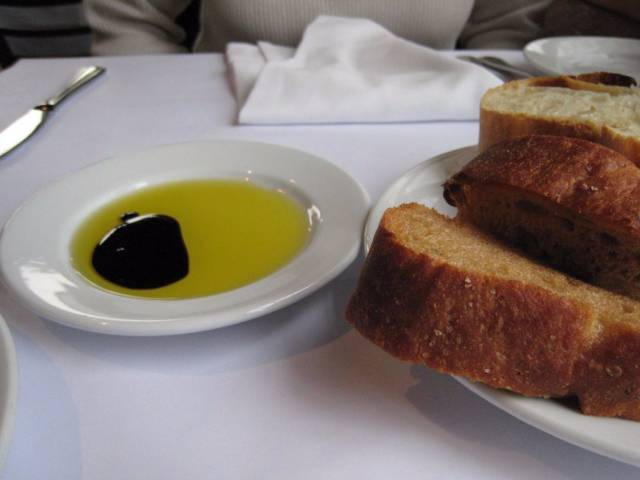
Olive oil Fake versions of olive oil are extraordinarily common, with retailers passing off other seed oils, including soybean oil, peanut oil, and sunflower-seed oil, as the real thing. Consuming fake olive oil can have serious health consequences, such as a 1981 case in Spain where 20,000 people consumed so-called olive oil that was in fact rapeseed oil, containing a poisonous toxin called aniline.
8
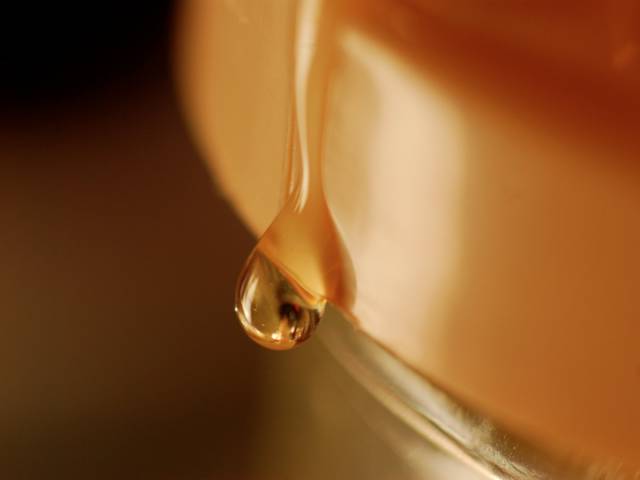
Honey More than 75% of the honey sold in US grocery stores contains ingredients other than pure honey, reports Food Safety News. Honey is frequently "watered down" and cut with corn or fructose syrup to decrease costs. Further, some retailers mislabel certain types of honey as a more expensive and popular types, such as manuka honey, to hike up prices.
Most Popular